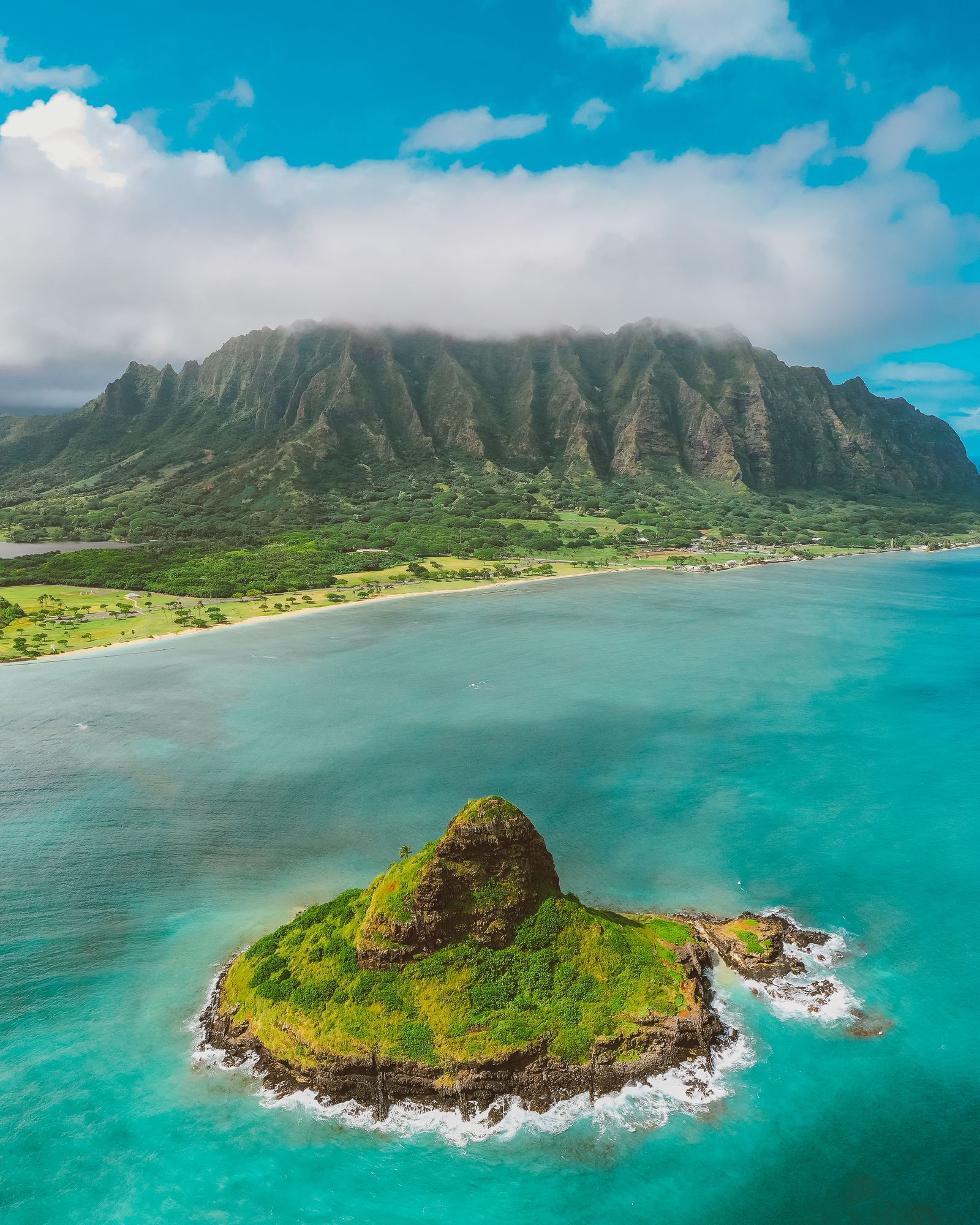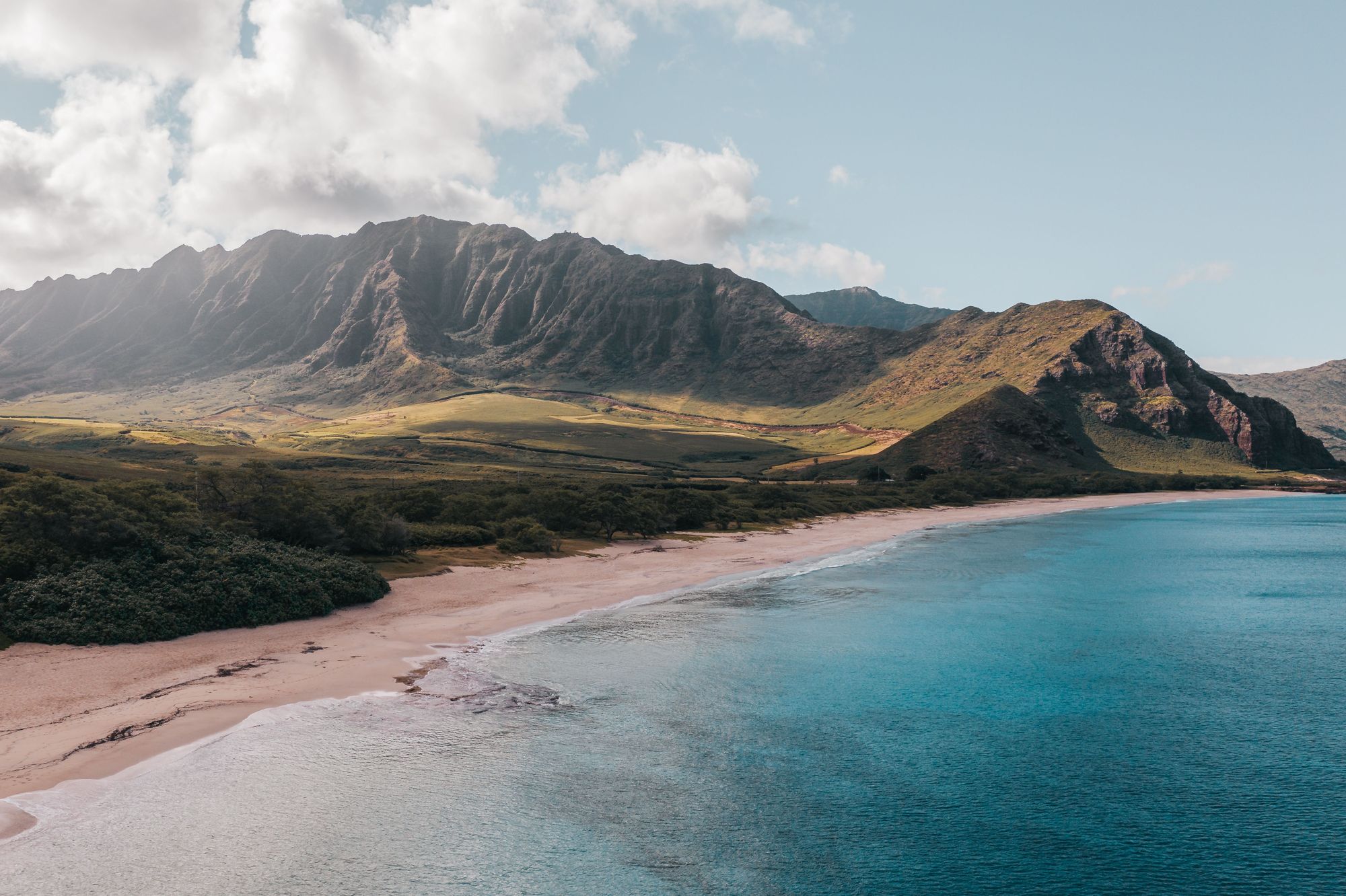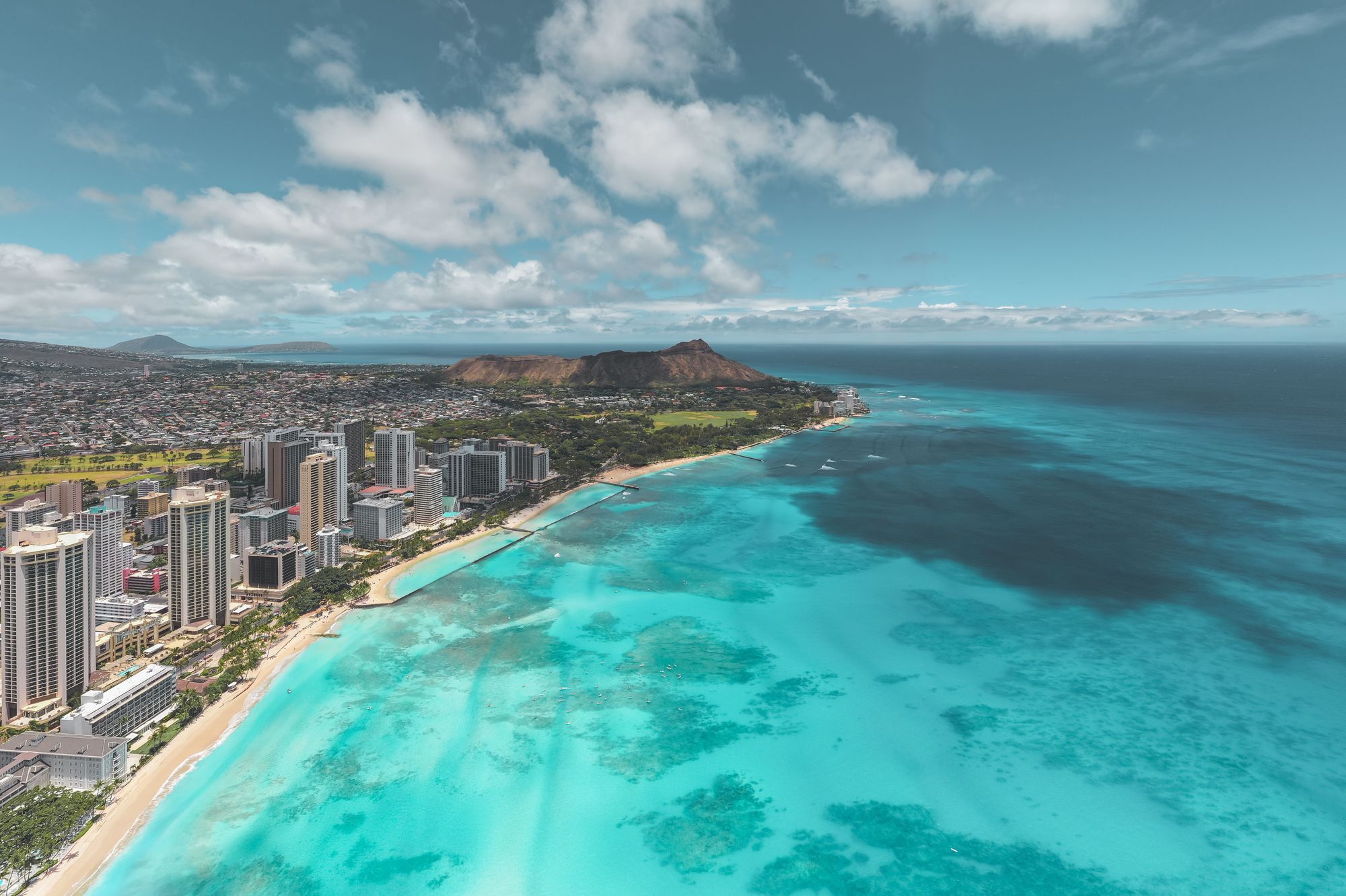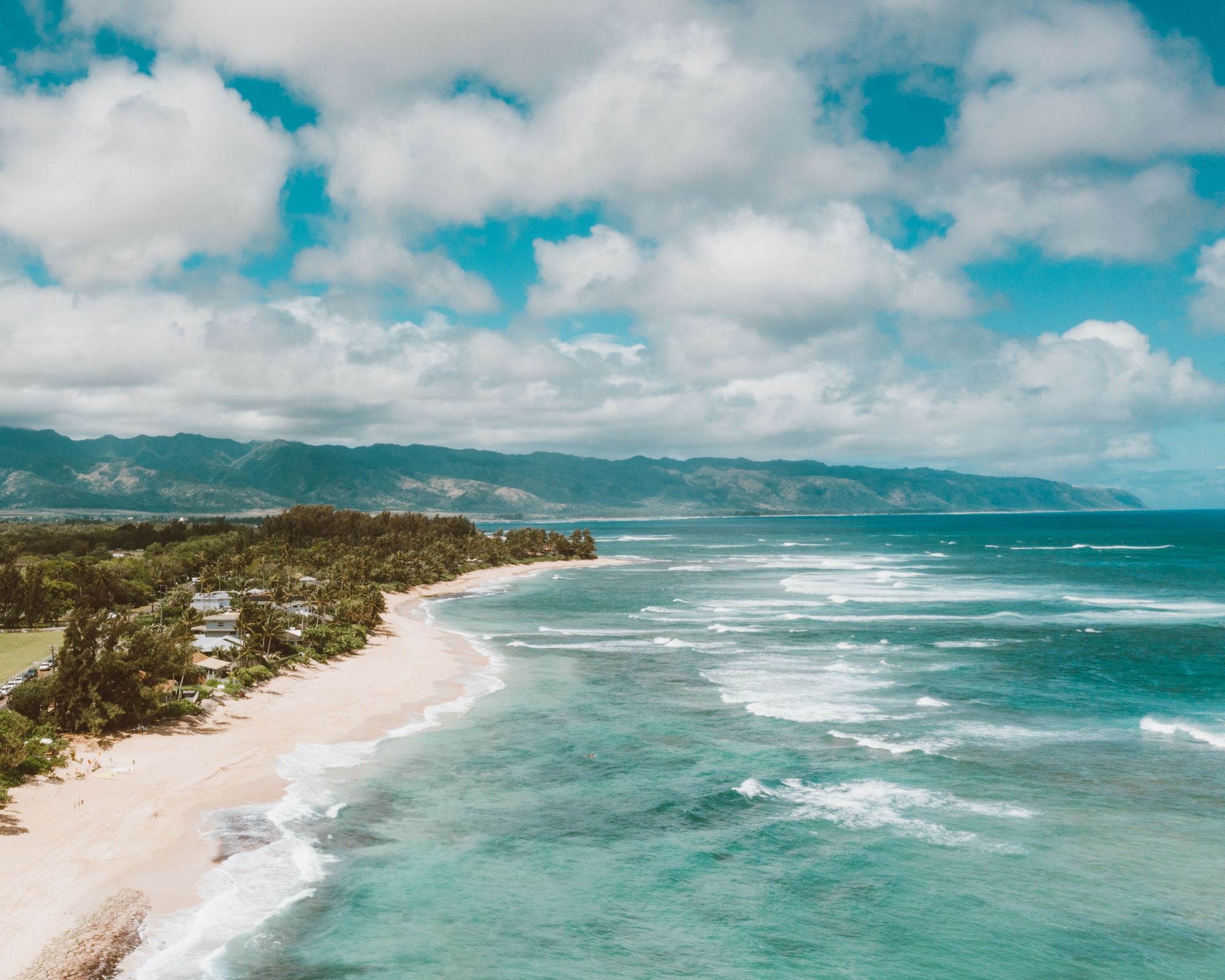
Hawaii is warm all year, but the islands change more with the seasons than most visitors expect. Waves, whales, rain and prices all shift by month, and April to May and September to October offer the best balance of weather, value and space.
When is the best time to visit Hawaii?
For most travelers, the sweet spot is April to May or September to October. The weather is dry and warm, the ocean is calm on most coasts, and there are noticeably fewer visitors than in summer or over the holidays. State figures show about 691,000 arrivals in September 2025, against roughly 873,000 in July.
Still, Hawaii has no bad month. Daytime temperatures at sea level stay in a narrow, comfortable band all year, so the right time comes down to your priorities: whales, big waves, calm snorkeling, lower prices or fewer people.
Winter (December to March) suits whale watchers and anyone escaping a northern winter, but brings more showers and rough north-shore seas. Summer (June to August) offers the calmest water and the most sunshine, along with the biggest crowds. The shoulder months give you a little of both.
What is the weather like in Hawaii year-round?
The National Weather Service splits the year into two seasons: summer, from May to October, and winter, from October to April. Summer is warmer and drier. Winter brings more clouds and most of the year's heavy rain, which arrives with passing storms rather than as weeks of gray skies.
In Honolulu, the 1991 to 2020 normals put typical highs at about 27°C (80°F) in January and 32°C (89°F) in August. Nights rarely drop below 19°C (66°F) at the coast. August and September are the warmest months; February and March are the coolest.
The sea follows the same pattern, from about 23°C (73 to 74°F) in February and March to near 27°C (80°F) in late September and early October. Elevation changes the picture: air cools by about 1.7°C per 300 m (3°F per 1,000 ft), and the summit of Haleakala on Maui can dip below freezing in any month.
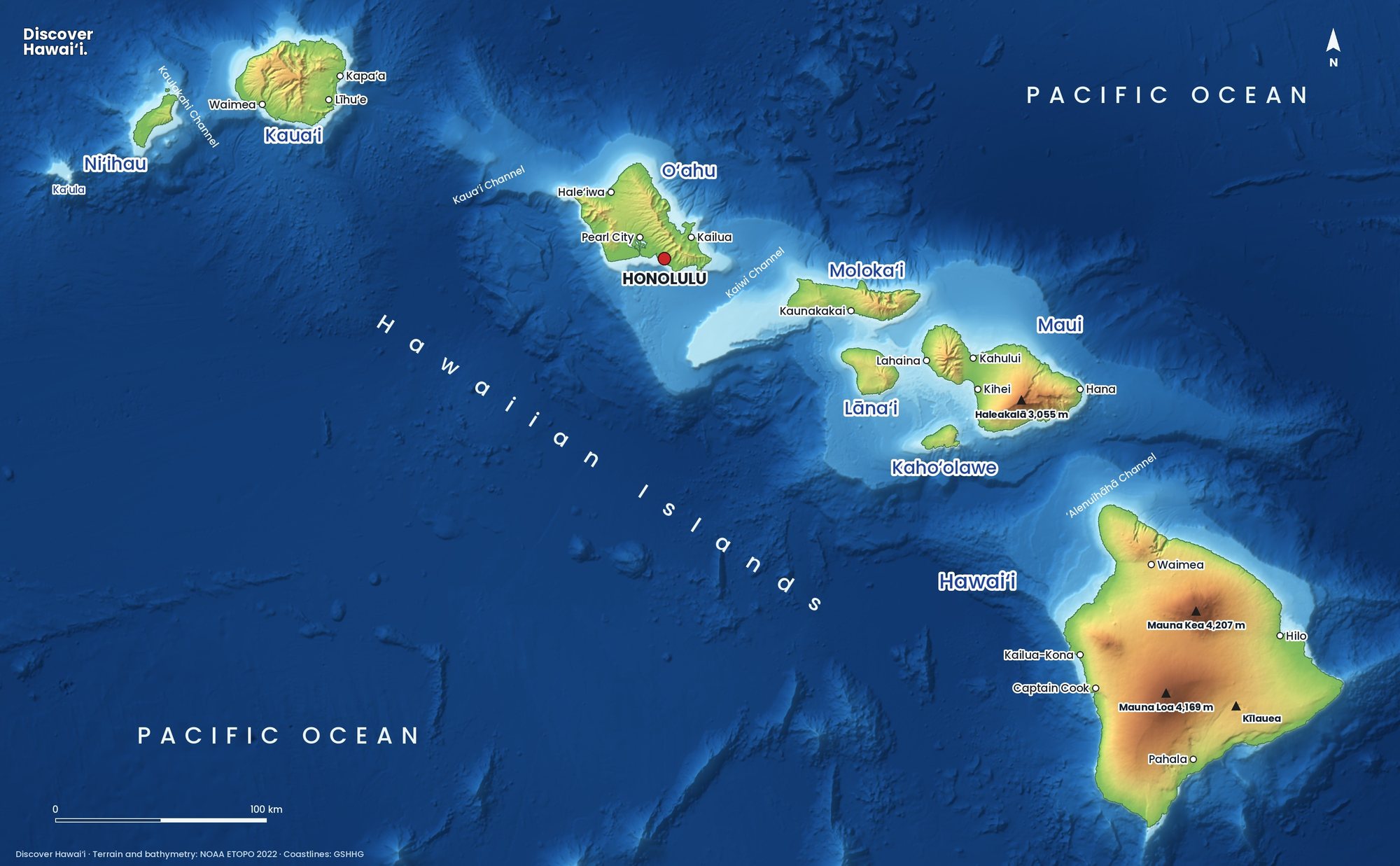
The National Park Service puts the Haleakala summit, at 3,055 m (10,023 ft), about 17°C (30°F) colder than the coast, with highs of only 10 to 18°C (50 to 65°F). Wind and damp cloud make it feel colder still, so pack a warm jacket even for a summer beach trip if you plan to drive up.
Which side of the island is driest?
Where you stay matters as much as when you go. Northeast trade winds push moist air against the mountains, so windward (north and east) coasts and slopes are green, cloudy and showery. The wettest belt sits at roughly 600 to 900 m (2,000 to 3,000 ft) on windward slopes.
Leeward (south and west) coasts sit in the mountains' rain shadow and are sunny and dry, especially in summer. That is why the main resort areas, such as Waikiki, Kaanapali, Wailea, the Kona and Kohala coasts on the Big Island and Poipu on Kauai, cluster on leeward shores. If rain is in the forecast, a short drive to the other side often finds sun.
Windward areas also see the smallest difference between seasons, because trade-wind showers fall all year. Leeward coasts get most of their rain from a handful of winter storms, which is why their summers are so reliably dry.
When are the waves biggest in Hawaii?
Hawaii's ocean flips with the seasons. From November to April, North Pacific storms send powerful swells into north- and west-facing shores. Oahu's North Shore becomes a stage for expert surfers, and beaches like Waimea Bay, calm and clear in summer, get pounded by high surf and heavy shorebreak.
From May to October, north shores are usually flat to small, while south shores pick up regular summer swells. Overall, summer means calmer water on most beaches, which makes it the better season for snorkeling and swimming with kids.
Conditions change beach by beach. If the surf looks too big, do not go in: swim at a lifeguarded beach and check the daily surf forecast before you set out.
When is humpback whale season in Hawaii?
Humpback whales are generally in Hawaiian waters from November through April, with the peak from January to March. NOAA estimates that about half of the North Pacific population, thousands of animals, migrates here each winter to breed, give birth and nurse calves.
They favor shallow water under about 180 m (600 ft) deep, which makes the channels of Maui Nui, between Maui, Lanai, Molokai and Kahoolawe, the classic viewing area. You can also see them off Kauai, the Big Island and Oahu, often from shore.
Federal rules require you to stay at least 90 m (100 yd) away when on or in the water, including on a kayak or paddleboard, and 300 m (1,000 ft) away with a drone or aircraft. More on marine life in our wildlife guide.
When is Hawaii most crowded and expensive?
The two busiest periods are summer (June to August), when families travel, and the Christmas and New Year holidays. In 2025 the state averaged about 249,000 visitors on any given day in both July and December, compared with roughly 190,000 in September.
Expect flights, hotels and rental cars to cost the most and sell out first during those windows. If you have to travel then, book early. Prices and crowds ease in the shoulder months, and September arrivals run roughly a fifth below July.
Should you worry about hurricane season?
The Central Pacific hurricane season runs from June 1 to November 30. NOAA counts four or five tropical cyclones as a near-normal season, but most pass well away from the islands or weaken before reaching them.
Direct hits are rare but they do happen: Hurricane Iniki struck Kauai as a Category 4 storm in September 1992. If you travel from August to October, buy travel insurance, keep an eye on the Central Pacific Hurricane Center forecasts, and follow county emergency alerts if a storm approaches.
What is the best time for beaches, hiking and budget trips?
- Beaches and snorkeling: May to October, when water is warmest and most coasts are calm.
- Whale watching: January to March for the best odds; November to April for a chance.
- Watching big-wave surfing: November to February on north shores.
- Learning to surf: summer on south shores, when north shores are usually small too.
- Hiking: the drier summer and early autumn months. Winter storms can turn trails muddy and swell streams quickly, so check the forecast before any stream crossing.
- Budget: April to May and September to October, outside the summer and holiday peaks.
What is Hawaii like month by month?
| Month | Weather and ocean | Whales | Best for |
|---|---|---|---|
| January | Cool, showery; big north-shore surf | Peak | Whales, surf watching |
| February | Coolest sea, about 23°C (73°F) | Peak | Whale watching |
| March | Cool, wet spells possible | Peak | Whale watching |
| April | Dry season begins, surf easing | Last sightings | Shoulder-season value |
| May | Dry, warm, calm on most coasts | None | All-rounder, hiking |
| June | Dry and sunny; hurricane season opens | None | Snorkeling |
| July | Hot, south-shore swells | None | Beaches (peak crowds) |
| August | Warmest month | None | Beaches (peak crowds) |
| September | Hot; sea nearing 27°C (80°F) | None | Warm water, fewer visitors |
| October | Warmest sea, wet season starts | None | Shoulder-season value |
| November | Rainier; north-shore surf builds | Arriving | Surf watching |
| December | Showers, big north-shore waves | Building | Holidays (peak crowds) |
Facts checked October 2026. Weather and ocean conditions vary by island and coast: always check local forecasts and lifeguard advice before entering the water.
- NWS Honolulu: Climate of Hawaii
- Hawaii Ocean Safety: Hawaii's surf seasons
- NOAA Hawaiian Islands Humpback Whale NMS: About the sanctuary
- NOAA Hawaiian Islands Humpback Whale NMS: Regulations
- NOAA: Central Pacific hurricane season outlook
- NPS Haleakala National Park: Weather
- State of Hawaii Data Book: Honolulu climate normals
- DBEDT: Visitor statistics, December 2025