Life at the end of the world
Hawaii is the most isolated island chain on Earth, thousands of kilometers from the nearest continent. Every plant and animal that arrived here had to cross open ocean by wing, by wave or by drifting raft, and once here, many evolved into species found nowhere else. That isolation is why Hawaii has some of the highest rates of endemic life on the planet, on land and on the reef.
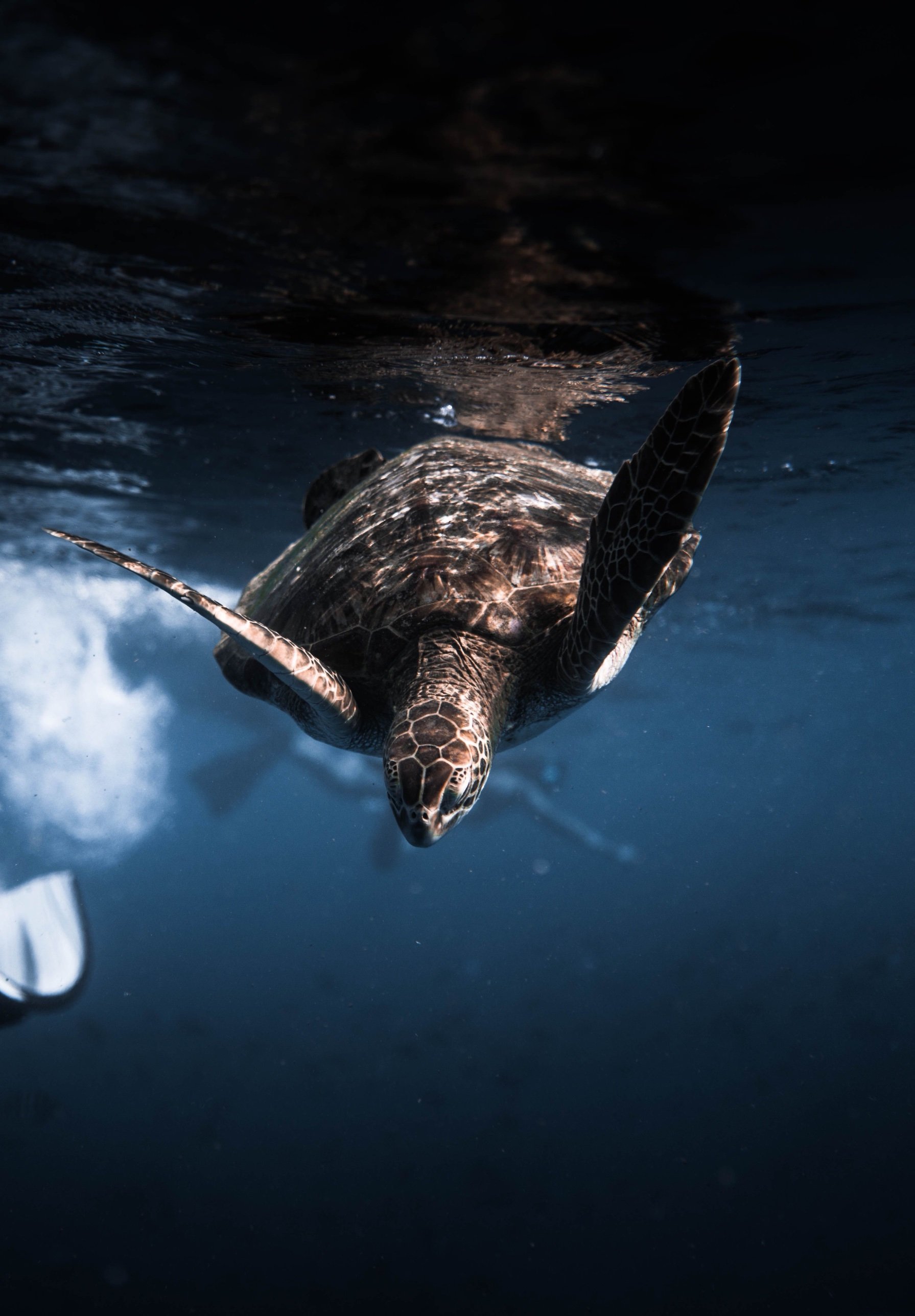
The ocean is the star. Green sea turtles, the honu, graze the reefs and haul out to bask on the beaches, the rare hawksbill still nests on a few quiet shores, and tiger sharks patrol the waters around every island. Many of these animals are protected, and some are in real trouble. Seeing them, carefully and respectfully, is one of the great reasons to travel here.
Hawaii's residents & frequent visitors
Some animals live around the islands all year. Others travel thousands of miles to get here. These are the ones you are most likely to meet, from the beach, a boat or a snorkel, and how to watch them without disturbing them.
Humpback whalesThe singers of the winter sea
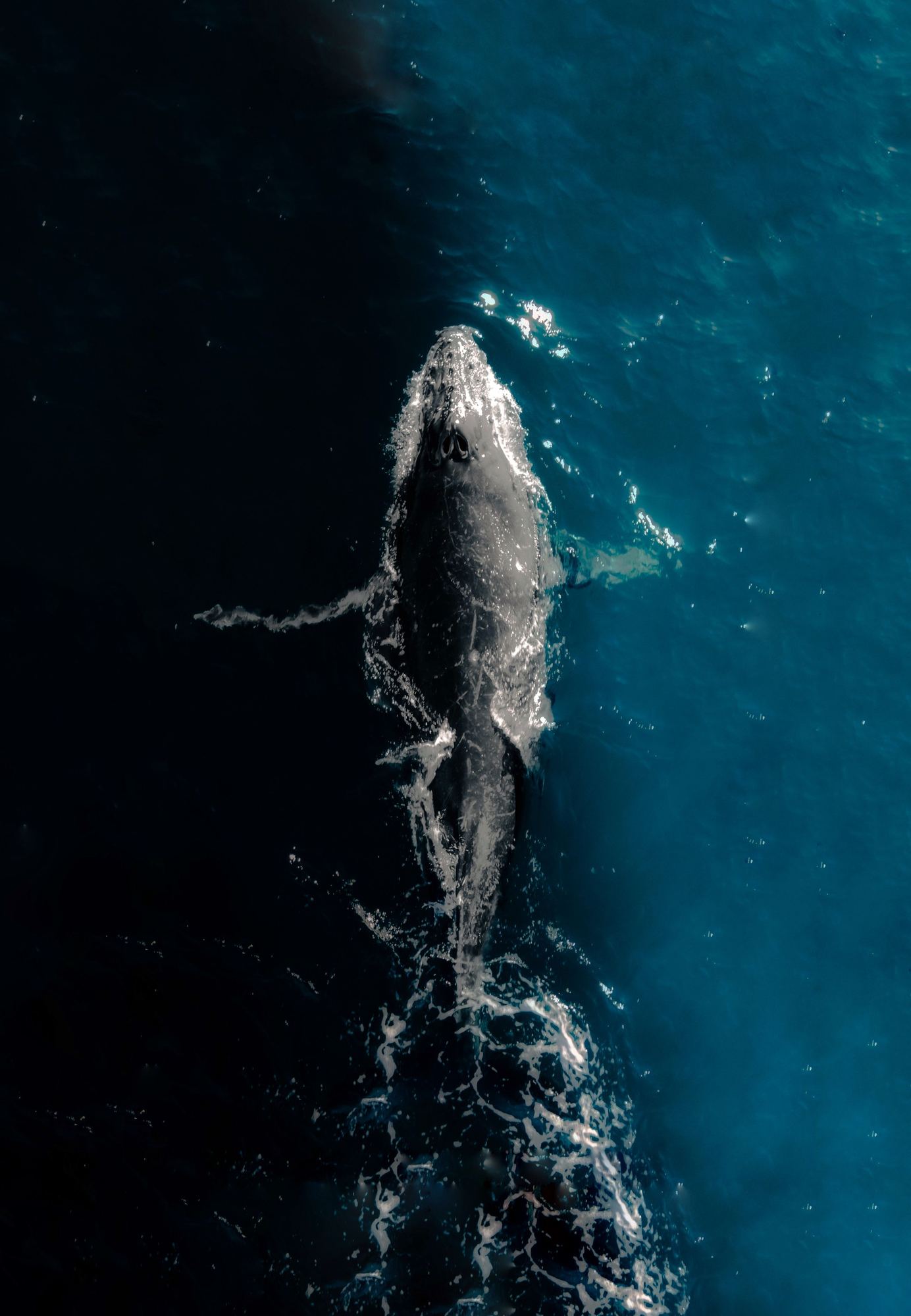
Every winter, thousands of humpbacks swim roughly 3,000 miles from their feeding grounds off Alaska to the warm, shallow water around the islands. They come to mate, give birth and nurse their calves, and they barely eat the whole time they are here.
The shallow channel between Maui, Lanai and Molokai is the best place to see them, and the males fill it with song: long, complex phrases you can hear through a boat's hull or with your head underwater. Watch for blows, tail slaps and full breaches from shore along west and south Maui.
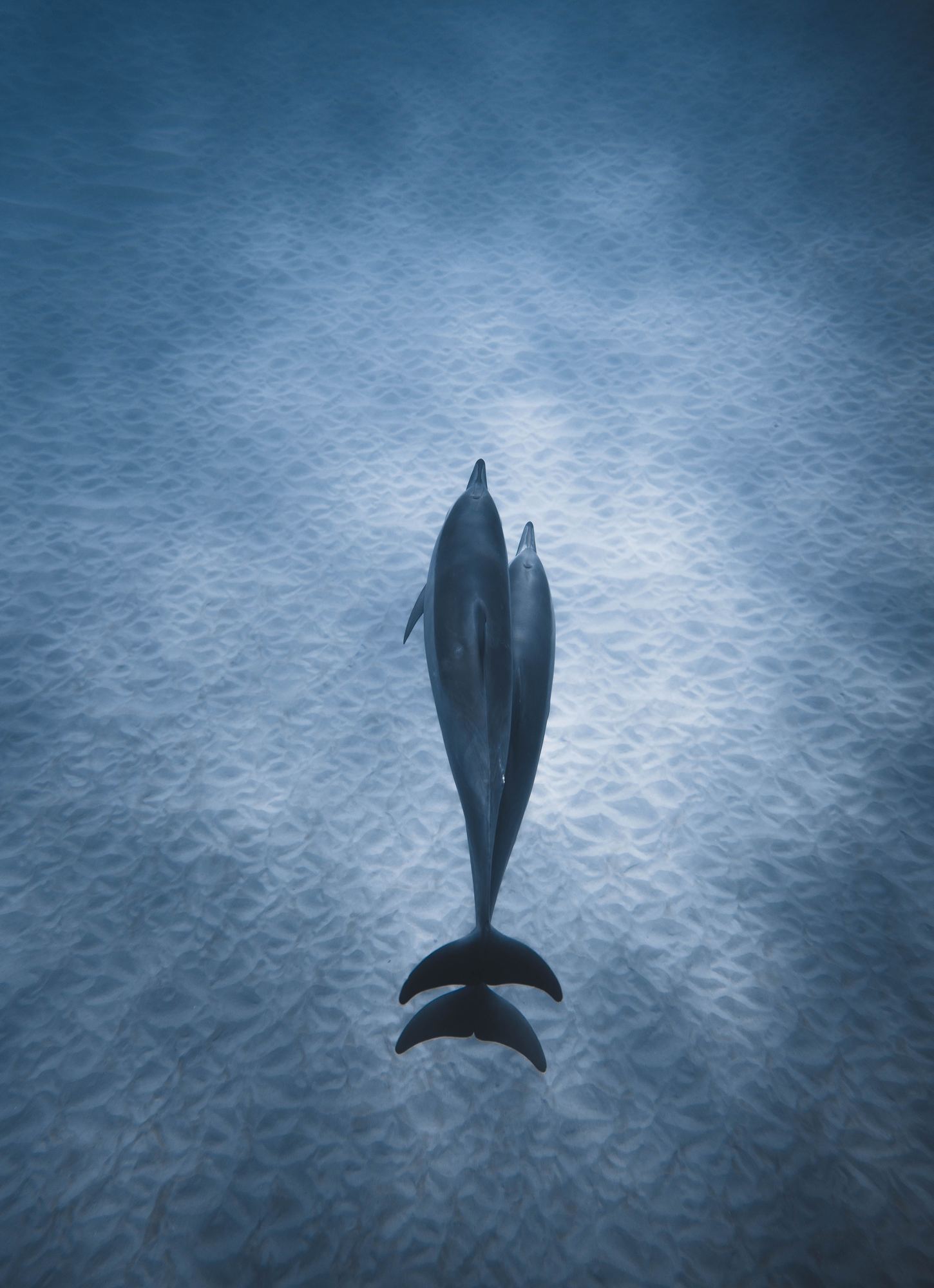
Spinner dolphinsAcrobats that sleep by day
Named for the way they leap and spin through the air, spinner dolphins live around all the main islands. Their daily rhythm is the key to understanding them: they hunt in deep water at night, then come into calm, sandy bays in the morning to rest.
That is why they are often seen from beaches like Kealakekua Bay on the Big Island, and why resting pods need space. Since 2021, federal rules prohibit swimming with or approaching spinner dolphins within 50 yards, so watch from the shore or a respectful boat.
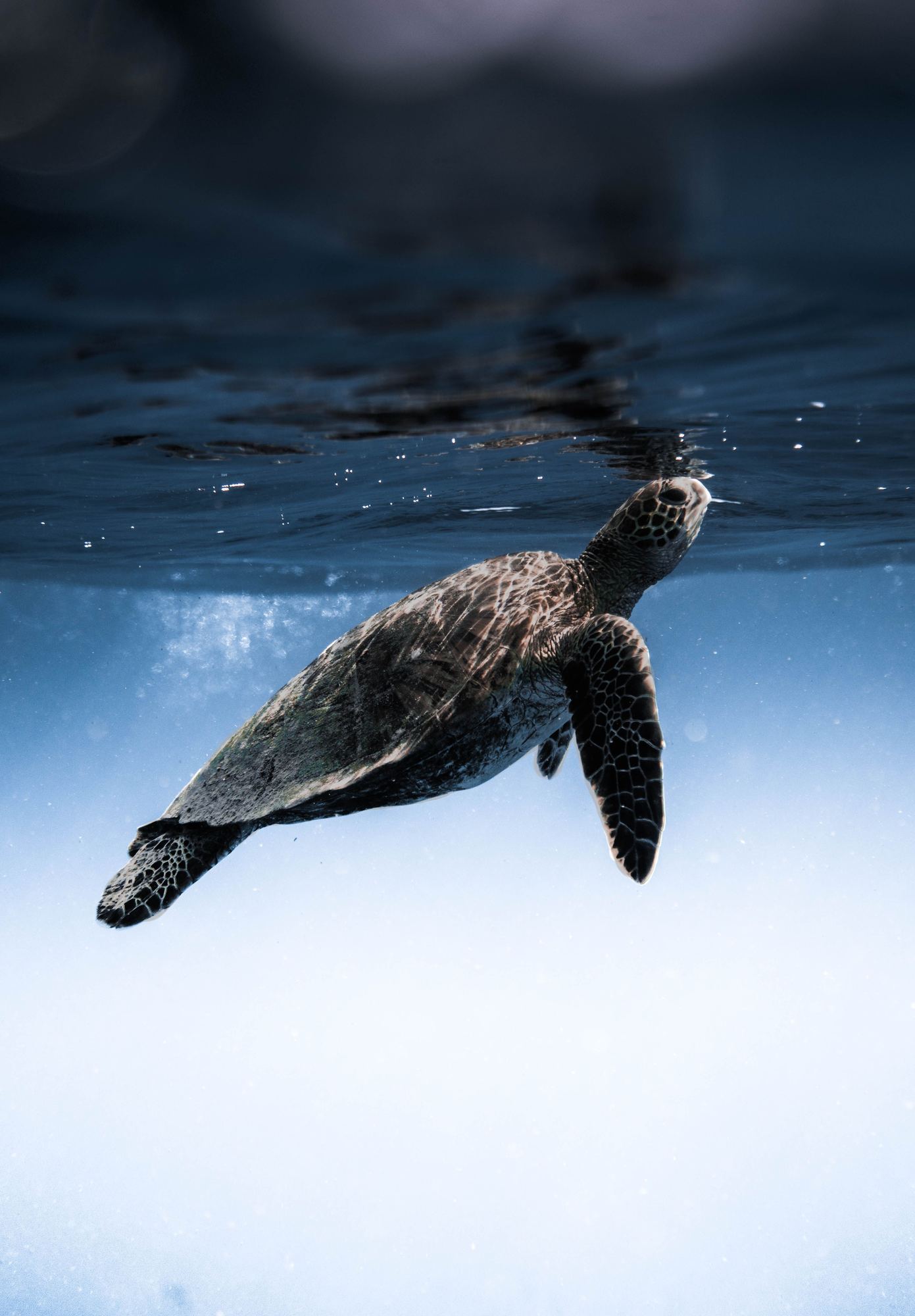
Green sea turtlesThe islands' most familiar face
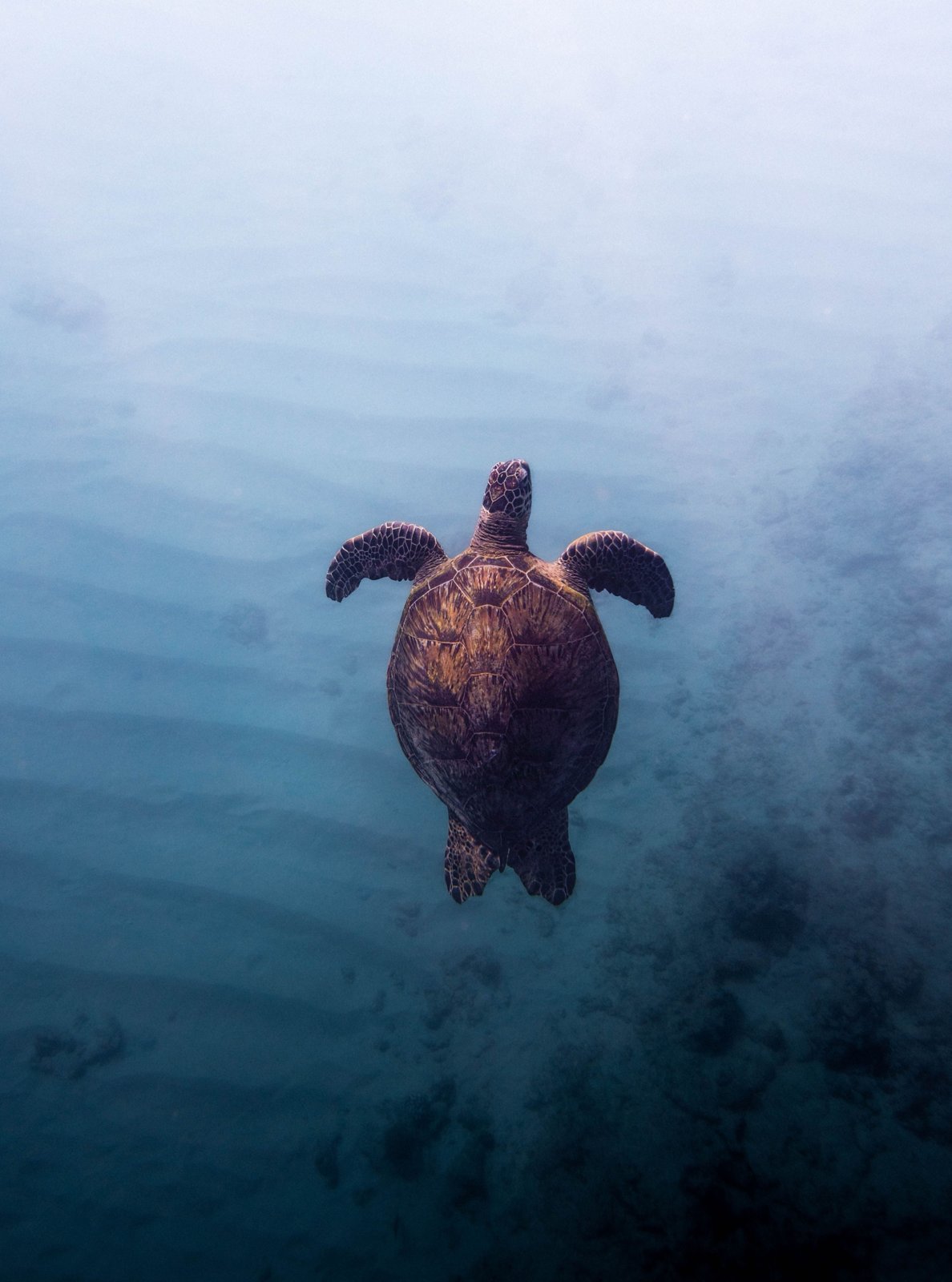
Honu are the turtles you are most likely to see, grazing on algae along rocky shores and resting on sand at beaches such as Laniakea on Oahu's North Shore and Punaluʻu on the Big Island. Once heavily hunted, they have made a strong comeback since protection began in the 1970s.
Almost all of Hawaii's green turtles nest far to the northwest, in the remote atolls of Papahānaumokuākea, and swim hundreds of miles back to the main islands to feed. Give them room: at least 10 feet, and never touch or block a turtle on the beach.
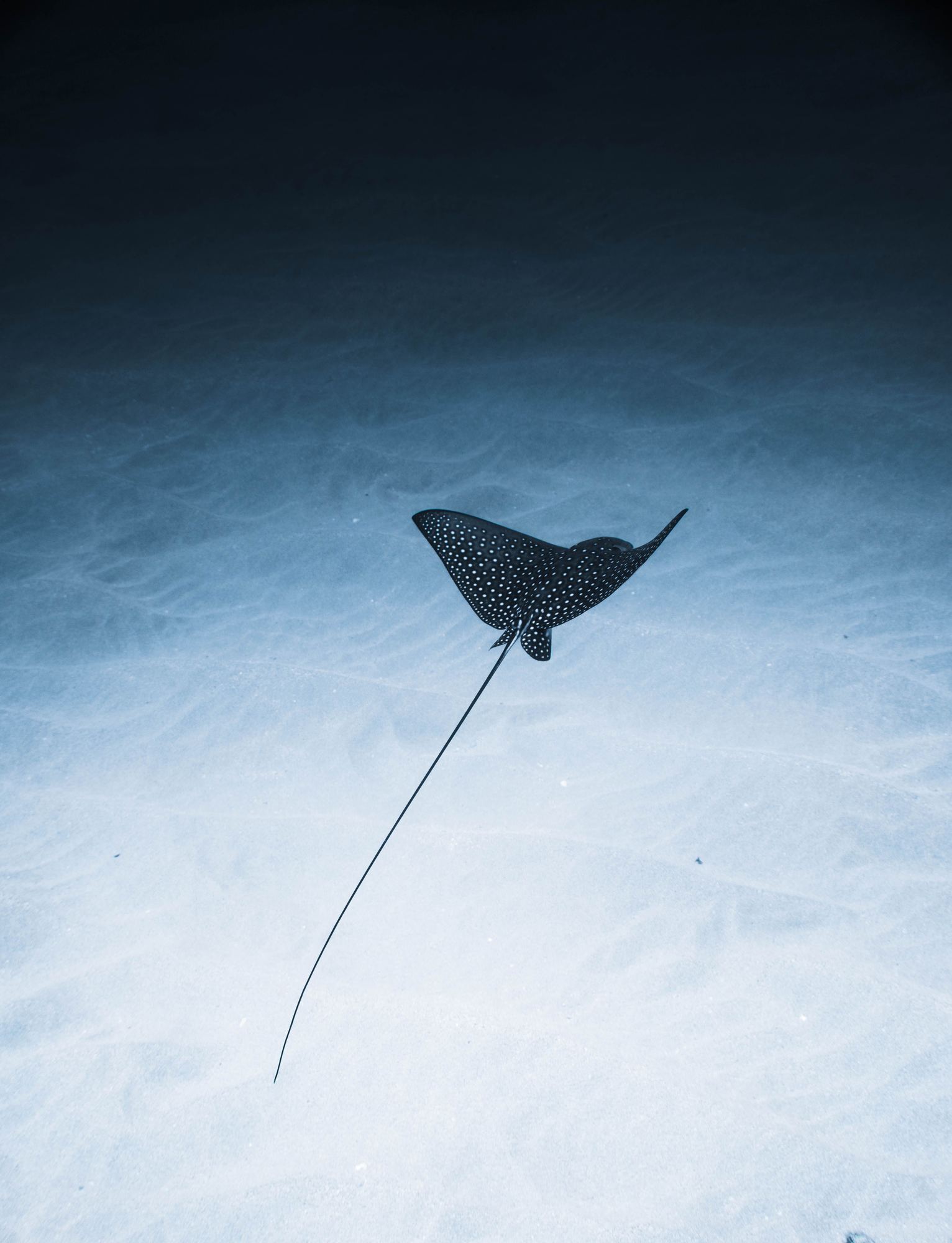
Spotted eagle raysFlying over the sand
With white spots on a dark back and a long whip of a tail, spotted eagle rays glide over sand flats and reef edges, often alone, sometimes in pairs or small groups. They dig for clams, crabs and snails with their flat snouts, and their wings can span more than two metres.
Snorkelers and divers meet them in calm bays across the islands. They are shy rather than dangerous: stay still, let them pass, and never chase. Their bigger, plankton-eating cousins, the manta rays, are the stars of the famous night snorkel off the Kona coast.
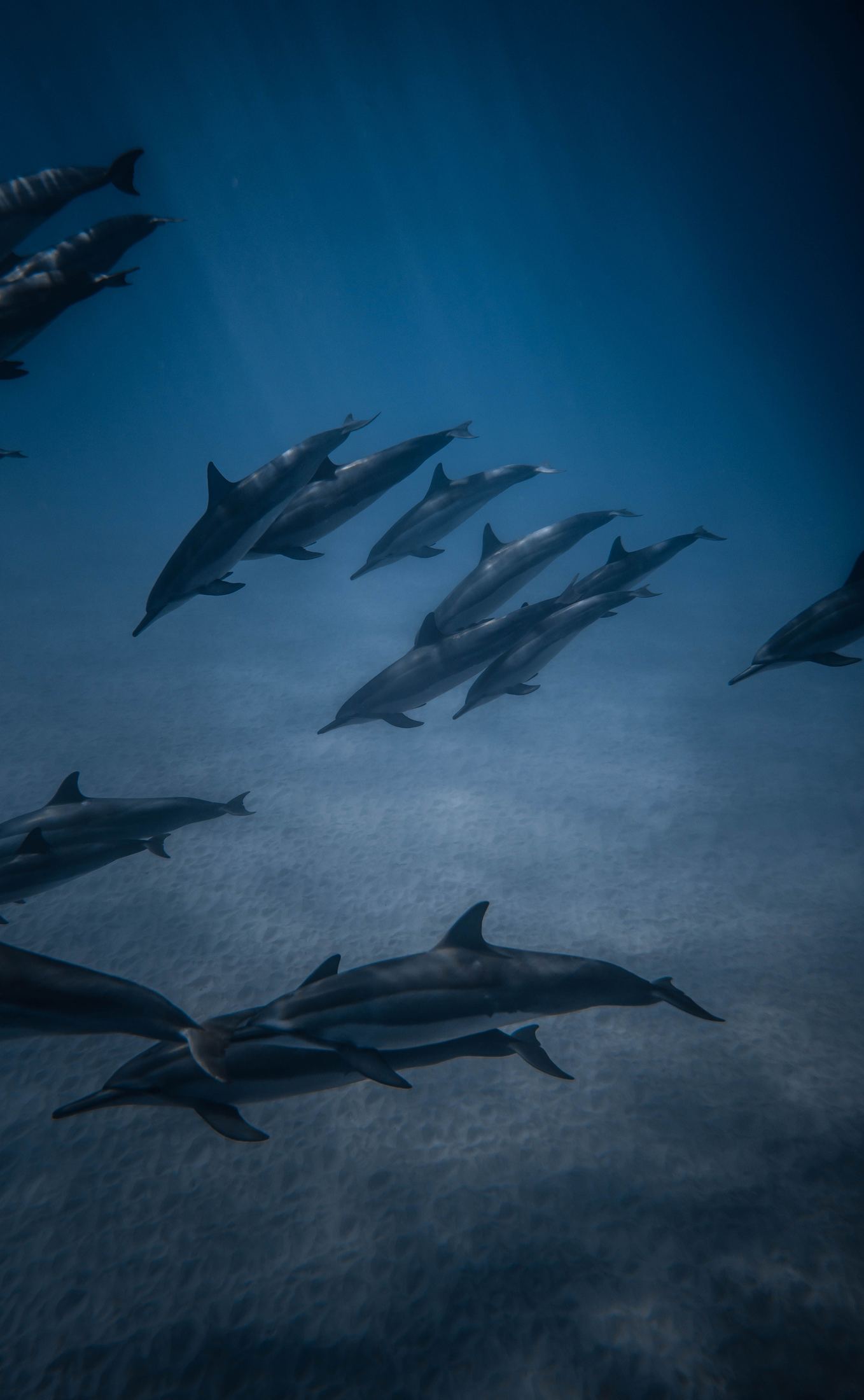
Our wildlife guides
for 2027
Three complete guides to Hawaii's most loved ocean animals: the sea turtles, the tiger sharks and the dolphins.
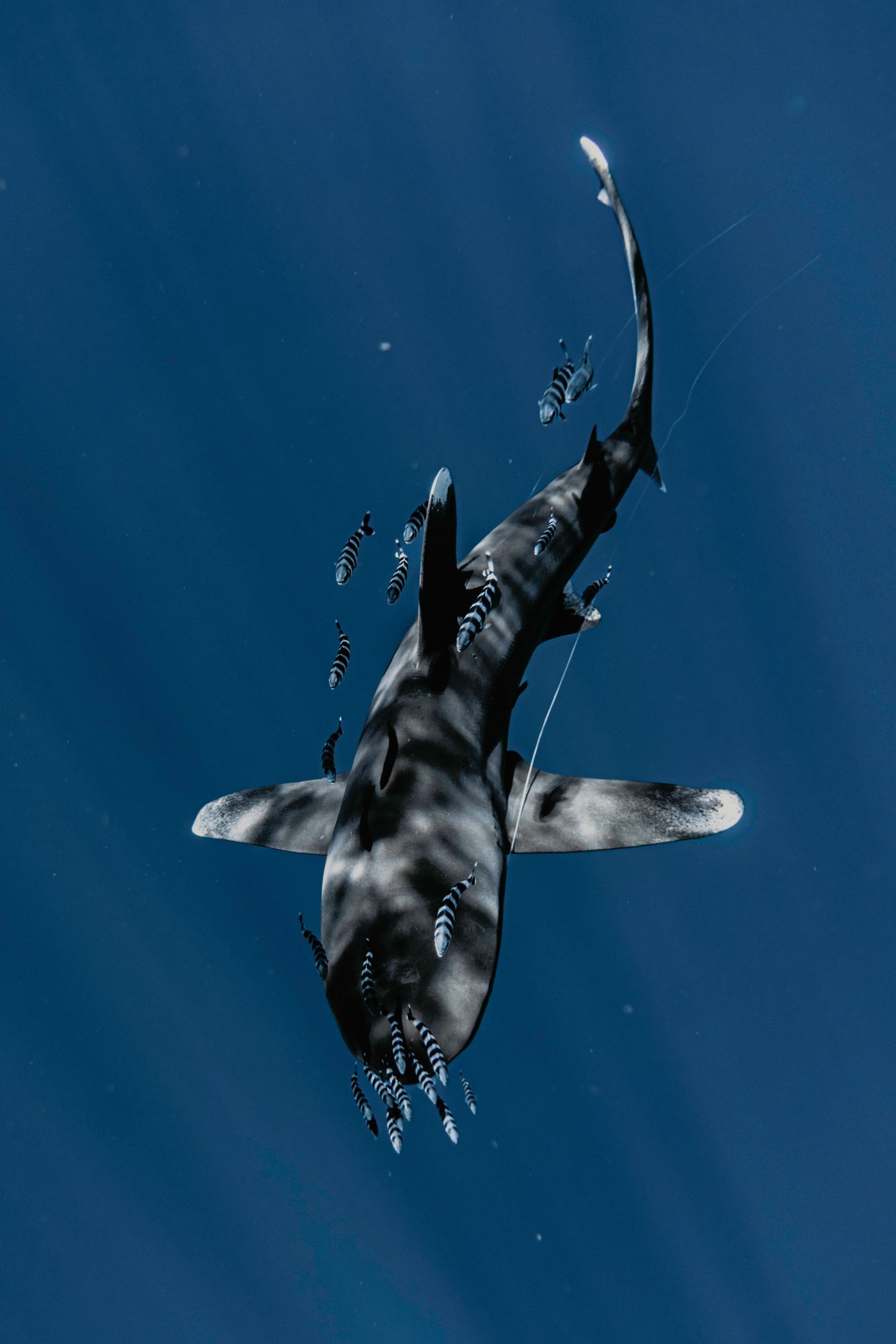
Oceanic whitetip sharksWanderers of the deep blue
Far from the reefs, in thousands of metres of open water, oceanic whitetips cruise with long, rounded, white-tipped fins and an escort of striped pilot fish. They are rarely seen from shore, but specialist offshore trips from the Kona coast regularly encounter them.
Once among the most common large animals on the planet, they have declined sharply because of fishing and are now listed as threatened. Seeing one in Hawaii is a reminder of how much depends on protecting the open ocean, not just the reef.
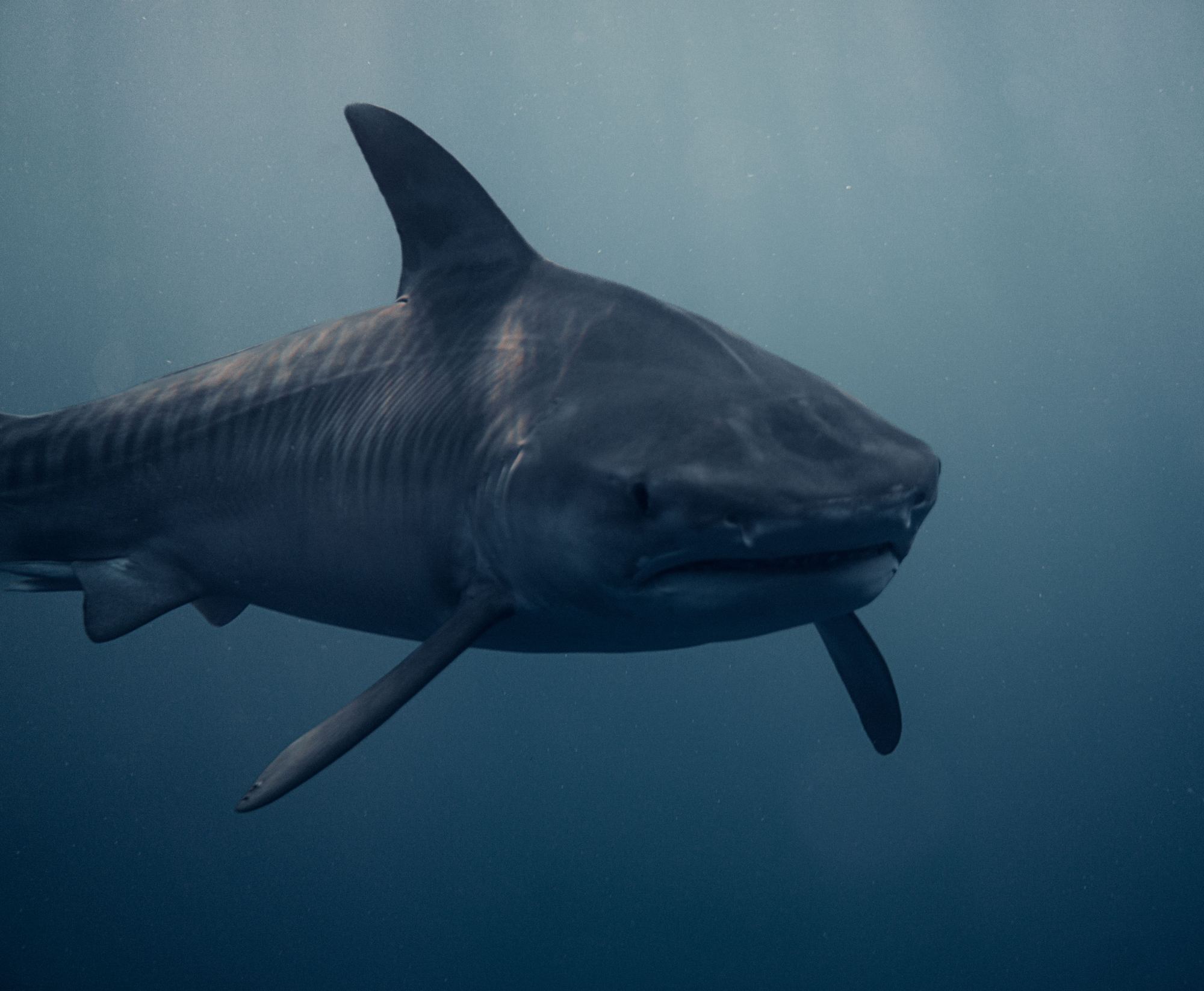
Tiger sharksThe islands' apex predator
Tiger sharks patrol Hawaiian waters all year, from deep channels to shallow reefs and harbours. They eat almost anything, from fish and seabirds to turtles, and they play a key role in keeping the reef system in balance.
Encounters with people are rare: Hawaii records only a handful of shark bites a year among millions of ocean visits. Lower the odds further by avoiding murky water, river mouths and dawn or dusk swims, especially in autumn, when more tiger sharks visit the main islands.

Hawaiian monk sealsThe dog that runs in rough water
Found nowhere else on Earth, the Hawaiian monk seal is one of the rarest seals in the world. Its Hawaiian name, ʻīlioholoikauaua, means "the dog that runs in rough water". Seals spend days at sea hunting fish, octopus and lobster on the reef, then haul out on quiet beaches to sleep for hours.
Most live in the remote Northwestern Hawaiian Islands, but a growing number now rest on the beaches of Kauaʻi, Oʻahu and Molokaʻi. If you find one asleep on the sand, it is not stranded. Keep well back, never touch or feed it, and give mothers with pups even more room. Monk seals are protected by federal and state law.

Manta raysBallet in the dark
Reef manta rays live year-round along the Kona coast of the Big Island, where locals know many of them by name. They feed on plankton, sweeping it into their wide mouths with slow, looping somersaults, and their wings can span four metres or more.
At night, lights shone from boats draw plankton up into a glowing column, and the mantas follow. The manta night snorkel off Kona is one of the great wildlife encounters on the planet. Mantas have no stinger and no teeth to fear: float at the surface, keep your hands to yourself and let them come to the light.

Whale sharksThe biggest fish in the sea
The largest fish on Earth is a gentle filter feeder, a spotted giant that cruises the open ocean straining plankton and small fish from the water. Whale sharks pass through Hawaiian waters every year, usually far offshore, and are seen only now and then by boats, divers and paddlers.
A sighting off the Kona coast or along Oʻahu is a once-in-a-lifetime moment, and it always makes the local news. If you are lucky enough to meet one, stay calm, keep a respectful distance from the head and tail, and let it set the pace.

Grey reef sharksGuardians of the outer reef
Sleek and bronze-grey with a dark band along the tail, grey reef sharks patrol steep reef walls and channels where the current runs strong. They hunt reef fish, squid and octopus, often in loose groups that hold their position in the flow.
Their stronghold is the remote Northwestern Hawaiian Islands, inside the Papahānaumokuākea Marine National Monument, where healthy reefs still support large numbers of sharks. Around the main islands they are uncommon. Like all sharks in Hawaii, they are respected as part of the reef, and in Hawaiian tradition some families honour sharks as ʻaumakua, ancestral guardians.

Coral reefsWhere it all begins
Every animal on this page depends on the reef. Hawaii's corals, finger coral, lobe coral and cauliflower coral among them, are tiny animals that build limestone skeletons over centuries, creating the shelter and food that feed the whole ocean around the islands.
Because Hawaii is so isolated, about a quarter of its reef fish live nowhere else. The reefs are also fragile: heat waves cause bleaching, and runoff and careless feet do lasting damage. Hawaii was the first state to ban sunscreens with oxybenzone and octinoxate. Wear mineral sunscreen or a rash guard, never stand on coral, and look without touching.
Corals are animals, not rocks or plants. Each head is a colony of thousands of tiny polyps, relatives of sea anemones, and each polyp lays down a cup of limestone beneath itself. Inside their tissue live microscopic algae that turn sunlight into food and give corals their colour. Most Hawaiian corals grow only about half an inch a year, so a big head of lobe coral the size of a car can be centuries old, and one careless kick can undo decades of growth.
Hawaiians have always understood their importance. In the Kumulipo, the ancient chant of creation, the first living thing to emerge from the darkness is the coral polyp, the koʻa. The same word is used for the stone shrines fishermen built along the shore. Today the reefs still feed families, shelter the coast from big surf and draw millions of snorkelers every year.
There are about 410,000 acres of living reef around the main islands, and far more in the remote atolls of Papahānaumokuākea to the northwest, one of the largest marine conservation areas on Earth at 582,570 square miles. The reefs also run deeper than anyone once thought: in Maui's ʻAuʻau Channel, a single deep reef covers more than three square miles at 160 to 300 feet, and more than four in ten of the fish species down there are found only in Hawaii.
A healthy reef is a busy neighbourhood. Yellow tangs and surgeonfish graze the algae, parrotfish, the uhu, scrape the rock clean and grind it into the white sand you lie on, moray eels and octopus hide in the cracks, and green sea turtles drift in to be cleaned by reef fish. Take away the grazers and seaweed smothers the coral, which is why fishing rules and marine reserves matter so much.
The biggest threat is heat. In 2015 the water off the Big Island's Kona coast ran about 2.5°C above normal and roughly half of the region's coral cover was lost. Reefs with clean water and plenty of fish recover best, and that is where visitors can help: the state protects its finest reefs in eleven Marine Life Conservation Districts, from Hanauma Bay on Oʻahu, the first in 1967, to Molokini off Maui and Kealakekua Bay on the Big Island.
If you want to see them at their best, go early, when the water is calm and clear, choose a protected bay, float rather than stand, and keep your distance from turtles. Our full Coral Reefs guide covers the reef builders, the 2015 bleaching, the vast Papahānaumokuākea reserve and how to snorkel reef-safe.


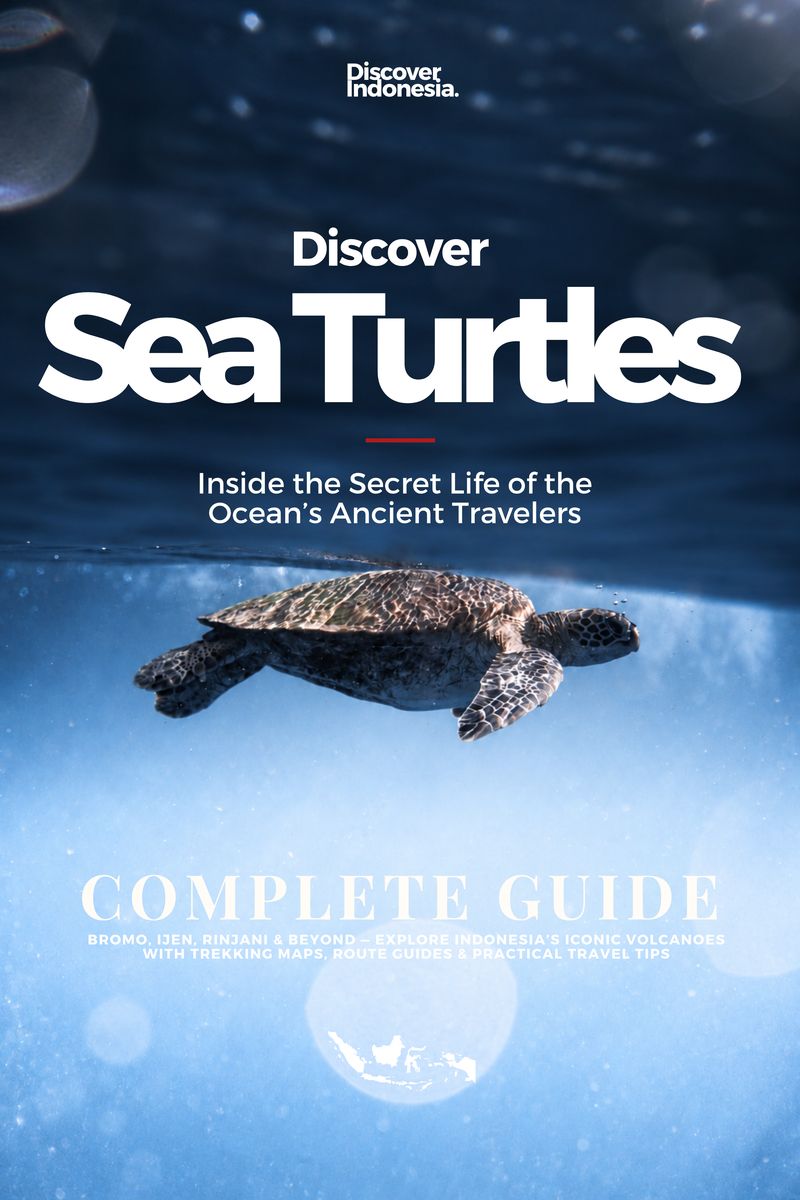
Discover Hawaii.Sea Turtles
Inside the secret life of the ocean's ancient travelers
The first book in our wildlife series follows the sea turtles of Hawaii: the honu that graze the reefs and bask on the beaches, the rare hawksbill, the long journeys to the nesting grounds of the northwest islands, and where and how to see them without disturbing them.
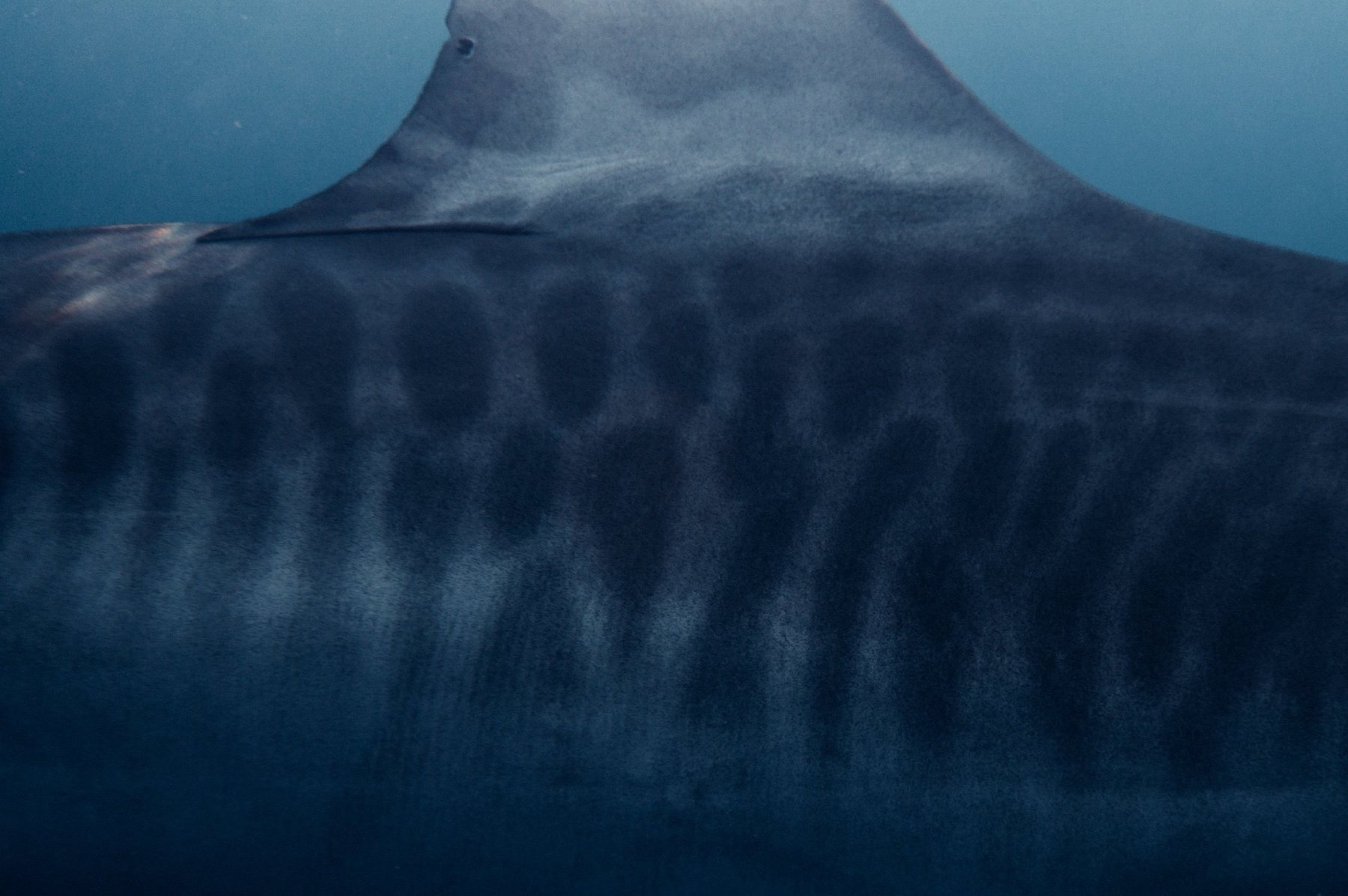
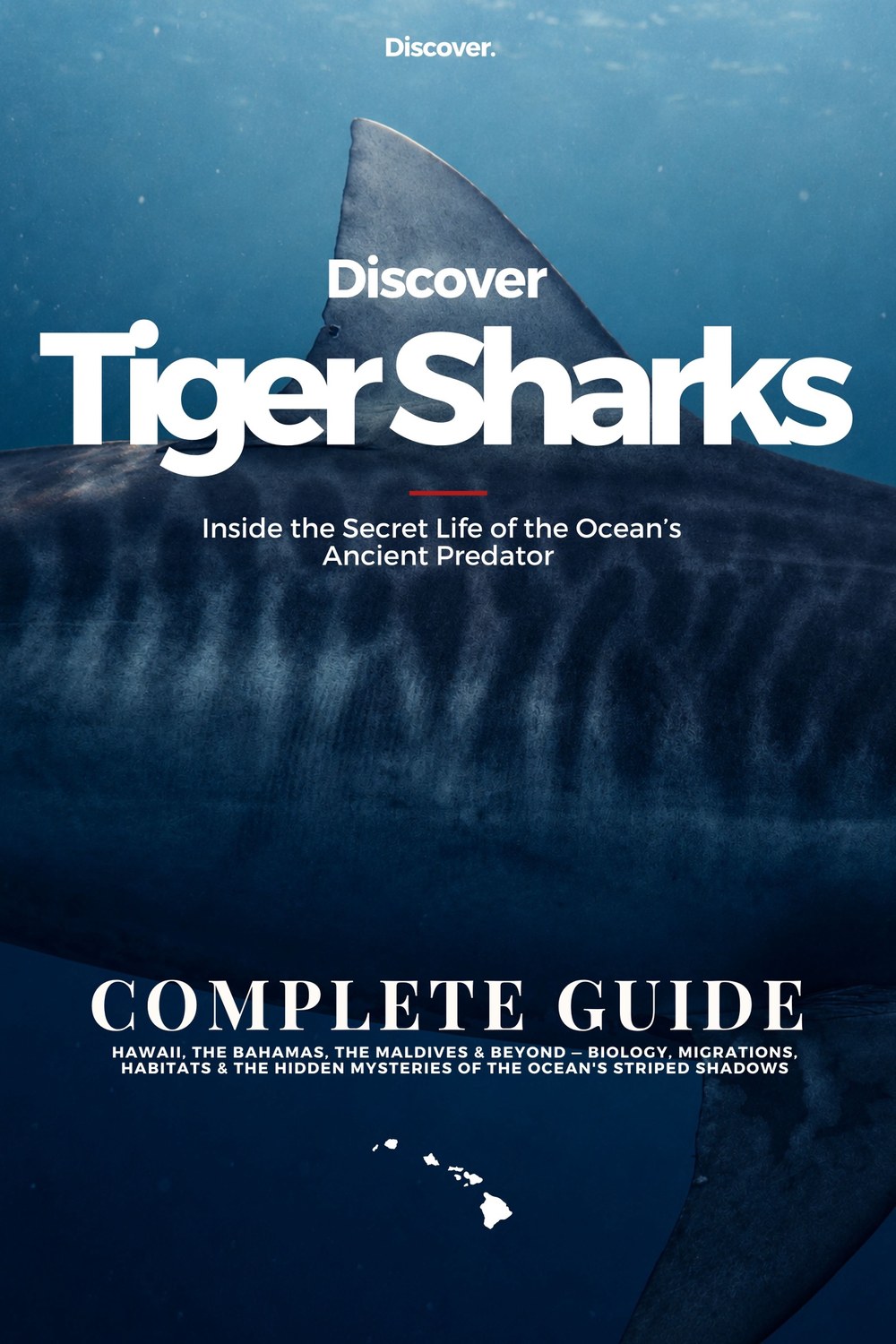
Discover Hawaii.Tiger Sharks
Inside the secret life of the ocean's ancient predator
Named for the dark stripes that fade as they grow, tiger sharks roam tropical seas around the world, and Hawaii's waters year-round. The second book in our wildlife series gets close to one of the ocean's most misunderstood hunters: how they live, travel and hunt, and how to share the water with them safely.
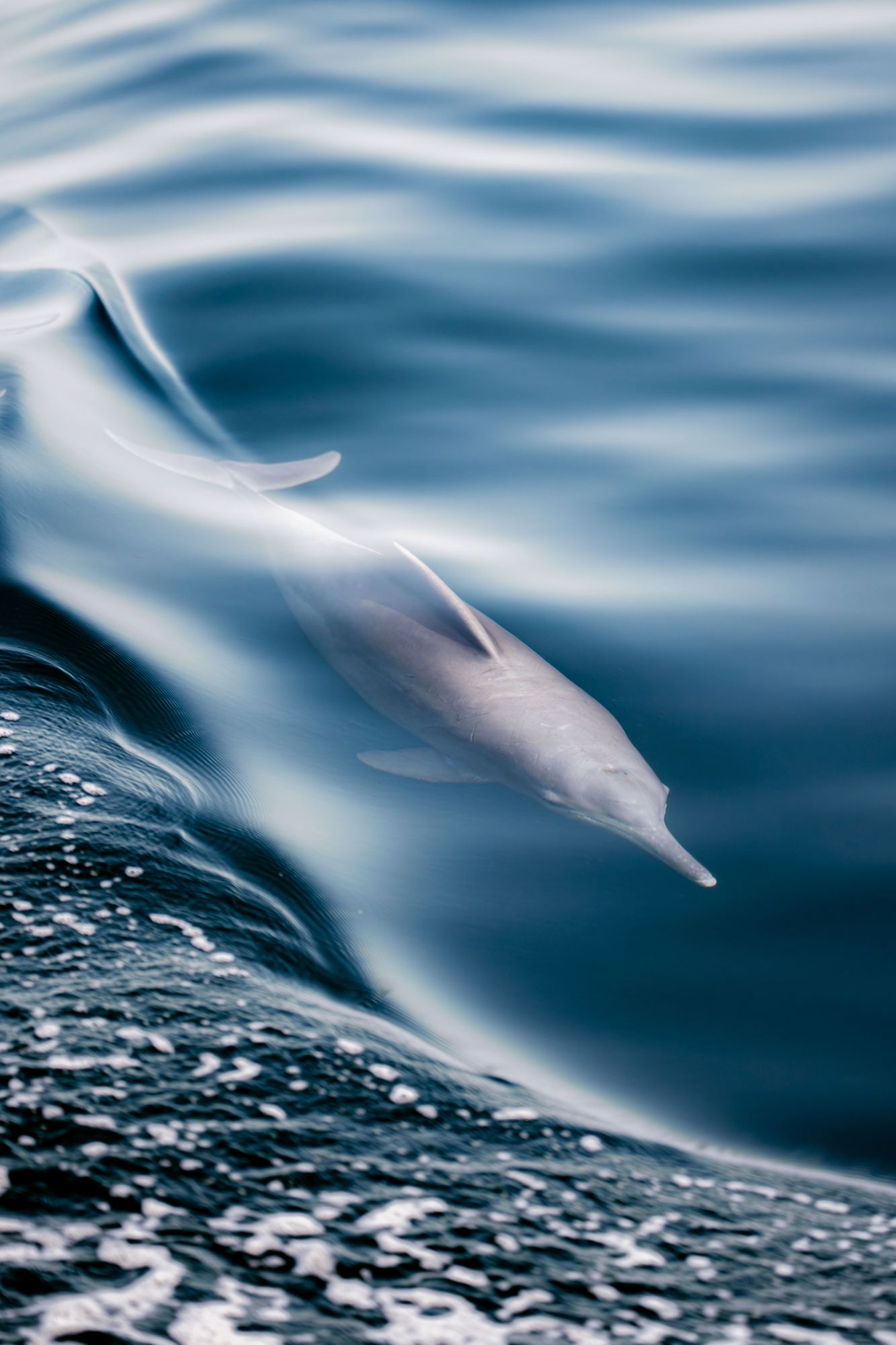
Discover Hawaii.Dolphins
Inside the secret life of the ocean's brightest minds
Hawaii, the Azores, the Maldives and beyond: the species, the intelligence, the family life, and where to see the ocean's smartest mammal in the wild, responsibly.