Jet-black sand, palms, cold springs and green sea turtles asleep on the shore. Punaluʻu is the Big Island's most famous black-sand beach, and in late 2026 its future is being decided. Here is what to know before you go.
Turtles on black sand
Late afternoon on the Kaʻū coast, and the wind has dropped. At the edge of the water, three green sea turtles have hauled themselves up onto sand as black as coal, their shells drying to a dusty olive. A child crouches a respectful distance away, whispering. Behind them, coconut palms lean over a cold, glassy pond.
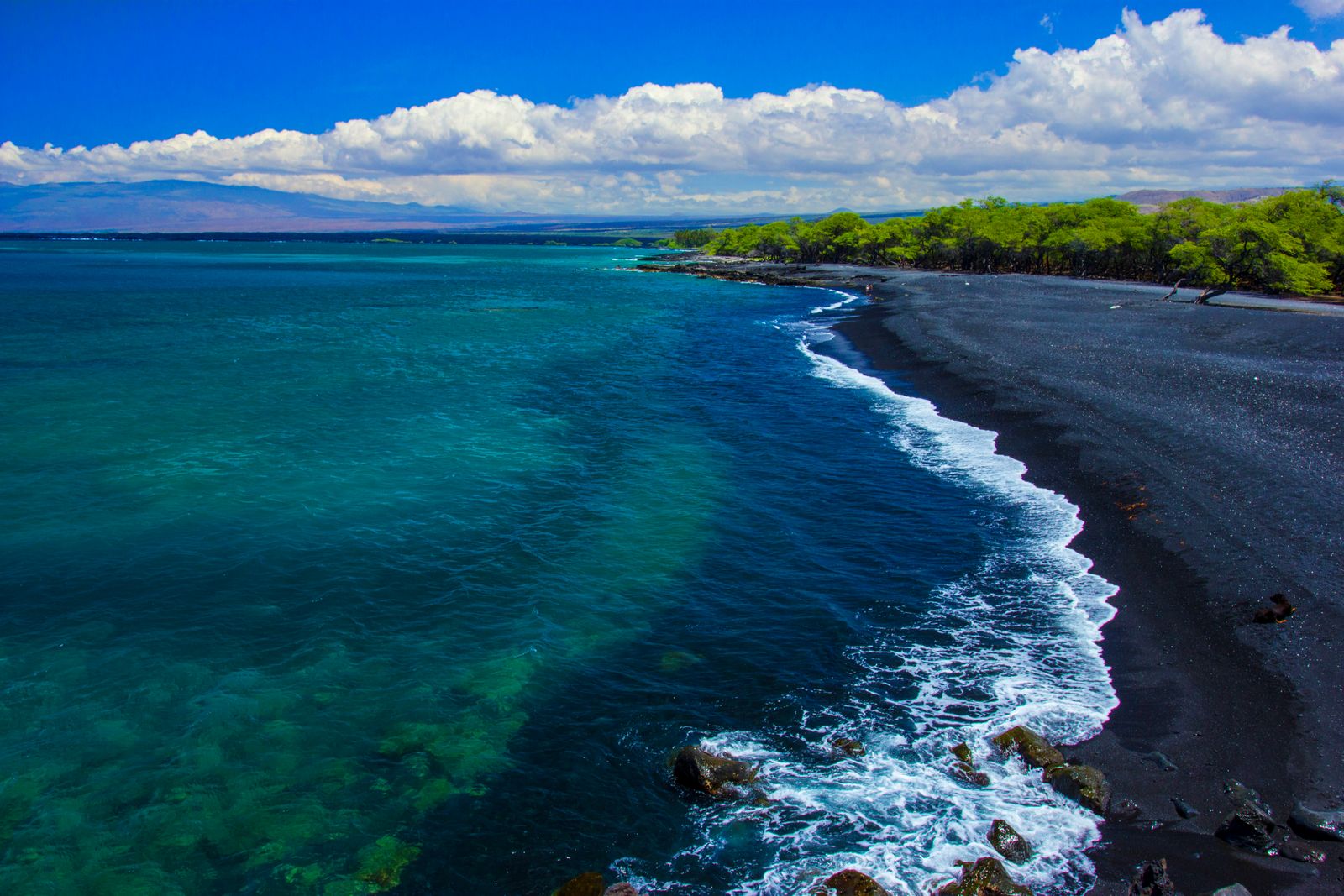
This is Punaluʻu, the best-known black-sand beach on Hawaiʻi Island, and one of the most reliable places in the state to see honu resting on shore. It sits on the quiet southern road between Hilo and Kona, and for most travellers it is the natural stop on the way to or from Hawaiʻi Volcanoes National Park.
How black sand is made
The sand at Punaluʻu is basalt. When molten lava pours into the sea it cools so fast that it shatters, and waves grind the glassy fragments into grains. Over time the surf sorts and polishes them into the soft, dark sand you walk on today.
That means a black-sand beach is not permanent. Without fresh lava, waves slowly carry the sand away, and each grain taken home is one that will not be replaced. It is why taking sand is not just bad manners: Hawaiʻi law (HRS 205A-44) prohibits taking sand, rocks and other beach deposits from the shoreline, apart from what clings to you by accident. Leave every pebble where it is, including the ones that look like souvenirs.
Notice too the patches of cold, shimmering water near the shore. Punaluʻu sits over a big system of underground freshwater springs, which make the bay noticeably colder than you might expect and give the water an oily look where fresh and salt water mix.
Honu and hawksbills: give them space
Green sea turtles (honu) feed on seaweed in the shallow bay and come ashore to rest and warm up. They are protected under state and federal law. NOAA Fisheries asks visitors to stay at least 3 metres (10 ft) away on land and in the water, and many local volunteers and signs at Punaluʻu ask for more.
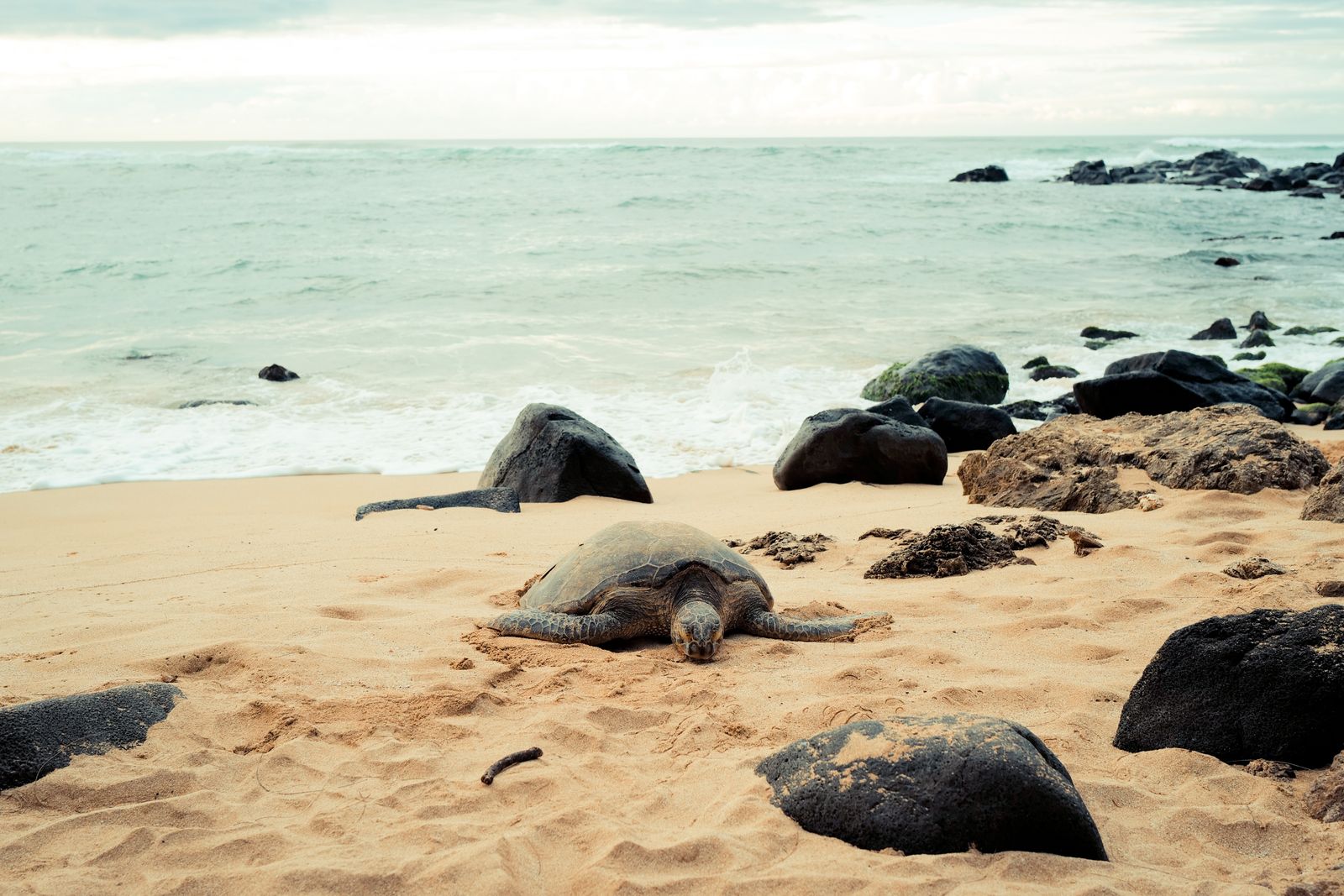
- Never touch, ride, feed or block a turtle: and do not stand between a turtle and the sea.
- No flash and no drones: keep photos quiet and quick.
- Watch your step: this coast is also used by the endangered hawksbill turtle (honu ʻea), one of the rarest sea turtles in the Pacific, which nests on Kaʻū beaches. Keep to clear sand and away from any marked nest areas.
- Report harassment: to the DLNR hotline on (808) 643-DLNR (3567).
For other good, responsible turtle spots, see where to see sea turtles in Hawaii.
Access and facilities as of October 2026
For more than 70 years, Hawaiʻi County ran Punaluʻu Black Sand Beach Park on leased private land, providing parking, restrooms, a pavilion and the campground. That lease ended on 29 August 2026 after talks with the landowner failed, and county services stopped.
On 13 October 2026 the county announced a tentative agreement to buy the 6.8-acre (2.75-hectare) park for $1.46 million through its open-space preservation programme, so that it stays public for good. The mayor said completing the purchase could take around six months. Until then the county says the park remains closed, unless a temporary lease is agreed first.
- The shoreline: October 2026 reports said the shoreline itself was still reachable, but do not count on the usual parking, restrooms, showers or camping.
- Check first: look for updates from the County of Hawaiʻi before you drive down, and park only where it is clearly allowed.
- Bring what you need: water, food and a bag for your rubbish. Facilities on this coast are few and far between.
The fight over Punaluʻu is not new. A golf course was built here around 1970, and later resort and housing schemes met strong opposition from Kaʻū residents, who see the beach and the nearby heiau as part of their heritage.
A place with deep roots
Punaluʻu lies in Kaʻū, the largest and one of the most rural districts on Hawaiʻi Island, a land of lava fields, cattle pasture, macadamia orchards and small towns. People lived on this coast long before visitors came for photographs. The freshwater springs that bubble up in the bay made it a good place to settle, and the name is often translated as diving spring.
The remains of that past are still around you. Petroglyphs have been recorded near the old park pavilions, and the nearby Lanipau heiau complex was badly damaged when the golf course was built. For many Kaʻū families, protecting the beach is about protecting those sites and their own connection to the place, not only the view.
- Look but do not touch: do not walk on or move stones at any rock walls, platforms or petroglyphs.
- Leave offerings alone: if you see leaves or stones placed deliberately, do not disturb or photograph them closely.
- Keep it quiet: this is a community beach first, where local families gather at weekends.
Our guide to visiting Hawaii respectfully covers the wider etiquette.
Swimming cautions
Punaluʻu is a beach for looking, walking and photographing more than swimming. The entry is rocky, the spring water is cold, and the bay opens straight onto the exposed south coast, where currents can be strong and the surf rises quickly. With county services suspended, do not expect a lifeguard.
If you do get in, stay in the inner bay on a calm day, keep clear of the turtles, and never swim alone. Water shoes help on the lava. For how to read conditions anywhere in the islands, see our Hawaii ocean safety guide.
Barefoot walking has its own hazard: dark sand soaks up the sun and can get uncomfortably hot by early afternoon, so bring sandals for children. Keep an eye on the tide line too, as an occasional larger set can wash well up the beach without warning.
Getting there
Punaluʻu is just off Highway 11 (the Hawaiʻi Belt Road), reached by the Nīnole Loop Road. From Hilo it takes about 1 hour 15 minutes via Volcano village, and from Kailua-Kona around 2 hours via Nāʻālehu. There is no public transport worth relying on, so you will need a car.
Fill up with fuel and buy snacks in Hilo, Volcano or Kona before you go. Services along the Kaʻū stretch of Highway 11 are limited, and with the park closed you cannot rely on restrooms at the beach. If you are planning a full island loop, our things to do on the Big Island guide shows how Punaluʻu fits between Kona and Hilo.
Best time and how to combine it
Turtles tend to haul out from late morning through the afternoon, and the light is best in the late afternoon, when the black sand and green palms glow against the sea. Punaluʻu is about 45 minutes' drive south-west of the Kīlauea Visitor Center on Highway 11, so it pairs neatly with a day in Hawaiʻi Volcanoes National Park, where entry is $30 per private vehicle as of October 2026.
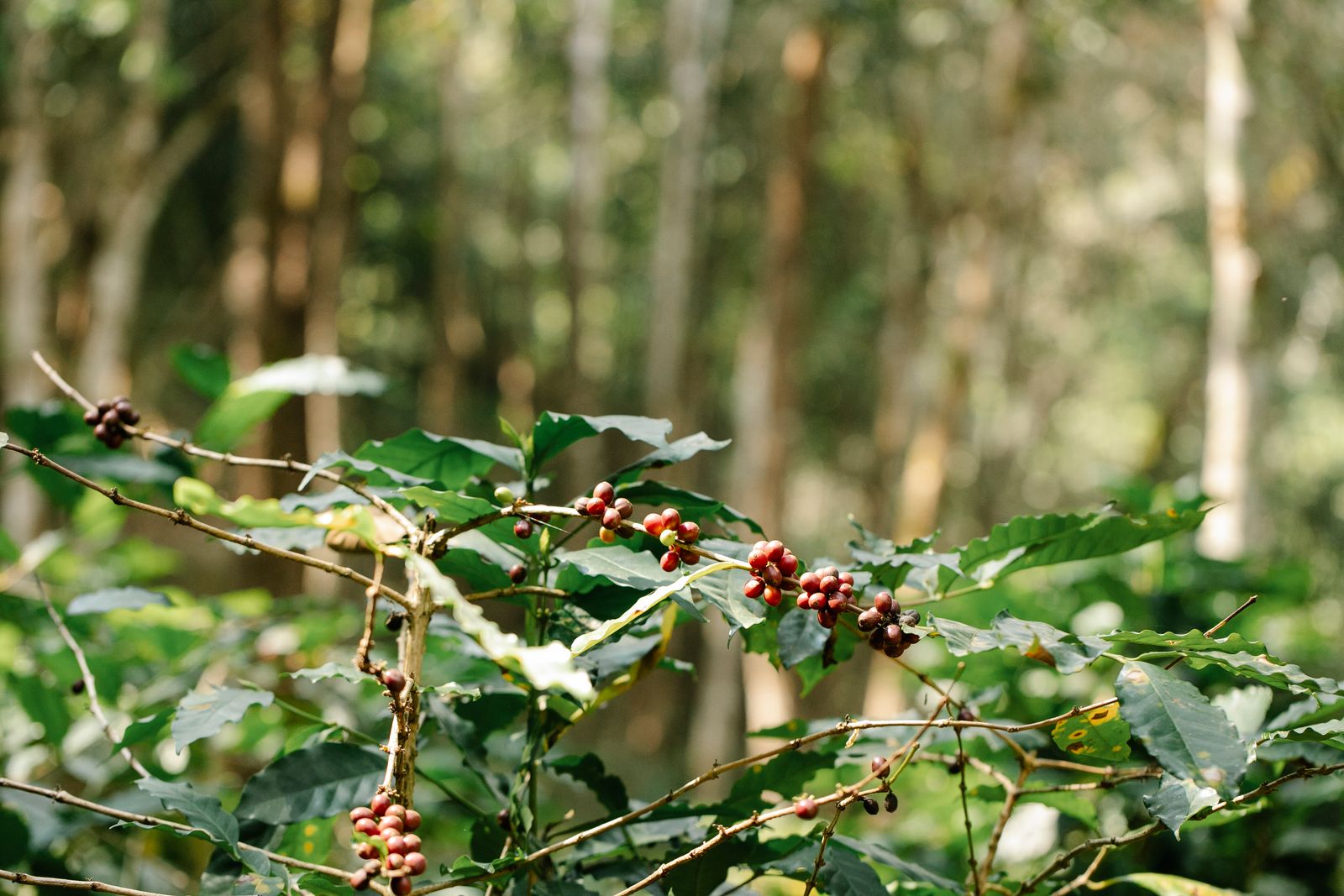
- Kaʻū coffee: farms around Pāhala grow a prize-winning coffee; compare it with Kona using our Kona coffee farms guide.
- Nāʻālehu: the southernmost town in the United States, for a bakery stop.
- Ka Lae and the green sand: continue west to South Point and Papakōlea Green Sand Beach.
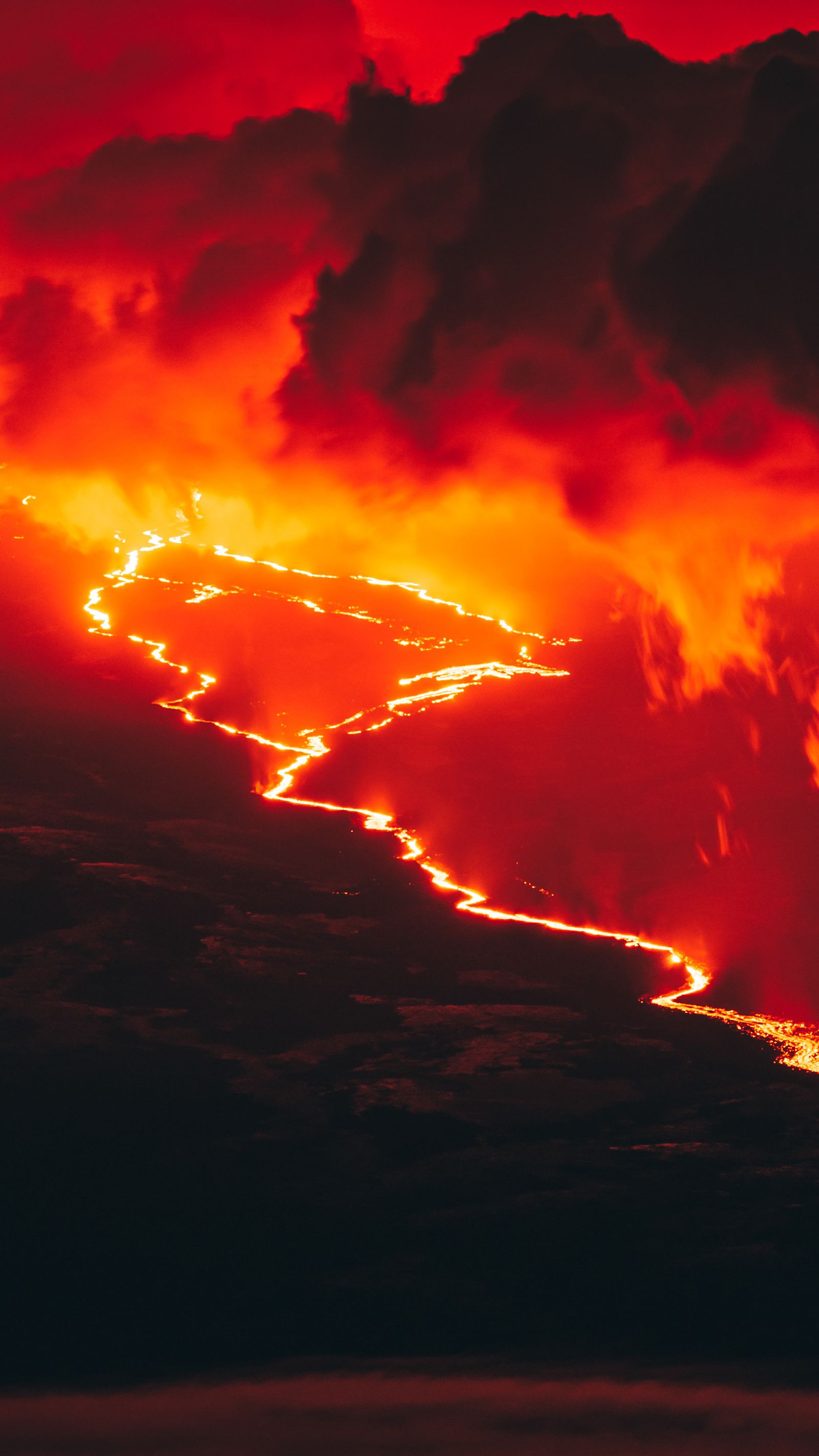
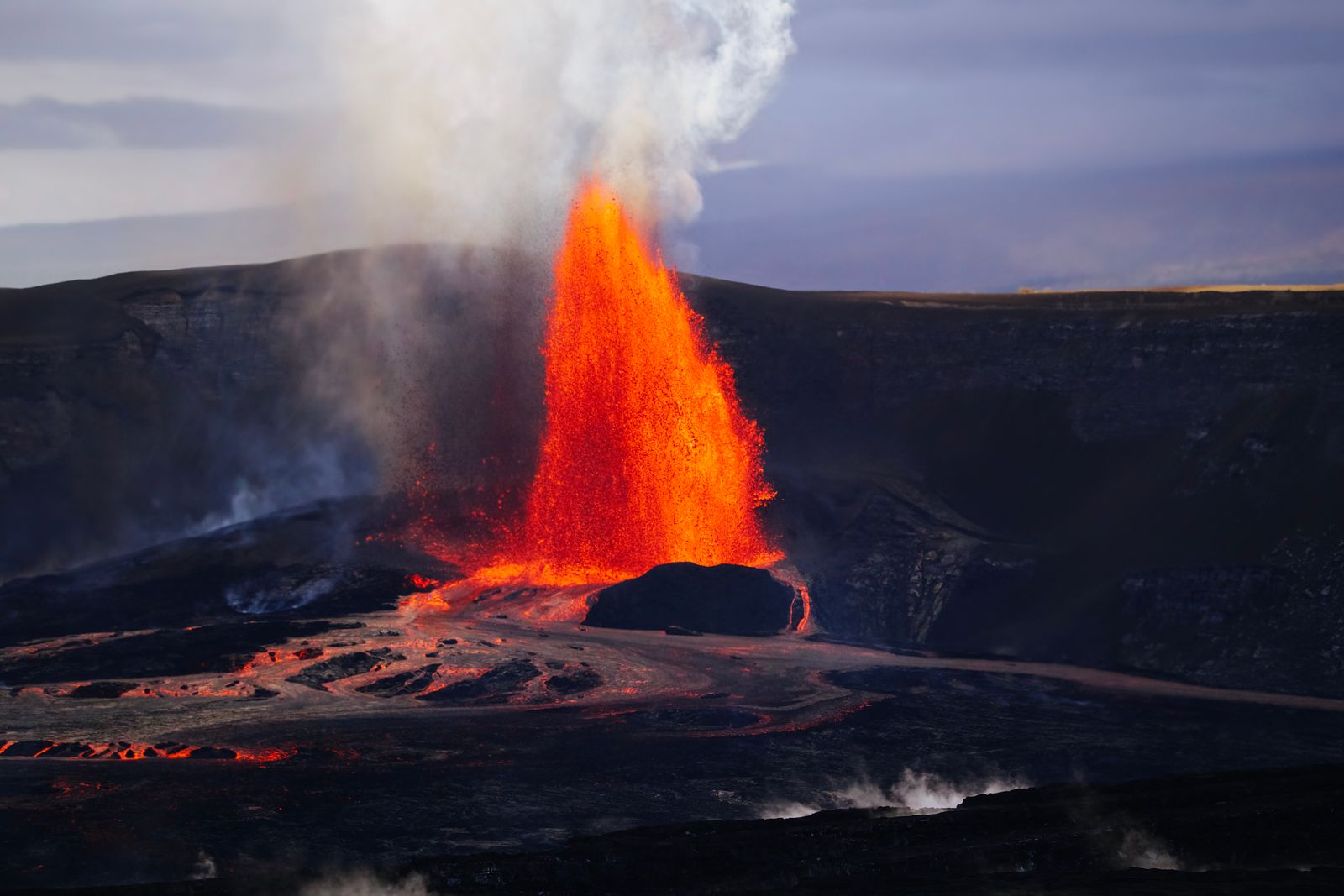
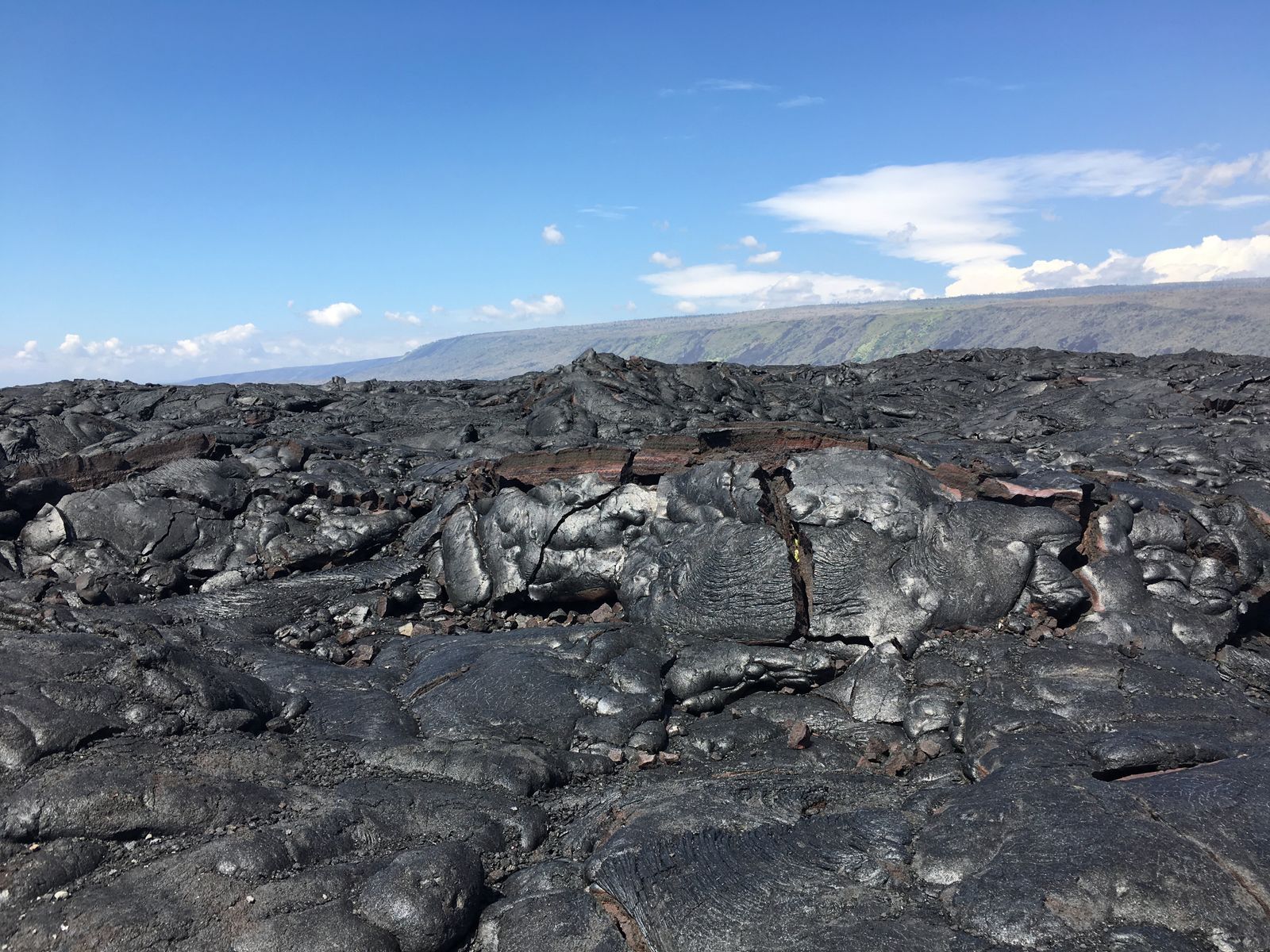
How Kīlauea and Mauna Loa built this coast, and keep reshaping it, is the subject of our Hawaiʻi volcanoes guide.
Quick answers
Is Punaluu Black Sand Beach open?
As of October 2026 the county park is closed after its lease ended on 29 August 2026, and the county has a tentative deal to buy it. Reports said the shoreline was still reachable, but parking and facilities were not operating. Check County of Hawaiʻi updates before you go.
Are there always turtles at Punaluu Beach?
Not always, but green sea turtles are seen there on most days, often resting on the sand from late morning to late afternoon. Stay at least 3 metres (10 ft) away.
Can you take black sand from Punaluu?
No. Hawaiʻi law prohibits taking sand, rocks and other deposits from the shoreline, and black sand beaches lose sand that is not replaced. Leave it all where it is.
Can you swim at Punaluu Black Sand Beach?
It is possible on calm days in the inner bay, but the entry is rocky, the spring-fed water is cold and currents can be strong. Do not count on a lifeguard, and never swim alone.
How far is Punaluu from Volcanoes National Park?
About 45 minutes' drive south-west of the Kīlauea Visitor Center on Highway 11, which makes it an easy stop on the same day.
Facts checked October 2026. Reservations, fees, opening hours and trail or road closures change often in Hawaii, so confirm with the official source before you go.
- Aloha State Daily: Hawaiʻi County to buy Punaluʻu Black Sand Beach Park
- Hawaii News Now: County reaches tentative deal to preserve Punaluʻu
- Beat of Hawaii: Punaluʻu saved, the park remains closed
- NOAA Fisheries: Viewing marine wildlife in Hawaiʻi
- Hawaiʻi Revised Statutes 205A-44: Prohibitions
- Wikipedia: Punaluʻu Beach
- NPS: Hawaiʻi Volcanoes entrance fees