Surfing was born in Hawaii. Chiefs rode wooden boards here long before the first Europeans arrived, and the islands still have every kind of wave: gentle rollers where children take their first lesson, and reef breaks that only a few hundred people on Earth can ride. These maps show 32 breaks on Oʻahu, Kauaʻi and Maui, colour-coded by level, so you know which is which.
When is the surf season in Hawaii?
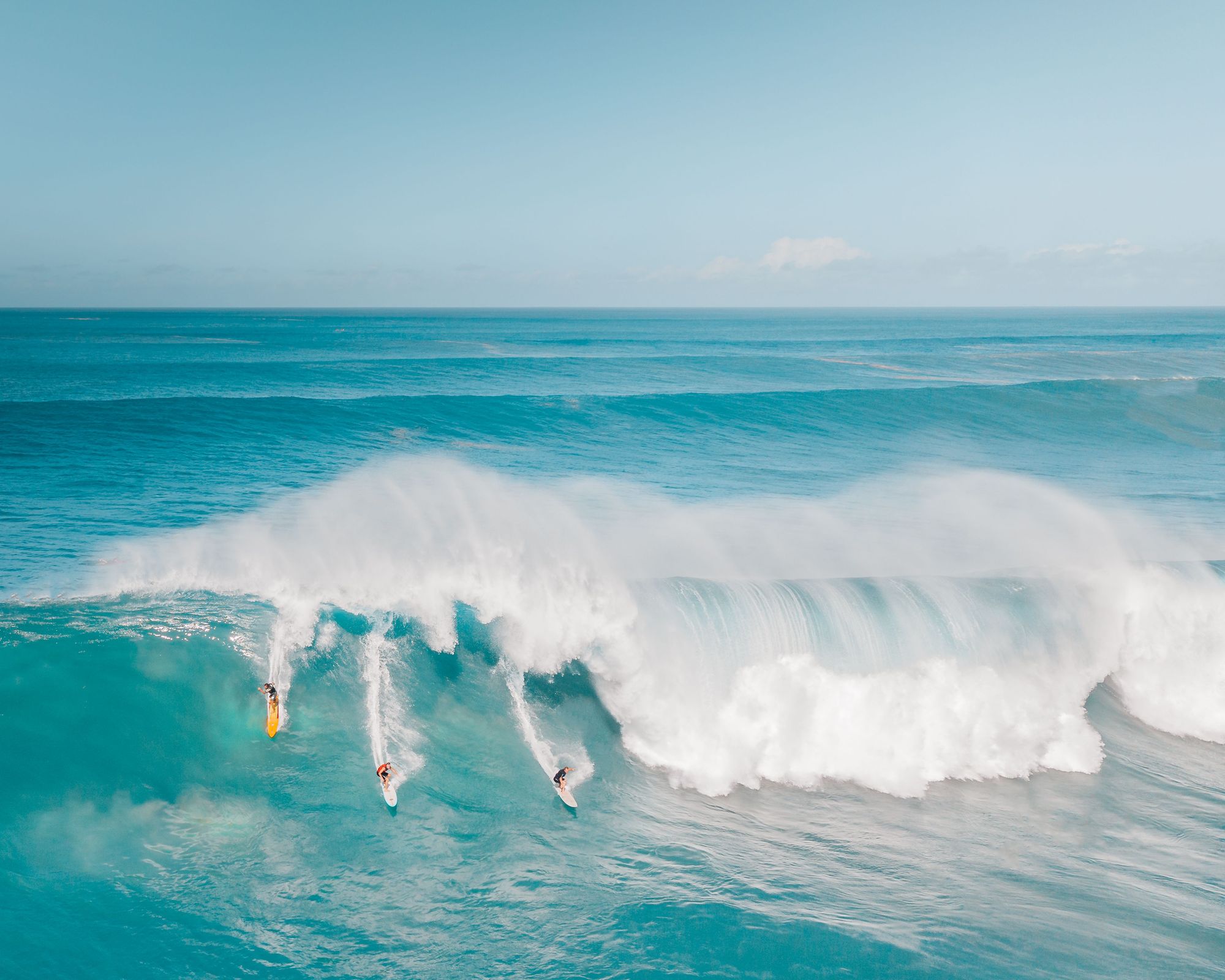
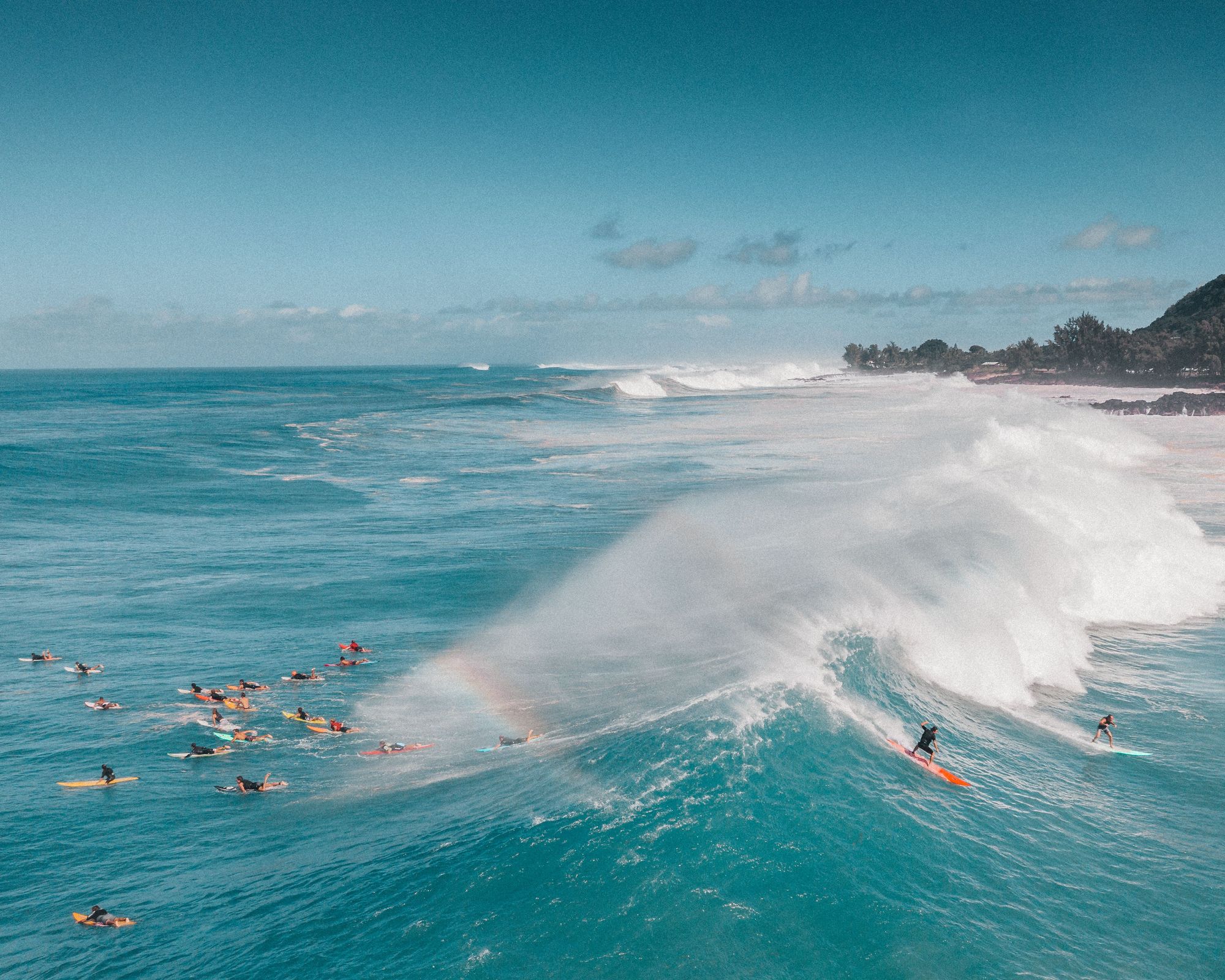
Hawaii has surf all year; it just moves around the islands. From about October to April, winter storms in the North Pacific send big swells onto the north and west shores, and Oʻahu's North Shore turns into the most famous surf coast in the world. From about May to September, swells from the Southern Hemisphere wrap into the south shores: Waikīkī, Poʻipū and the Lahaina and Kīhei coasts. In summer the north shores are often flat and calm enough to swim; in winter the south shores are usually small and friendly.
That simple rule decides almost everything. A beginner in January should head south; an expert in July will mostly find small waves. On the maps below, green breaks suit beginners, orange ones intermediate surfers, and red ones experts only.
Where to surf on Oʻahu
Oʻahu has the widest range. The North Shore between Haleʻiwa and Sunset Beach is a seven-mile stretch of world-class reef breaks that come alive in winter. The south shore around Waikīkī has the gentle summer waves where modern surfing was revived in the early 1900s.
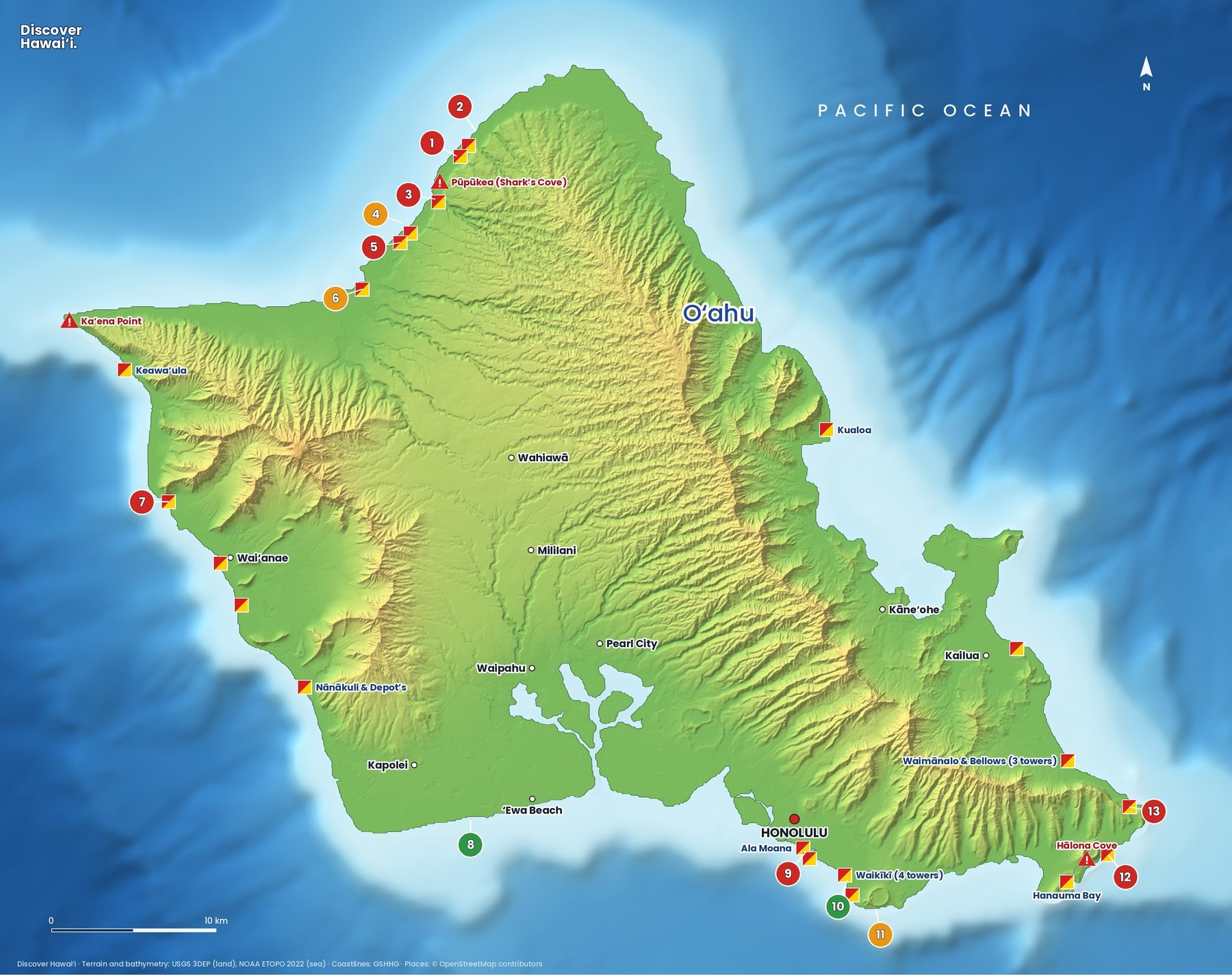
- Banzai PipelineExpertsWinter (Oct–Apr) The world-famous barrel over shallow reef.
- Sunset BeachExpertsWinter A big, shifting North Shore peak.
- Waimea BayExpertsWinter Giant big-wave days only; home of the Eddie Aikau contest.
- Chun's ReefIntermediateWinter A friendlier North Shore reef break.
- LaniākeaExpertsWinter A long right point; turtles rest on the beach.
- HaleʻiwaIntermediateWinter Gets heavy in big swells.
- MākahaExpertsWinter A legendary big point break with strong backwash.
- White Plains (ʻEwa)BeginnerSummer (May–Sep) Gentle south-shore waves.
- Ala Moana BowlsExpertsSummer A fast left by the harbour channel.
- Waikīkī: Queens & CanoesBeginnerSummer Long, gentle waves; surf lessons.
- Diamond Head (Cliffs)IntermediateSummer Reef breaks below the crater.
- Sandy BeachExpertsYear-round Violent shorebreak; many neck injuries.
- MakapuʻuExpertsWinter A bodysurfing beach, powerful in winter.
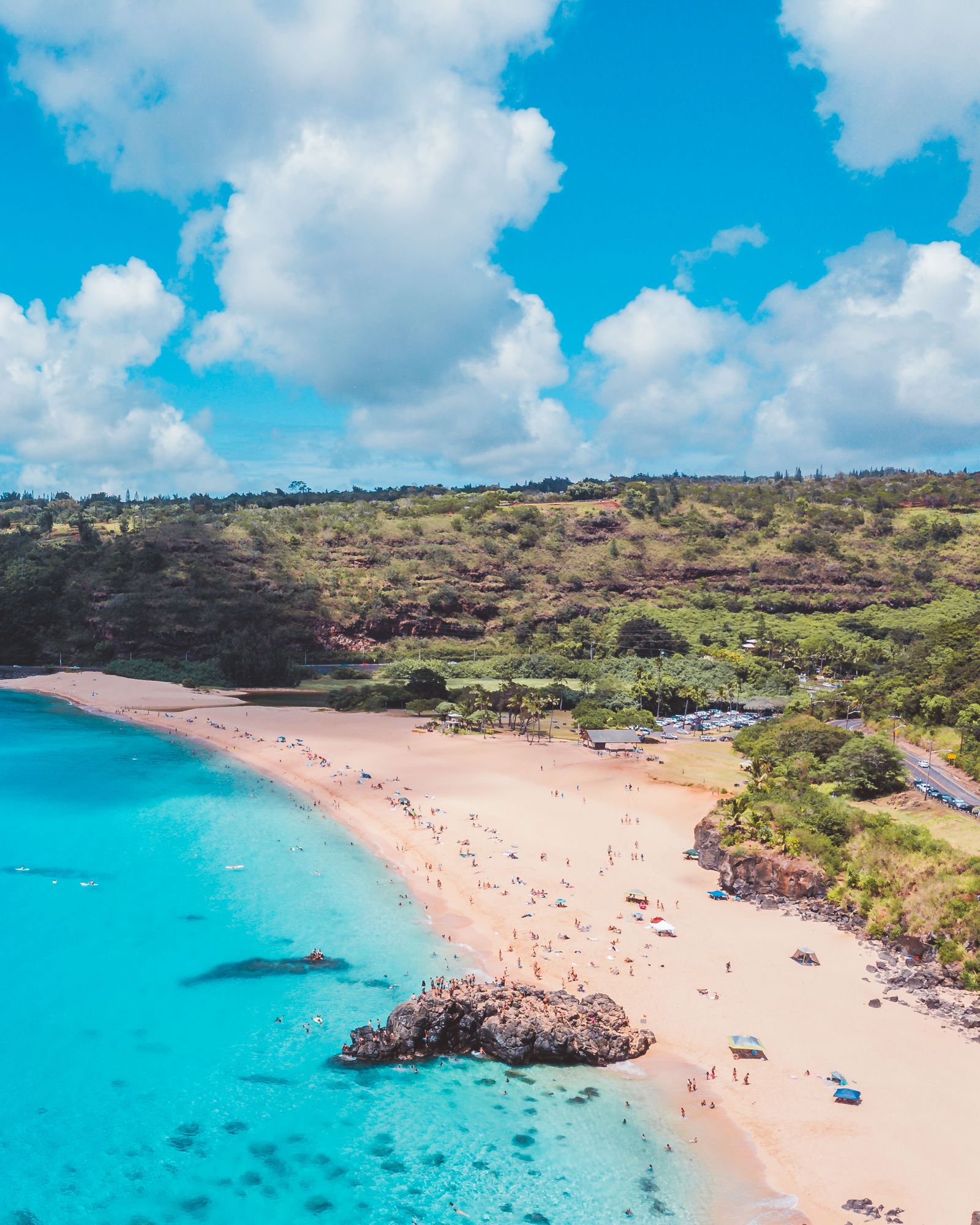
Watching is half the fun. On a big winter day, the beach at Pipeline (1) is the best free show in Hawaii, and when Waimea Bay (3) breaks at full size, cars line the road for miles. Just stay on the sand: these waves break on shallow reef with enormous force, and even the shorebreak can knock grown adults off their feet.
Where to surf on Kauaʻi
Kauaʻi's north shore, around Hanalei Bay, works in winter, and the south shore around Poʻipū works in summer. The east coast near Kapaʻa picks up trade-wind swell most of the year.
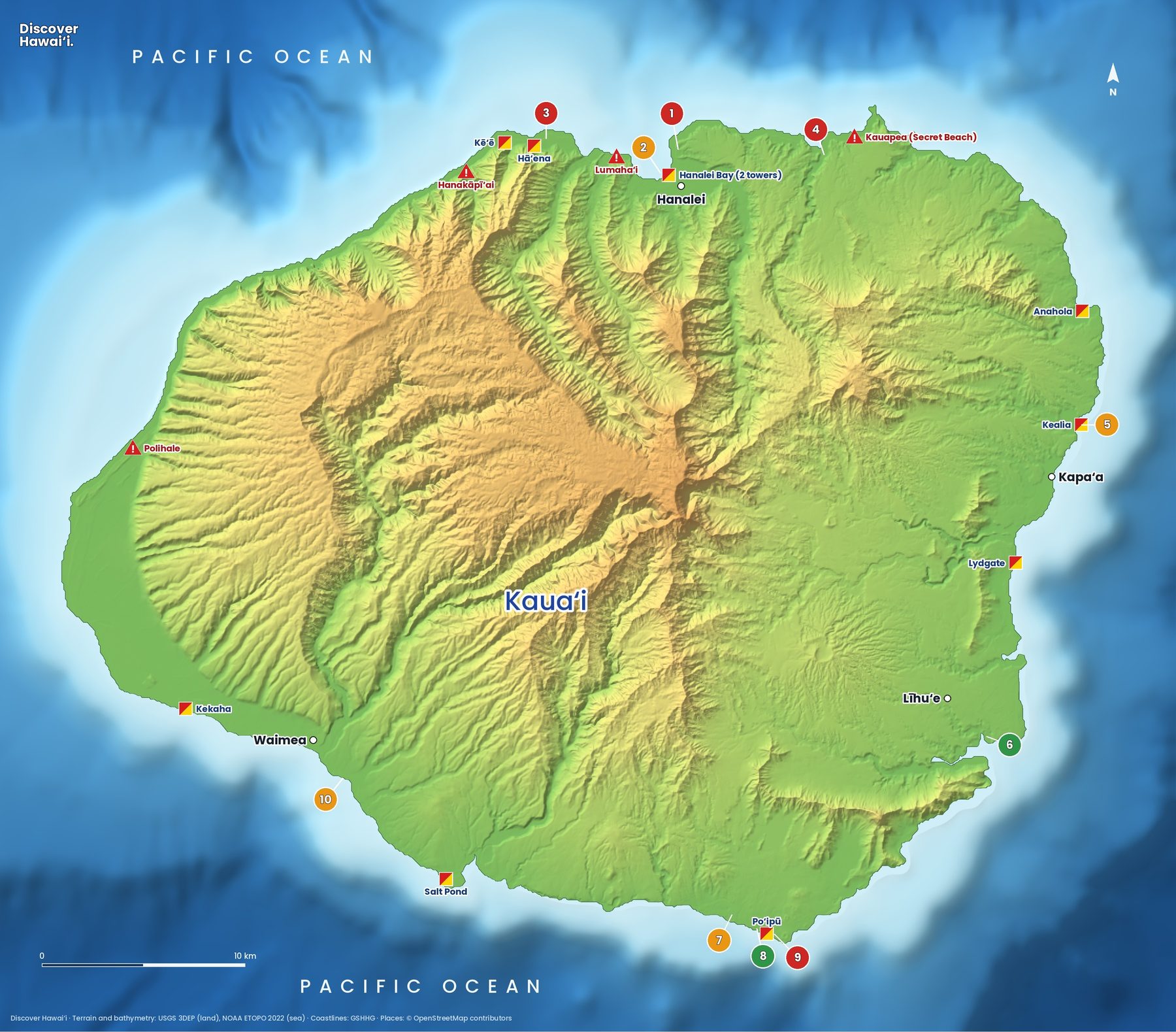
- Hanalei Bay: The BowlExpertsWinter (Oct–Apr) A powerful reef break off the point.
- Hanalei Bay: Pine TreesIntermediateWinter A beach break, home of local contests.
- TunnelsExpertsWinter Heavy outer-reef waves.
- KalihiwaiExpertsWinter A long left at the river mouth.
- KealiaIntermediateYear-round A consistent beach break with strong currents.
- KalapakīBeginnerYear-round Gentle waves in Nāwiliwili Bay.
- Poʻipū: PK'sIntermediateSummer (May–Sep) A reef break off Kōloa.
- Poʻipū: Kiahuna learnersBeginnerSummer Small reef waves; surf schools.
- Brennecke'sExpertsSummer A hard bodyboarding shorebreak.
- Pākalā (Infinities)IntermediateSummer A long left on south swells.
Beach status · October 2026
Kauaʻi is still recovering from Hurricane Lowell (September 2026). Salt Pond Beach Park remained closed in mid-October, and the road to Hāʻena and Kēʻē was open to local traffic only. After heavy rain, Kauaʻi Ocean Safety asks people to stay out of brown, murky water for 48 to 72 hours. Check the County of Kauaʻi updates before you go.
Where to surf on Maui
Maui's north shore is wild and windy: Hoʻokipa (3) has morning surf and afternoon windsurfers, and Peʻahi (2), better known as Jaws, is one of the biggest waves on the planet when a giant winter swell arrives. You watch Jaws from the cliffs; nobody paddles out there by accident. The west and south coasts, from Lahaina to Kīhei, are calmer, with small summer waves ideal for learning.
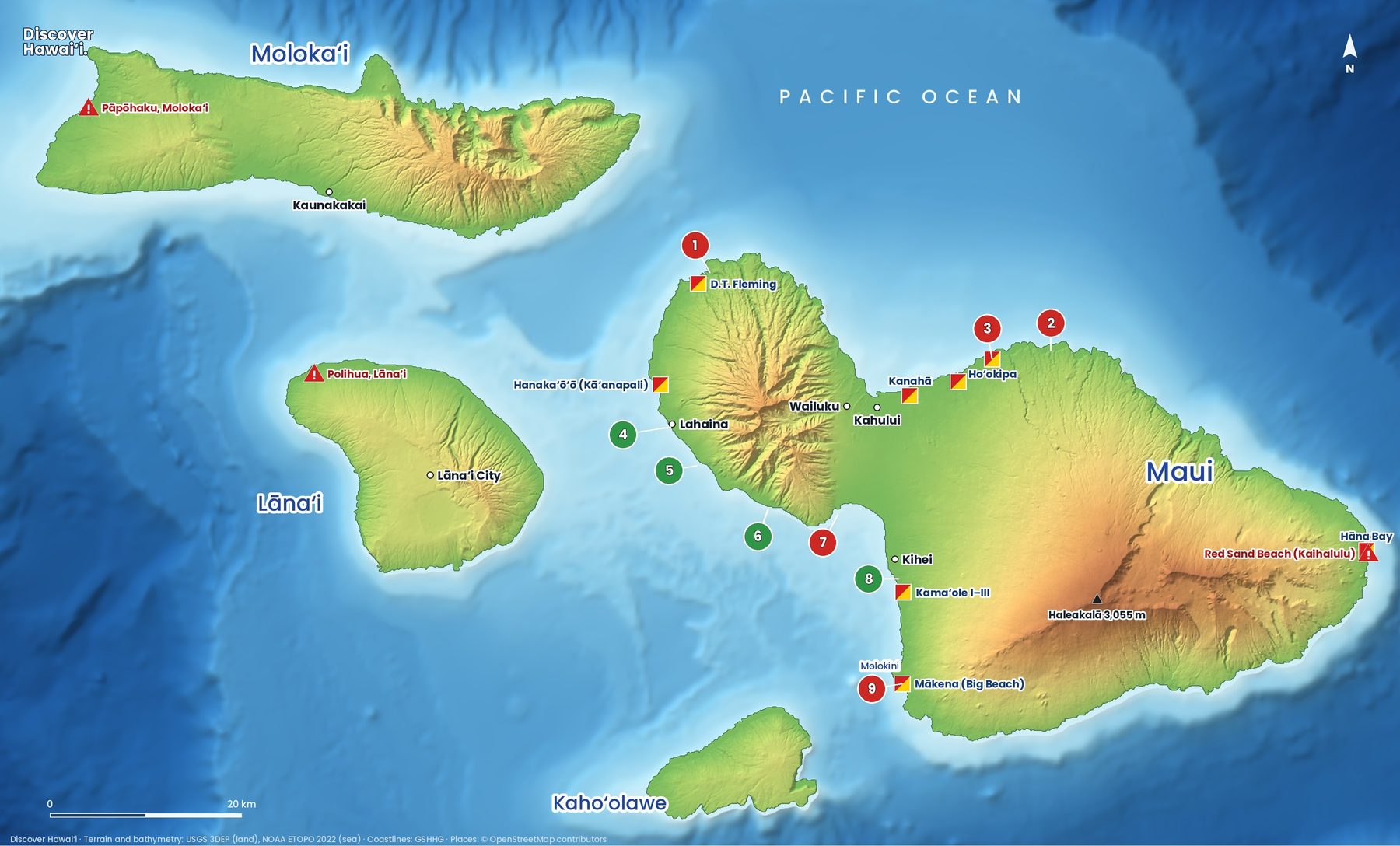
- Honolua BayExpertsWinter (Oct–Apr) A world-class right point break.
- Peʻahi (Jaws)ExpertsWinter Giant waves for professionals only; watch from the cliffs.
- HoʻokipaExpertsWinter Surf in the morning, windsurfers later.
- Lahaina BreakwallBeginnerSummer (May–Sep) A classic surf-school spot by the harbour.
- LauniupokoBeginnerSummer Gentle waves at a family beach park.
- Ukumehame (Thousand Peaks)BeginnerSummer Many soft peaks along the road.
- Māʻalaea (Freight Trains)ExpertsSummer A very fast right; breaks only on big south swells.
- Kīhei: The CoveBeginnerSummer Small waves; surf lessons.
- Big Beach (Mākena)ExpertsYear-round Heavy shorebreak; many neck and back injuries.
Where should beginners learn to surf in Hawaii?
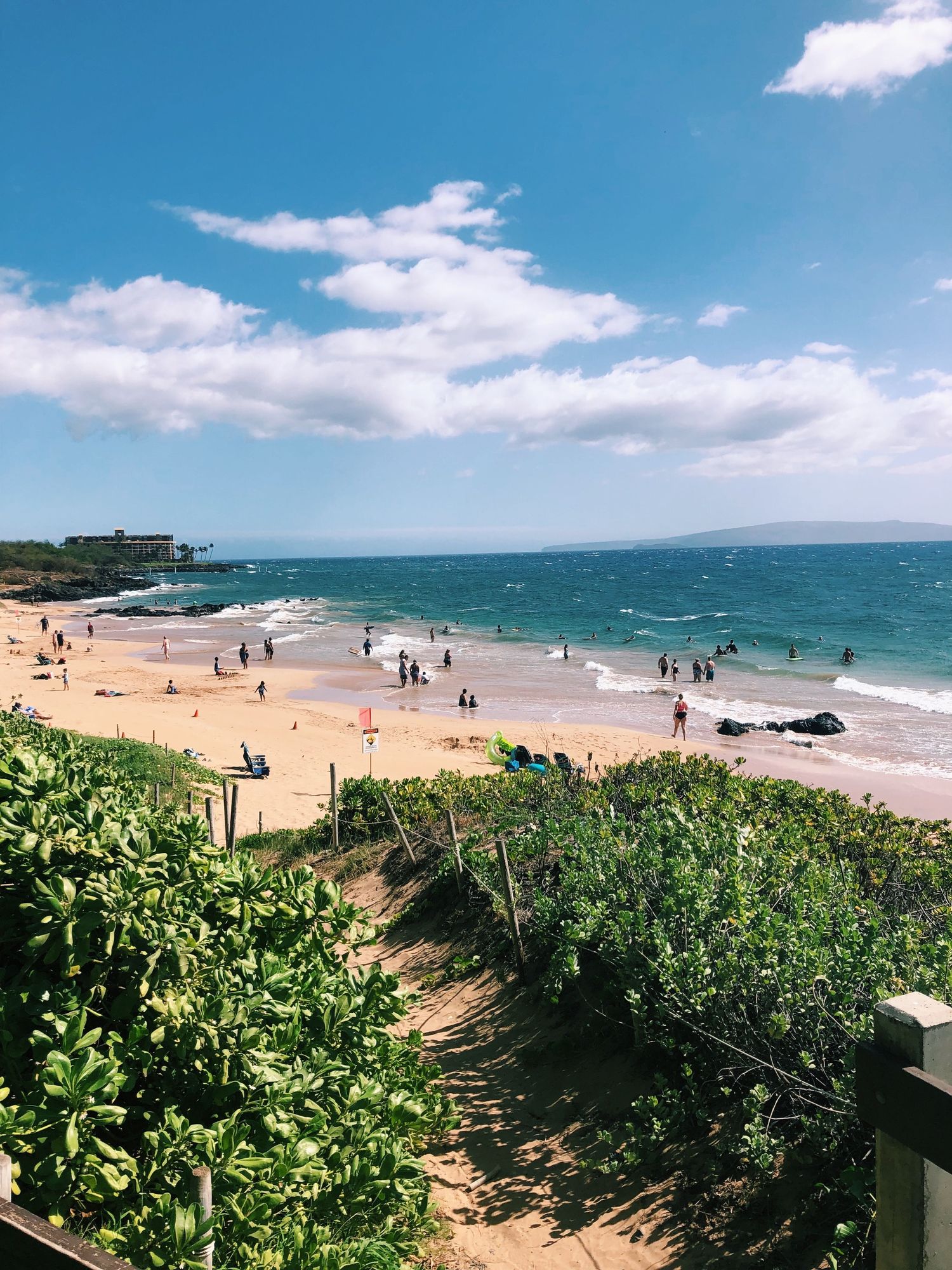
The classic first-wave spots are Waikīkī on Oʻahu (Queens and Canoes), Kalapakī and the Poʻipū learner area on Kauaʻi, and Launiupoko, Ukumehame and The Cove in Kīhei on Maui. Lahaina was badly damaged by the 2023 wildfire, so check where surf schools currently meet; many teach along the coast at Launiupoko.
Take a lesson for your first sessions. Instructors pick the right break for the day, give you a big soft-top board, and teach you the paddling and etiquette that keep you out of trouble. Two hours is usually enough to stand up on a small wave.
What are the unwritten rules of surfing in Hawaii?
Hawaiian surf breaks have a local community and a pecking order. The surfer closest to where the wave is breaking has priority, so never drop in on someone already riding. Wait your turn rather than paddling straight to the peak, keep hold of your board so it never hits anyone, and if you are a beginner, stay on the inside where the waves are small. A smile and a "howzit" go a long way.
Respect the ocean as much as the locals. Most breaks here are over sharp reef; wear a leash, fall flat, and cover your head when you come up. Never surf alone in big swells, avoid brown water after heavy rain, and read our guide to ocean safety in Hawaii before your trip.
Facts checked October 2026. Surf levels and seasons are general guidance; conditions change daily, so always ask the lifeguard before you go in.
- Hawaiʻi Ocean Safety: beach hazards and lifeguarded beaches
- NOAA National Weather Service Honolulu: surf forecast
- County of Kauaʻi: Hurricane Lowell recovery updates
- Map data: lifeguarded beaches from Hawaiʻi Ocean Safety, © OpenStreetMap contributors, Hawaiʻi Statewide GIS, USGS 3DEP, NOAA ETOPO 2022, GSHHG