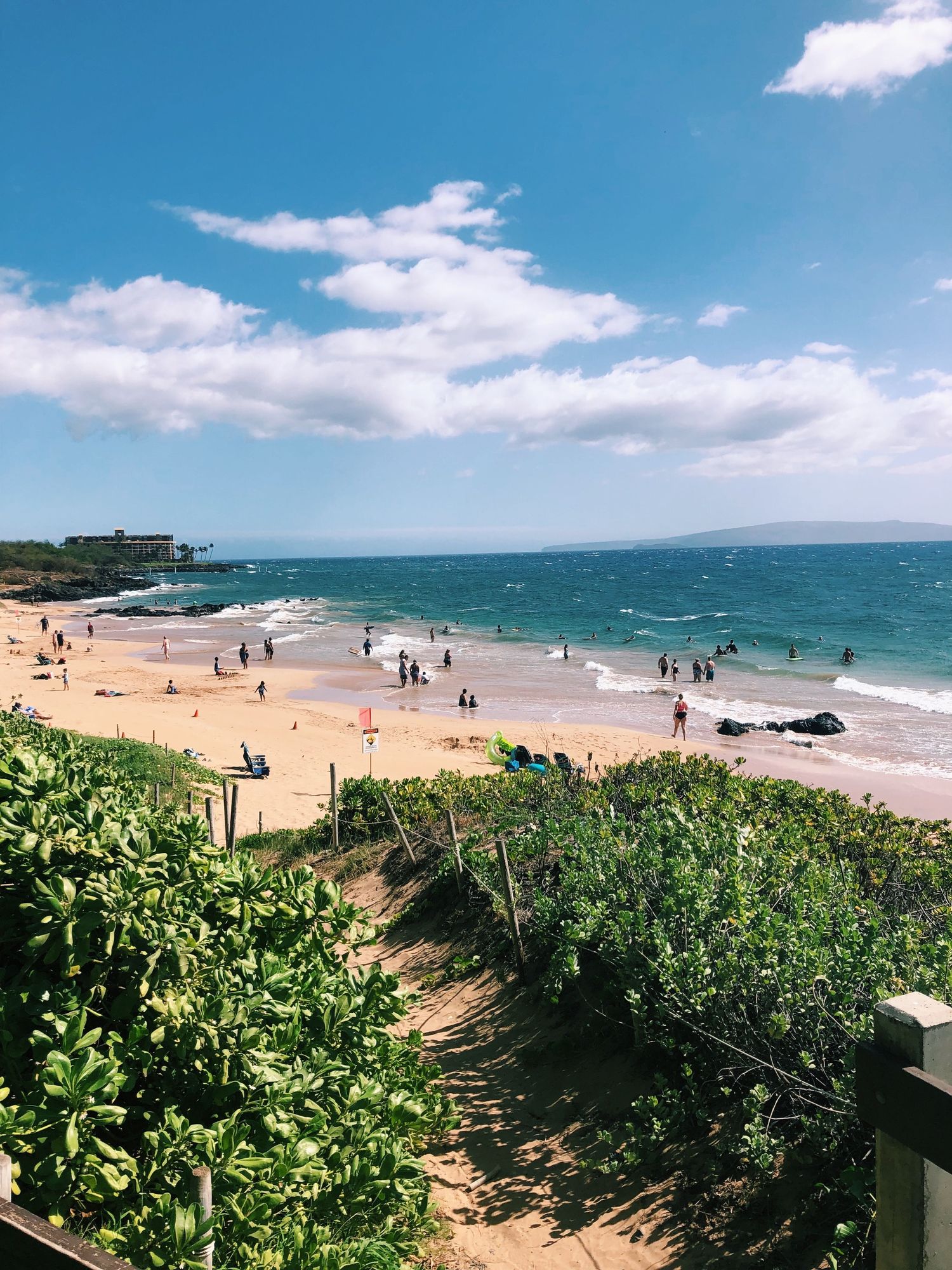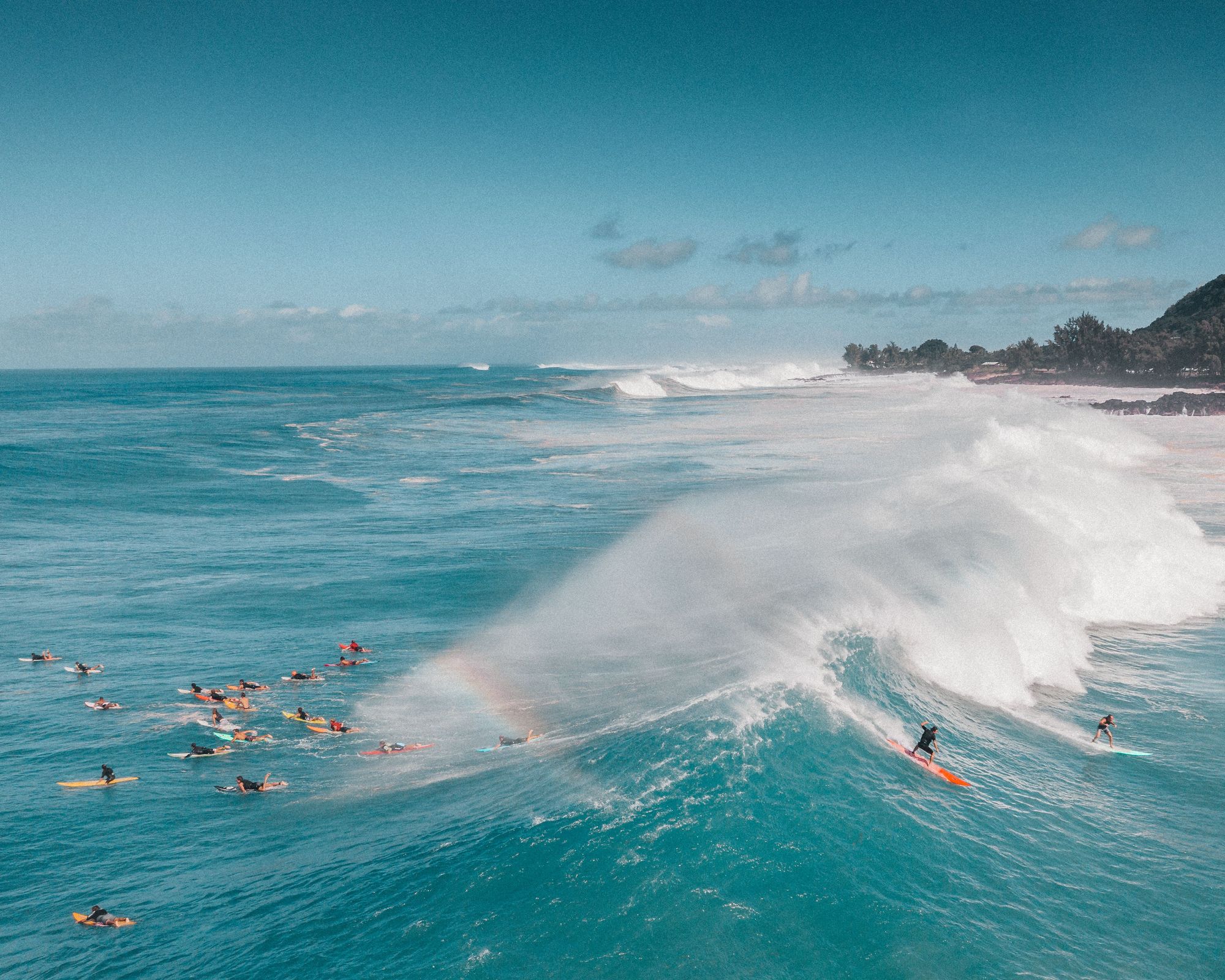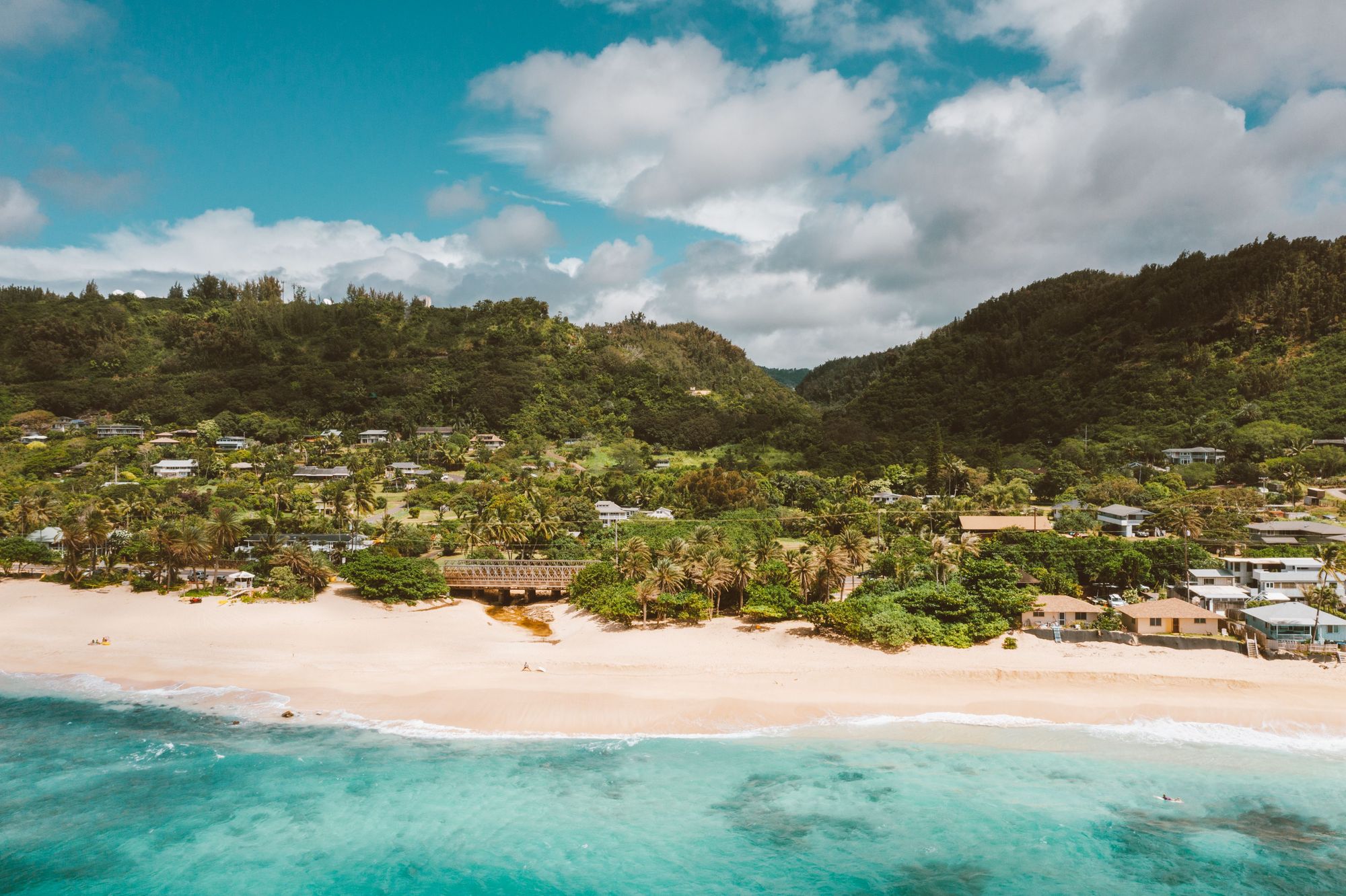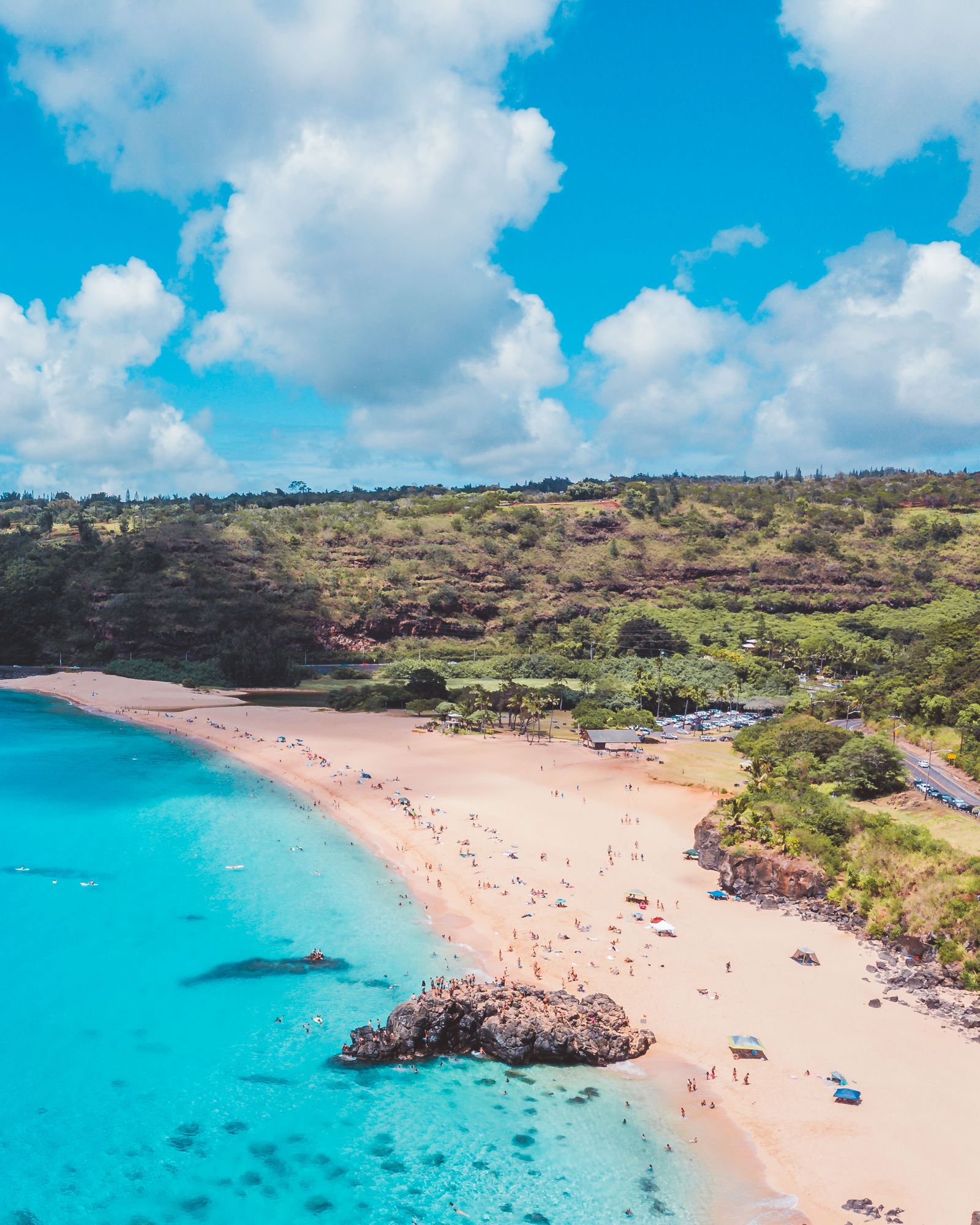
Every Hawaiian beach is beautiful. The question is which one is right for the day you have: calm water for swimming, a reef for snorkeling, big surf to watch, or a long empty stretch of sand at sunset. These maps show the lifeguarded beaches and danger zones on Oʻahu, Kauaʻi and Maui, and here are the ones we would choose.
What makes a great beach in Hawaii?
The same beach can be two different places in summer and winter. North-facing beaches are often glassy and swimmable from May to September and dangerous from October to April; south-facing beaches are the opposite. A great beach day in Hawaii starts with picking the side of the island where the ocean is calm, and then choosing a beach with a lifeguard tower. All beaches in Hawaii are public up to the high-water line, even in front of resorts.
What are the best beaches on Oʻahu?
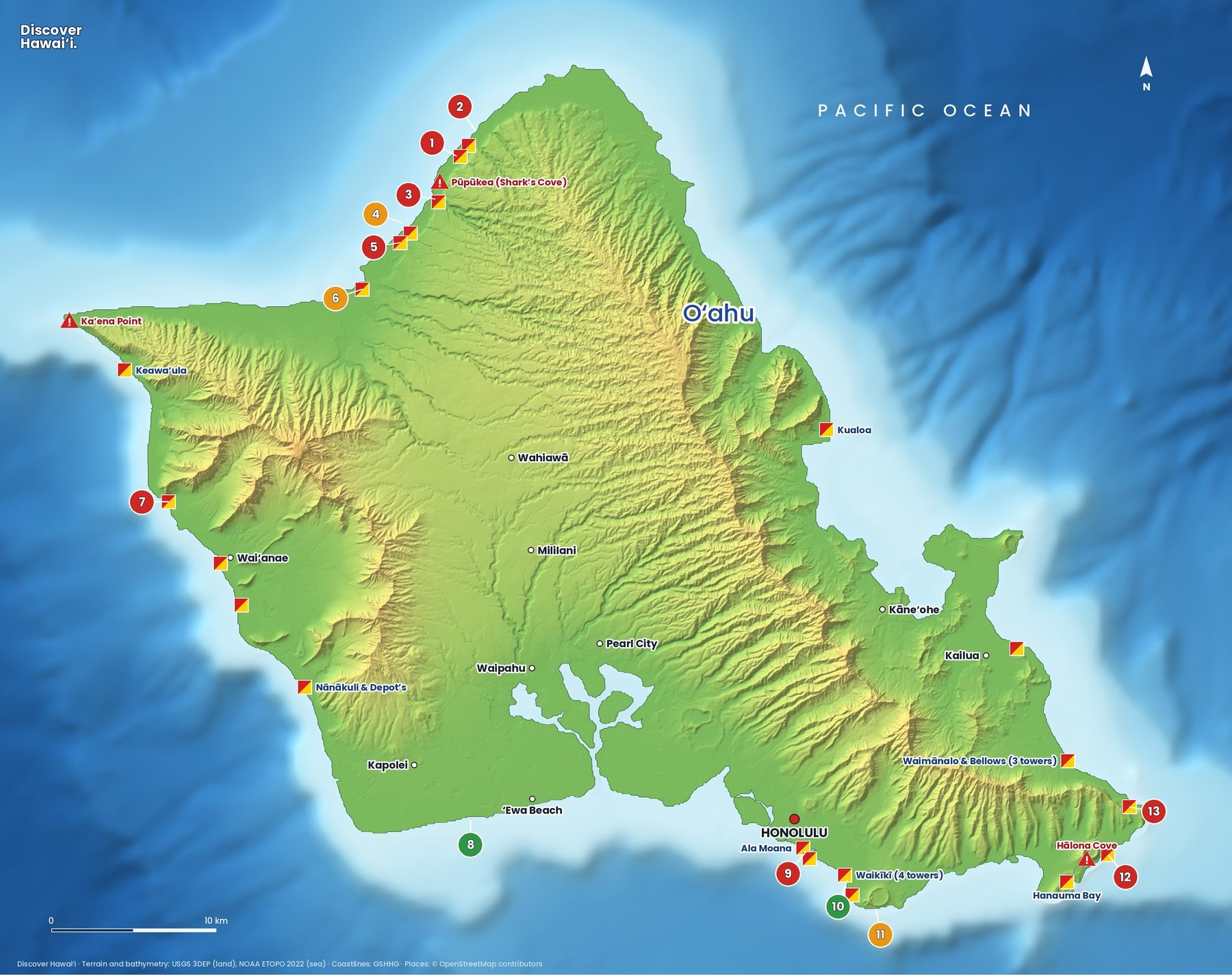
Waikīkī is the classic: two miles of sand, gentle waves, four lifeguard towers and Diamond Head on the horizon. For snorkeling, Hanauma Bay is a protected volcanic crater full of reef fish; non-residents need an online reservation, released two days ahead, and the bay is closed on Mondays and Tuesdays. On the windward side, Kailua and Waimānalo have soft white sand and turquoise water, usually with a trade-wind breeze.
On the North Shore, Waimea Bay is a calm swimming beach in summer and a big-wave arena in winter; Sunset Beach and ʻEhukai (Pipeline) are for watching surf in winter and for long sunset walks year-round. In the west, Mākaha and Keawaʻula are wide and quiet, but the surf there can be powerful.
What are the best beaches on Kauaʻi?
Beach status · October 2026
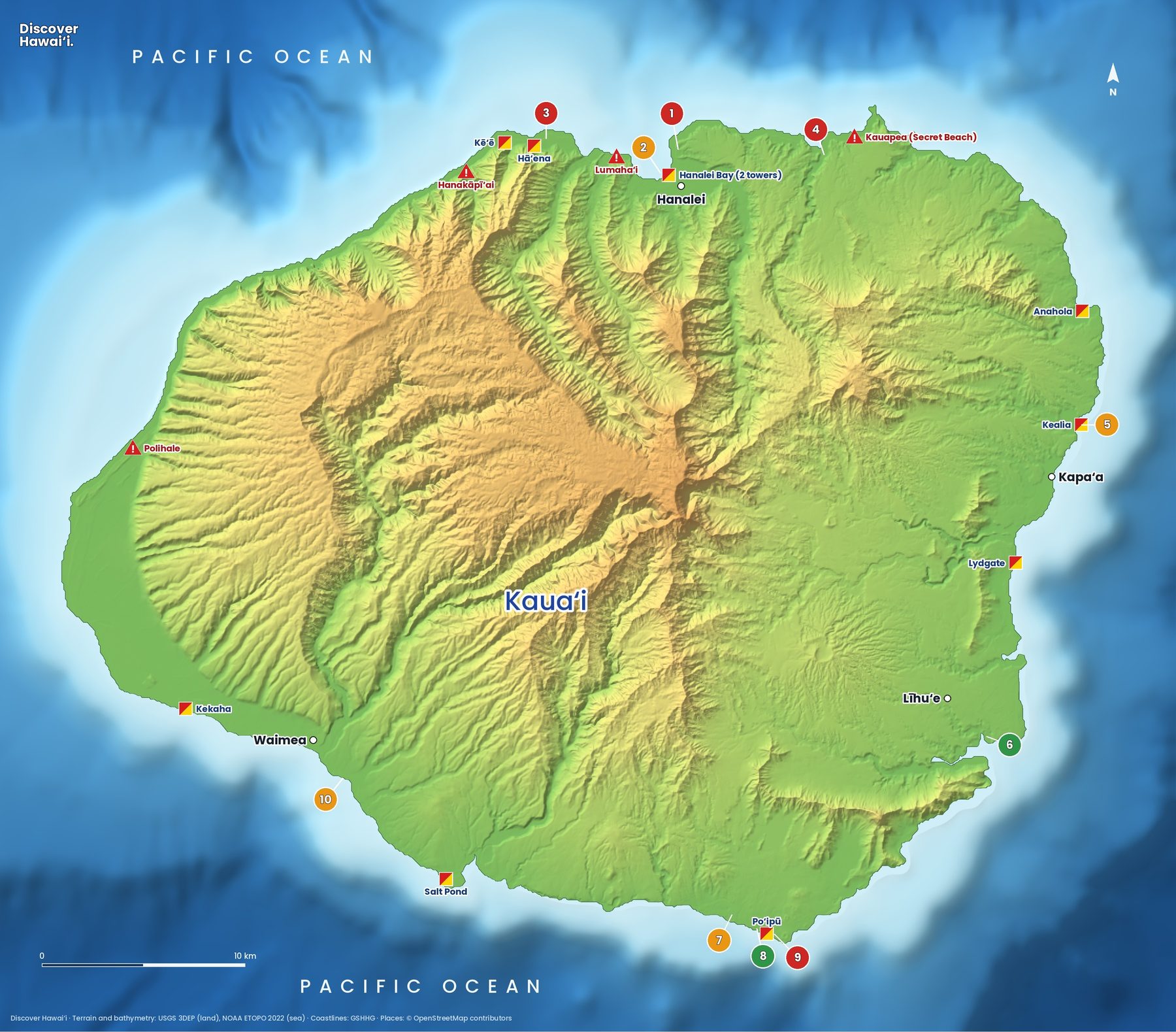
Kauaʻi is still recovering from Hurricane Lowell (September 2026). Salt Pond Beach Park remained closed in mid-October, and the road to Hāʻena and Kēʻē was open to local traffic only. After heavy rain, Kauaʻi Ocean Safety asks people to stay out of brown, murky water for 48 to 72 hours. Check the County of Kauaʻi updates before you go.
Hanalei Bay is one of the most beautiful beaches in the Pacific: a two-mile crescent below green mountains and waterfalls, with lifeguards at two towers. In summer the bay is calm enough for paddleboards. On the south shore, Poʻipū Beach Park is the island's family favourite, with a shallow protected area for children and endangered Hawaiian monk seals that often sleep on the sand. On the east side, Lydgate has rock-walled ponds that make swimming safe on most days.
At the end of the road on the north shore, Kēʻē Beach is the start of the Nā Pali coast, with a reef-protected lagoon that is calm in summer. Access was limited after the 2026 hurricane, and Hāʻena State Park needs an advance reservation.
What are the best beaches on Maui?
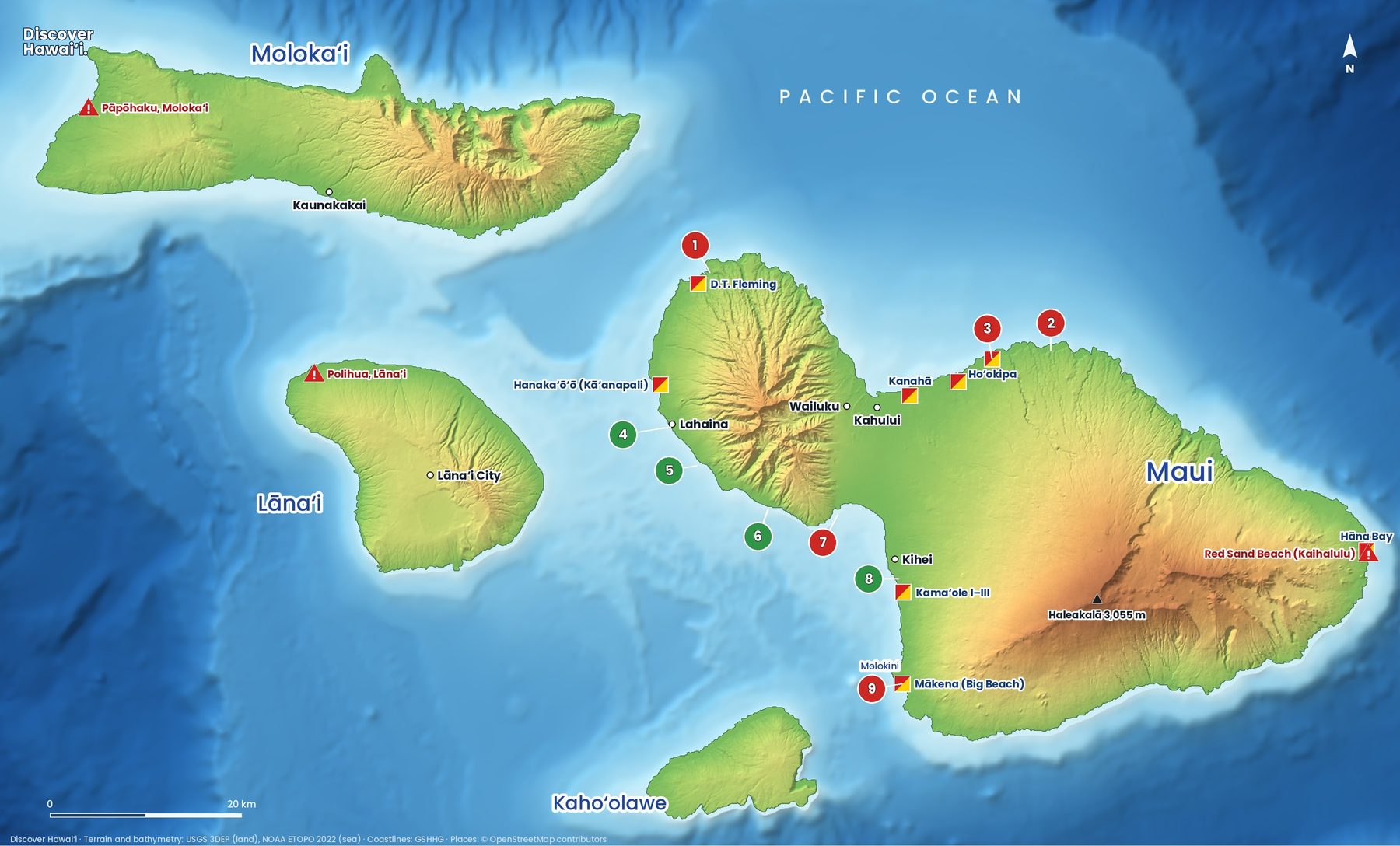
West Maui's Kāʻanapali has a long golden beach with Black Rock at one end, and D.T. Fleming near Kapalua is a lifeguarded bay backed by ironwood trees. South Maui's Kamaʻole I, II and III in Kīhei are three easy, lifeguarded beaches with calm mornings. Further south, Mākena (Big Beach) is the island's most spectacular stretch of golden sand, but its shorebreak is one of the most dangerous in the state; enjoy it from the sand unless the lifeguard says the water is calm.
On the north shore, Hoʻokipa is a lookout as much as a beach: windsurfers and surfers in the afternoon, and green sea turtles hauled out on the sand at sunset. Give them space. In Hāna, Hāna Bay is a quiet, lifeguarded black-sand bay at the end of the famous road.
Which beaches should you only look at?
Some of Hawaii's most photographed beaches are the most dangerous. The maps mark them with red triangles. On Kauaʻi, Hanakāpīʻai and Lumahaʻi have deadly rip currents and shorebreak, Polihale is remote with strong currents, and Kauapea (Secret Beach) has big winter surf and no lifeguard. On Oʻahu, Kaʻena Point and Hālona Cove are for looking, and Pūpūkea (Shark's Cove) is calm in summer but dangerous in winter surge. On Maui, the cliff trail to Red Sand Beach (Kaihalulu) is crumbling, and on Molokaʻi and Lānaʻi, Pāpōhaku and Polihua are long, empty beaches with powerful currents. Go for the view, not the swim.
How do you enjoy Hawaii's beaches respectfully?
Use reef-safe, mineral sunscreen: Hawaii bans the sale of sunscreens with oxybenzone and octinoxate, and Maui County allows only mineral sunscreens. Stay at least 10 feet from sea turtles and 50 feet from monk seals, never stand on coral, and take everything you brought home with you. Some beaches, like Hāʻena, Hanauma Bay and Waiʻānapanapa, need advance reservations; book them as soon as your dates are fixed.
Planning a family trip? Read our guide to the safest beaches for families and kids, and see which Hawaii reservations to book ahead.
Facts checked October 2026. Surf levels and seasons are general guidance; conditions change daily, so always ask the lifeguard before you go in.
- Hawaiʻi Ocean Safety: beach hazards and lifeguarded beaches
- City and County of Honolulu: Hanauma Bay Nature Preserve
- Hawaiʻi DLNR: Hāʻena State Park
- NOAA Fisheries: Viewing marine wildlife in Hawaii
- Map data: lifeguarded beaches from Hawaiʻi Ocean Safety, © OpenStreetMap contributors, Hawaiʻi Statewide GIS, USGS 3DEP, NOAA ETOPO 2022, GSHHG