A volcanic crater flooded by the sea, a reef full of fish and a strict booking system. Here is how to get in, what to expect and how to snorkel Hanauma Bay without harming it.
Quarter to seven at the top of the crater
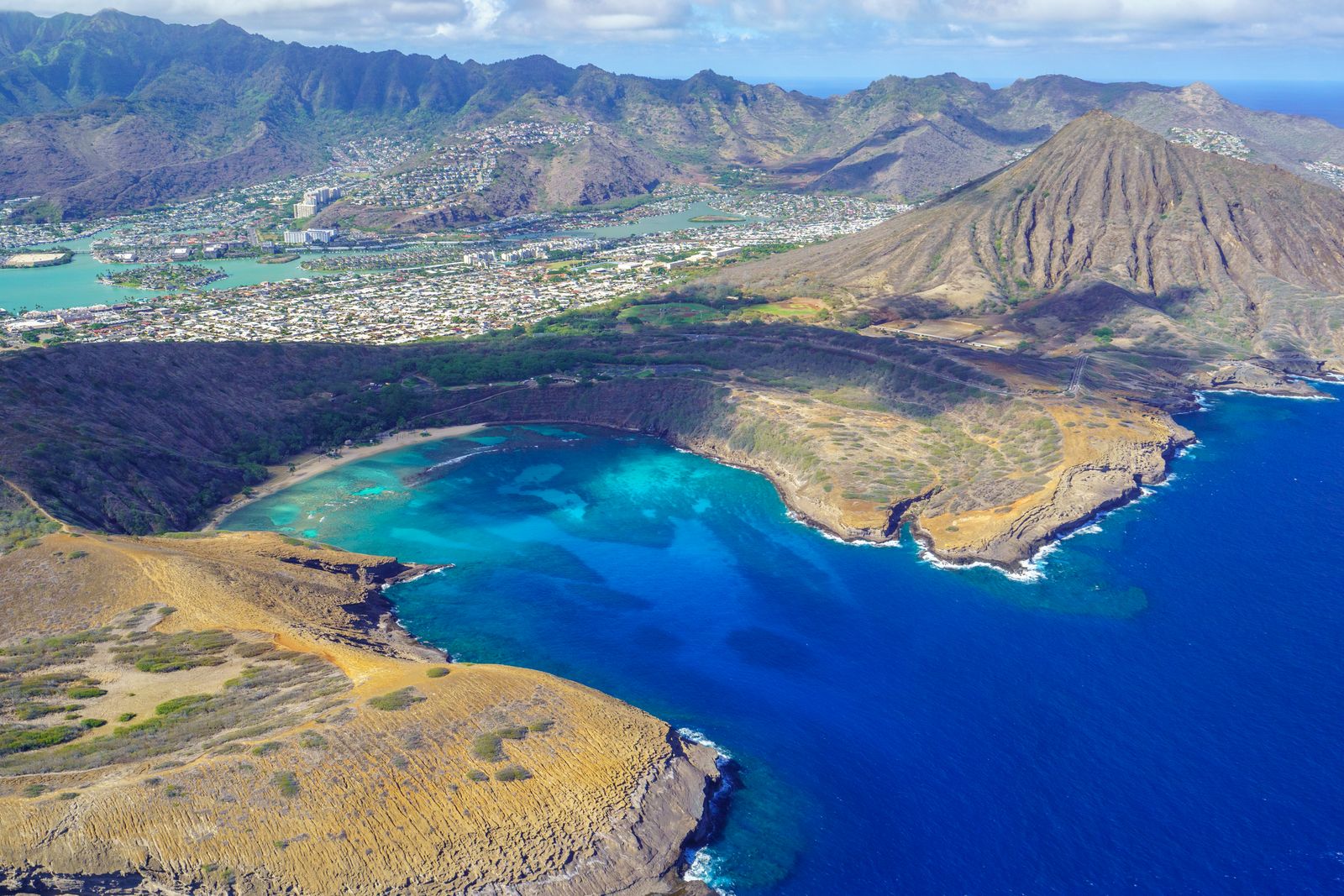
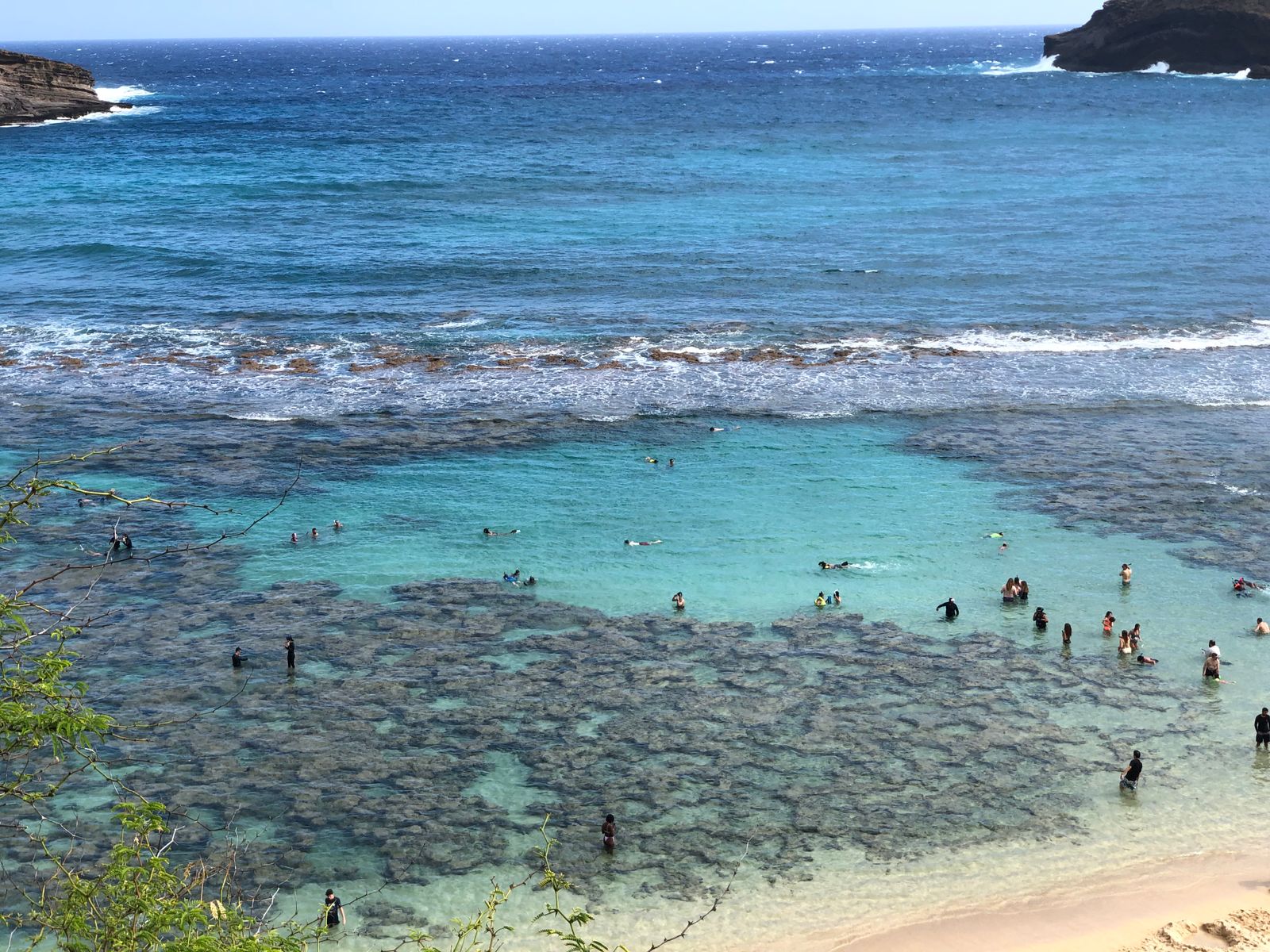
At 6.45 on a Wednesday morning the gate at the top of Hanauma Bay opens and a line of cars rolls in. Below, the bay is still in shadow, a perfect horseshoe of water inside the broken rim of an old volcano. The reef shows as a dark brown lace just under the surface, and the first snorkellers are already pulling on fins.
By mid-morning the sand will be busy, the water a little cloudier and the parking lot full. That is the whole story of Hanauma Bay in one sentence: it is spectacular, it is fragile, and the people who plan ahead get the best of it.
This guide covers what you need to know before you go: how reservations work, what it costs, when it is closed, and how to snorkel the reef in a way that keeps it alive. Every practical detail below was checked on the City and County of Honolulu website as of October 2026.
What Hanauma Bay is and why it is protected
Hanauma Bay sits inside a tuff cone, one of the young volcanic vents along Oʻahu's south-east tip, near Koko Head. The seaward wall of the crater collapsed long ago and the ocean poured in, leaving a sheltered bay ringed by cliffs. The name is usually translated as "curved bay", which fits the shape exactly.
A shallow fringing reef fills much of the inner bay. It shelters parrotfish, surgeonfish, butterflyfish, the state fish (the reef triggerfish, humuhumunukunukuāpuaʻa) and the green sea turtles that graze on algae along the edges. In 1967 the State of Hawaiʻi made the bay a Marine Life Conservation District, which means nothing may be taken: no fishing, no collecting shells, no feeding the fish.
By the 1980s and 1990s the bay was being loved to death, with thousands of visitors a day, fish fed by hand and a reef trampled flat in places. The city's answer was the preserve you see today: limited entry, a fee for visitors, a marine education centre and regular rest days for the reef. The long 2020 closure during the pandemic gave scientists a rare look at a bay without people, and they reported clearer water. Today's reservation system grew out of that experience.
Reservations, fees and opening hours (as of October 2026)
Hanauma Bay Nature Preserve is run by the City and County of Honolulu Department of Parks and Recreation. The rules are firm, and rangers do turn people away.
- Open days: Wednesday to Sunday. Closed every Monday and Tuesday, and on 25 December and 1 January.
- Hours: entry from 6.45 am until 1.30 pm. The beach is cleared at 3.30 pm and everyone must be out by 4 pm.
- Fees: $25 per person for non-residents aged 13 and over, plus a small online service fee. Children 12 and under, Hawaiʻi residents with ID and active-duty military with ID enter free. Parking is $3 for non-resident vehicles, paid in cash.
- Booking: admission-only reservations open online two days before your visit at 7 am Hawaiʻi time (so Monday morning for a Wednesday visit). Slots go quickly, so be ready on the minute. Bookings are non-refundable.
- With transport: an authorised package with Roberts Hawaiʻi combines admission and a ride from Waikīkī, and can be booked up to about a month ahead.
- Walk-ins: a limited number of tickets are released first come, first served when the gate opens at 6.45 am. Your whole party must be present. Arrive early and have a back-up plan.
A reservation does not guarantee a parking space. If the lot is full you will have to wait or park legally elsewhere, which on this stretch of coast is not easy. Bring photo ID matching the booking name. For the wider picture of which Hawaiʻi sights now need booking, see our guide to reservations you need to make in advance.
The video, the walk down and what is on site
Every visitor watches a short conservation video in the theatre of the Marine Education Center before going down to the beach, every single visit. Having seen it last year does not count. It is worth the few minutes: it explains how the reef works, why you should not touch the turtles and where the currents run.
From the education centre a steep paved road leads down to the beach. Walking it takes about ten minutes down and rather longer back up in the midday heat. A tram runs between the top and the beach for anyone who prefers not to walk.
At beach level you will find lifeguards, toilets, outdoor freshwater showers, a snorkel rental stand and a food concession (both card only, with shorter hours than the preserve). There is very little natural shade on the sand, so bring a hat and plenty of water. City buses no longer drive into the preserve; Route 22 stops at the top.
Snorkelling tips for Hanauma Bay
The inner reef is the main attraction and it is shallow, often less than a metre (3 ft) deep at low tide. That is perfect for beginners but means fins and knees can easily hit the coral.
- Go early. The water is calmer and clearer in the first two hours, before trade winds and crowds stir up sand.
- Enter through the sandy channels. Look for the pale sand openings in the reef and swim out along them rather than wading over coral.
- Float, never stand. Standing on the reef kills coral polyps. If you need a rest, swim back to sand or use a flotation vest.
- Check tide and surf. At very low tide the inner reef can be too shallow to cross without scraping it.
- Keep your hands to yourself. Give honu at least 3 metres (10 ft) of space. Never chase, touch or feed fish or turtles.
- Use mineral sunscreen. Hawaiʻi law bans sale of sunscreens containing oxybenzone and octinoxate because of their harm to coral. A rash guard is even better.
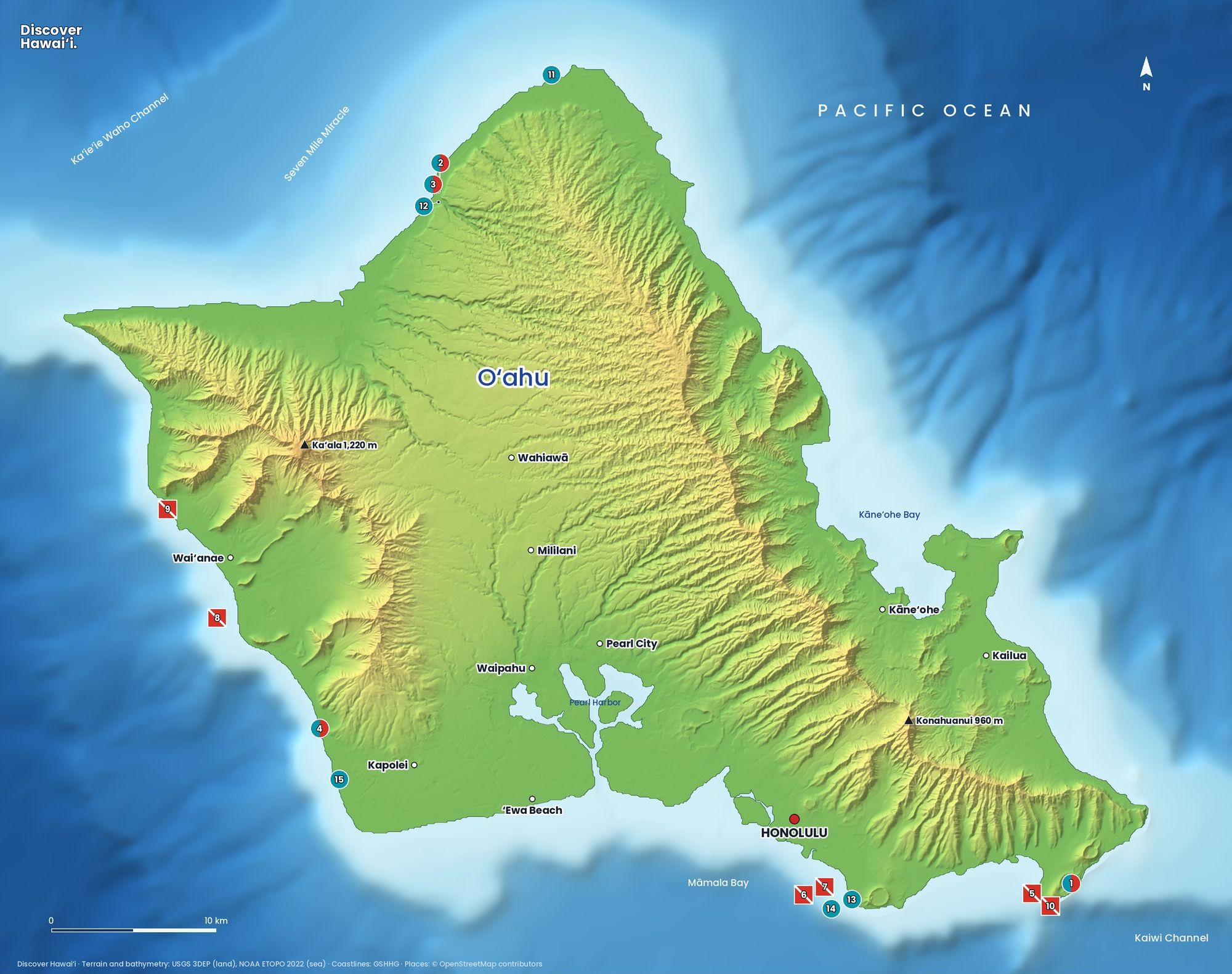
Stronger swimmers sometimes head for the outer reef beyond the inner lagoon. Do this only in calm conditions and only after asking the lifeguards, because currents run through the channels at the mouth of the bay. Hanauma is just one of many fine spots on our Oʻahu snorkelling and diving map.
Safety: currents, ledges and the sun
Hanauma looks like a swimming pool from the top, but it is open ocean. The two areas that cause the most trouble are the channels through the outer reef, where water drains out of the bay, and the rocky ledges along the sides of the crater.
The ledge walks to features such as the Toilet Bowl and Witches Brew are often closed, and for good reason: waves surge across the rock without warning and people have been swept into the sea. Respect every closure sign and every lifeguard instruction. Swim near the lifeguard towers, never alone, and get out if you feel tired or cold.
The other common problem is sunburn. Snorkellers float face down for an hour and their backs burn badly. Wear a rash guard or a shirt, and reapply mineral sunscreen to the backs of your legs. For the full picture, read our guide to Hawaiʻi ocean safety.
Best time to go, and what to combine it with
Book for a Wednesday or Thursday if you can: the reef has just had two days off and the water is often at its clearest. Arrive within the first hour of opening. Summer usually brings the calmest water on this side of the island, while winter can bring trade wind chop, but Hanauma is snorkellable most of the year.
The bay sits at the start of one of Oʻahu's best coastal drives. Right above the preserve rises Koko Crater, with the old railway stairs of the Koko Head trail, and a few minutes east along Kalanianaʻole Highway are the Hālona Blowhole lookout, Sandy Beach (watch only: its shore break is dangerous) and the Makapuʻu Point Lighthouse trail. Mānana (Rabbit) Island sits offshore beyond Makapuʻu.
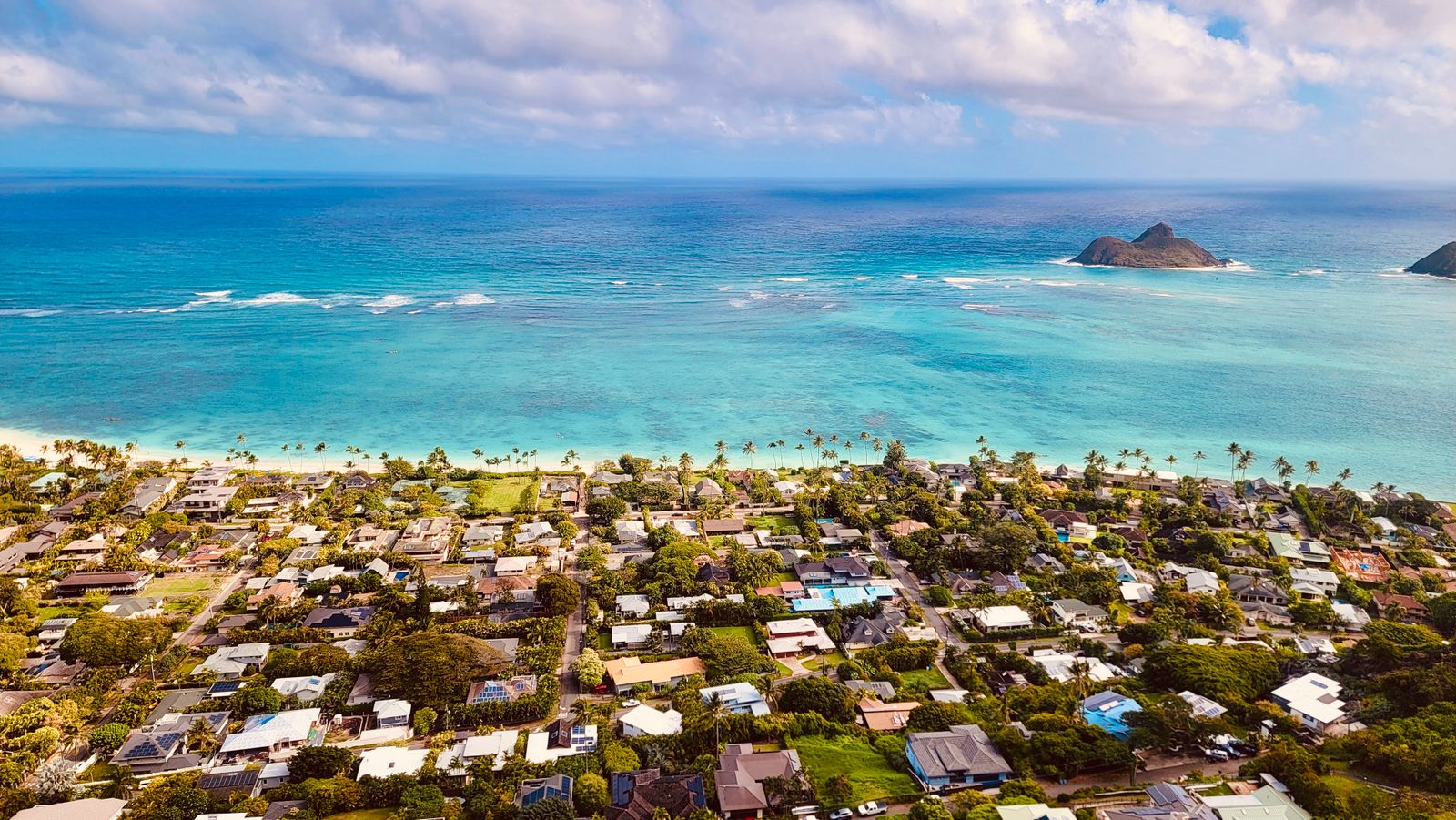
Make a day of it by continuing round to Waimānalo and then Kailua and Lanikai for the afternoon. For more ideas, see things to do on Oʻahu or our Oʻahu island page, and read visiting Hawaiʻi respectfully before you go.
Quick answers
Do you need a reservation for Hanauma Bay?
Non-residents are strongly advised to book. Admission-only reservations open online two days before your visit at 7 am Hawaiʻi time. A limited number of walk-in tickets are released when the gate opens at 6.45 am, first come, first served (as of October 2026).
How much does Hanauma Bay cost?
Entry is $25 per person for non-residents aged 13 and over, plus an online service fee. Children 12 and under, Hawaiʻi residents and active-duty military with ID are free. Parking is $3 per car for visitors, cash only.
What days is Hanauma Bay closed?
Hanauma Bay is closed every Monday and Tuesday, and on Christmas Day and New Year's Day. It is open Wednesday to Sunday, with entry from 6.45 am to 1.30 pm.
Is Hanauma Bay good for beginner snorkellers?
Yes. The inner reef is shallow and sheltered, with lifeguards on duty. Go early, enter through the sandy channels, float rather than stand on the coral and stay inside the inner reef unless lifeguards say conditions are calm.
Do you have to watch a video at Hanauma Bay?
Yes. Every visitor watches a short conservation video at the Marine Education Center before going down to the beach, on every visit.
Facts checked October 2026. Reservations, fees, opening hours and trail or road closures change often in Hawaii, so confirm with the official source before you go.