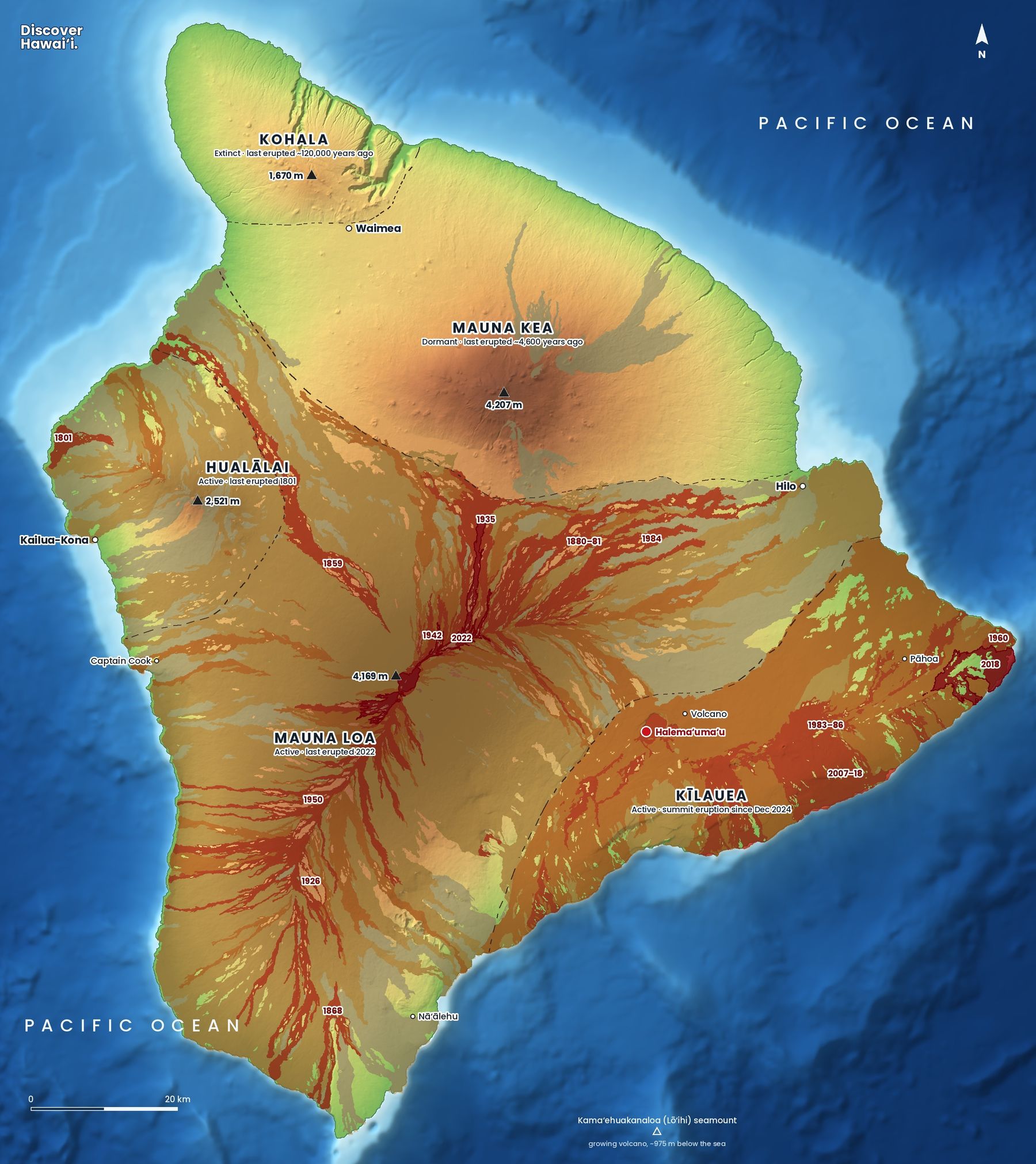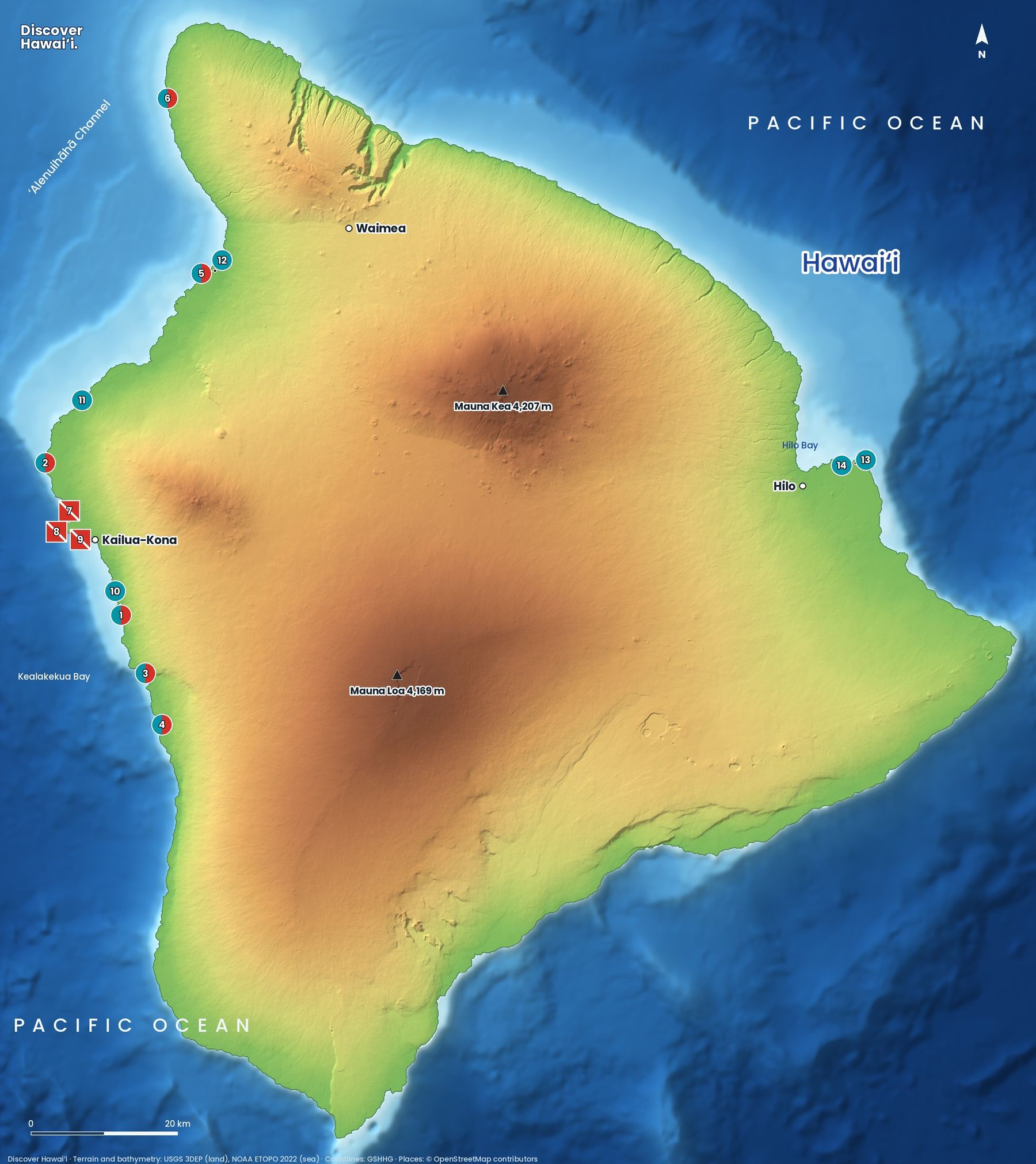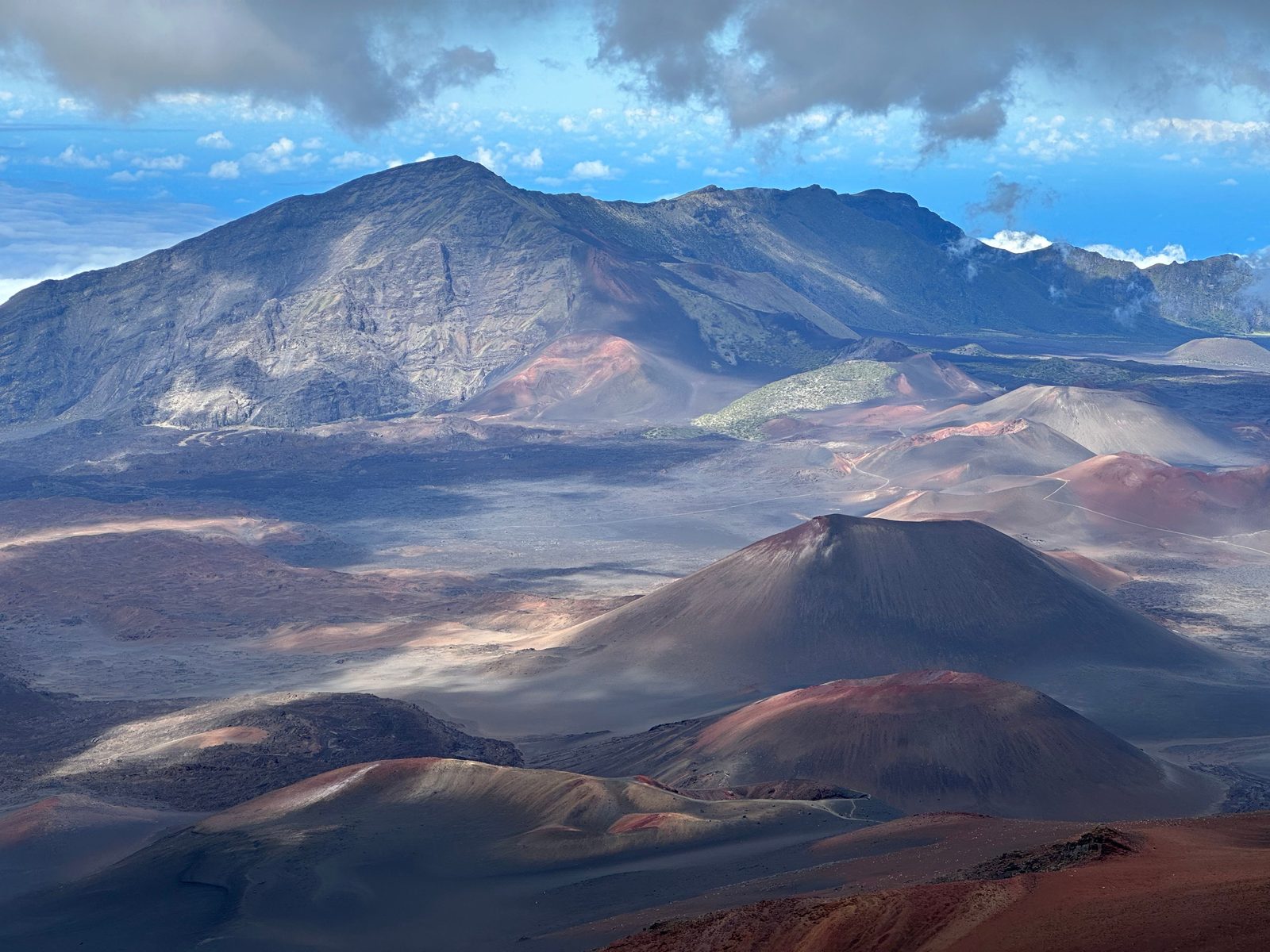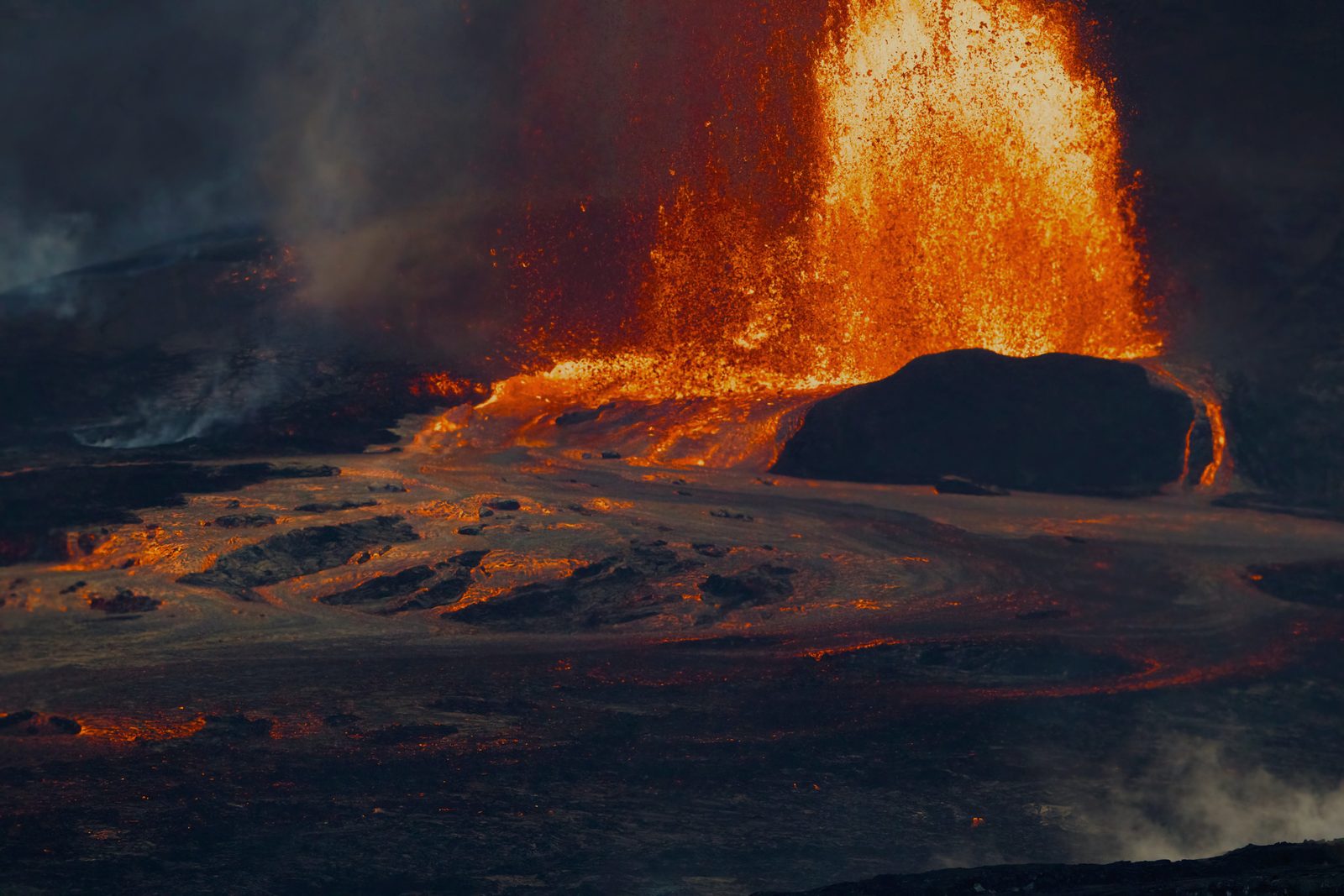
Five days is a short trip to Hawaii, so the trick is to choose one island and let it surprise you. Our choice for five days is the Big Island, Hawaiʻi Island itself: a place still being made, where lava has added new land within living memory, where you can snorkel with manta rays at night and watch the sunset from above the clouds on the highest mountain in the Pacific.
Why the Big Island?
The Big Island is larger than all the other Hawaiian islands combined, with climates that range from desert to rainforest to snow. It is also the least crowded of the main islands for its size. If you have only five days and want something you cannot see anywhere else, this is it. Prefer beaches and an easier trip? Use our Maui itinerary or Oʻahu itinerary and pick five days from them.
The plan at a glance
| Day | Base | Highlights |
|---|---|---|
| 1 | Kona | Arrive, Kona town, sunset |
| 2 | Kona | Kealakekua Bay, Place of Refuge, manta night snorkel |
| 3 | Kona | Kohala beaches, Pololū lookout, Mauna Kea at sunset |
| 4 | Volcano | Hawaiʻi Volcanoes National Park |
| 5 | Hilo | Hilo waterfalls, fly home from Hilo or Kona |
Drive times are typical without heavy traffic. Bold places need a reservation or ticket booked ahead; see reservations to book ahead.
Days 1–3: Kona and Kohala
Day 1: Kona town
Fly into Kona, collect your car and stay in or near Kailua-Kona. Walk the seafront past Huliheʻe Palace, a summer home of Hawaiian royalty, and watch the sunset from the sea wall.
Day 2: Kealakekua and the Place of Refuge
Take a morning boat or guided kayak to Kealakekua Bay, a marine conservation district where spinner dolphins often rest and Captain Cook was killed in 1779. In the afternoon, visit Puʻuhonua o Hōnaunau National Historical Park and snorkel at Two Step. Stop at a Kona coffee farm on the way back. After dark, join a manta ray night snorkel: giant mantas feed on plankton drawn to underwater lights.
Day 3: Kohala and Mauna Kea
Drive north to the white-sand beaches of the Kohala Coast: Hāpuna and Kaunaʻoa are among the best in Hawaii. Continue to the Pololū Valley Lookout at the end of the road. In the late afternoon, drive the Saddle Road to the Mauna Kea Visitor Information Station at about 9,200 feet for sunset and the stars; a stargazing tour is the safest way to reach the summit. Bring warm clothes.
Days 4–5: the volcano and Hilo
Day 4: Hawaiʻi Volcanoes National Park
Drive about two and a half hours around the south of the island, stopping at Punaluʻu black-sand beach for turtles, to Hawaiʻi Volcanoes National Park. Walk the crater rim viewpoints, the Nāhuku lava tube and the Kīlauea Iki Trail across a crater floor that was a lava lake in 1959, then drive Chain of Craters Road to the sea. Since October 2026 the Halemaʻumaʻu Trail, part of the Byron Ledge Trail and some overlooks are closed because of earthquakes and inflation at the summit; follow park updates. Stay in Volcano Village and return after dark if lava is glowing.
Day 5: Hilo
Drive down to Hilo, the rainy, green, old-fashioned capital of the island. See Rainbow Falls and ʻAkaka Falls, visit the farmers' market (busiest on Wednesdays and Saturdays) and the Pacific Tsunami Museum, then fly home from Hilo or drive back to Kona.
Tips for five days
- Two bases save hours. Kona to the volcano and back in one day is about five hours of driving.
- Check the volcano on the USGS Hawaiian Volcano Observatory site the night before.
- Pack layers. It can be 85°F on the beach and close to freezing on Mauna Kea on the same day.
- Book the manta snorkel and Kealakekua tour early, and choose operators who follow the manta viewing guidelines.
- Fly in to Kona and out of Hilo (or the reverse) if you can.
For more detail, read our guides to the Big Island's volcanoes, snorkeling and diving and hiking trails.
When to go
The Big Island is a year-round destination. The Kona and Kohala coasts are dry and sunny almost every day, while Hilo is one of the wettest cities in the United States; bring a rain jacket for the east side whatever the month. Winter brings humpback whales to the Kohala coast and occasional snow to the summits of Mauna Kea and Mauna Loa. Manta ray snorkels run all year, although rough winter seas can cancel some nights, so book early in your trip to leave a back-up evening.
If you want lava, check the eruption status close to your dates. Kīlauea's summit eruptions have come in episodes, sometimes days apart, and viewing areas open and close with the activity.
Respect the land
Much of what you will see on this trip is sacred in Hawaiian culture. Pele, the goddess of volcanoes, is said to live in Halemaʻumaʻu crater; leave offerings and lava rocks where they are. Mauna Kea's summit, home to some of the world's great telescopes, is also a sacred place, and its management is a subject of deep feeling in Hawaii. At Puʻuhonua o Hōnaunau, walk quietly and stay off the walls and platforms.
In the ocean, keep at least 10 feet from turtles and 50 yards from spinner dolphins, which rest in the bays by day. Read our guide to visiting Hawaii respectfully.
Quick answers
What is the best way to spend 5 days in Hawaii?
Choose one island. The Big Island suits five days well: three nights on the sunny Kona side and two near Hawaiʻi Volcanoes National Park or Hilo.
Is 5 days enough for the Big Island?
Enough for the highlights: the Kona coast, manta rays, Mauna Kea at sunset and the volcano. The island is large, so plan two bases to avoid long drives.
Can you see lava in Hawaii?
Sometimes. Kīlauea has erupted in episodes at its summit since December 2024, with lava fountains visible from viewpoints in the national park. Whether lava is visible on a given day depends on the eruption; check the USGS updates.
Can you drive to the summit of Mauna Kea?
Only with a four-wheel-drive vehicle, and most rental contracts forbid it. The visitor information station at about 9,200 feet is reachable in a normal car; stargazing tours take you to the summit.
More itineraries: 4 days, 5 days, 7 days, 10 days, with kids, Oʻahu, Maui, Kauaʻi and Oʻahu + Maui.
Facts checked October 2026. Reservations, fees and closures change often, especially after storms, so confirm with the official source before each day out.