The 2026 season tested Hawaii hard. A historic Kona storm in March, then Hurricane Lala, Hurricane Lowell and Hurricane Nolo between August and September, and a restless Kīlauea in October. If you have a trip booked, it is natural to wonder whether you should still go. The honest answer: yes, with a little planning. Here is the situation on each island as of late October 2026, and the dangers that matter far more than the headlines.
The short answer (October 2026)
Hawaii is open and safe to visit. Oʻahu, Maui, the Big Island, Lānaʻi and Molokaʻi are operating normally. Kauaʻi is welcoming visitors but still recovering from Hurricane Lowell, with some closures. On the Big Island, parts of the Kīlauea summit area in Hawaiʻi Volcanoes National Park are closed as a precaution. Hurricane season officially ends on 30 November.
The best way to stay safe is not to watch the news but to check the official sources a few days before you travel and on the day you visit a park or beach. We link them all at the end of this article.
Kauaʻi after Hurricane Lowell
On 8 September 2026, Hurricane Lowell passed about 40 miles west of Niʻihau as a Category 2 storm, after peaking at Category 5. It was Kauaʻi's worst hurricane since Iniki in 1992: more than 20 inches of rain fell in the mountains, over 90% of the island lost power, at least three people died in the state, and the south and west coasts, from Poʻipū to Kekaha and Waimea, were hit by storm surge.
Recovery has been fast. By mid-October around 95% of visitor attractions and businesses were operating, the 1 Hotel Hanalei Bay had reopened, and Hāʻena Beach Park and Limahuli Garden on the North Shore were open again. Some state parks, trails and beach parks, including Salt Pond Beach Park, remained closed. Visitor bookings fell sharply after the storm, and local businesses are asking visitors to keep coming: spending money on Kauaʻi helps the island recover.
Practical advice: confirm your hotel and tours, check the state's Lowell visitor updates, avoid areas that are closed or still heavily damaged, and stay out of the ocean for two to three days after heavy rain, when runoff makes the water brown and unsafe.
The volcano: Kīlauea
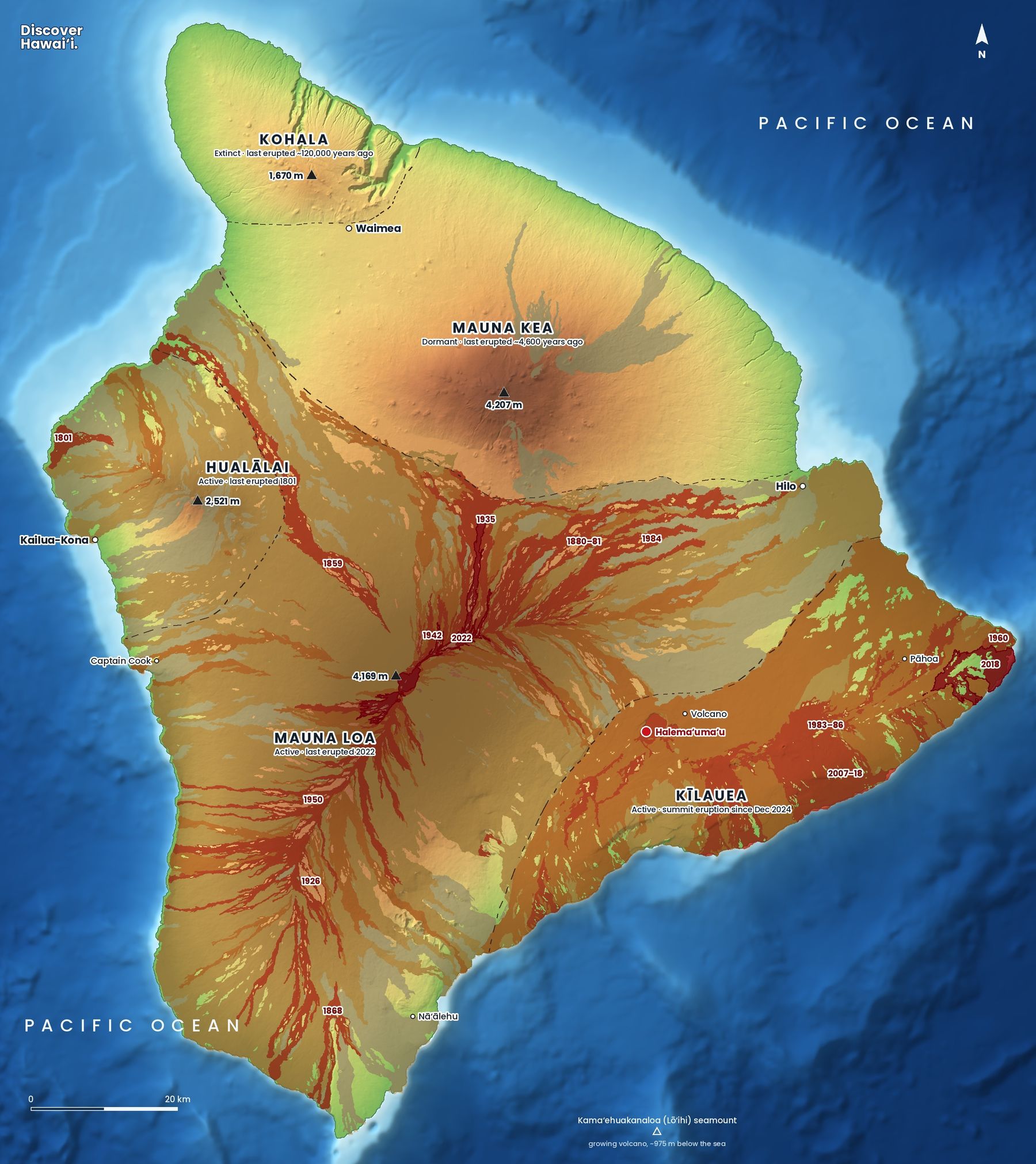
Kīlauea, one of the most active volcanoes on Earth, has erupted in a long series of episodes at its summit since December 2024, with spectacular lava fountains inside Halemaʻumaʻu crater. In late September and October 2026, the summit showed continued inflation and more than 200 shallow earthquakes in a single week, and new cracks opened on the caldera floor.
On 7 October 2026 the National Park Service closed the Halemaʻumaʻu Trail and part of the Byron Ledge Trail, after closing the viewing areas on the Keanakākoʻi side the week before. Other parts of the park remain open. Eruptions inside the caldera are not a danger to people who stay out of closed areas, but volcanic gas (vog) can affect people with breathing problems. Check the USGS Hawaiian Volcano Observatory before you go, and read our guide to the Big Island's volcanoes.
Maui and the Big Island after the storms
Hurricane Lala skirted the southern tip of the Big Island as a Category 1 storm on 15 August 2026, cutting power to tens of thousands of homes. Hurricane Nolo passed about 150 miles from the Big Island in late September, bringing up to 17 inches of rain to the high slopes, gusts of up to 88 mph on Maui and big surf on south shores. Both islands are fully open; a few forest reserve trails on Maui were closed for repairs, and road and trail closures after storms are usually short.
Lahaina, burned in the August 2023 wildfire, is being rebuilt. Most of West Maui is open, including Kāʻanapali and Kapalua, but the burn zone is not a place for sightseeing. Visit respectfully; see our guide to visiting Hawaii respectfully.
The real danger: the ocean
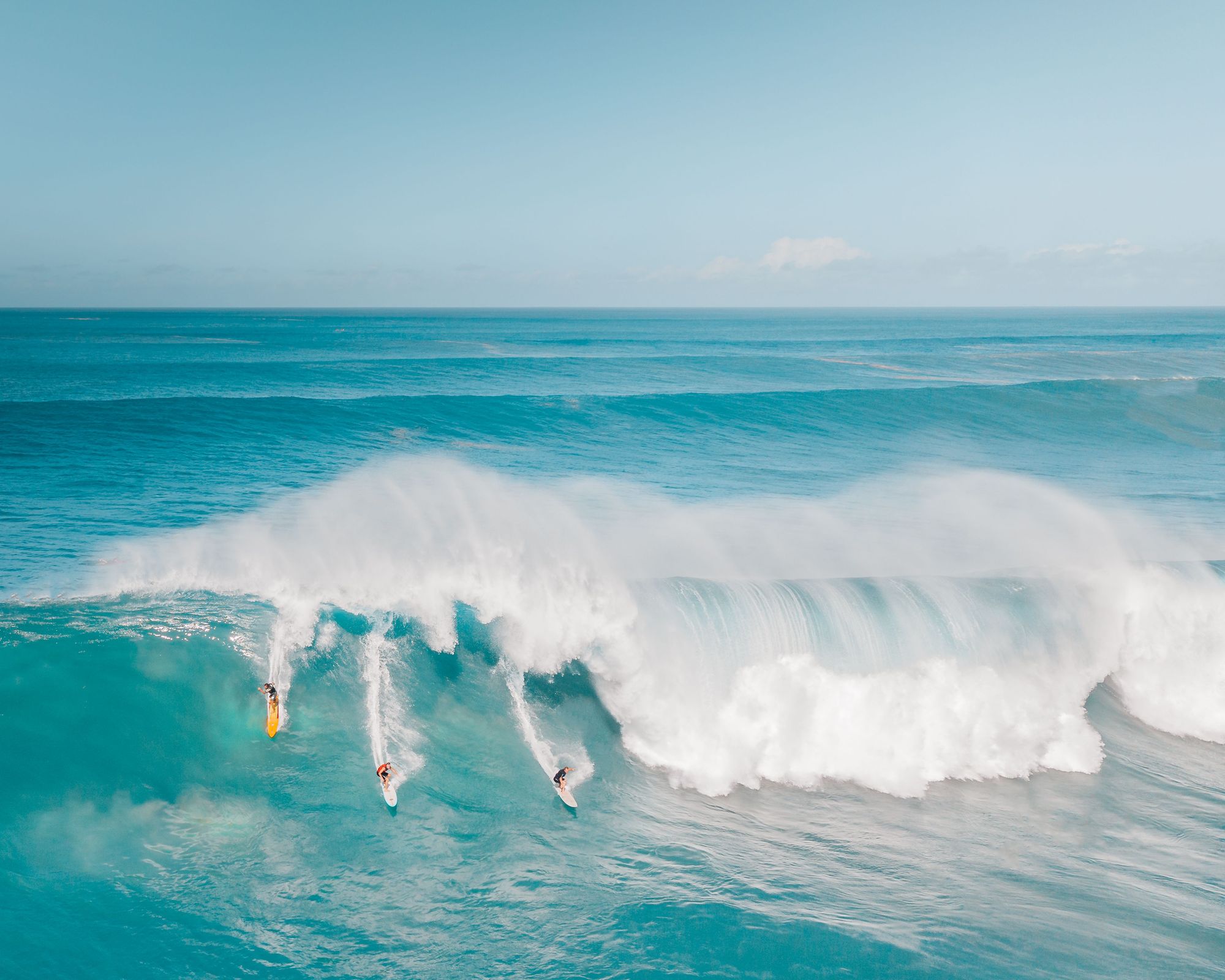
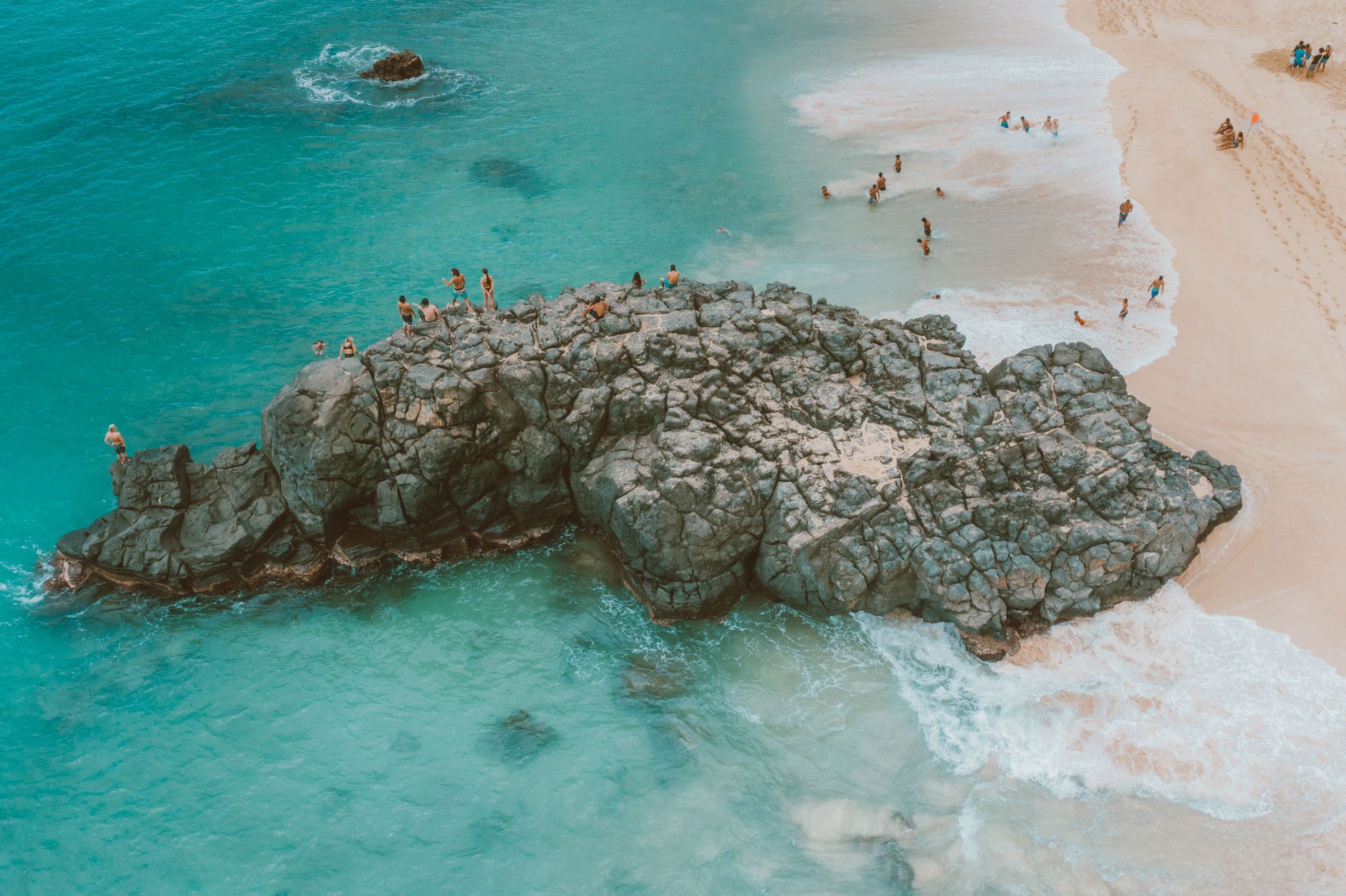
Storms make headlines, but the ocean is by far the greatest risk to visitors. State data has shown visitors drowning at roughly nine to twelve times the rate of residents, and snorkeling is the most common activity when it happens. Many visitors are not used to the powerful waves, rip currents and shorebreak of an open ocean, or have underlying heart conditions that the exertion triggers.
- Swim at lifeguarded beaches and ask the lifeguard about conditions.
- Never turn your back on the ocean, especially on rocks and ledges.
- Avoid north shores in winter and south shores during big summer swells.
- Snorkel with a buddy, use a well-fitting mask and float if you feel breathless.
- When in doubt, don't go out.
Read our full ocean safety guide and see the safest beaches for families.
Crime and common sense
Hawaii has low levels of violent crime against visitors. The common problem is theft from cars, especially at trailheads, beach car parks and scenic lookouts. Rental cars are easy to spot. Leave nothing in the car, not even in the boot, and do not leave valuables unattended on the beach. In Honolulu, use the same street sense as in any city at night. Homelessness is visible in parts of Honolulu and some beach parks; most people simply want to be left alone.
Nature hazards on land
- Flash floods: streams can rise in minutes after rain upstream. Never cross a fast-flowing stream.
- Leptospirosis: a bacterial infection found in fresh water; avoid swimming in streams and waterfall pools with open cuts.
- Cliffs and trails: stay on marked trails, respect closures and be careful on wet, muddy ground.
- Sun and heat: carry plenty of water and avoid long hikes in the midday sun.
- Altitude: Haleakalā and Mauna Kea are high and cold; go slowly and take warm clothes.
Hawaii is one of the safest and most welcoming places in the world to travel. The visitors who get into trouble are usually those who underestimate nature. Respect the ocean and the mountains, follow closures, and you will be fine.
Quick answers
Is it safe to travel to Hawaii right now?
Yes. In October 2026 all the main islands are open to visitors. Kauaʻi is still recovering from Hurricane Lowell, with some parks, trails and services closed or limited, and parts of Hawaiʻi Volcanoes National Park are closed because of activity at Kīlauea.
Is it safe to visit Kauaʻi after Hurricane Lowell?
Yes. Around 95% of visitor attractions and businesses were operating by mid-October 2026, and Hāʻena Beach Park and Limahuli Garden have reopened. Some areas remain closed, so check current updates before you go.
Is it safe to visit the Kīlauea volcano?
The open areas of Hawaiʻi Volcanoes National Park are safe when you follow closures. Since October 2026 some summit trails and overlooks are closed because of earthquakes and inflation, and the USGS posts daily updates.
What is the biggest danger for visitors in Hawaii?
The ocean. Visitors drown at many times the rate of residents, most often while snorkeling or swimming at unguarded beaches. Swim near lifeguards and ask about conditions.
Is Hawaii safe from crime?
Violent crime against visitors is rare. The most common problem is theft from rental cars at beaches and trailheads, so never leave valuables in the car.
More planning guides: passports and entry, do you need a car?, island hopping, packing list, packing for kids, is it safe right now? and hurricane season.
Facts checked October 2026. Rules, fares and closures change, so confirm with the official source before you travel.
- Honolulu Star-Advertiser: HTA seeks tourism emergency declaration after Lowell (October 2026)
- Hawaiʻi Tourism Authority: Kauaʻi travel update
- Go Hawaii: Hurricane Lowell visitor updates
- Hurricane Lowell (2026): track and impacts
- ABC7: Hurricane Lala skirts the Big Island (August 2026)
- The Weather Channel: Hurricane Nolo slammed Hawaii with wind, waves and rain
- Direct Relief: Kauaʻi slammed by Hurricane Lowell
- National Park Service: Kīlauea summit safety closures (7 October 2026)
- USGS Hawaiian Volcano Observatory: Kīlauea
- Hawaiʻi Ocean Safety: beach hazards and lifeguarded beaches
- Civil Beat: Hawaii tourists are drowning at far higher rates than locals