The Hawaiian Islands look small on a map, but they are mountain islands. A volcano or a range of cliffs often stands between you and the next beach, and the best places, a waterfall pool, a sunrise crater, a quiet bay, are usually at the end of a long road. Whether you need a car comes down to one question: which island are you on?
The short answer
| Island | Need a car? | Why |
|---|---|---|
| Oʻahu (Waikīkī) | Not really | Bus, rail, tours and walking; rent for a day or two |
| Oʻahu (outside Waikīkī) | Yes | Ko Olina, the North Shore and Kailua are spread out |
| Maui | Yes | Haleakalā, Road to Hāna and most beaches need a car |
| Big Island | Definitely | The island is huge; Kona to the volcano is about 2.5 hours |
| Kauaʻi | Yes | One main road around the island, limited buses |
Oʻahu and Honolulu
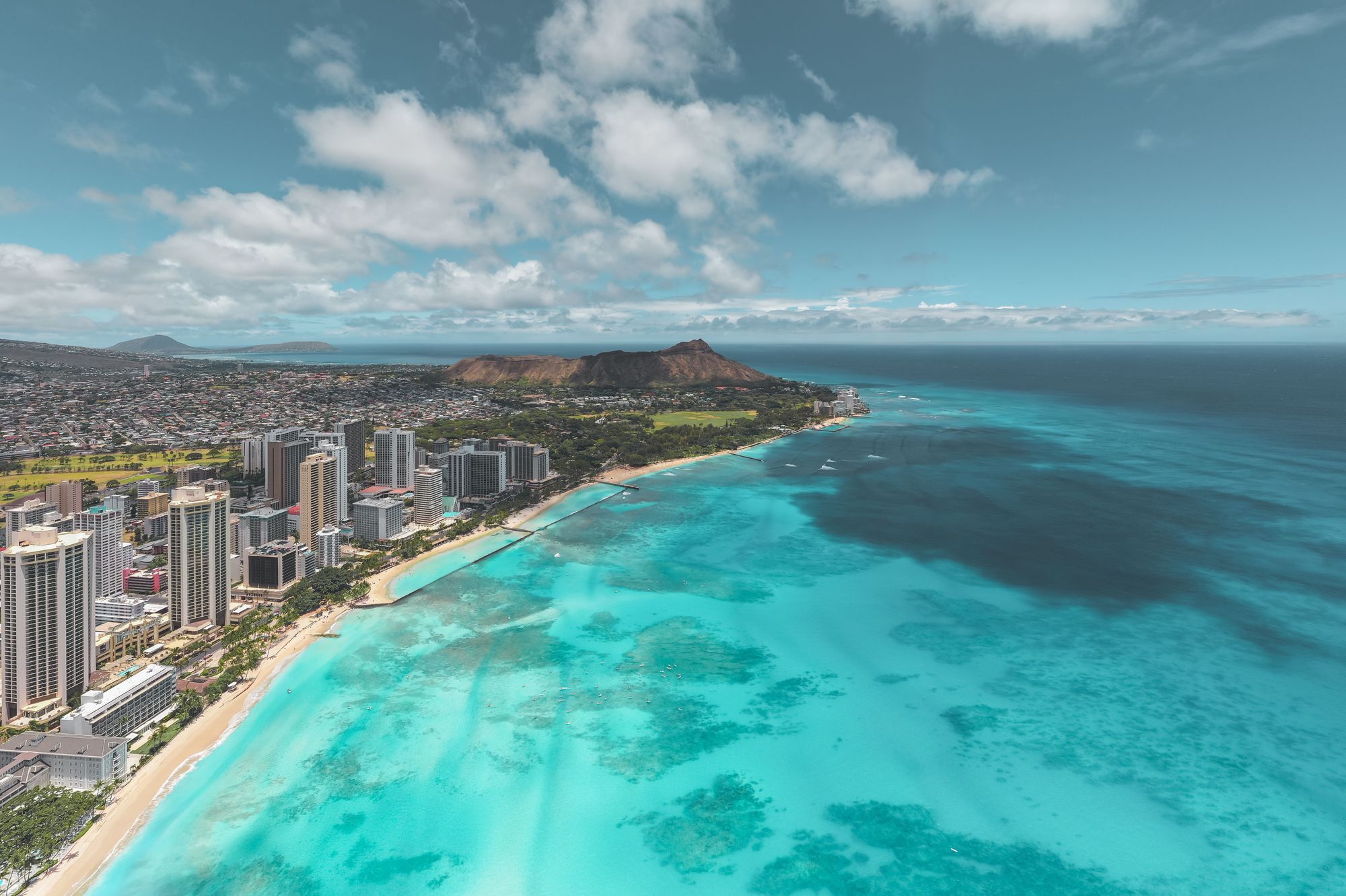
Oʻahu is the only island where going car-free is a genuinely good idea, as long as you stay in or near Waikīkī. Most of what visitors want in Honolulu is walkable or a short ride away: the beach, Diamond Head, Ala Moana Center, Chinatown and ʻIolani Palace. Hotel parking typically costs around $50 a night, so a car you rarely use can cost more than the rental itself.
TheBus covers the whole island, including Hanauma Bay, Pearl Harbor, Kailua and the North Shore. A ride costs $3 with a HOLO card ($3.25 cash since July 2026), and fare capping limits what you pay per day. The Skyline rail line now runs from East Kapolei to Middle Street in Kalihi, with a station at the airport (Lelepaua) since October 2025. It does not reach Waikīkī yet: the downtown extension is planned for 2031, so from the airport most visitors take a shuttle, taxi or rideshare.
The best plan for many visitors: no car for the Honolulu days, then a one- or two-day rental to drive the windward coast and the North Shore at your own pace. If you stay at Ko Olina, on the North Shore or in Kailua, you will want a car for the whole trip.
Maui
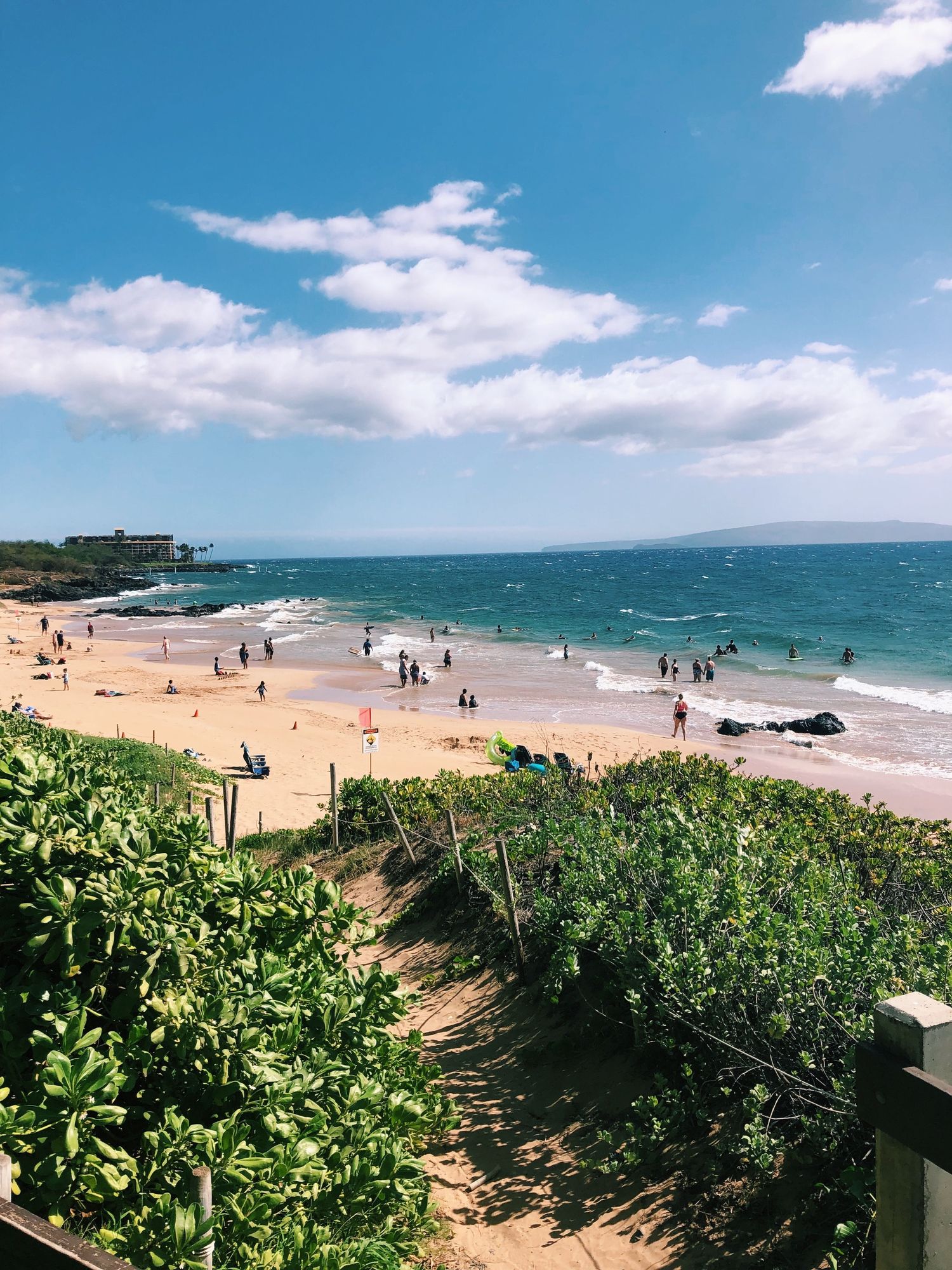
On Maui a car is close to essential. The resort areas of Kāʻanapali, Kapalua, Kīhei and Wailea are 30–60 minutes apart, and the island's great days out, sunrise at Haleakalā (a reservation is needed for sunrise), the Road to Hāna and Upcountry, are only reachable by road. The Maui Bus connects the main towns cheaply but is not built around visitors' schedules.
The Road to Hāna is a narrow, winding road with dozens of one-lane bridges. Drive it slowly, pull over to let locals pass, park only in legal spots and check conditions first: the state discourages travel on it during storms, as it did when Hurricane Nolo passed in September 2026.
The Big Island
The Big Island is bigger than all the other Hawaiian islands combined, and you cannot see it without a car. From the Kona side to Hawaiʻi Volcanoes National Park is about two and a half hours each way; from Kona to Hilo about two hours across the Saddle Road. Many visitors split their stay between the two sides.
Check your rental contract before driving to the summit of Mauna Kea: most companies forbid it, and the upper road needs a four-wheel drive. The same applies to rough roads such as the one to Green Sand Beach.
Kauaʻi
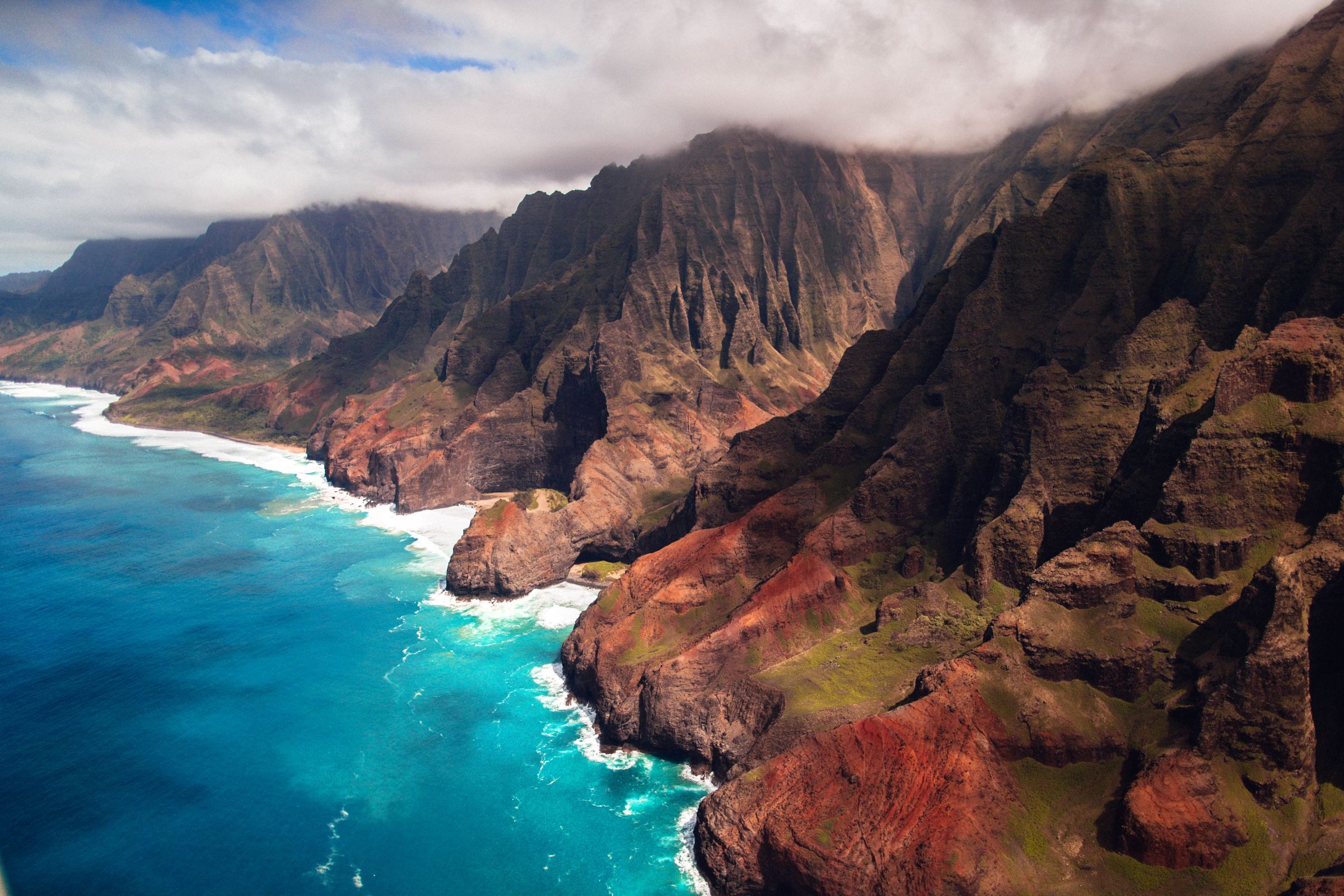
Kauaʻi has one main highway that runs most of the way around the island, stopping at the Nā Pali cliffs. Driving from Poʻipū in the south to Hanalei in the north takes about an hour and a half without traffic. The Kauaʻi Bus links the towns but runs infrequently, so a car is the practical choice.
After Hurricane Lowell in September 2026, some roads, parks and trails were closed or had restricted access; the road to Hāʻena and the Kalalau trailhead area runs under a permit and shuttle system. Check current conditions before you drive north. Our Kauaʻi hiking map has the latest status.
What a rental car really costs
In spring 2026 a midsize car averaged about $64 a day on Oʻahu, $70 on the Big Island, $82 on Maui and $92 on Kauaʻi. On top come the state surcharge of $7.50 a day (2026), airport concession fees and general excise tax, which together often add 20–30%. Gas cost about $5.60 a gallon in October 2026.
- Book early, especially for holidays: Hawaii's islands can run out of rental cars.
- Check your own insurance or credit card cover before paying for the rental company's.
- Skip the convertible or Jeep unless you really want one; they cost more and are less secure.
- Factor in parking: resort hotels charge nightly, and many popular beaches and parks charge non-residents for parking.
For the full trip budget, read how much a trip to Hawaii costs.
Driving in Hawaii the local way
- Never leave valuables in the car. Break-ins at trailheads and beach parking lots are the most common crime against visitors. Take your bag with you or leave it at the hotel.
- Let people in. Hawaii driving is unhurried; a shaka (thumb and little finger raised) says thank you.
- Respect one-lane bridges: yield to oncoming groups of cars and cross in turn.
- Do not stop on the highway to photograph a view or turtles; use pull-outs.
- Watch for closures and flash floods after heavy rain, especially on Kauaʻi, Maui's Hāna coast and the Big Island's east side.
Quick answers
Do you need a car in Hawaii?
On Maui, Kauaʻi and the Big Island, yes: public transport is limited and the best sights are spread out. On Oʻahu you can manage without one if you stay in Waikīkī, using TheBus, the Skyline rail line, tours and the occasional one-day rental.
Do you need a car in Honolulu?
No. Waikīkī, Ala Moana and downtown Honolulu are easy to reach on foot, by bus, bike share or rideshare, and hotel parking often costs around $50 a night.
How much does it cost to rent a car in Hawaii?
In spring 2026 a midsize car averaged about $64 a day on Oʻahu, $70 on the Big Island, $82 on Maui and $92 on Kauaʻi, before the $7.50 daily state surcharge, airport fees, tax and gas.
Can you get around Maui without a car?
Only with difficulty. The Maui Bus links the main towns, but Haleakalā, the Road to Hāna and most beaches are hard to reach without a car or tour.
Is driving in Hawaii difficult?
No. Traffic drives on the right, speed limits are low and drivers are generally relaxed. Honolulu rush hours are busy, and some rural roads are narrow, winding and have one-lane bridges.
More planning guides: passports and entry, do you need a car?, island hopping, packing list, packing for kids, is it safe right now? and hurricane season.
Facts checked October 2026. Rules, fares and closures change, so confirm with the official source before you travel.
- Hawaii-Guide: Hawaii car rental cost calculator
- Sovos: Hawaii rental motor vehicle surcharge rises to $7.50 a day (2026)
- AAA: Hawaii average gas prices
- Mass Transit: TheBus fare changes from 1 July 2026
- Skyline (Honolulu rail): stations and opening dates
- Hawaiʻi DOT: Hāna Highway travel advisories
- Go Hawaii: Hurricane Lowell visitor updates