Three miles of golden sand, a lava headland that Hawaiians knew as a doorway for souls, and humpbacks breaching offshore all winter. Here is how to enjoy Kāʻanapali well, and how to be a good guest in West Maui while Lahaina rebuilds.
Sunset at Puʻu Kekaʻa
Every evening, as the sun drops towards Lānaʻi, a conch shell sounds from the north end of Kāʻanapali Beach. A young man runs barefoot up the black lava of Puʻu Kekaʻa, lighting torches along the ridge as he climbs. At the top he offers a lei to the sea, pauses, and dives about 10 metres (35 feet) into the water below.
The ceremony lasts about ten minutes. It has been held at the Sheraton Maui, which stands on the rock, since 1963, and it honours Kahekili, the last independent ruling chief of Maui. Hundreds of people watch it from the sand. Few of them know that the rock they are looking at was, in Hawaiian belief, one of the places where the dead left this world.
What makes Kāʻanapali special
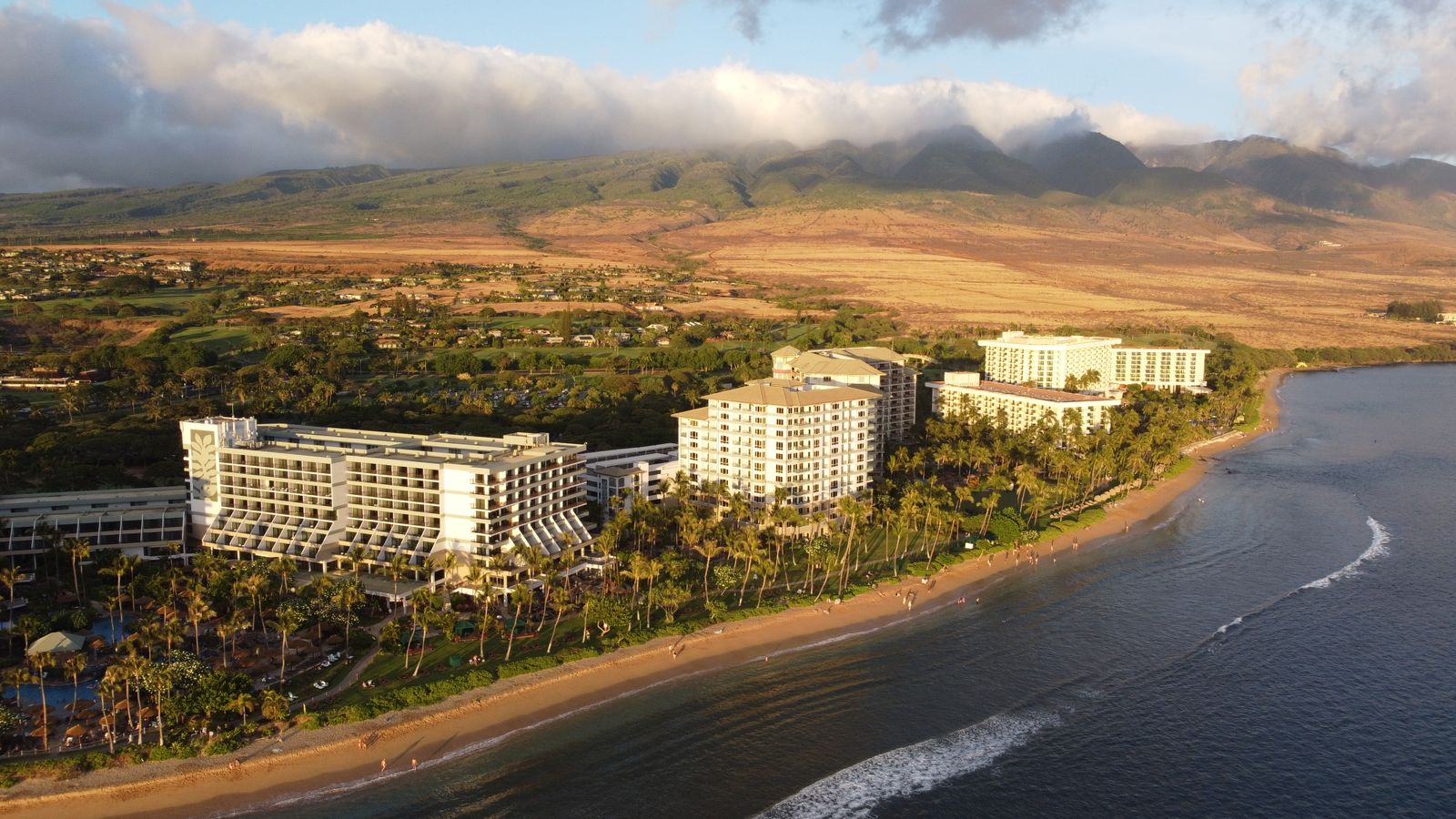
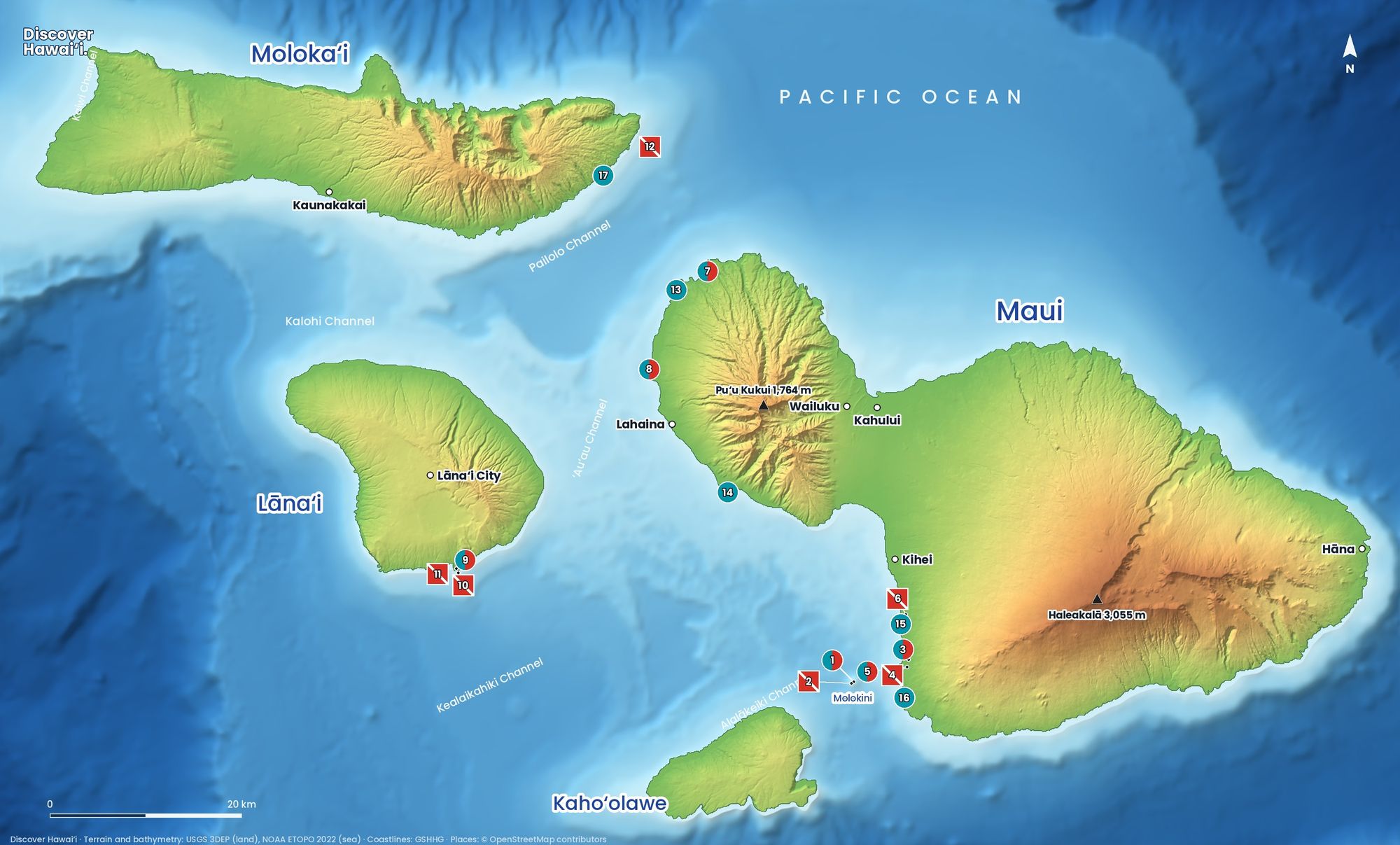
Kāʻanapali is a long, gently curving beach on Maui's west coast, roughly 3 miles (5 km) of sand facing the islands of Lānaʻi and Molokaʻi. Hotels, condominiums and the Whalers Village shopping centre line the back of the beach, linked by a paved beach walk. It is one of the most developed stretches of shore in Hawaiʻi, and it is also one of the easiest places on Maui to swim, snorkel and watch the sunset without a car.
The beach is not fixed. State records describe decades of serious seasonal erosion here, made worse by higher sea levels, and in 2026 sections of the beach walk were undercut and broken. Some days the sand is wide; other days waves wash right up to the walls. Follow any detours and signs, and expect the shoreline to look different from older photos.
Black Rock: a leaping place of souls
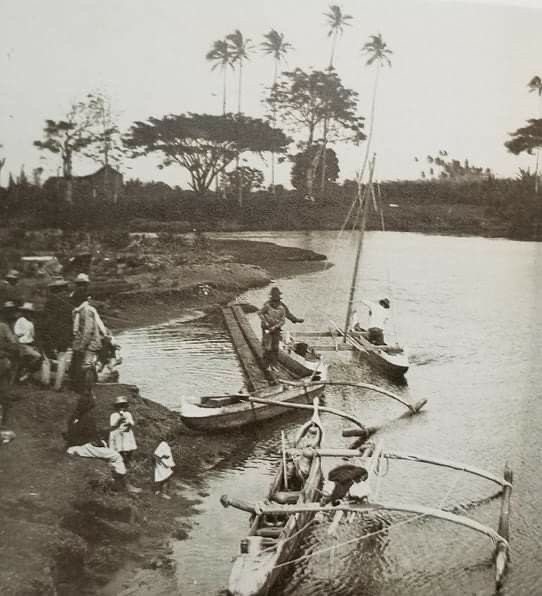
Puʻu Kekaʻa is a jagged spur of lava at the northern end of the beach. In Hawaiian tradition it is a leina a ka ʻuhane, a leaping place of the soul, where spirits of the dead jumped from the land into the next world. Because of that meaning it was a place of great power, and stories tell that warriors who died near it were believed to pass straight to the spirit world.
Kahekili, who ruled Maui in the second half of the 1700s and died in 1794, was famous for lele kawa, leaping feet first from cliffs into the sea as a test of courage and mana. Puʻu Kekaʻa was said to be one of his favourite places to jump, and the nightly dive is a tribute to him. His long rivalry with Kamehameha, and how Maui fell after his death, is part of the story told in our article on Kamehameha the Great.
Many visitors jump from the lower ledges of the rock. If you do, remember that the current around the point can be strong, the water depth varies, and this is a sacred site rather than a theme-park feature. Watching the ceremony, and learning what it means, is the better way to honour it.
Snorkelling at Black Rock
The waters on the south side of Puʻu Kekaʻa are among the most popular snorkelling spots on Maui. The rock creates reef habitat close to shore, so you can swim in straight off the sand and find reef fish and, often, green sea turtles (honu) within a few minutes.
- Go early. Mornings are usually calmest and clearest; trade winds pick up in the afternoon.
- Stay close to the rock but not on it. Surge can push swimmers against the lava, and the current is strongest off the tip.
- Give turtles space. Keep at least 3 metres (10 feet) away and never touch or chase them.
- Protect the reef. Do not stand on coral and use mineral sunscreen; Hawaiʻi bans sunscreens containing oxybenzone and octinoxate.
For other snorkel spots on the west and south coasts, see our Maui snorkelling and diving map.
Whales off Kāʻanapali in winter
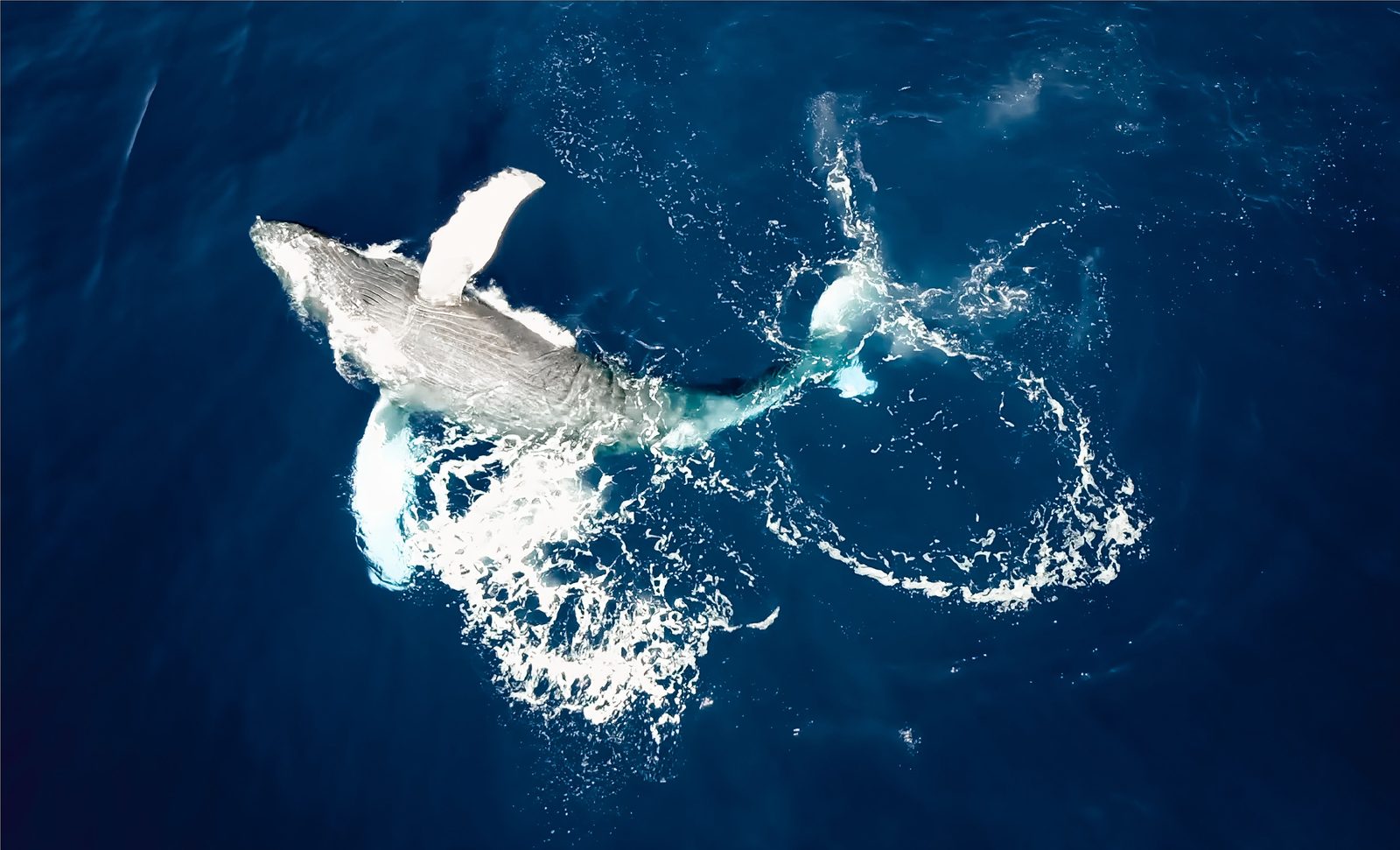
The channel between West Maui, Lānaʻi and Molokaʻi is one of the best places in the world to see humpback whales. They arrive from Alaska to mate, give birth and nurse their calves, and the season generally runs from November to May, with the most whales in the middle of winter. On a calm January morning you can often see spouts and breaches from the beach itself.
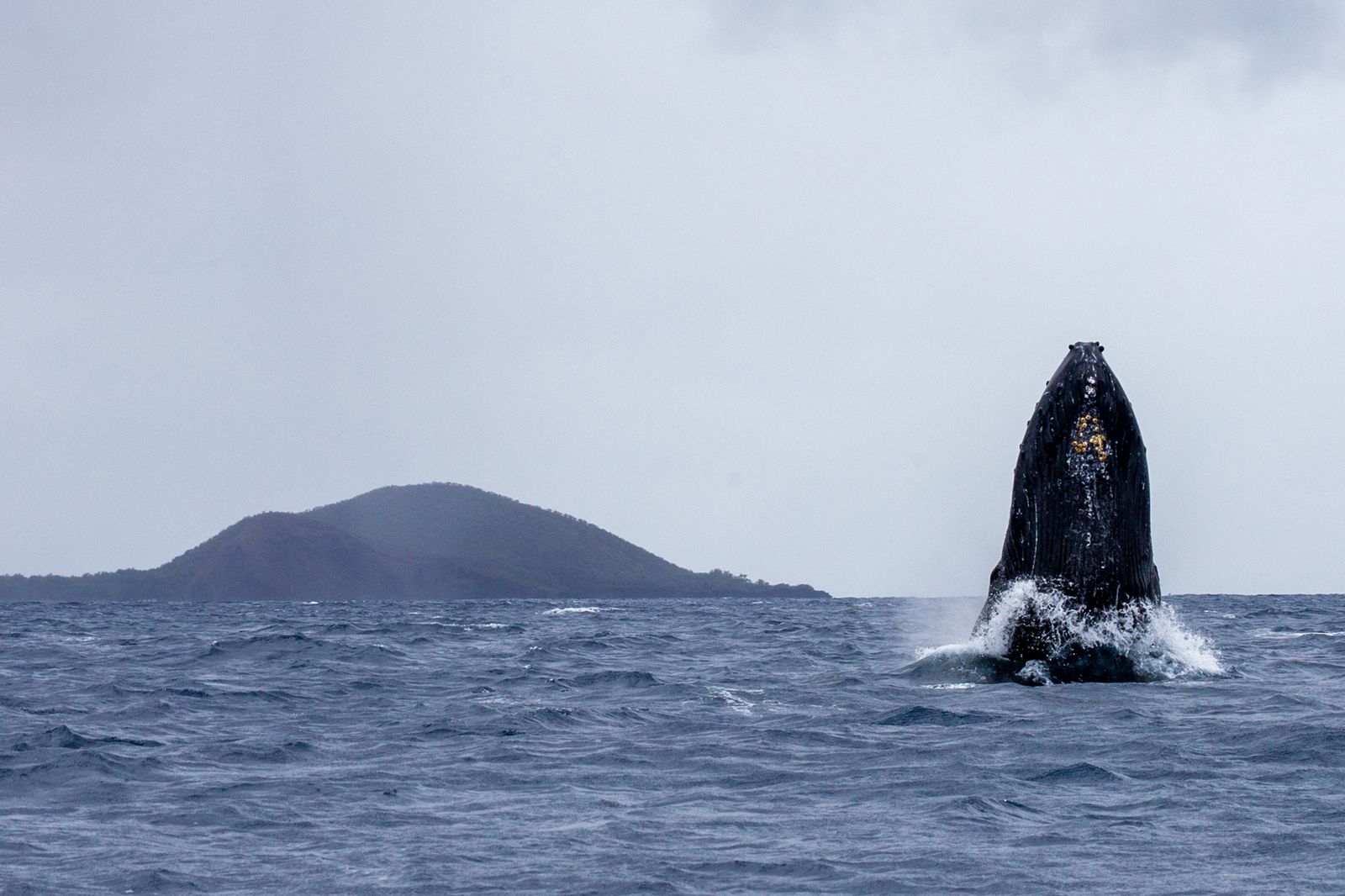
The waters around the main islands are part of the Hawaiian Islands Humpback Whale National Marine Sanctuary, designated in 1992. It is illegal to approach a humpback closer than 100 yards (about 90 metres) by boat, board, swimmer or drone, or 1,000 feet (about 300 metres) by aircraft. Whale-watching boats leave from Kāʻanapali Beach and from Lahaina Harbor; more tips are in our whale watching guide.
How to visit: parking, safety and timing
Parking. Most parking belongs to the resorts and Whalers Village and is paid. There are a few public beach access car parks between the hotels, but the spaces are limited and fill early, so arrive before about 9 a.m. or come by shuttle if you are staying nearby. Check posted signs carefully, as rules and prices change.
Ocean conditions. Kāʻanapali is usually gentle, but it is not a lagoon. The beach shelves steeply in places, and when a south or west swell arrives the shore break can knock people over. Do not assume a lifeguard is watching your stretch of sand, never swim alone, and if in doubt stay out. Our Hawaii ocean safety guide explains rip currents and shore break.
Best time. Mornings for snorkelling, late afternoon for the beach walk and the cliff dive at sunset. December to March for whales. The dive does not take place in bad weather.
Kāʻanapali, Lahaina and visiting with care
On 8 August 2023 wildfire destroyed most of Lahaina, the historic town a short drive south. More than two years on, recovery is slow and personal. Lahaina Harbor has reopened for boat operators and parts of Front Street are open again, but large areas remain reserved for residents. Kāʻanapali, with Honokōwai, Nāpili and Kapalua, is now where most West Maui visitors stay and spend.
- Stay out of closed areas. Do not stop, get out or take photos in the burn zone, and do not treat the banyan tree as a sight.
- Spend locally. Choose locally owned restaurants, Maui-made products and cultural programmes.
- Ask gently, or not at all. Some residents are happy to talk about the fire; many are not.
- Give properly. The Maui Strong Fund is run by the Hawaiʻi Community Foundation; check any other appeal before donating.
The town's longer story, from royal capital to whaling port, is in our history of Lahaina, and our guide to visiting Hawaiʻi respectfully covers the basics everywhere.
Nearby: what to combine with Kāʻanapali
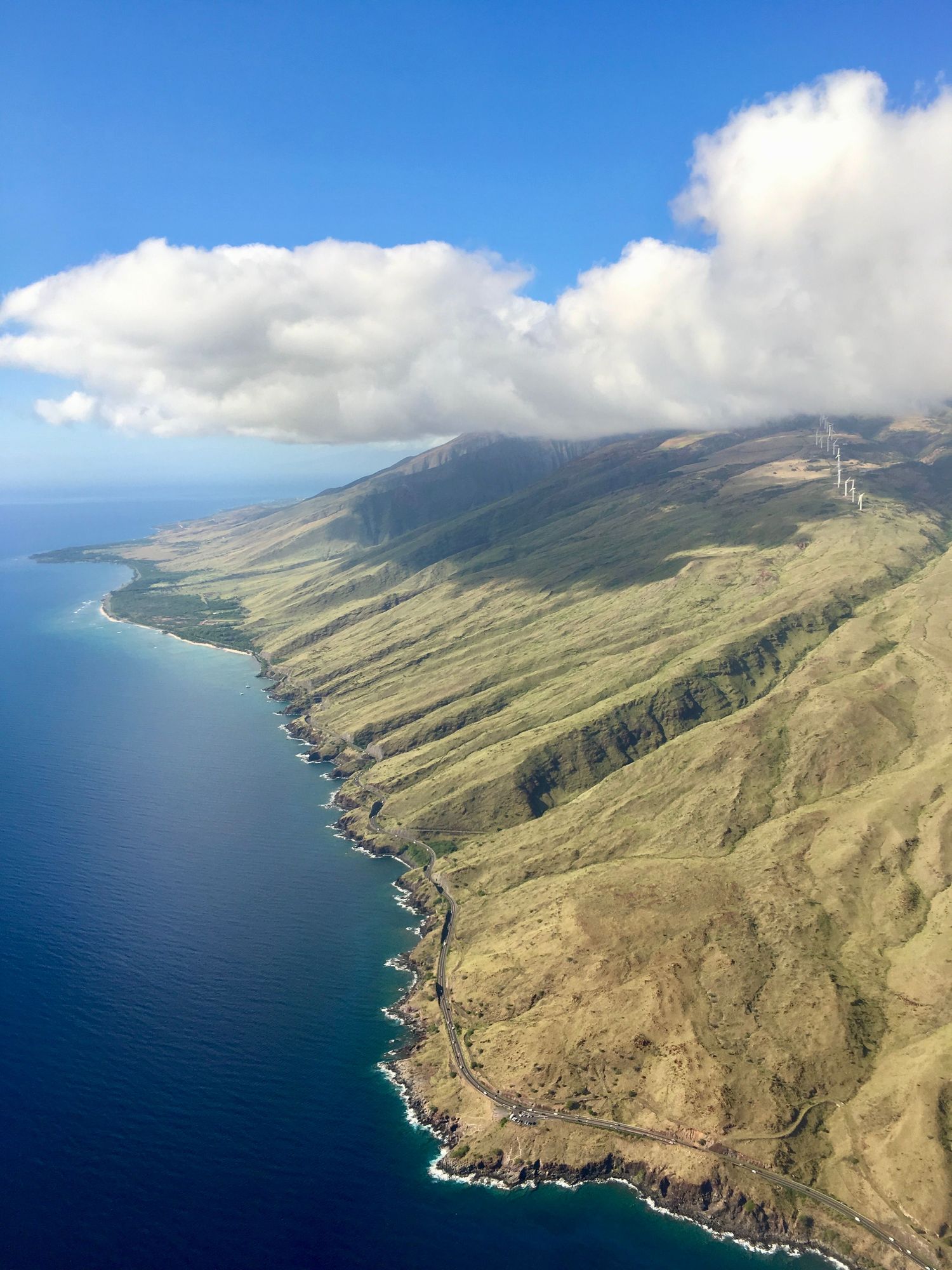
North of Black Rock the beach continues to Kahekili Beach Park, quieter and good for snorkelling on calm mornings. Further up the coast lie the bays of Nāpili and Kapalua, and in summer the marine reserve at Honolua Bay. Inland, the West Maui Mountains are often wrapped in cloud; ask locally before hiking, as many trails cross private or restricted land.
If you are planning a wider Maui trip, our things to do on Maui and Maui itinerary will help you balance the west side with Haleakalā, Hāna and the south coast. The stories behind Kahekili and the Maui chiefs are told in more depth in The History of Hawaii.
Quick answers
Can you swim at Kāʻanapali Beach?
Yes, on most days. The water is usually calm, especially in the morning, but the beach drops off quickly in places and shore break can be strong during south or west swells. Swim near other people, never alone, and stay out when waves are breaking hard on the sand.
What time is the Black Rock cliff dive?
The cliff dive ceremony at Puʻu Kekaʻa takes place every evening around sunset and lasts about ten minutes. It is free to watch from the beach or from the Sheraton Maui's bar, and it is cancelled in bad weather.
Is it OK to jump off Black Rock in Maui?
Many visitors do, but it is not risk-free. Currents around the point can be strong and the rock is a sacred site, a traditional leaping place of souls. If you jump, use the lower ledges, check the water first and never jump alone.
Where do you park for Kāʻanapali Beach?
Most parking is paid, in resort lots or at Whalers Village. A few small public beach access car parks sit between the hotels, but they fill early. Arrive before about 9 a.m. and follow posted signs.
When can you see whales from Kāʻanapali?
Humpback season in Hawaiʻi generally runs from November to May, and the busiest months are in mid-winter. You can often see spouts and breaches from the beach; boats must stay at least 100 yards away.
Facts checked October 2026. Reservations, fees, opening hours and trail or road closures change often in Hawaii, so confirm with the official source before you go.