Maui and Kauaʻi are the two islands people dream about when they picture Hawaii. Maui is the polished one, with grand resorts, long beaches and a crater above the clouds. Kauaʻi is the wild one, the oldest of the main islands, where five million years of rain have carved cliffs, canyons and valleys that look like another planet. Here is how to choose.
The short answer
Choose Maui for beaches, resorts, a lively mix of things to do, whales and Haleakalā. Choose Kauaʻi for scenery, hiking, boat trips along the Nā Pali Coast and a slower, more rural Hawaii. Maui is easier for a first trip and for families who want calm resort beaches; Kauaʻi rewards travellers who love nature and do not mind rain.
Side by side
| Maui | Kauaʻi | |
|---|---|---|
| Character | Resorts, beaches, variety | Wild, green, rural |
| Signature sights | Haleakalā, Road to Hāna, Molokini | Nā Pali Coast, Waimea Canyon, Hanalei Bay |
| Beaches | Long, golden, often calm | Beautiful but more exposed; Poʻipū calmest |
| Hiking | Good | Outstanding (some trails closed in 2026) |
| Nightlife and dining | More choice | Low-key |
| Hotel price (June 2026) | About $563 | About $450 |
| Rental car (midsize, spring 2026) | About $82 a day | About $92 a day |
| Best for | Beach holidays, couples, families | Nature lovers, hikers, honeymooners |
Choose Maui if…
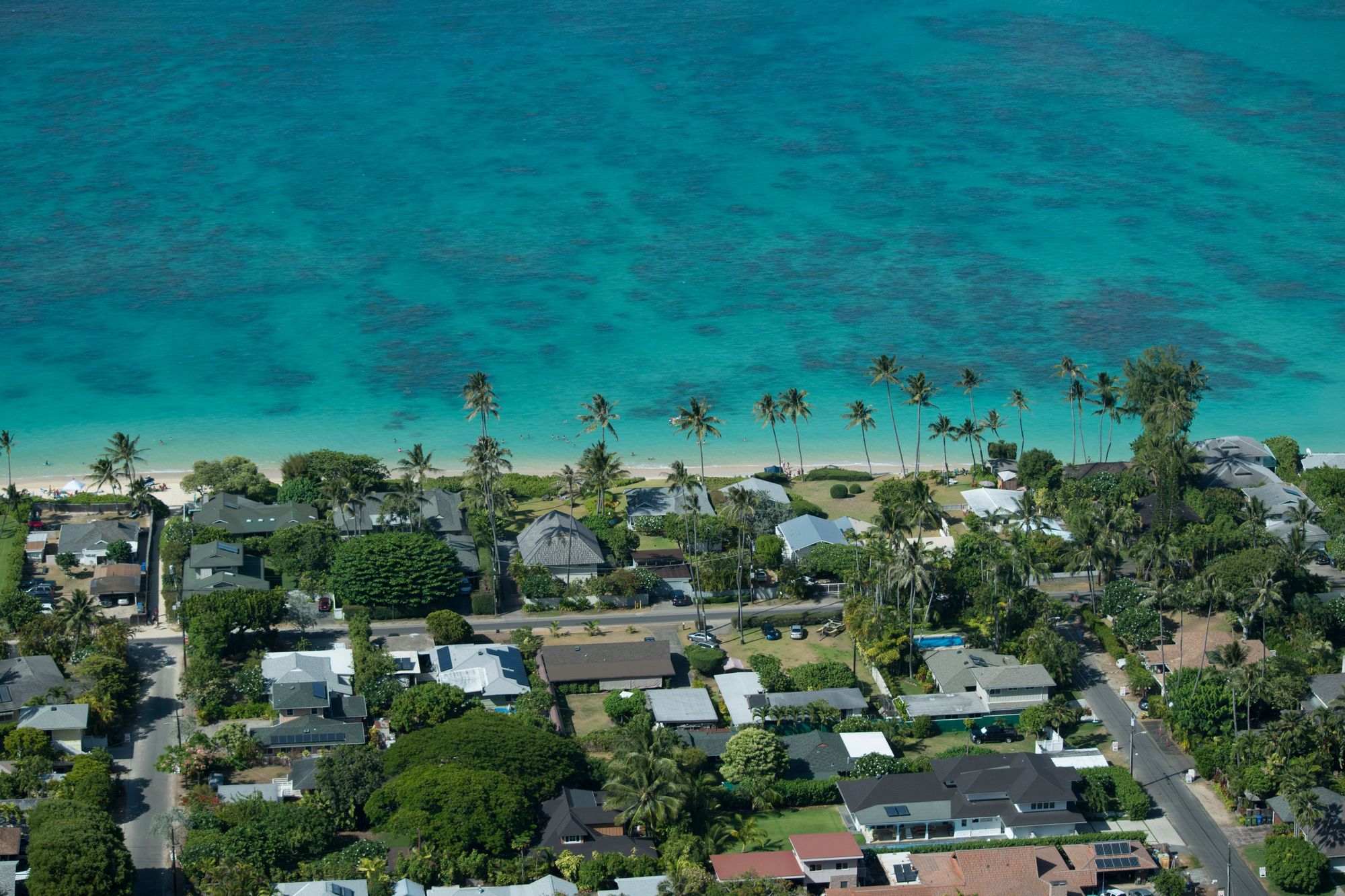
- You want beach days on long, golden sand with calm morning water.
- You want to watch the sunrise from Haleakalā and drive the Road to Hāna.
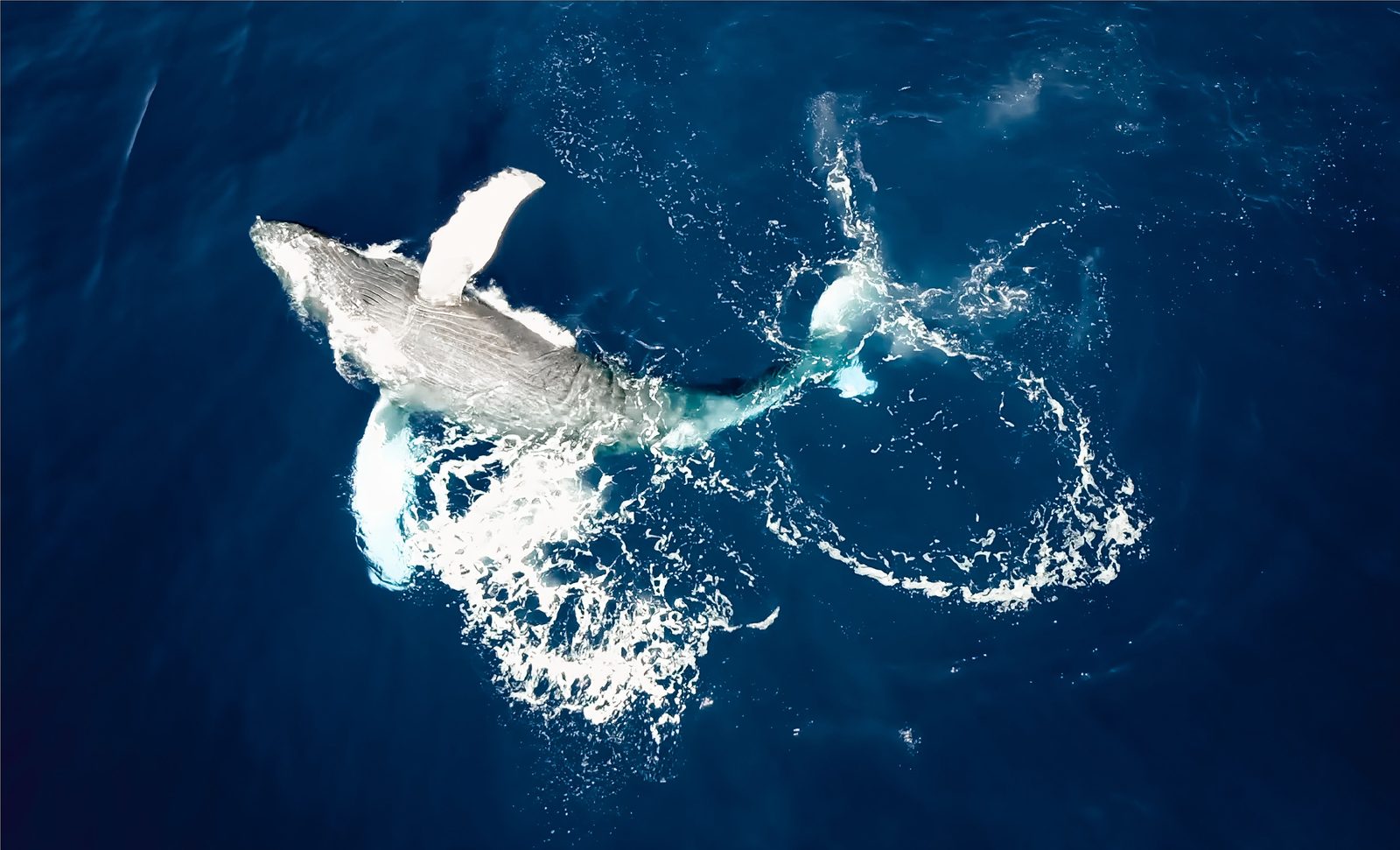
- You are travelling in winter for the whales, which are densest in Maui's channels.
- You want more restaurants, shops and activities.
Choose Kauaʻi if…
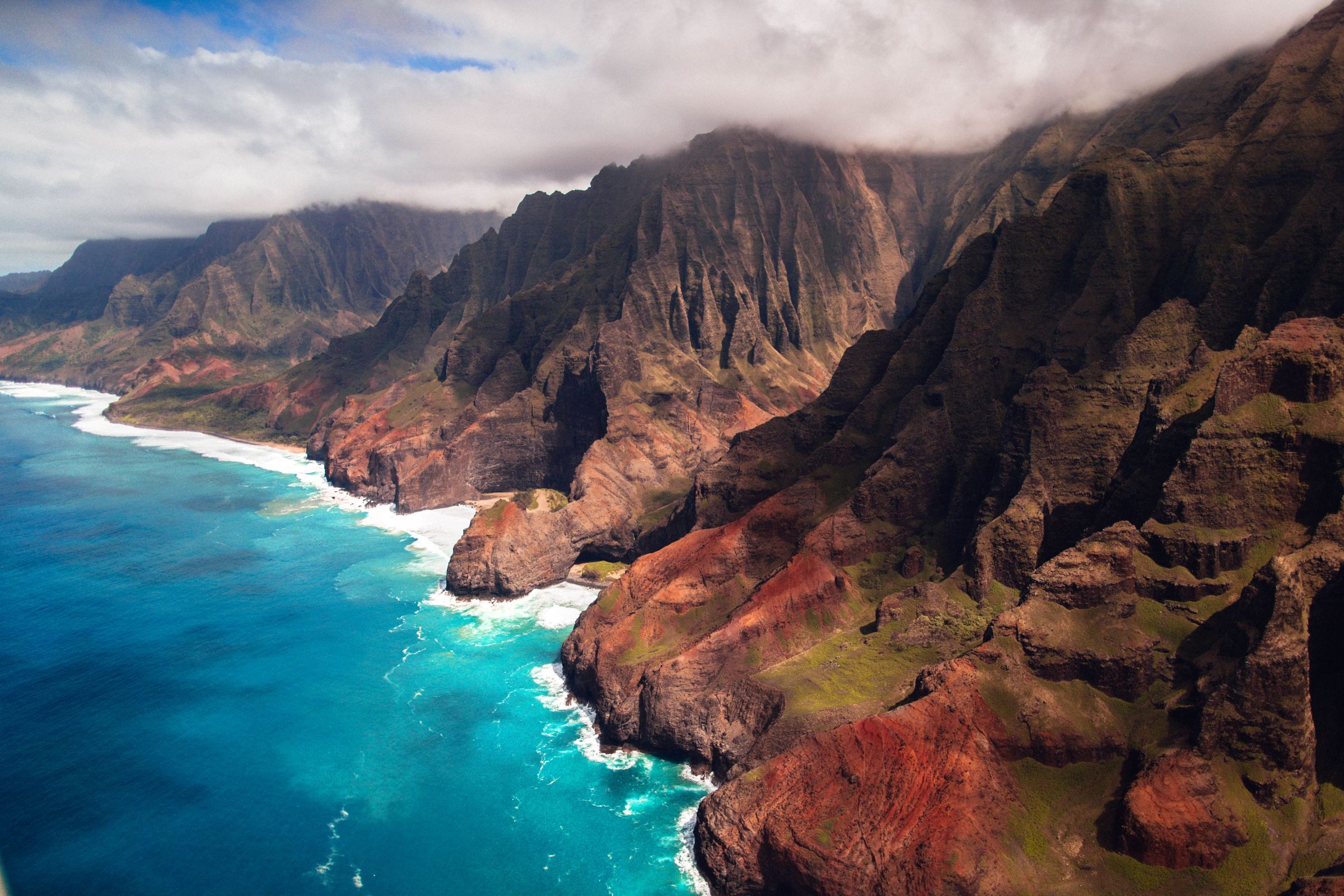
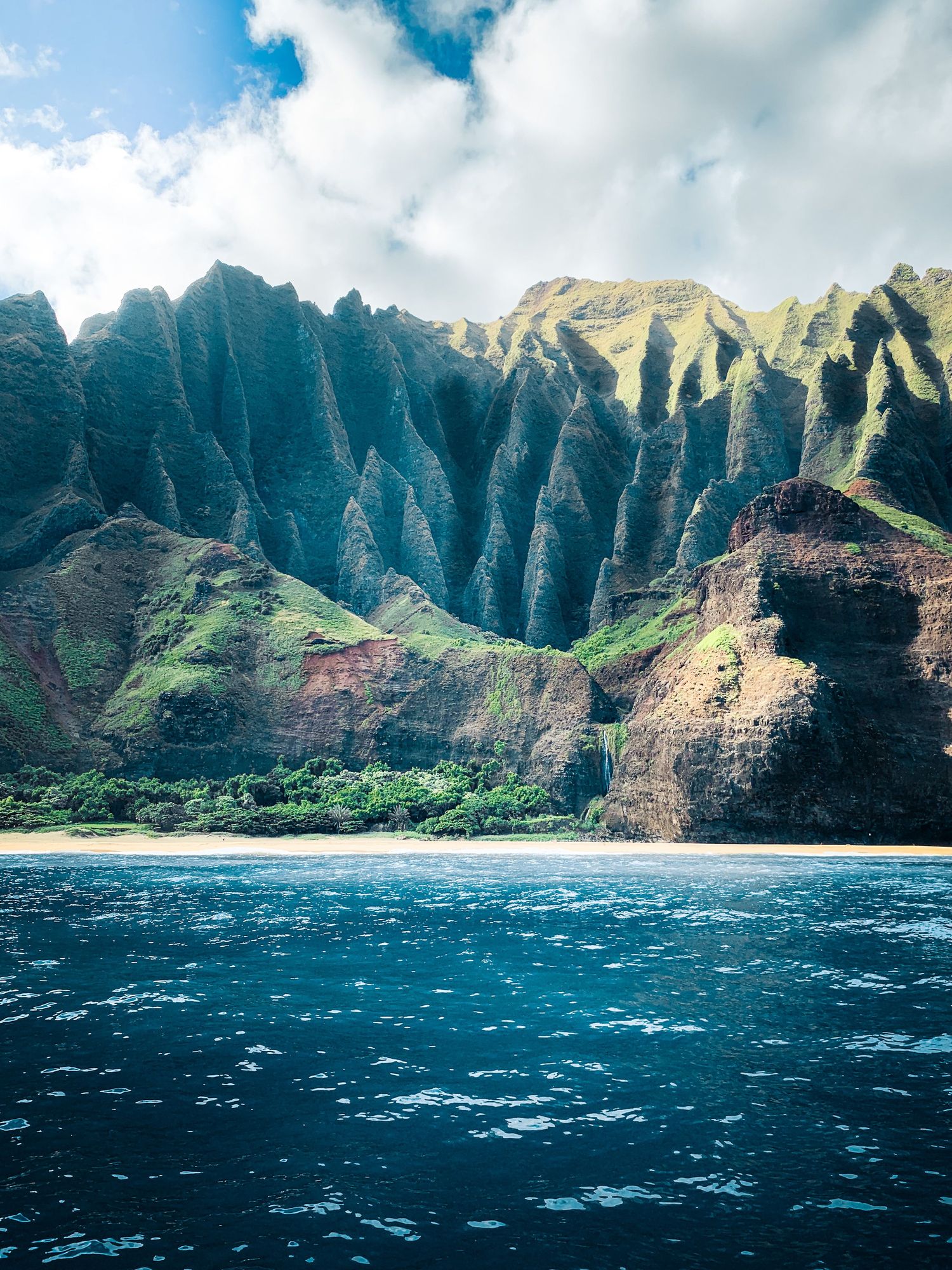
- You want scenery above all: the Nā Pali cliffs, Hanalei Bay and Waimea Canyon.
- You love hiking, kayaking and boat trips.
- You want quiet: no high-rises, small towns and empty beaches.
- You are on honeymoon and want romance and drama rather than nightlife.
Kauaʻi in autumn 2026
Hurricane Lowell passed west of Kauaʻi on 8 September 2026, the island's worst storm since Iniki in 1992. By mid-October about 95% of visitor businesses were operating and Hāʻena State Park reopened on 15 October, but Waimea Canyon and Kōkeʻe State Parks and most other state parks remained closed until further notice, and the Kalalau Trail beyond two miles was closed. Nā Pali boat tours and helicopter flights were running. If the canyon is high on your list, check the latest status before choosing Kauaʻi for an autumn or winter 2026 trip; see our Kauaʻi itinerary.
Weather and seasons
Both islands are warm all year, with sunny leeward coasts and wetter windward ones. Kauaʻi is the wetter island overall: its North Shore is green because it rains often, and the summit of Mount Waiʻaleʻale is among the rainiest places on Earth. In winter, big swells close many North Shore beaches on both islands to swimming; Poʻipū on Kauaʻi and Wailea on Maui stay calmer. Summer brings the calmest seas for Nā Pali tours and Hanalei Bay.
If you have two weeks, combine them: four or five nights on Kauaʻi, then a week on Maui. There are direct flights between Līhuʻe and Kahului, although inter-island fares rose sharply in 2026.
A day on each island
On Maui, a perfect day might be a dawn boat to Molokini, where the water inside the crater is so clear you can see fish 100 feet down, followed by a lazy afternoon on Kāʻanapali Beach and dinner as the sun drops behind Lānaʻi. Everything is close, comfortable and easy.
On Kauaʻi, the same day might begin on a boat out of Port Allen, sailing beneath the 3,000-foot sea cliffs of the Nā Pali Coast as spinner dolphins ride the bow. Afternoon is a walk among taro fields in Hanalei, with waterfalls streaking the mountains after a passing shower, and evening is a fish taco at a food truck while the light turns gold. Kauaʻi asks a little more of you, and gives back something wilder.
When to go
Every island is warm all year, with daytime highs at the coast of about 80–88°F (27–31°C). The seasons change the ocean more than the weather: from November to March big swells pound north-facing shores and humpback whales arrive; from May to September north shores calm down and south shores get the surf. Prices peak over Christmas and New Year, spring break and midsummer. The best-value months are usually late April to early June and September to early November; hurricane season runs from June to November. See the best time to visit Hawaii.
On Kauaʻi, summer brings the calmest seas for Nā Pali boat tours and North Shore swimming; in winter, Poʻipū on the south shore is the safer bet. On Maui, winter is whale season and the busiest time of year.
Quick answers
Is Maui or Kauaʻi better?
Maui is better for beaches, resorts, whales and Haleakalā; Kauaʻi for dramatic cliffs, hiking, gardens and a quieter, greener island. In autumn 2026 some of Kauaʻi's famous parks are still closed after Hurricane Lowell.
Is Kauaʻi less crowded than Maui?
Yes. Kauaʻi has fewer visitors, no high-rise buildings and a slower pace. After Hurricane Lowell, visitor numbers fell sharply in autumn 2026.
Which is more expensive, Maui or Kauaʻi?
Maui. In June 2026 hotels averaged about $563 a night on Maui and $450 on Kauaʻi, but Kauaʻi had the highest rental car prices in the state.
Can you see the Nā Pali Coast from Maui?
No. The Nā Pali Coast is on Kauaʻi. You can see it by boat, helicopter or on foot from Hāʻena.
More comparisons: Maui vs Oʻahu, Maui vs Kauaʻi, Maui vs the Big Island, Oʻahu vs Kauaʻi, Maui vs Oʻahu vs Kauaʻi, Kona vs Hilo and the best island for kids.
Facts checked October 2026. Prices are averages and conditions change, especially after storms; check the official sources before you travel.
- Hawaiʻi Tourism Authority: hotel performance reports
- Hawaii-Guide: Hawaii car rental cost calculator
- Honolulu Star-Advertiser: Kauaʻi tourism after Lowell (October 2026)
- DLNR: Hāʻena State Park reopening and Kauaʻi park status, 13 October 2026
- NOAA Hawaiian Islands Humpback Whale National Marine Sanctuary
- Beat of Hawaii: inter-island fares in 2026