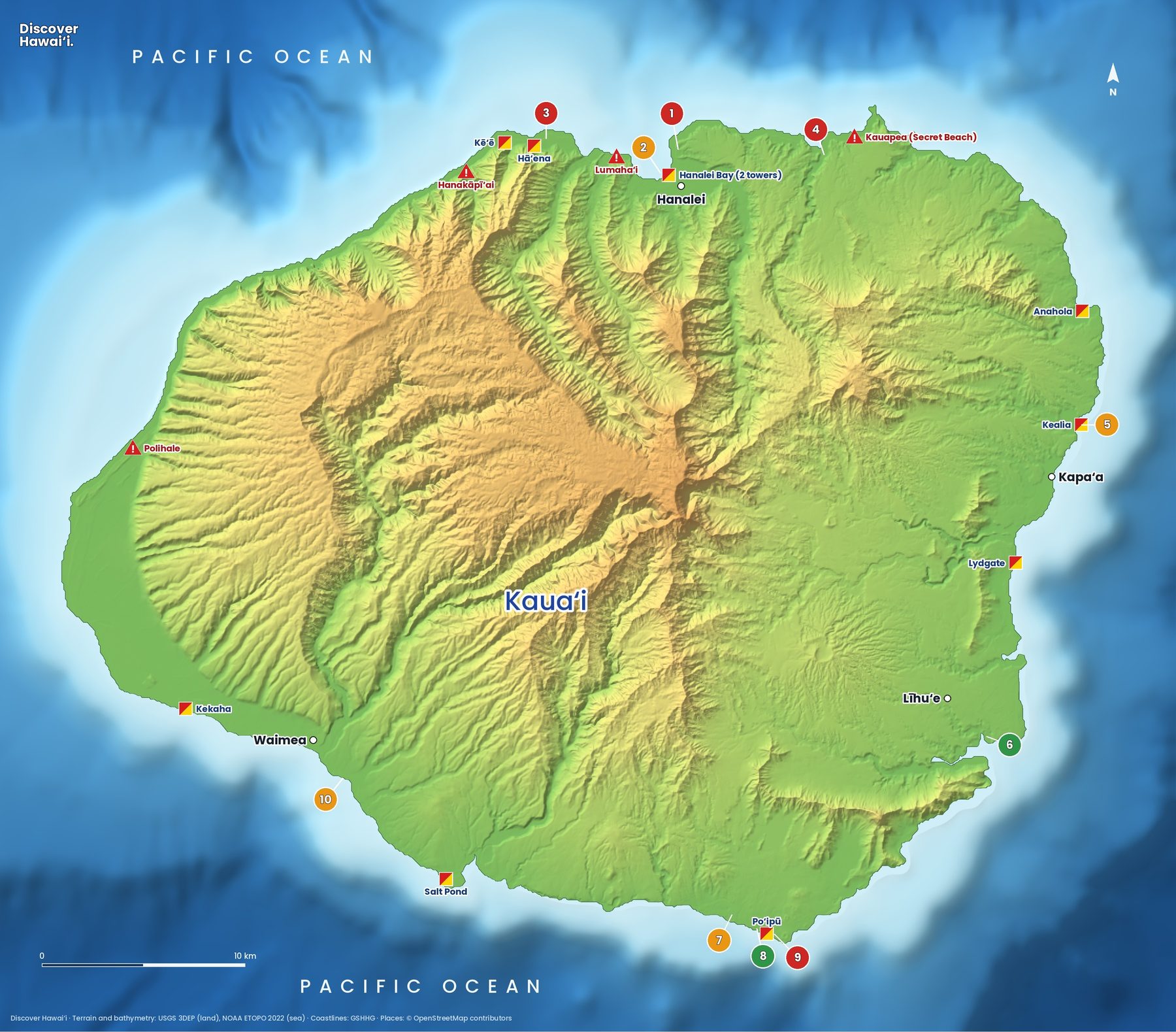
Hawaii's ocean is warm, clear and inviting, but it is also the open Pacific, and most drownings here happen to visitors. The good news: every island has calm, lifeguarded beaches that are perfect for children. These maps show the lifeguard towers and danger zones on Oʻahu, Kauaʻi and Maui, and here are the beaches we would pick for a family day.
Are Hawaii's beaches safe for kids?
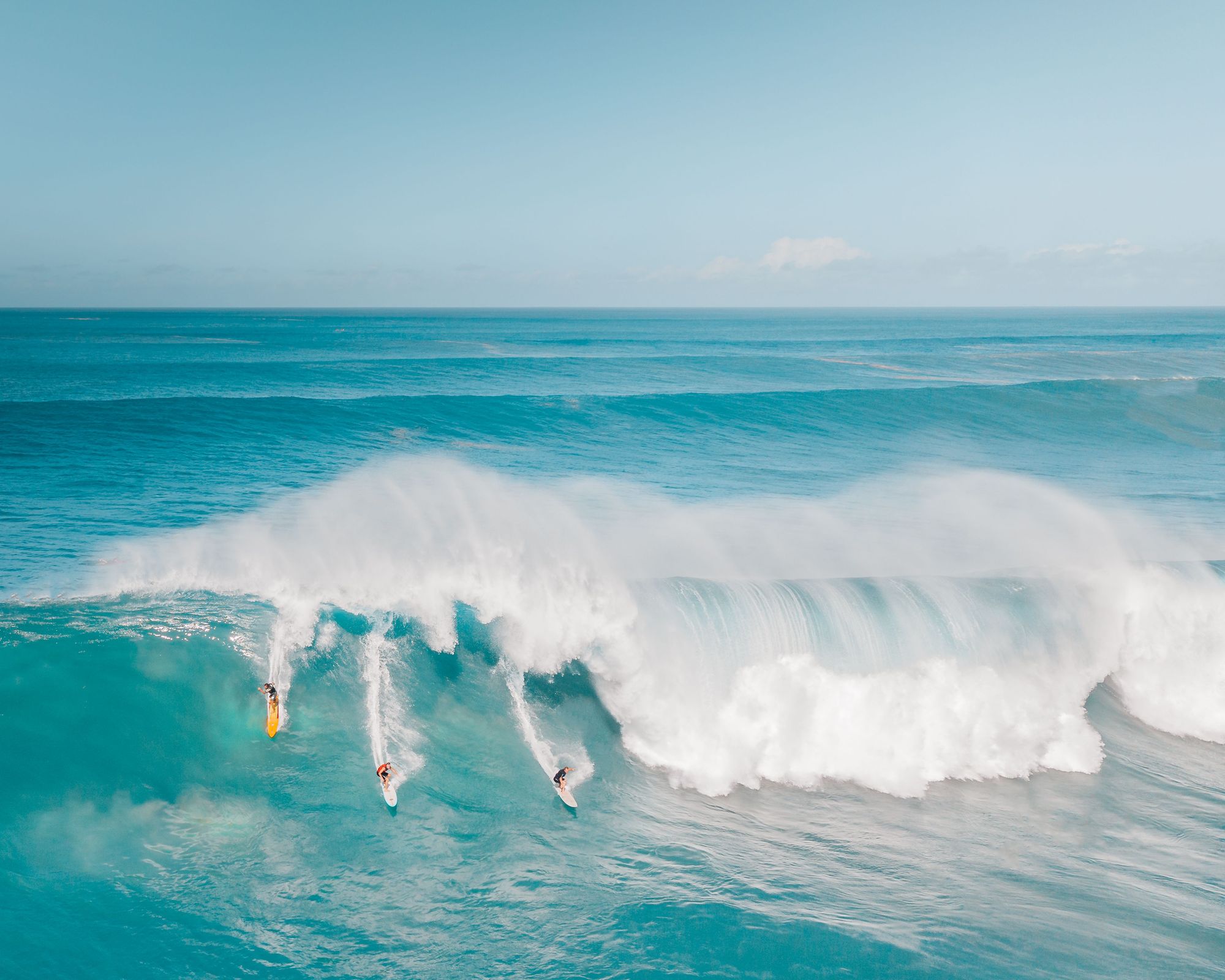
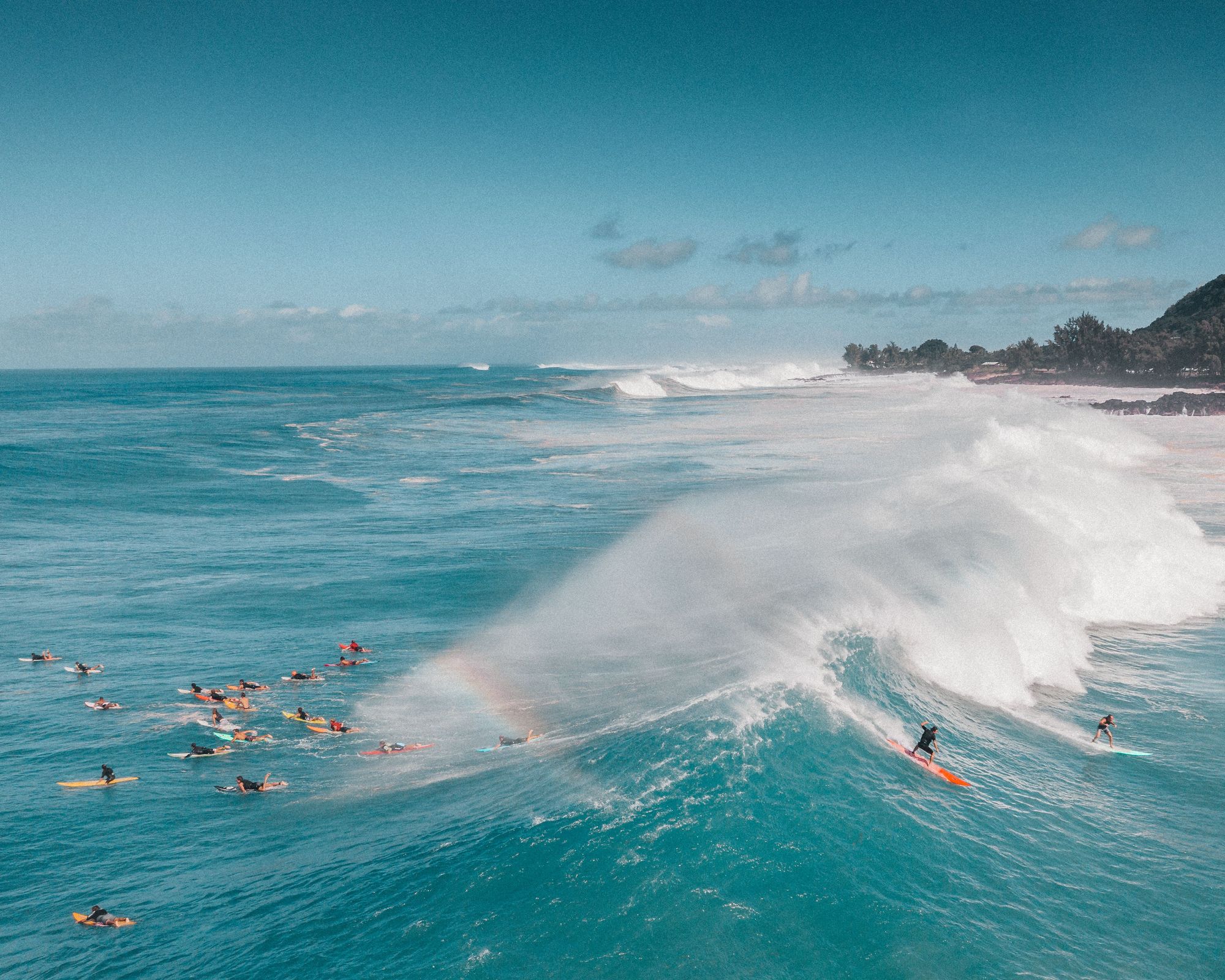
Yes, if you choose the right beach on the right day. The same beach can be a gentle paddling pool in summer and a churning shorebreak in winter. As a rule, north shores are calm in summer and rough in winter, and south shores are the opposite. Look for a lifeguard tower, read the warning signs at the entrance, and ask the lifeguard where the safest spot is that day: they are friendly, and that is their job.
The safest places for small children are beaches with a natural or built barrier against the waves: a reef, a rock wall or a sheltered lagoon. Several of the picks below are exactly that.
What are the safest beaches on Oʻahu for families?
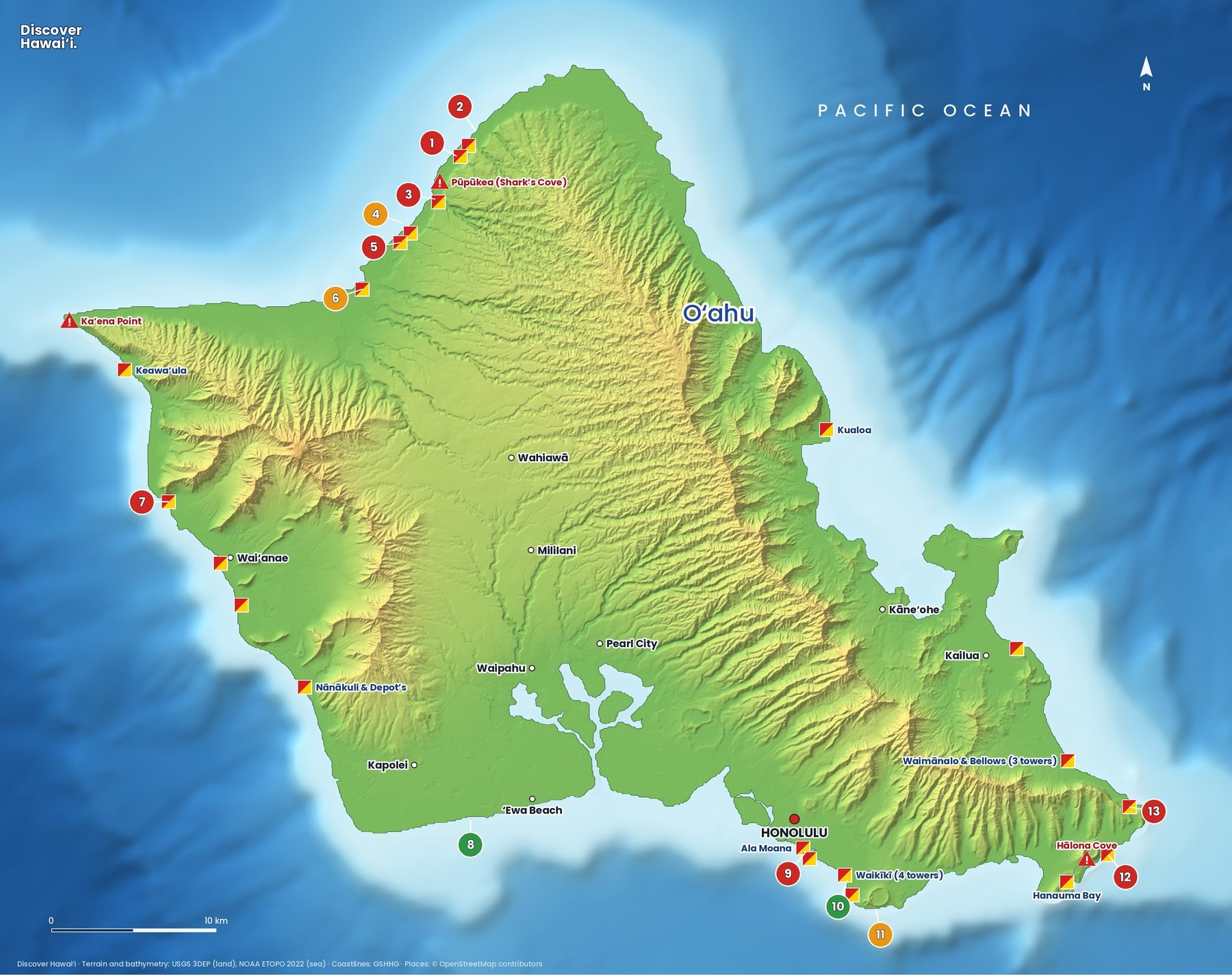
Ala Moana and Magic Island next door have a man-made lagoon protected by a rock wall: shallow, calm and lifeguarded, right in Honolulu. In Waikīkī, the stretch near Kūhiō Beach has walls that create calm pools close to the sand, with four lifeguard towers along the beach. On the windward side, Kailua Beach has soft sand and usually small waves, though the trade winds can make it choppy.
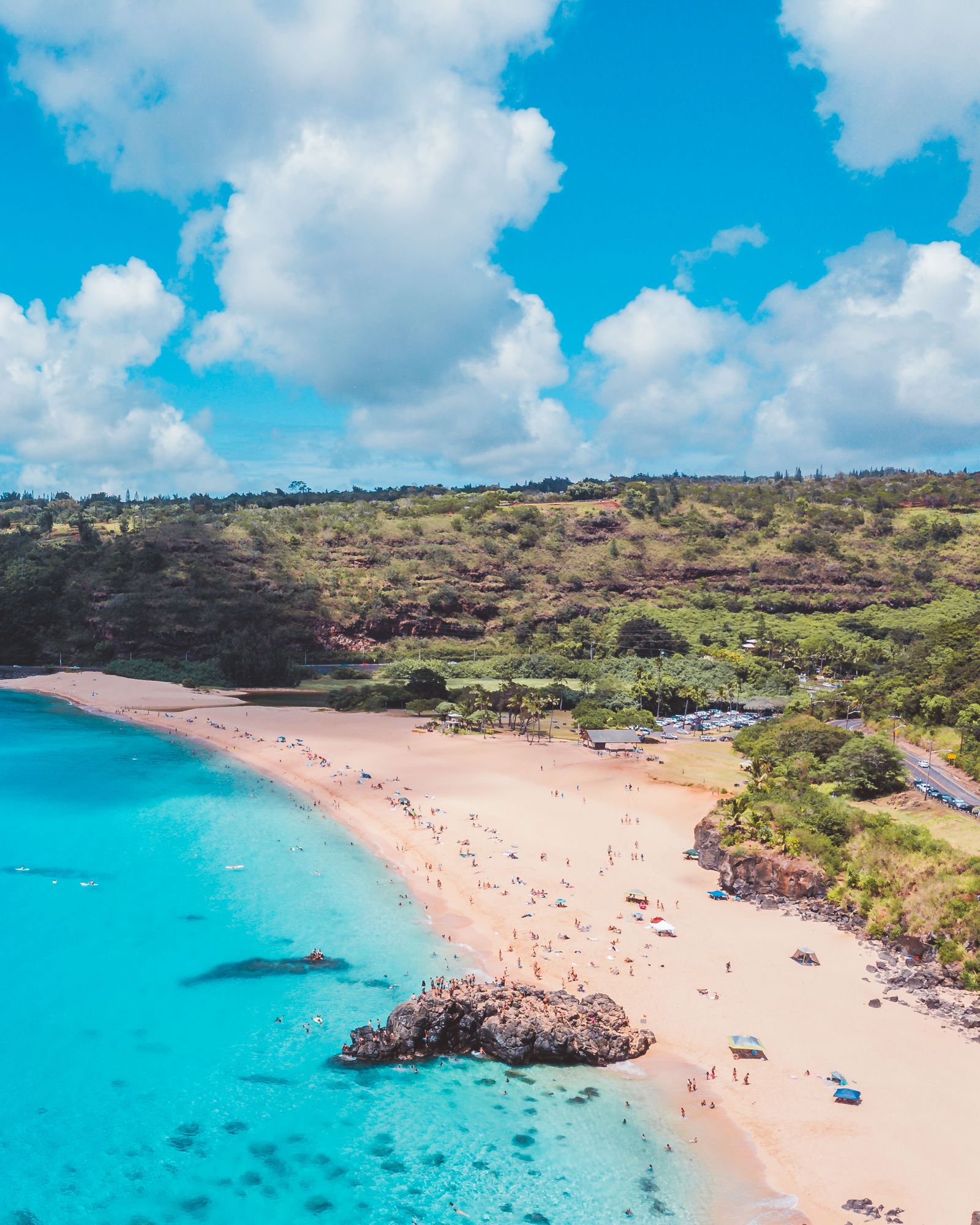
Hanauma Bay is an excellent first snorkel for older children, with fish in waist-deep water; book the non-resident reservation online two days ahead. On the North Shore, Waimea Bay is often like a lake in summer, but never let children near the water there in winter.
What are the safest beaches on Kauaʻi for families?
Beach status · October 2026
Kauaʻi is still recovering from Hurricane Lowell (September 2026). Salt Pond Beach Park remained closed in mid-October, and the road to Hāʻena and Kēʻē was open to local traffic only. After heavy rain, Kauaʻi Ocean Safety asks people to stay out of brown, murky water for 48 to 72 hours. Check the County of Kauaʻi updates before you go.
Poʻipū Beach Park on the sunny south shore is Kauaʻi's best family beach. A sandbar creates a shallow, protected area for small children, lifeguards watch it every day, and Hawaiian monk seals often sleep on the sand nearby (stay well back). On the east side, Lydgate Beach Park has two large swimming ponds enclosed by lava-rock walls, plus a big playground. Kalapakī in Līhuʻe is a sheltered bay with gentle waves where children can try boogie boarding.
In summer, Hanalei Bay is calm and lifeguarded, with plenty of room for sandcastles. Salt Pond, usually another favourite with natural rock pools, was closed after the 2026 hurricane.
What are the safest beaches on Maui for families?
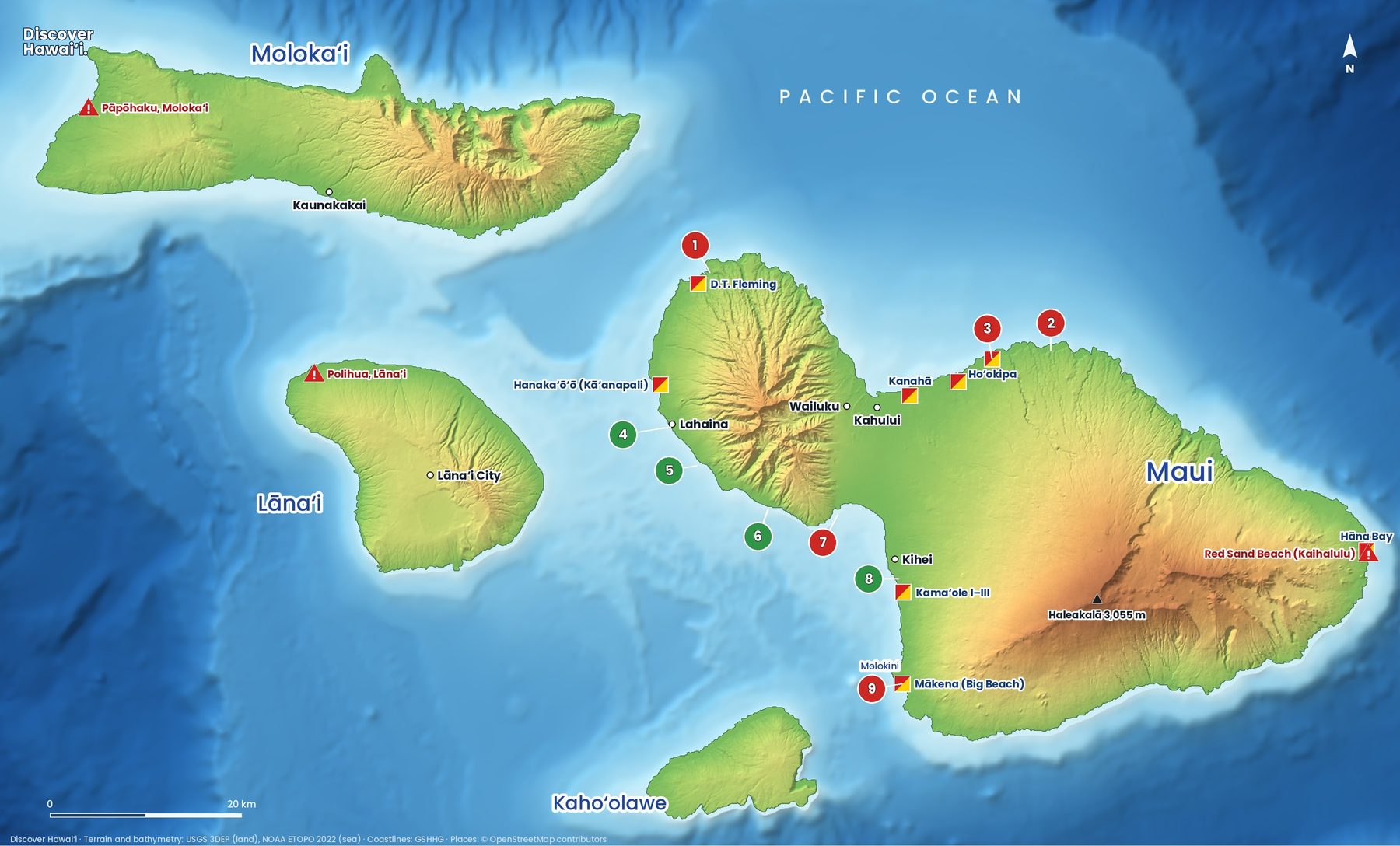
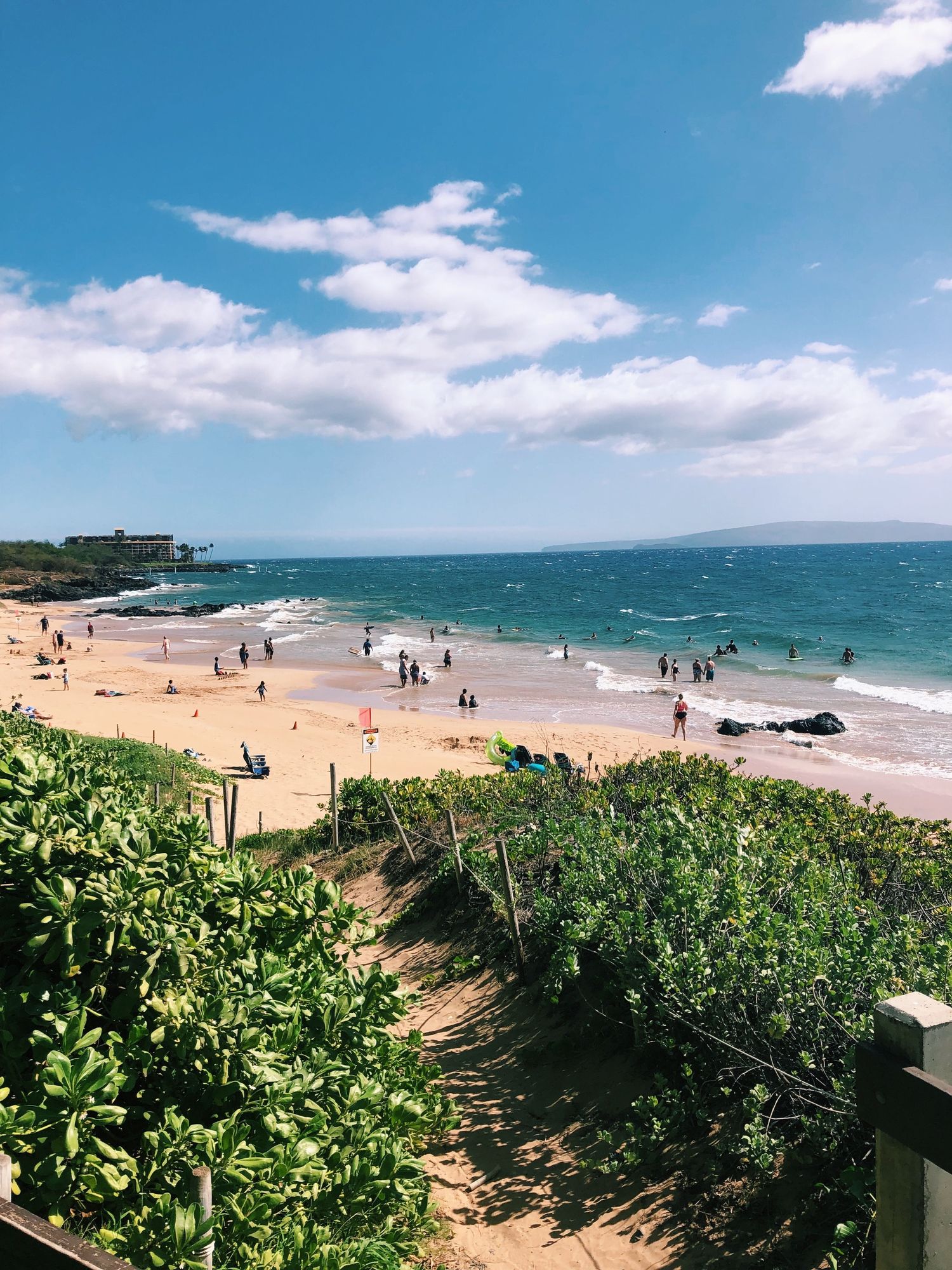
South Maui is the easiest choice. Kamaʻole I, II and III in Kīhei are three lifeguarded beaches with soft sand and calm water in the mornings, before the afternoon wind picks up. In West Maui, the south end of Kāʻanapali at Hanakaʻōʻō (Canoe Beach) is usually gentle and lifeguarded. On the north shore, Kanahā near the airport has a lifeguard and shallow water inside the reef, though it is windy in the afternoon.
Skip Mākena (Big Beach) with children unless the lifeguards say the water is flat: its shorebreak causes many neck and back injuries every year, even to strong adult swimmers.
Which beaches should families avoid?
The maps mark danger zones with a red triangle. With children, avoid Sandy Beach and Makapuʻu on Oʻahu (powerful shorebreak), Hālona Cove and Kaʻena Point, and Shark's Cove in winter. On Kauaʻi, stay out of the water at Hanakāpīʻai, Lumahaʻi, Kauapea (Secret Beach) and Polihale. On Maui, avoid Red Sand Beach and Big Beach, and on Molokaʻi and Lānaʻi, Pāpōhaku and Polihua. They are stunning to look at and dangerous to swim.
What are the golden rules for a safe beach day?
- Swim near a lifeguard tower, and ask the guard about conditions before you go in.
- Watch the water for 10 minutes first. Big sets often arrive after a calm spell.
- Never turn your back on the ocean, especially on the sand at the water's edge, where shorebreak knocks people over.
- If you are caught in a rip current, do not fight it. Float, wave for help, and swim parallel to the shore once you are out of the pull.
- Keep small children within arm's reach in the water, and give weaker swimmers a life jacket.
- Stay out of brown water after heavy rain, and watch for box jellyfish on south and leeward shores around eight to ten days after a full moon.
- Use reef-safe mineral sunscreen and reapply it; the Hawaiian sun is strong even on cloudy days.
For more, read our full guide to ocean safety in Hawaii and our pick of the best beaches in Hawaii.
Facts checked October 2026. Surf levels and seasons are general guidance; conditions change daily, so always ask the lifeguard before you go in.
- Hawaiʻi Ocean Safety: beach hazards and lifeguarded beaches
- Hawaiʻi Beach Safety: current hazards and lifeguarded beaches
- City and County of Honolulu: Hanauma Bay Nature Preserve
- County of Kauaʻi: Hurricane Lowell recovery updates
- Map data: lifeguarded beaches from Hawaiʻi Ocean Safety, © OpenStreetMap contributors, Hawaiʻi Statewide GIS, USGS 3DEP, NOAA ETOPO 2022, GSHHG