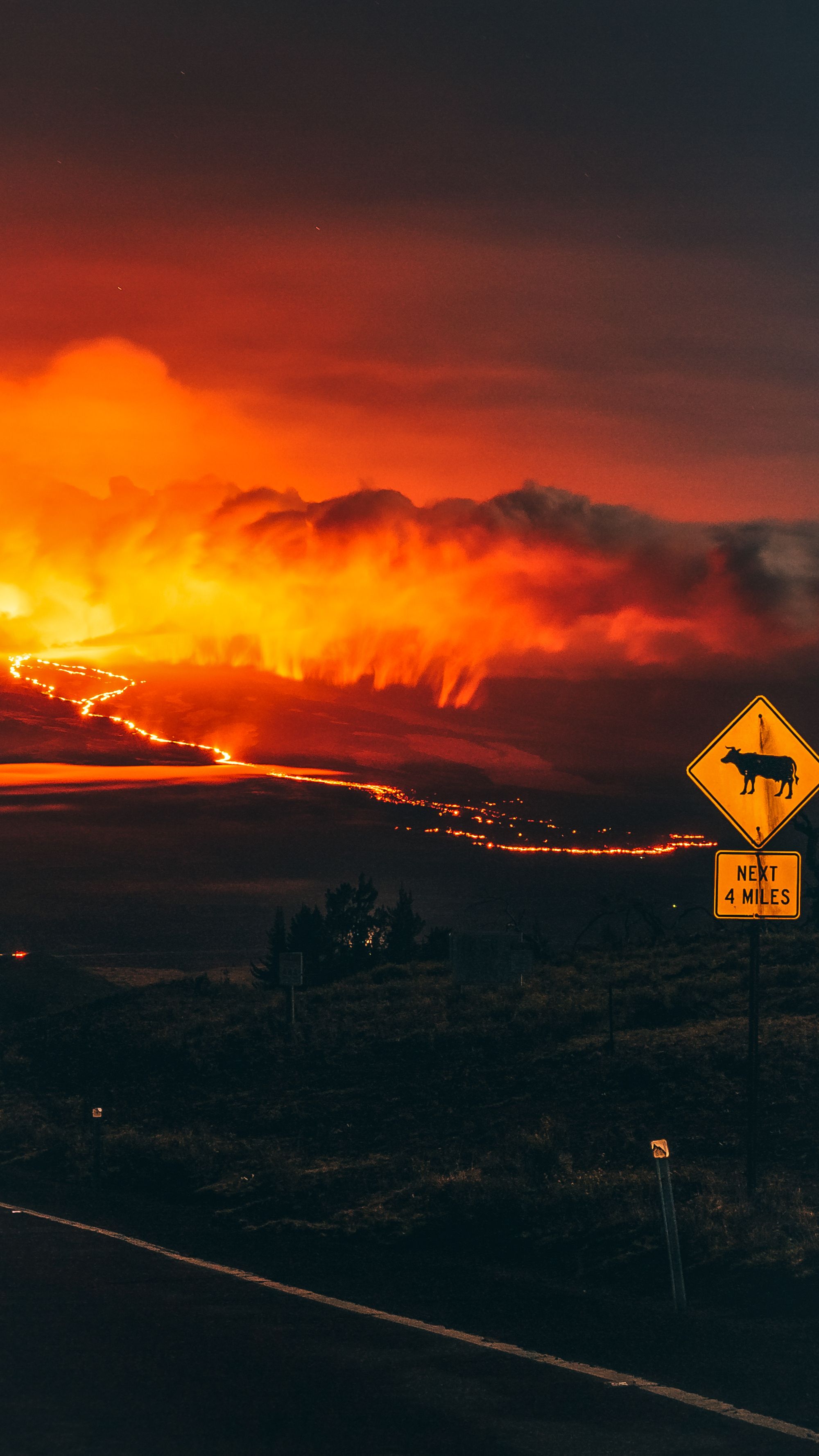
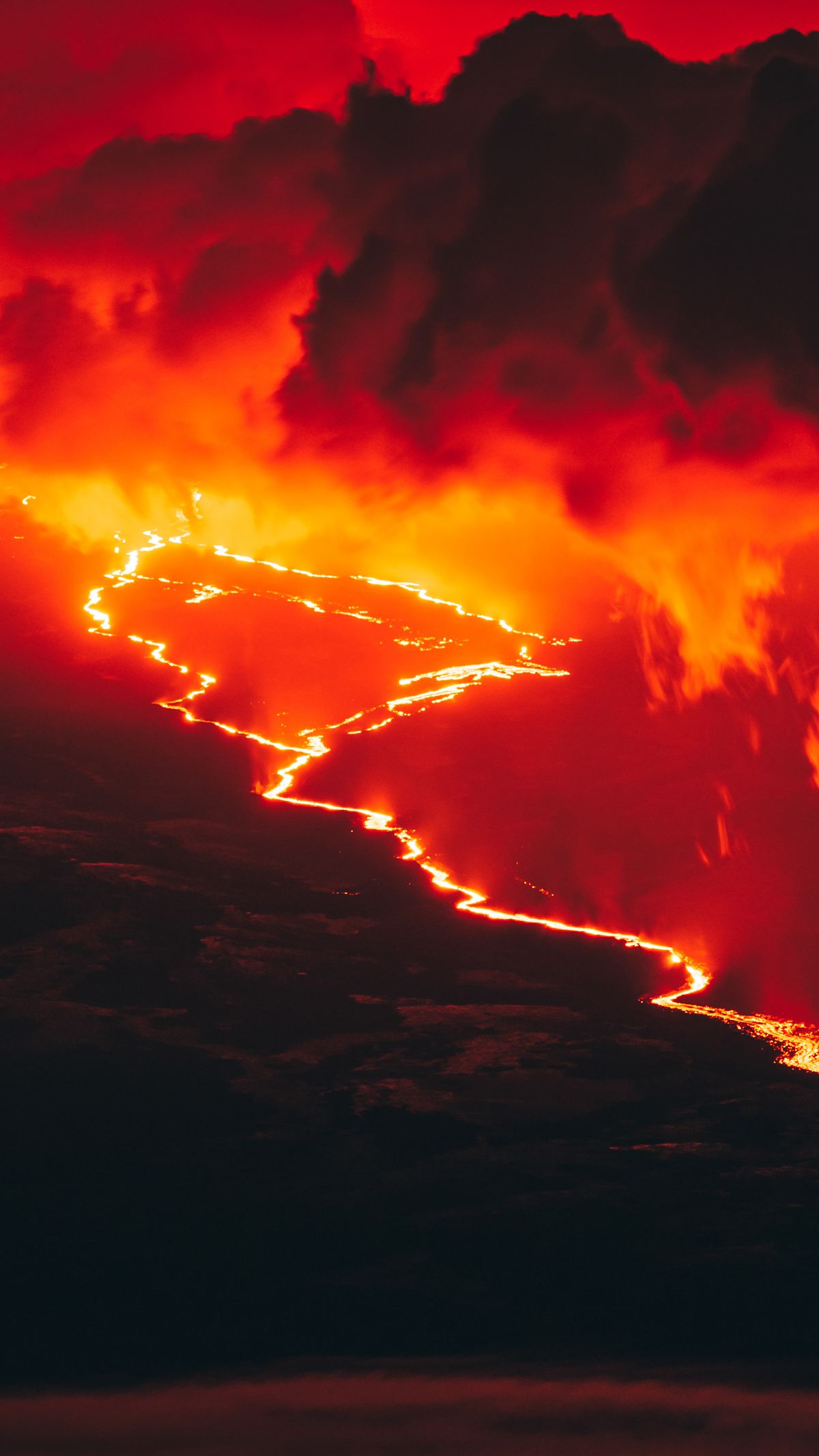
A river of lava glowing through the night beside a cattle-crossing sign on the Big Island

The islands of fire

DiscoverHawaii.


Volcanoes

Kīlauea·Mauna Loa·Mauna Kea·Haleakalā·Hualālai

Scroll

Islands made of fire.

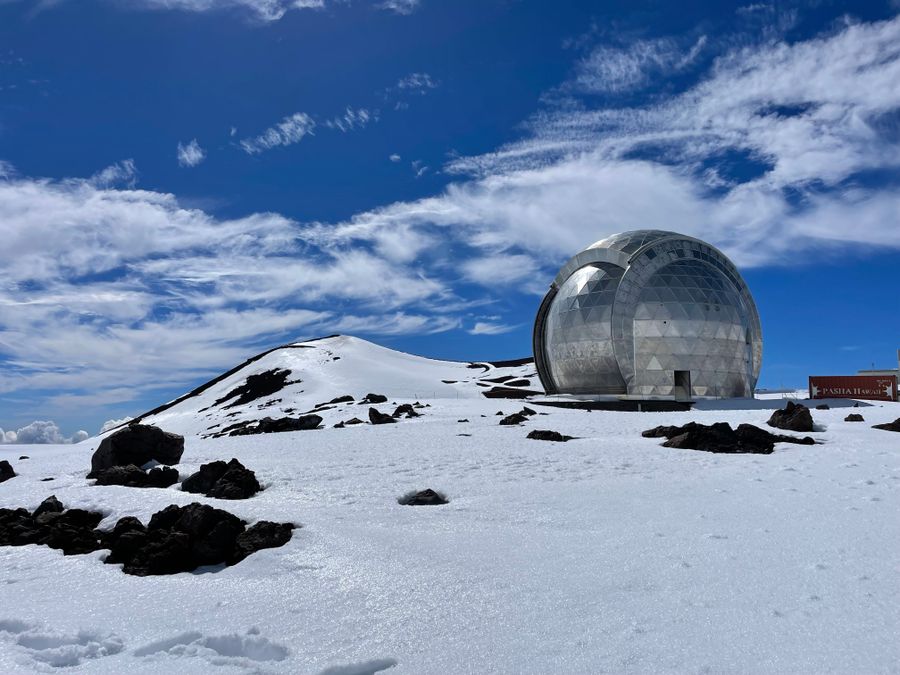
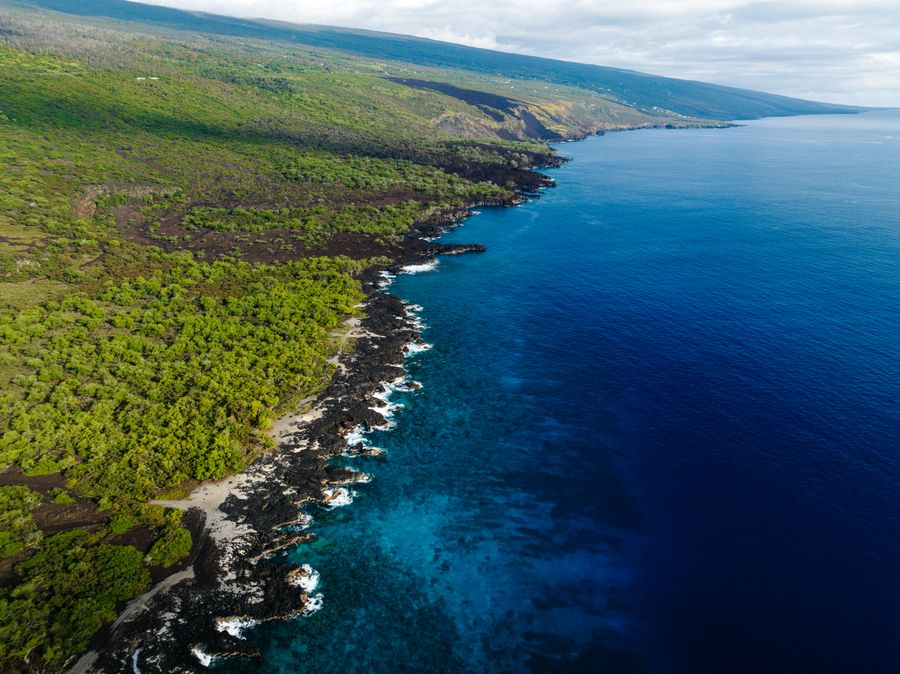
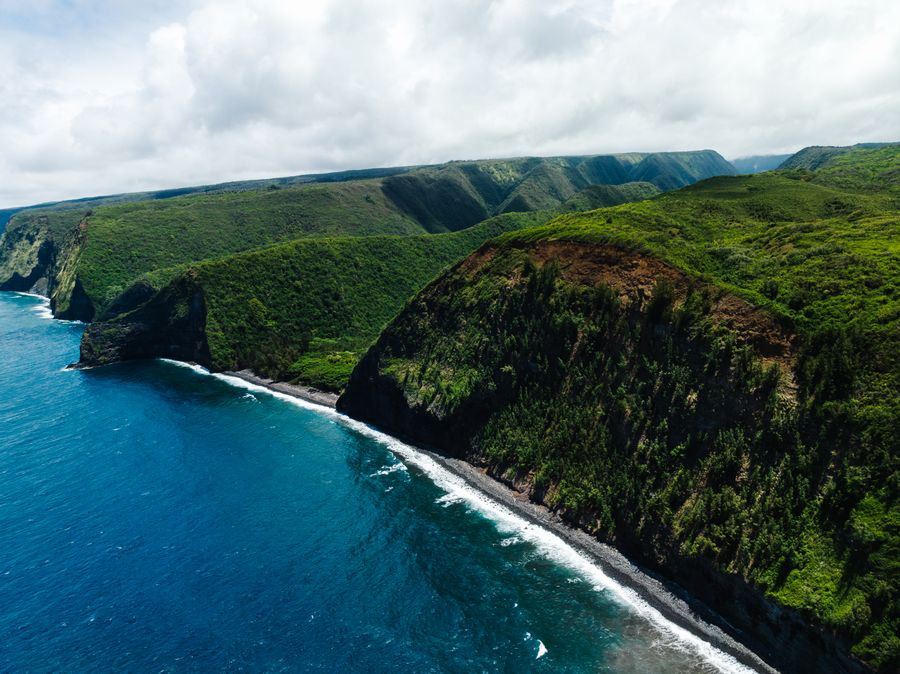
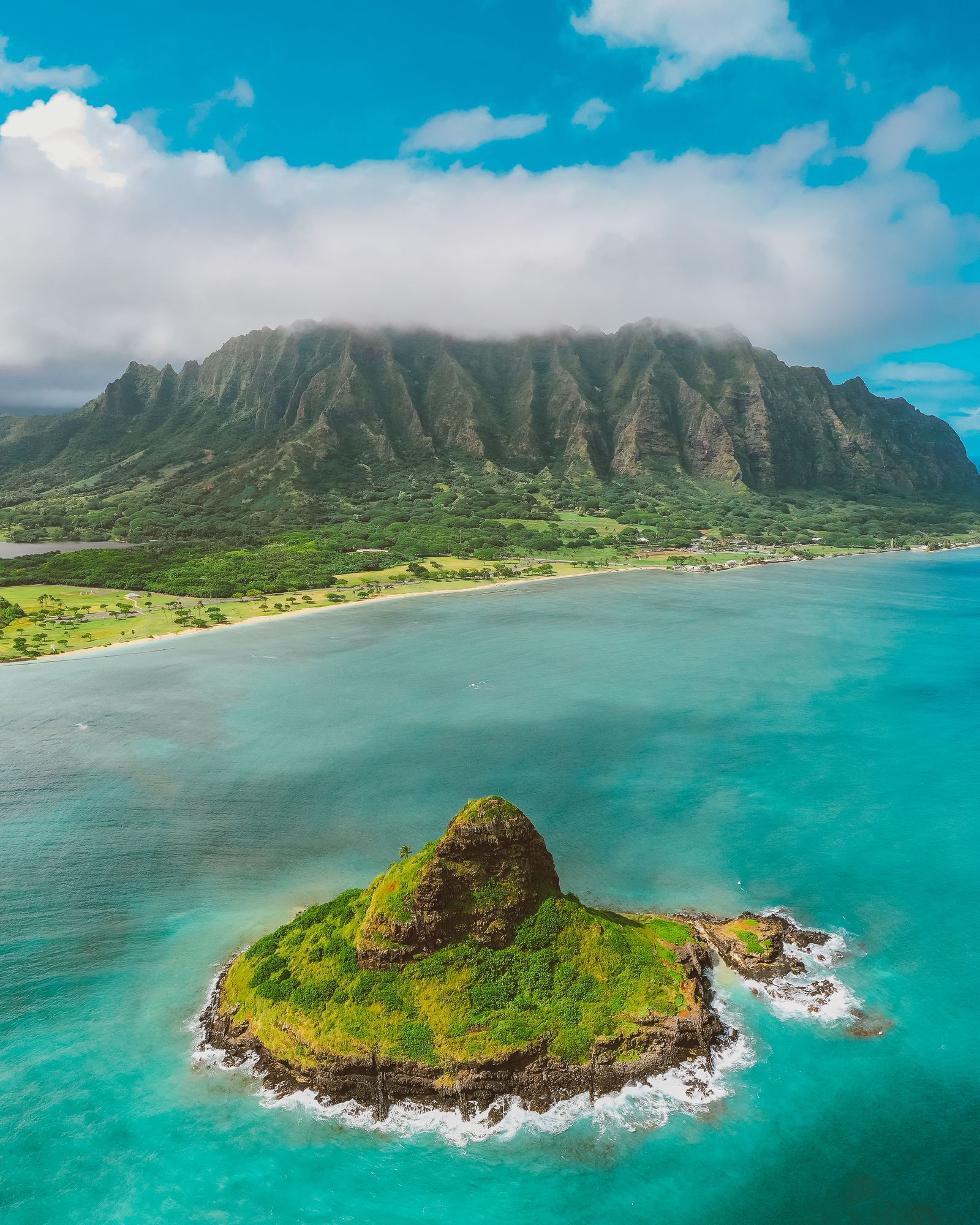
Stand anywhere in Hawaii and you are standing on a volcano. The beaches, the cliffs of Nā Pali, the crater of Diamond Head and the snowy summit of Mauna Kea all began as molten rock rising from deep inside the Earth. Every island in the chain was built by one or more volcanoes, and the youngest of them is still growing.

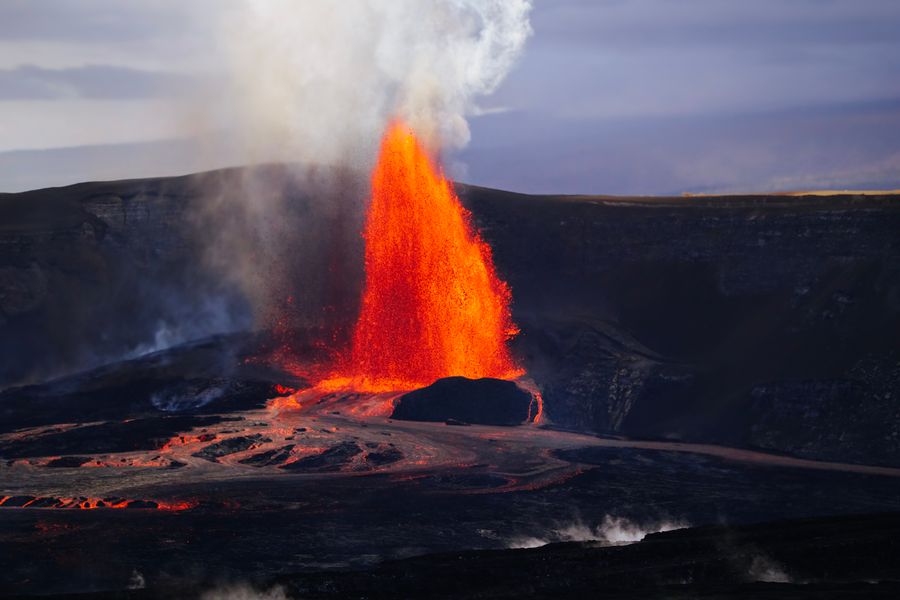
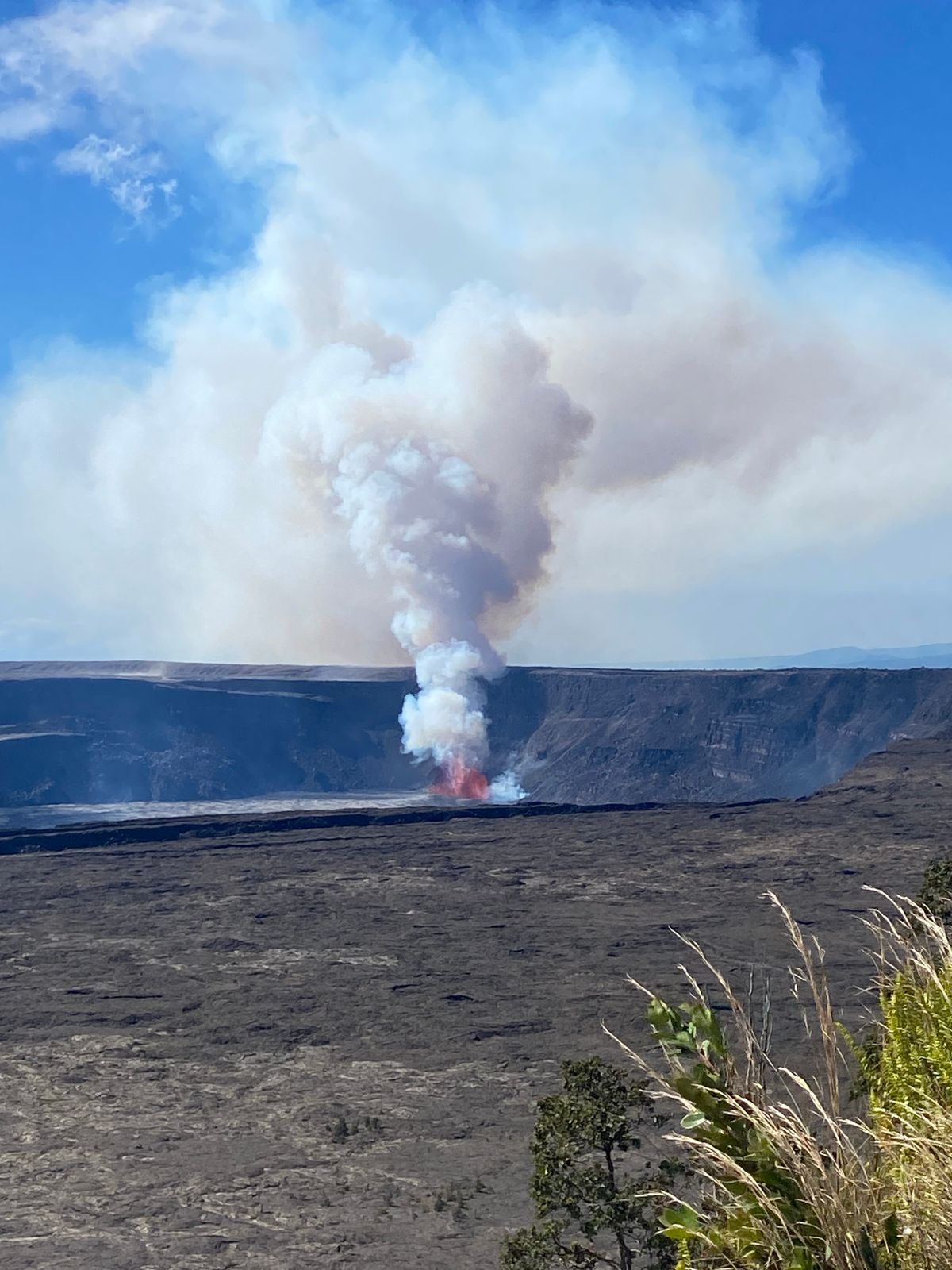
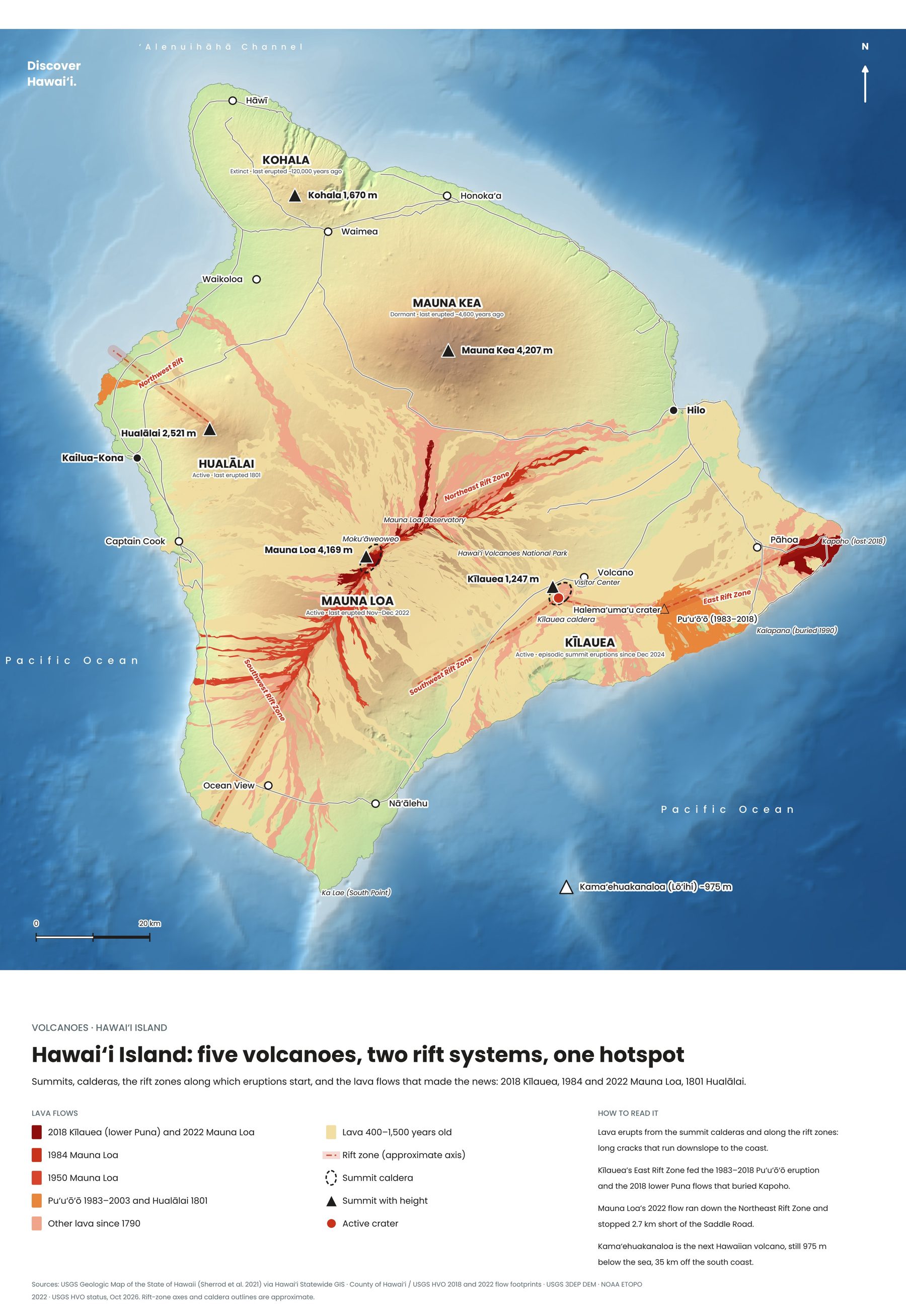
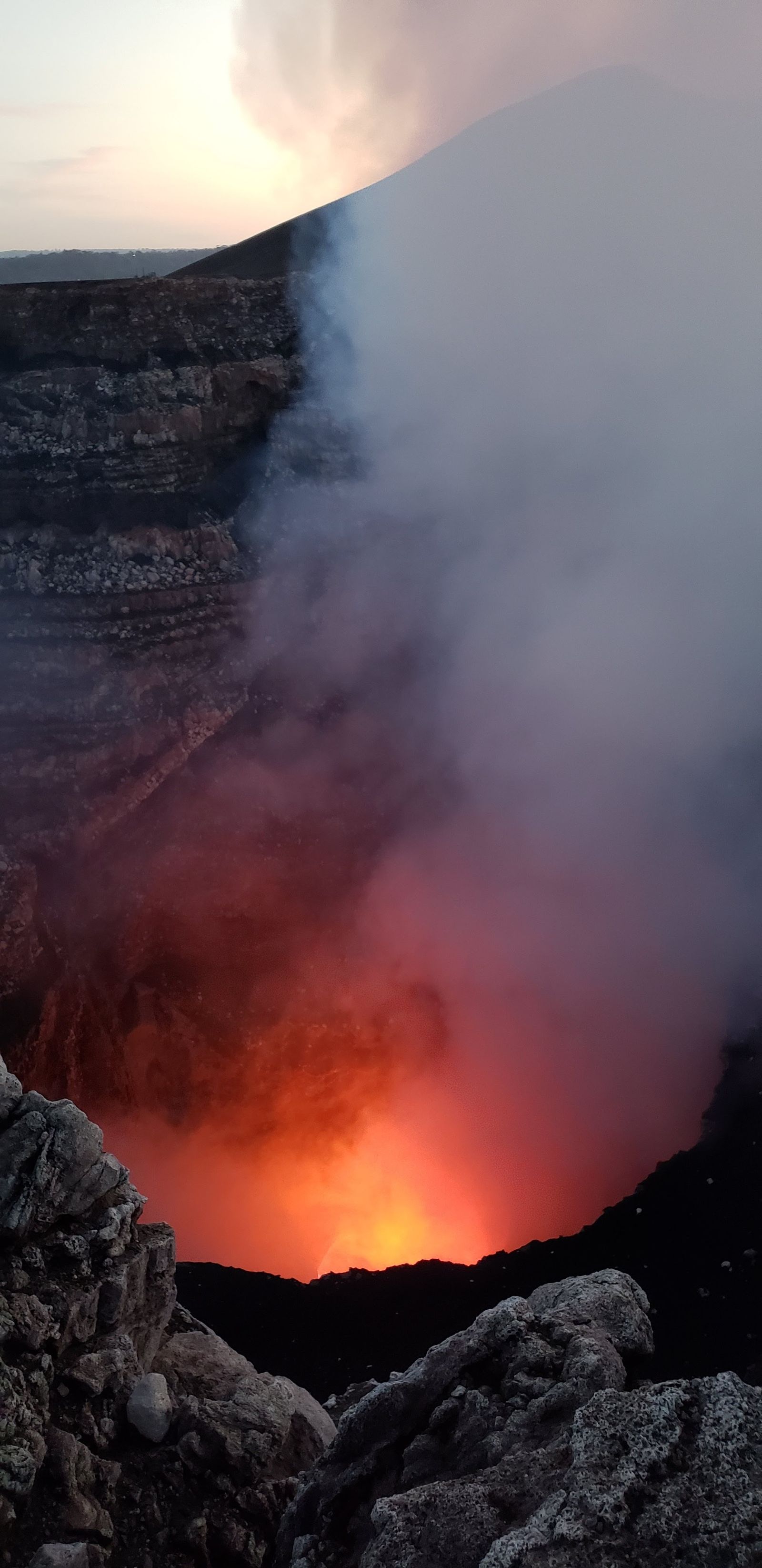
On the Big Island, Kīlauea and Mauna Loa are among the most active volcanoes on the planet. Since December 2024 Kīlauea has been erupting in dramatic episodes of lava fountaining inside its summit crater, and Mauna Loa last erupted in 2022. Few places on Earth let you see a living volcano this closely, or this safely.

15Volcanoes built the eight main islands
6Of them are still counted as active
4,207 mMauna Kea, the highest point in Hawaii
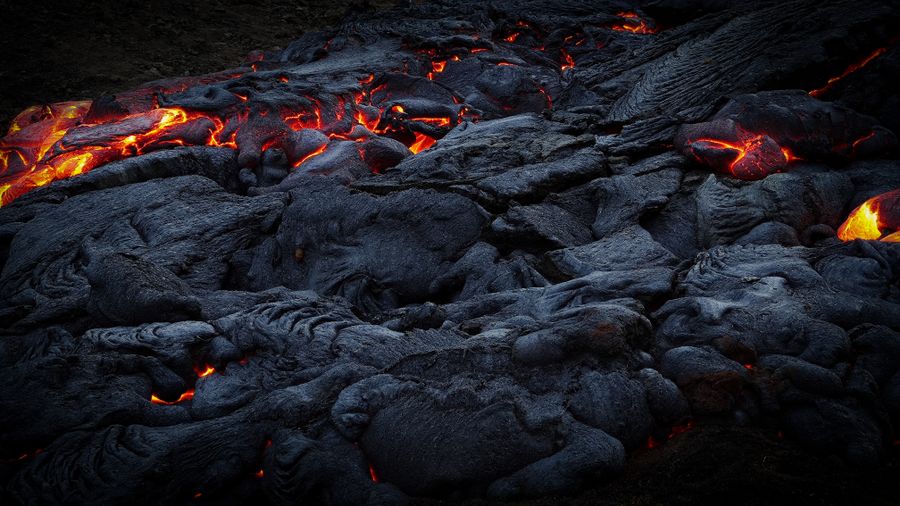
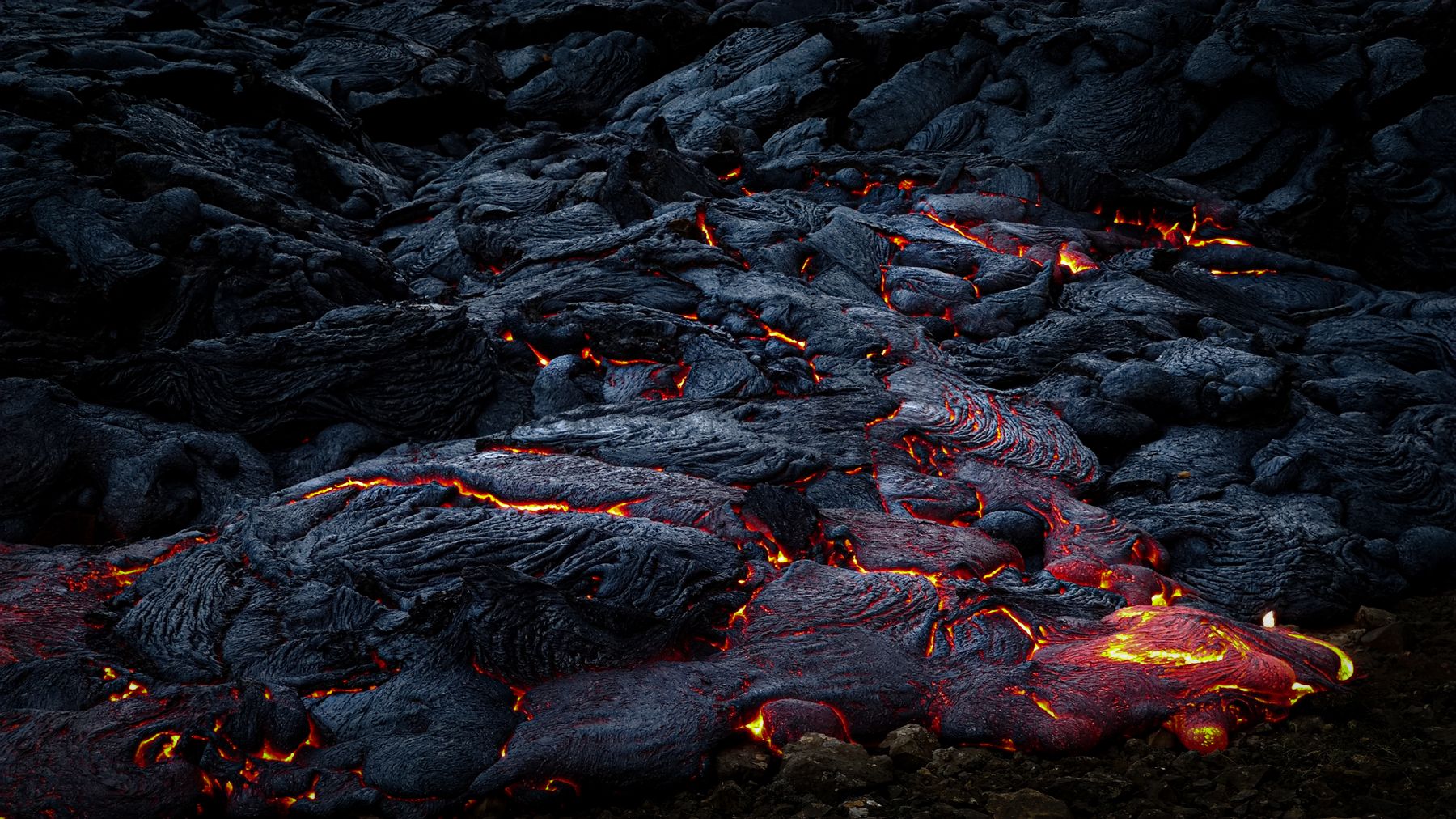
Glowing lava moving across cooled black rock at night on the Big Island
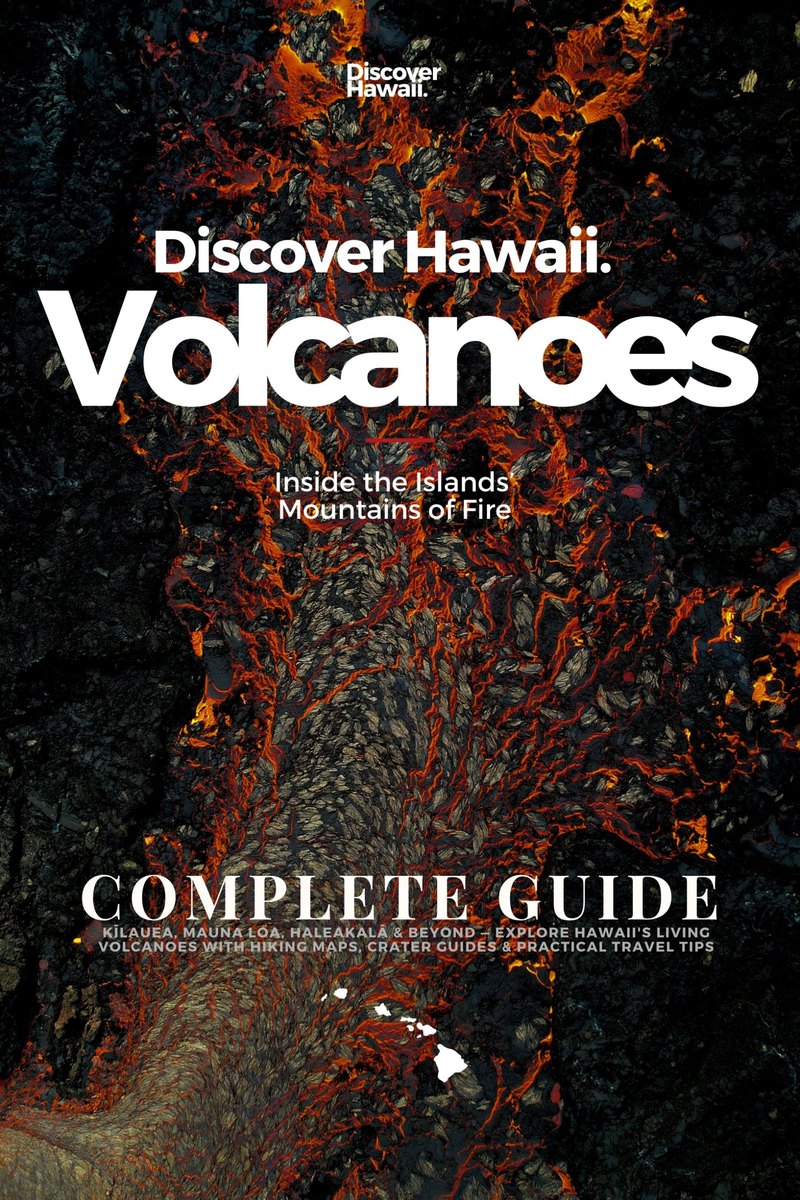
Discover Hawaii: Volcanoes, Complete Guide, 2027 edition, cover

The volcano guide · Out now

Volcanoes

Inside the Islands' Mountains of Fire


Kīlauea, Mauna Loa, Haleakalā and beyond. Our complete 2027 guide takes you inside Hawaii's living volcanoes, from the hotspot that built the islands to the overlooks where you can watch lava tonight: 220 pages of hiking maps, crater guides and practical travel tips.

Every volcano, island by islandKīlauea, Mauna Loa, Mauna Kea, Hualālai, Kohala, Haleakalā and the older islands
Hiking & crater mapsTrails with the best volcano views, summit routes and caldera rims, mapped
Watching lava safelyEruption updates, vog, closures and the best overlooks at Kīlauea
Plan the tripPark fees, permits, summit cabins, Haleakalā sunrise reservations and where to stay

Instant PDF download · 220 pages · Apple Pay, card or PayPal

How the islands were born

The hotspot


Deep beneath the Pacific, a plume of unusually hot rock rises from the Earth's mantle. Where it reaches the base of the crust it melts into magma, and that magma punches up through the sea floor to build a volcano. Over hundreds of thousands of years, eruption after eruption piles lava higher until a mountain breaks the surface and becomes an island.

The hotspot stays roughly where it is, but the Pacific Plate above it creeps northwest by several centimetres a year. Each volcano is slowly carried away from its source, goes quiet and begins to erode, while a new one grows behind it. That is why the islands get older as you travel northwest: Kauaʻi is around five million years old, the Big Island less than one million.

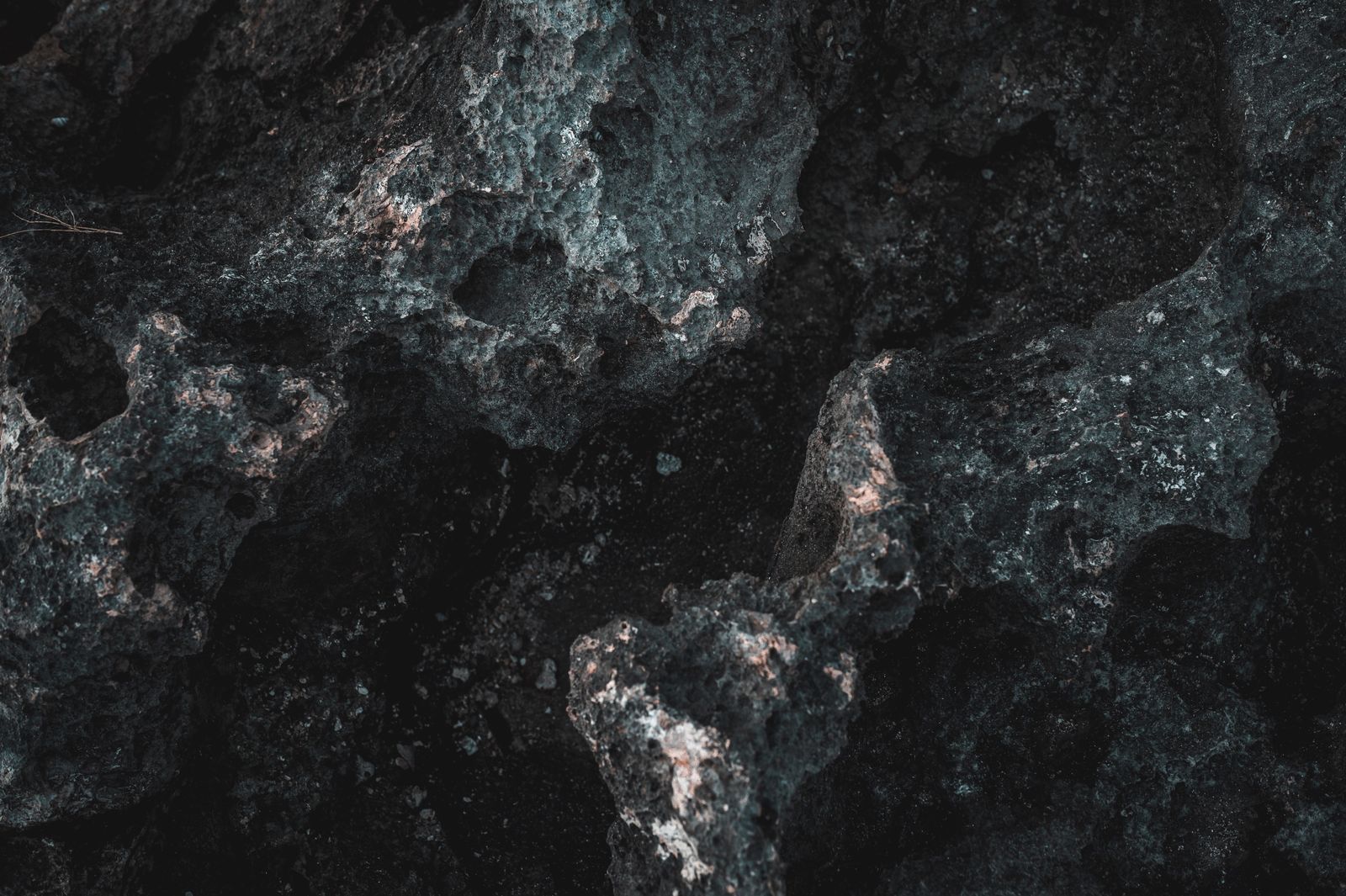
Hawaiian eruptions are mostly gentle by volcano standards. The runny basalt lava pours out as fountains and rivers rather than exploding, and the world borrowed two Hawaiian words for it: smooth, ropy pāhoehoe and rough, clinkery ʻaʻā.
Culture and the volcano

Pele and the living land


For Native Hawaiians the volcano is not just geology. Pele, the goddess of volcanoes and fire, is said to have travelled down the island chain from the northwest, digging fire pits as she went, until she settled at Halemaʻumaʻu on Kīlauea. Her journey mirrors the real age of the islands remarkably closely.

Visitors are asked to treat the landscape with respect. Do not take lava rock or sand home: it is against park rules, and local tradition holds that it belongs where Pele put it. Leave offerings you find at the crater undisturbed and stay on marked trails.

Before you go

Seeing lava safely


Watching lava is safe when you follow the rules. Kīlauea's eruptions release volcanic gas, mostly sulphur dioxide, which mixes with sunlight and moisture into a haze Hawaiians call vog. People with asthma or heart conditions, babies and pregnant visitors should take extra care and check air-quality reports first.

Stay on marked trails and behind barriers: crater rims can collapse without warning and fresh crust can hide molten rock. Areas close and reopen quickly as activity changes, so check the USGS Hawaiian Volcano Observatory and the national park's updates before you go.

Volcano maps

Maps by island


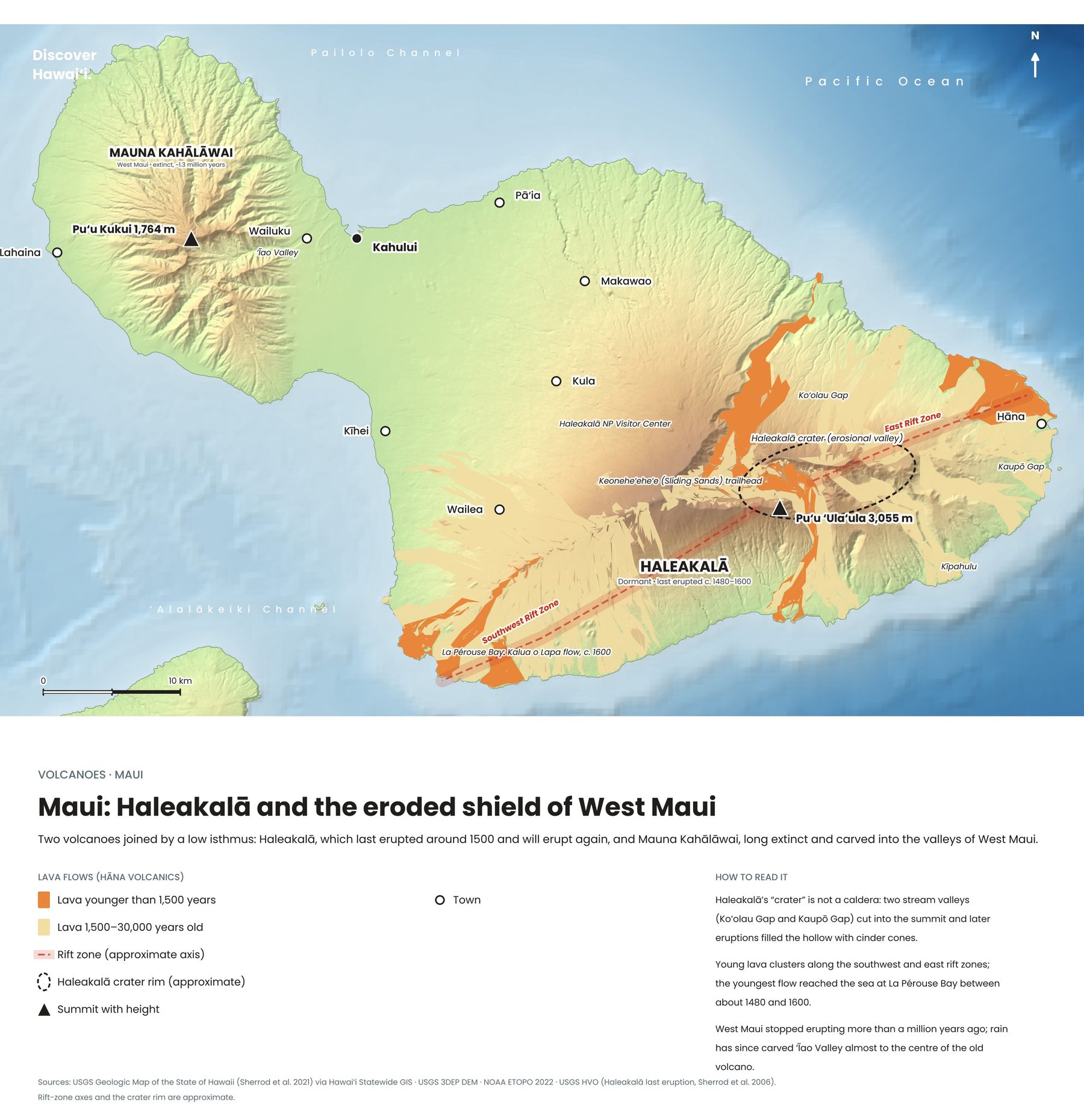
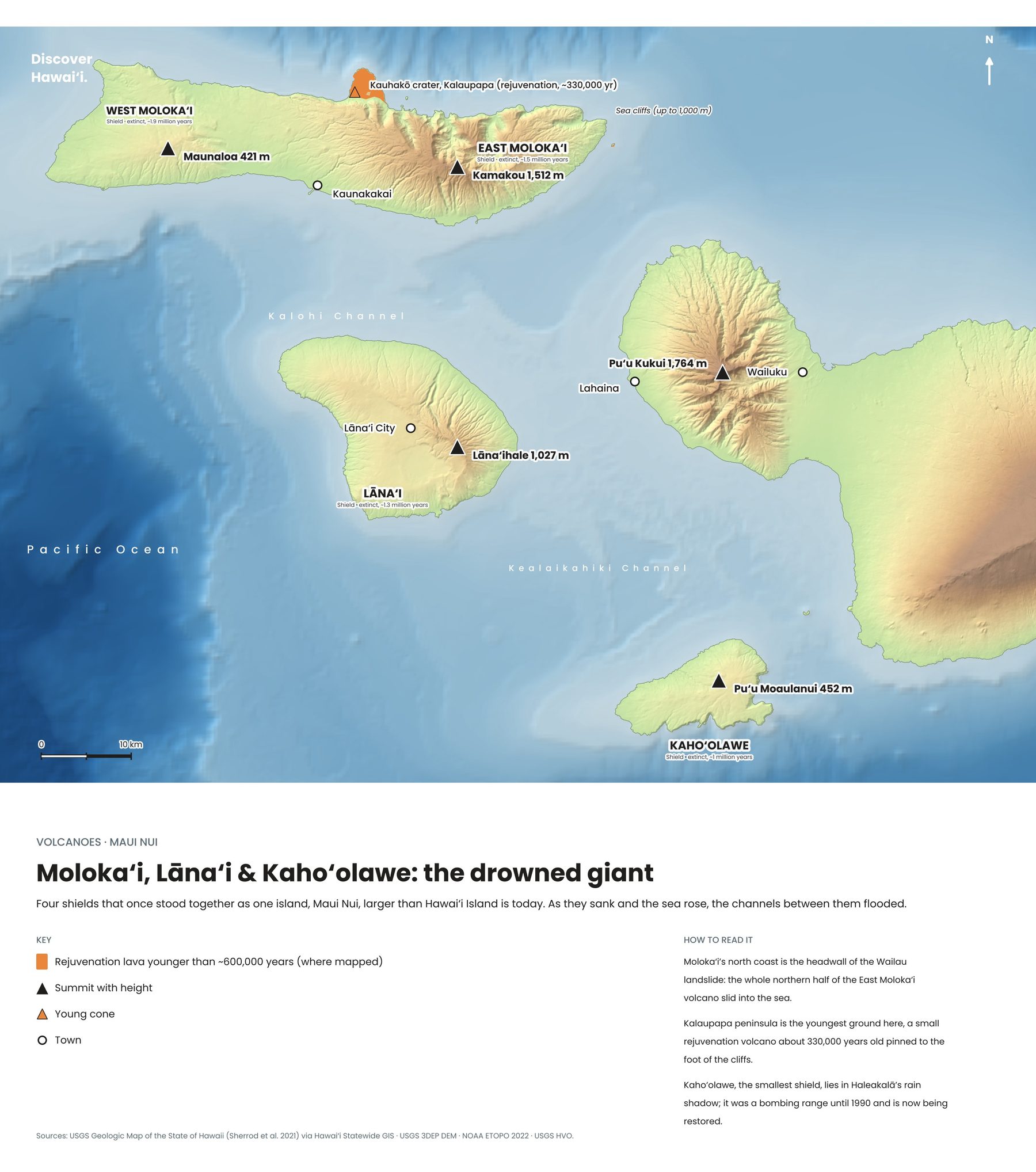
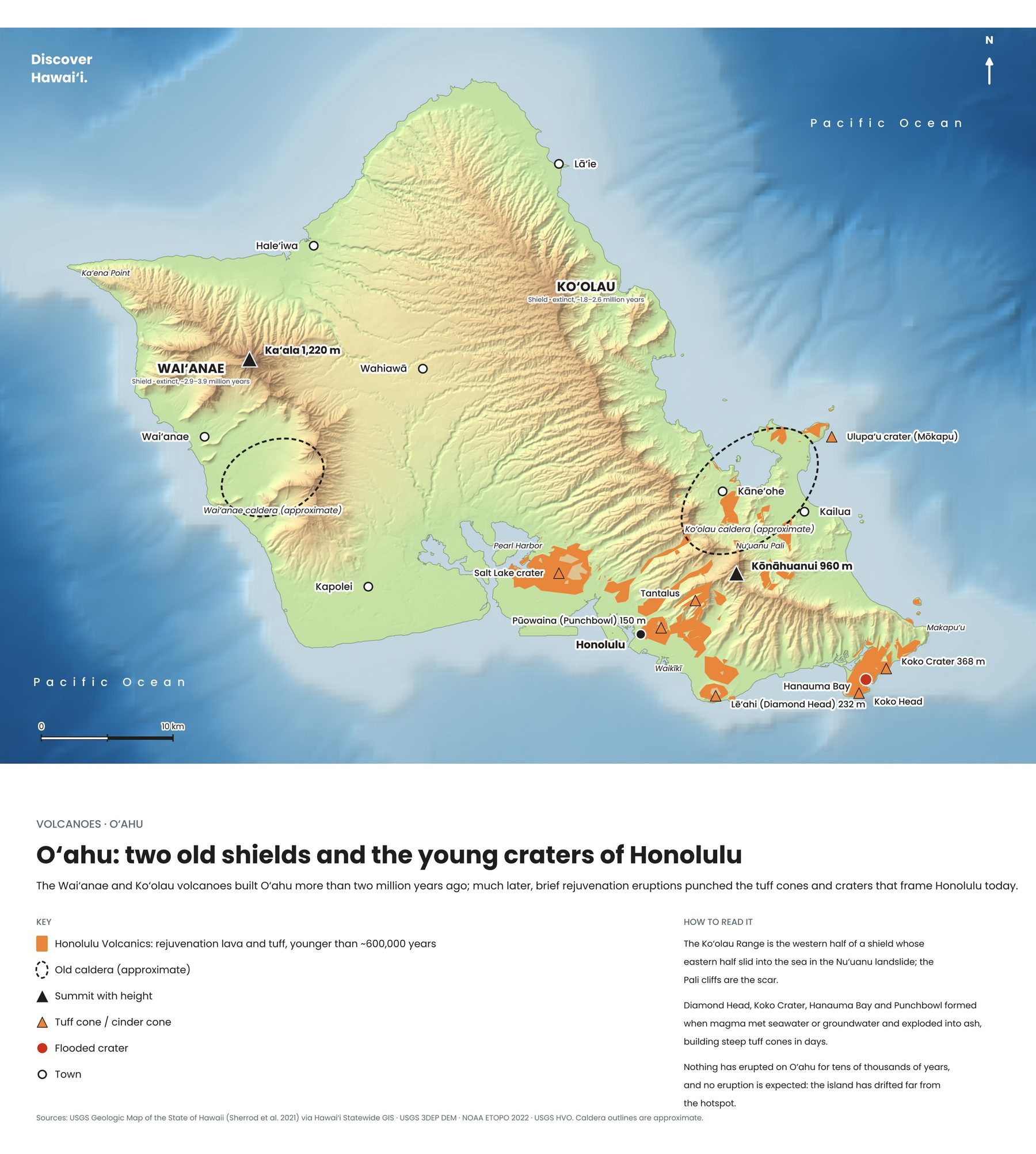
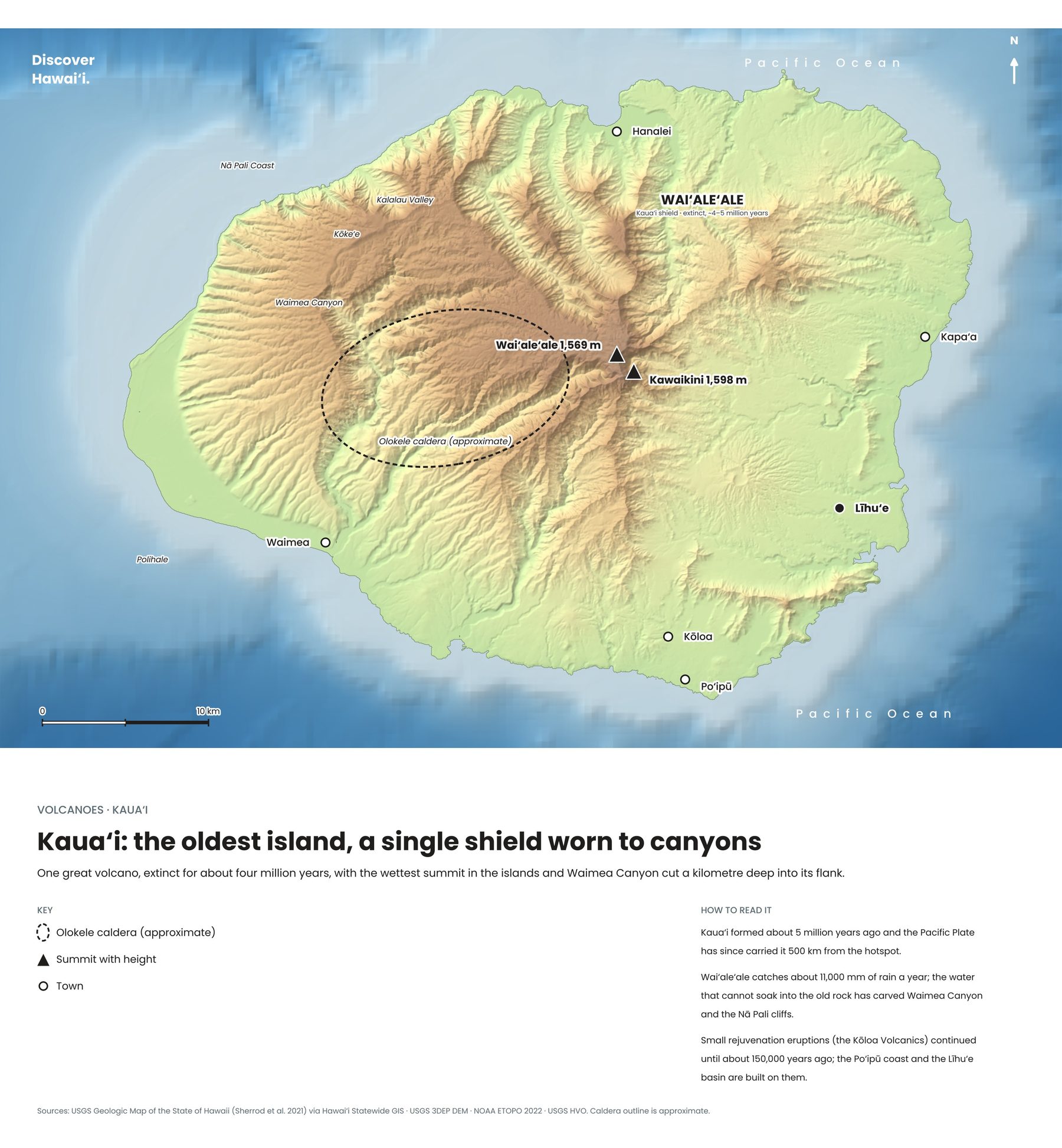
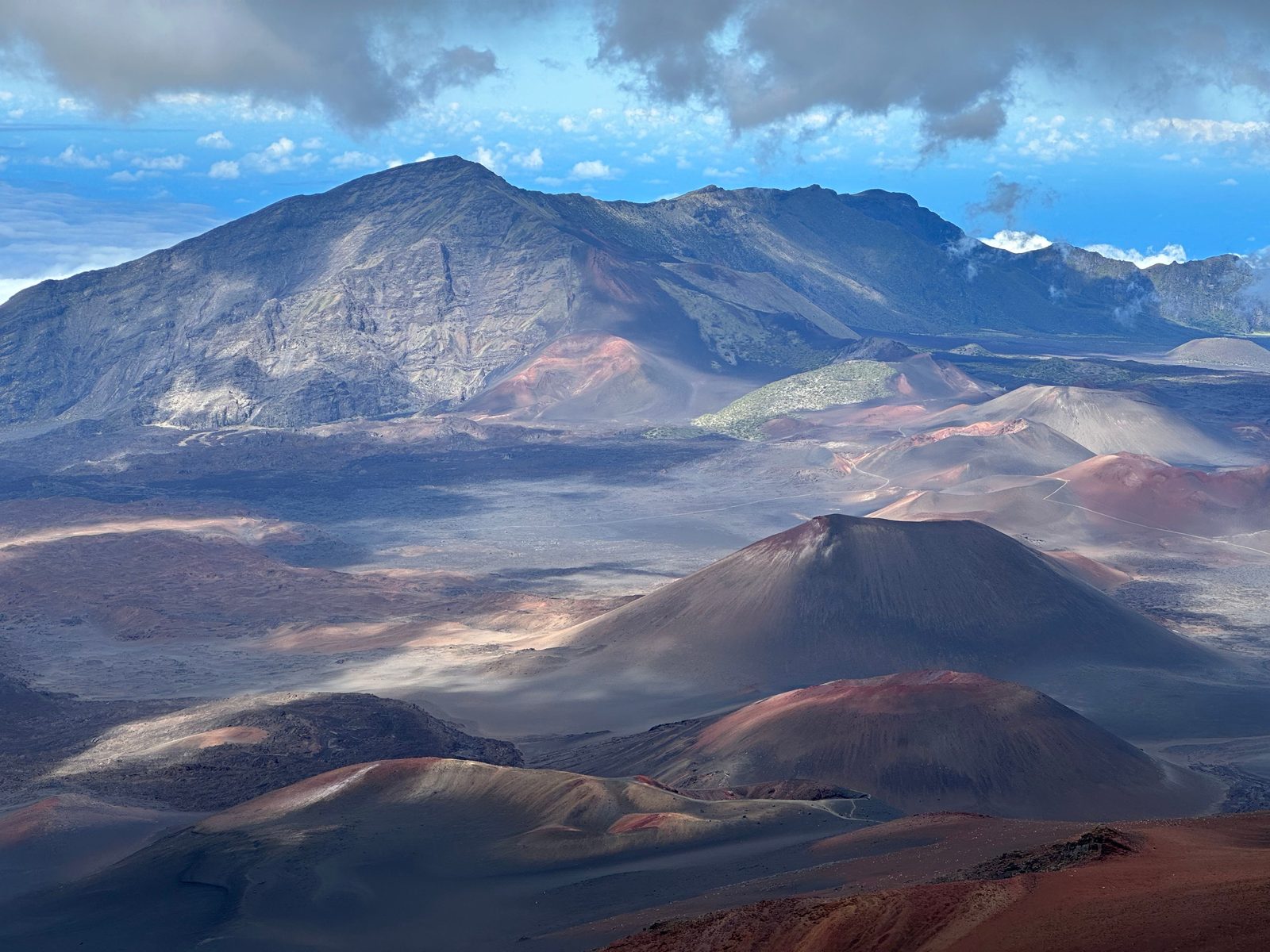
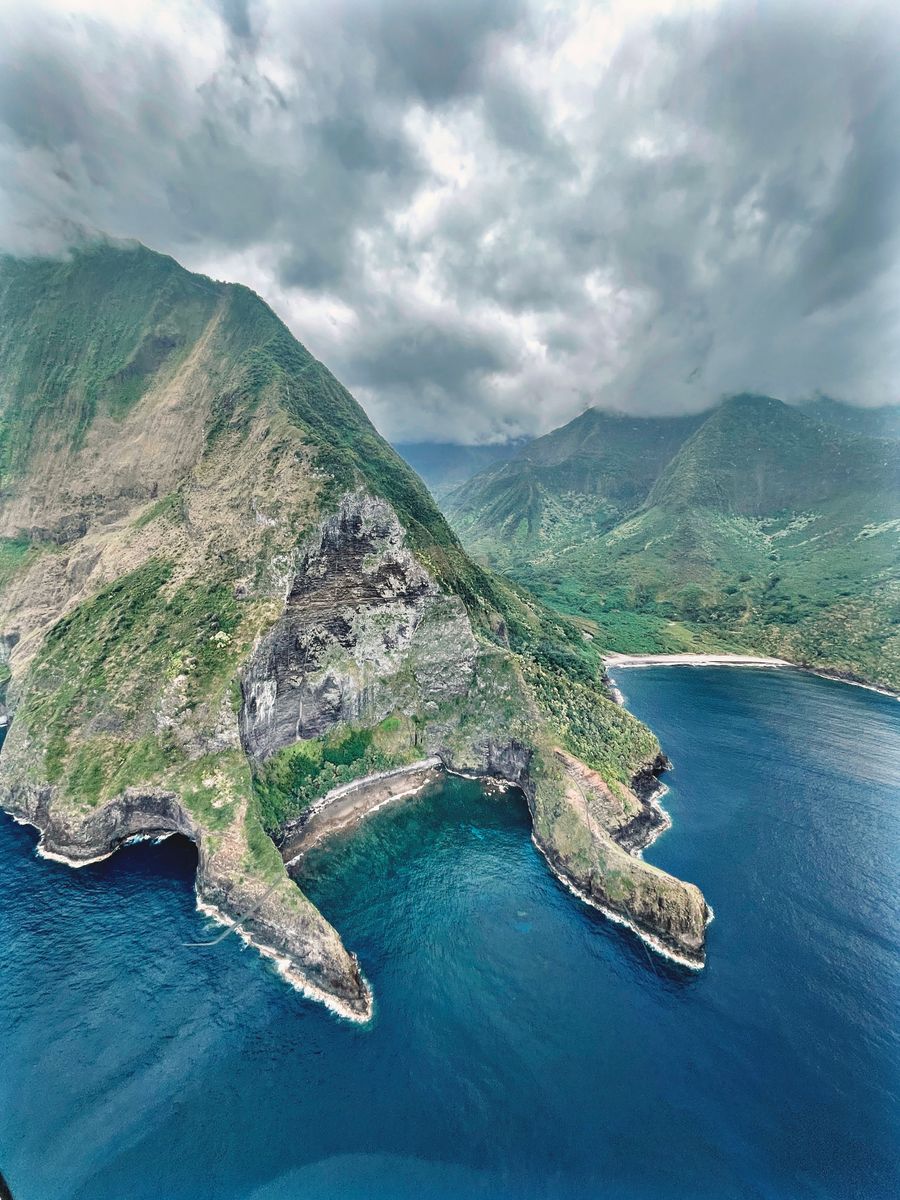
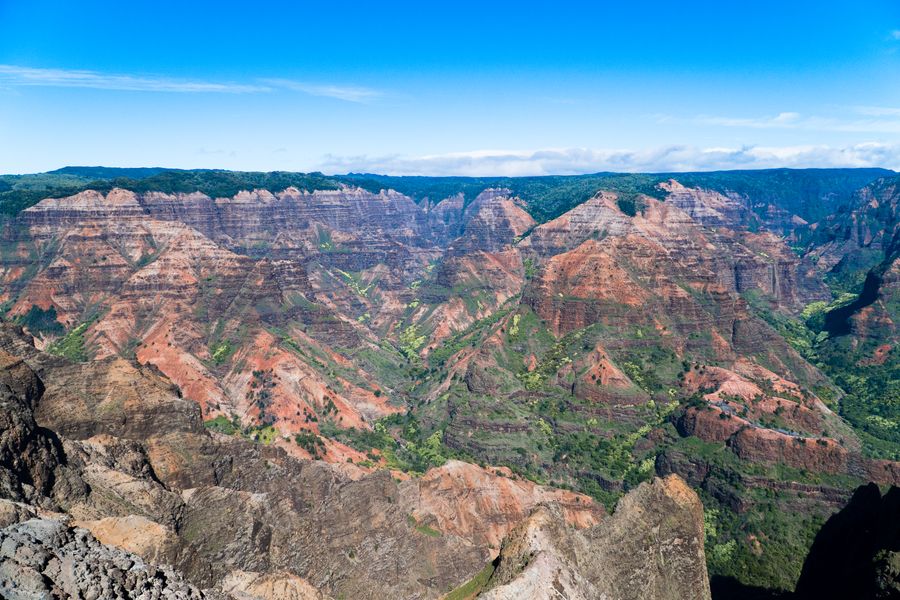
The older islands are volcanoes too, worn down by millions of years of rain and surf. Tap a map to open it full size.