Some of Hawaii's best snorkeling is in places where fishing is banned or tightly limited. That is not a coincidence. This map shows the State of Hawaiʻi's marine managed areas, from Hanauma Bay to the Kona coast, and what the rules mean for you.
What is a marine protected area in Hawaii?
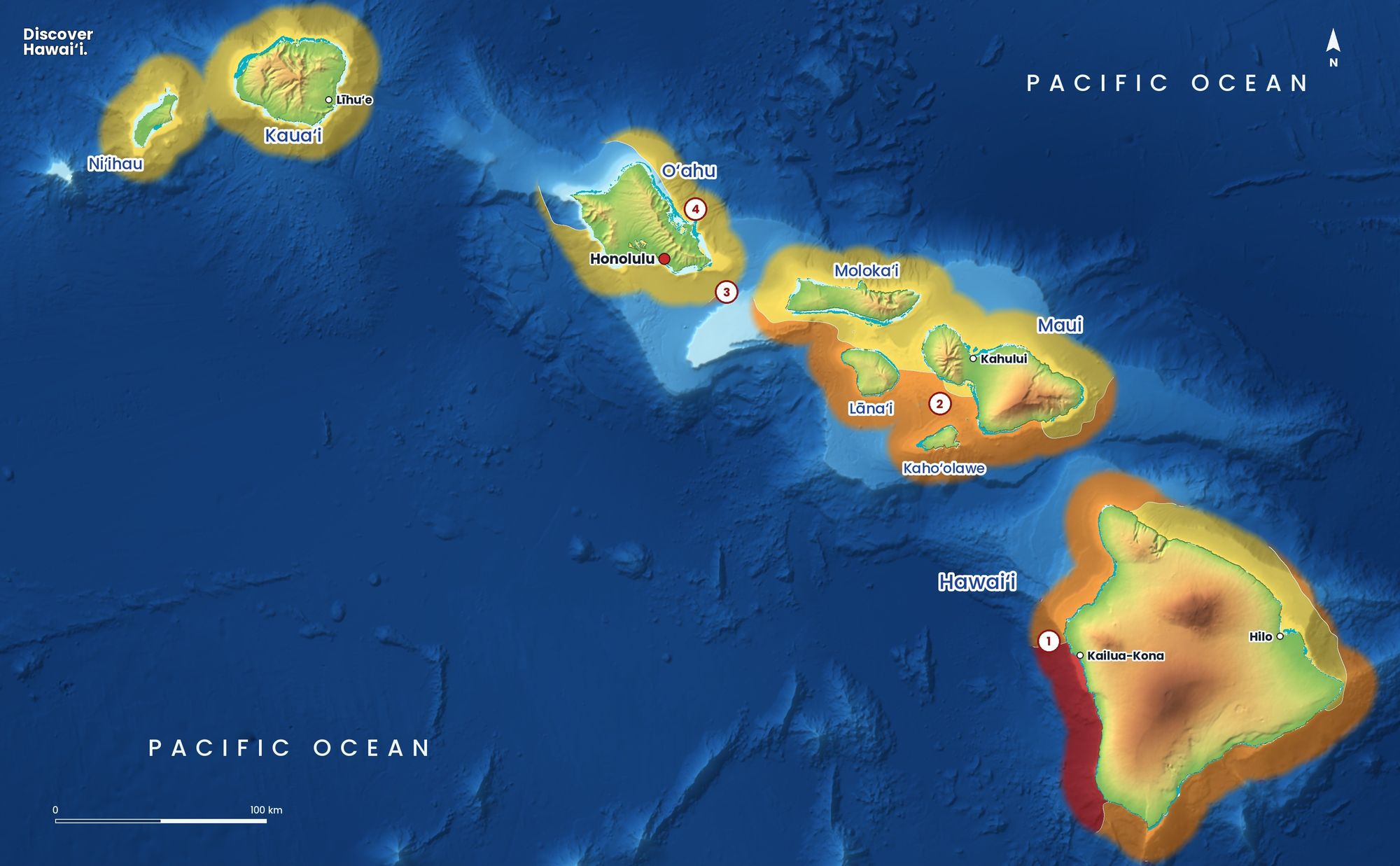
It is an area of ocean with its own rules. Hawaii uses several kinds, from the strictest to the lightest: Marine Life Conservation Districts and reserves, where fishing is banned or very limited; community-managed fishing areas, where local families set the rules; fish replenishment areas on the west coast of the Big Island, where collecting aquarium fish is banned; and fisheries management areas with special rules for harbors, bays and nets.
Where are Hawaii's marine protected areas?
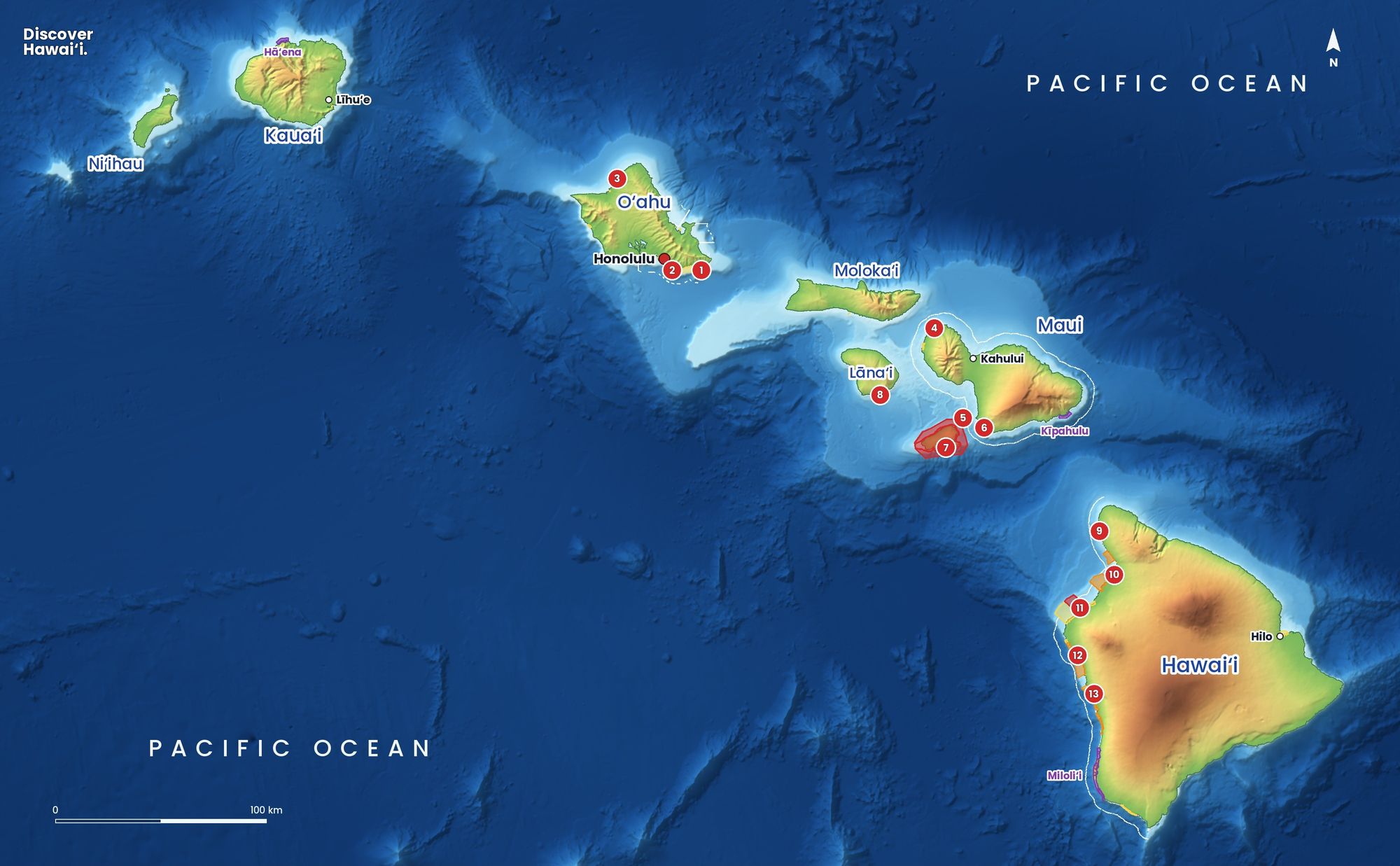
The numbered sites are the areas with the strongest protection:
- Hanauma Bay, OʻahuMLCD · no fishing · reservations required Hawaii's most famous snorkel, protected since 1967.
- Waikīkī, OʻahuMLCD · no fishing A protected reef right beside the beaches of Waikīkī.
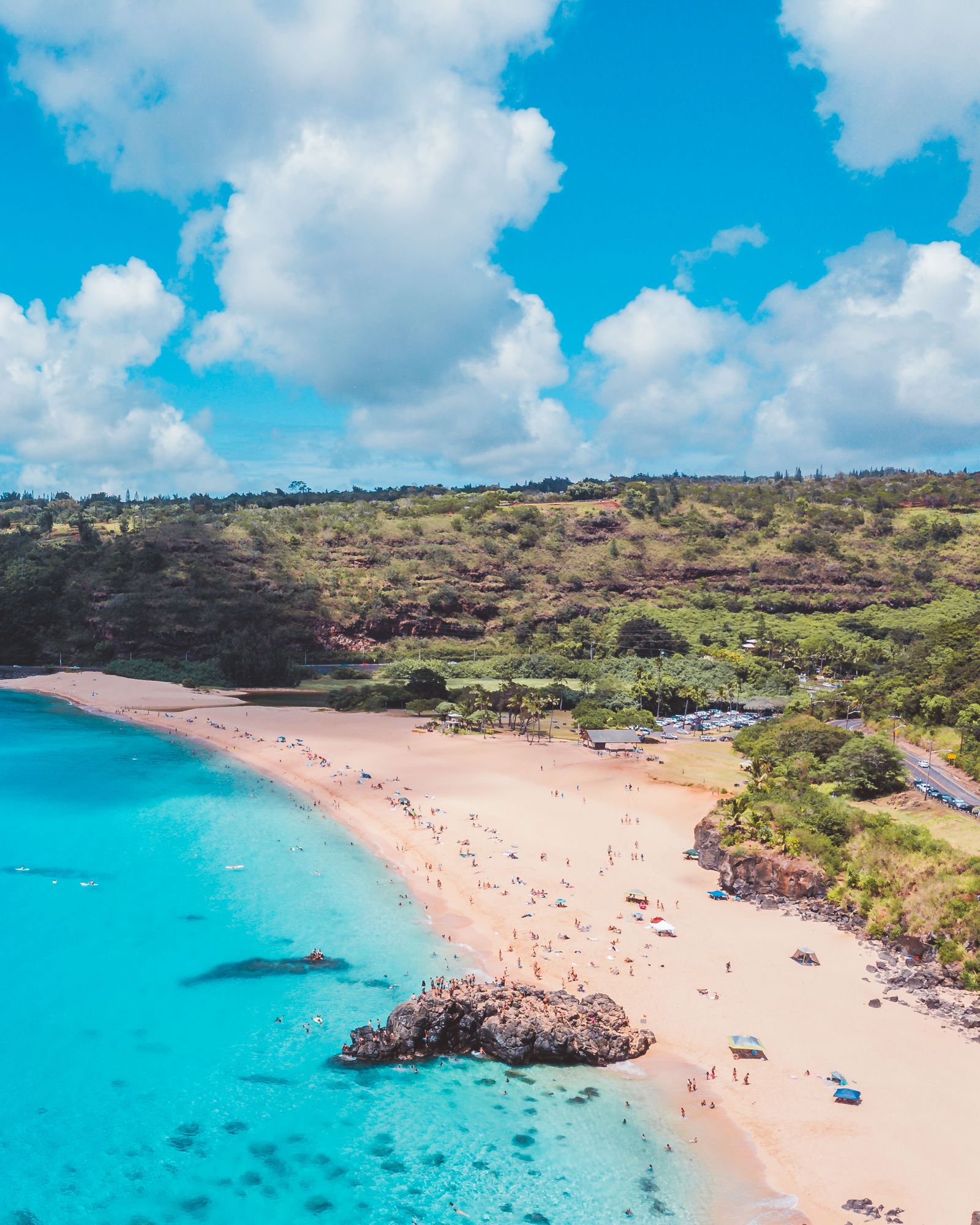
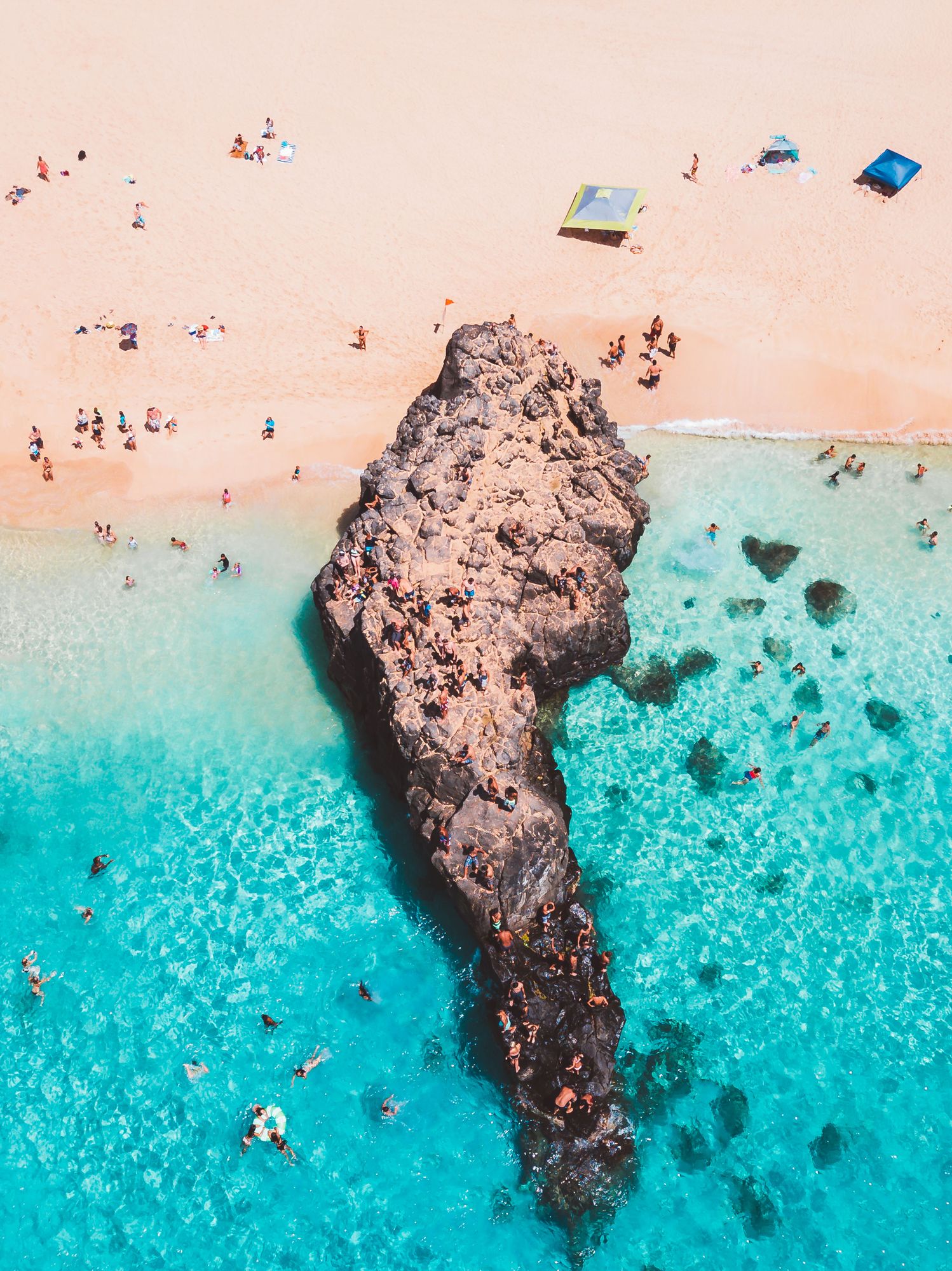
- Pūpūkea (Waimea Bay, Shark's Cove), OʻahuMLCD · limited fishing The North Shore's summer snorkel spots.
- Honolua–Mokulēʻia Bay, MauiMLCD · no fishing Rich coral and turtles in West Maui.
- Molokini Shoal, MauiMLCD · fishing banned or trolling only The crescent crater off south Maui.
- ʻĀhihi-Kīnaʻu Natural Area Reserve, MauiReserve · no fishing A young lava coast with pristine reef.
- Kahoʻolawe Island ReserveEntry by permit only A whole island and its waters, managed for Hawaiian cultural use.
- Mānele–Hulopoʻe, LānaʻiMLCD · fishing banned or limited The bay where spinner dolphins rest.
- Lapakahi, Hawaiʻi IslandMLCD · fishing banned or limited Beside an ancient fishing village on the Kohala coast.
- Waiʻalea Bay (Beach 69), Hawaiʻi IslandMLCD · limited fishing A shady cove with coral heads.
- Kaʻūpūlehu Marine Reserve, Hawaiʻi IslandNo-take since 2016 · reopening planned late 2026 A community-led ten-year rest for the reef.
- Old Kona Airport, Hawaiʻi IslandMLCD · limited fishing Lava arches and finger reefs north of Kailua.
- Kealakekua Bay, Hawaiʻi IslandMLCD · fishing banned or limited Clear water, coral and spinner dolphins.
Can you fish in a Marine Life Conservation District?
Usually not, or only in limited ways. Each Marine Life Conservation District has its own rules: some ban all fishing and collecting, others allow certain methods in certain zones. At Hanauma Bay and Waikīkī no fishing is allowed at all. Taking shells, coral, rocks or sand is also restricted. Rules change by zone, so always read the signs at the beach and check the state's Division of Aquatic Resources before you fish.
One area is changing right now. The Kaʻūpūlehu Marine Reserve (11) on the Kona coast was closed to all fishing in 2016 at the request of the local community, to let fish stocks recover. Its reopening, first planned for mid-2026, was postponed so a new fisheries management plan could be finished, and it stays closed to harvest until at least the end of 2026.
What are community-managed fishing areas?
In three places, Hāʻena on Kauaʻi, Kīpahulu on Maui and Miloliʻi on Hawaiʻi Island, the state has adopted fishing rules written by the local community, based on traditional Hawaiian practice. They protect food for families who have fished these waters for generations. Visitors can still swim and snorkel, but should leave fishing to the people whose rules these are.
What should you do inside a protected area?
Most protected areas are open to swimmers and snorkelers, and a few simple habits keep them healthy:
- Look, do not take. Leave shells, coral, rocks and sand where they are, and never feed the fish. Feeding changes their behaviour and can make them sick.
- Keep off the coral. Float over the reef and rest only on sand. A single footstep can break decades of growth.
- Give wildlife space. At least 10 feet from turtles, 50 feet from monk seals and 50 yards from spinner dolphins.
- Check access rules before you go. Hanauma Bay needs an online reservation, ʻĀhihi-Kīnaʻu charges non-residents a parking fee and keeps some areas closed, and Kahoʻolawe can only be visited with a permit.
- Read the signs at the beach. They show the zone boundaries and what is allowed in each.
If you see someone breaking the rules, do not confront them. Note the time and place and report it to the state's conservation enforcement hotline, DLNRTip.
Why do protected areas matter?
Fish in protected areas grow bigger and more numerous, and big fish produce far more young, which spill out to the reefs around them. Plant-eating fish keep algae off the coral, which matters more than ever since the 2015 bleaching event. After that event, the state's experts named a network of fully protected areas as the most effective way to help the reefs recover.
For visitors, protected areas are simply where the snorkeling is best: more fish, bigger fish and calmer, cleaner reefs. Find them on our Oahu, Maui, Big Island and Kauai maps, and read how to visit Hawaii respectfully.
This map is for orientation only and is not for legal or navigational use. Freshwater fishing areas are not shown.
Facts checked October 2026. Rules, fees and conditions change, so check with the operator, park or lifeguard before you go.
- Hawaii DLNR Division of Aquatic Resources: Marine Managed Areas
- Hawaii News Now: Kaʻūpūlehu Marine Reserve reopening postponed (June 2026)
- Map data: Hawaiʻi DLNR-DAR Marine Managed Areas (June 2025) via Hawaiʻi Statewide GIS Program