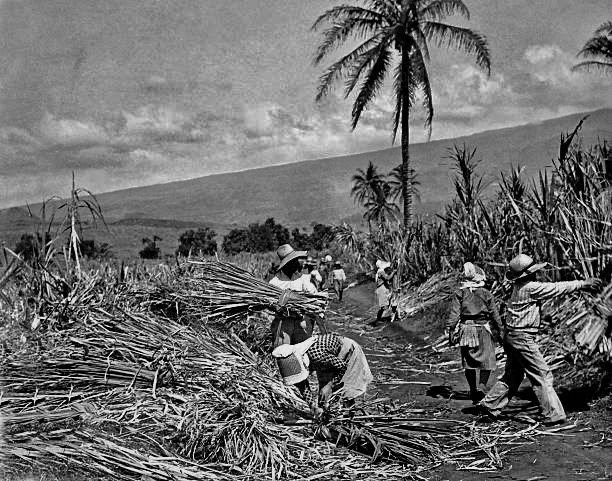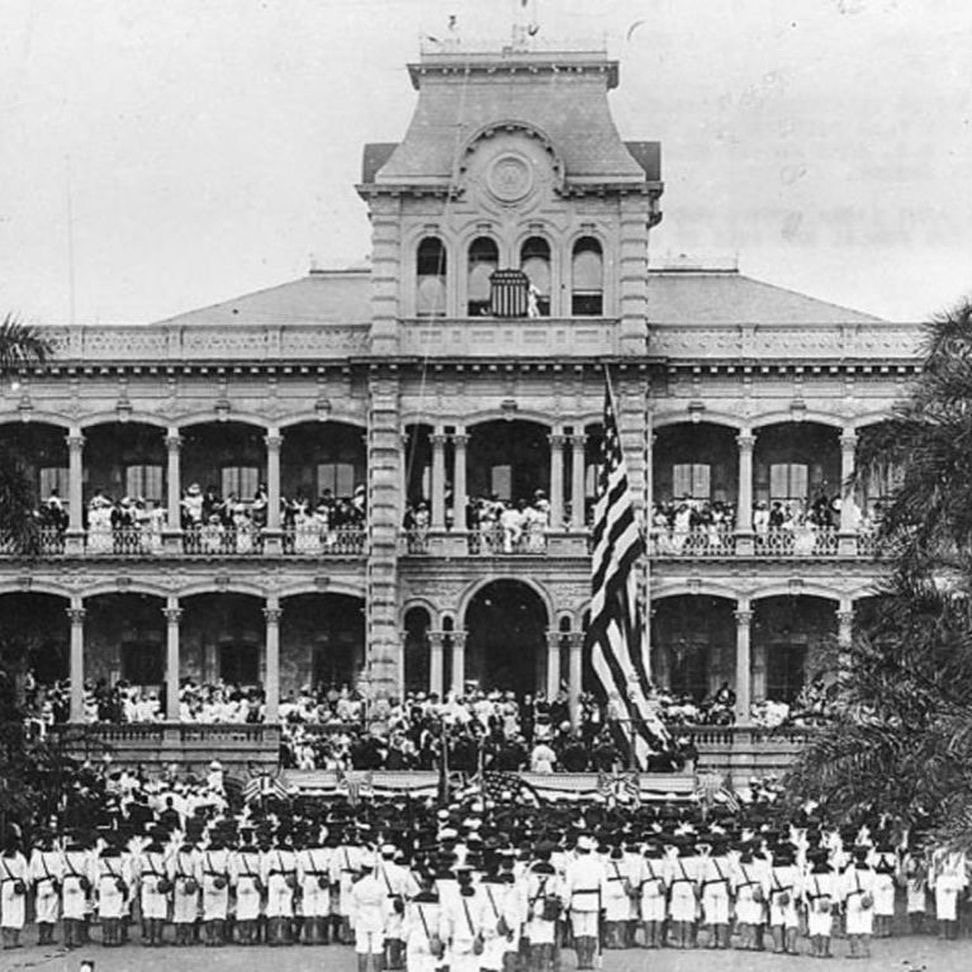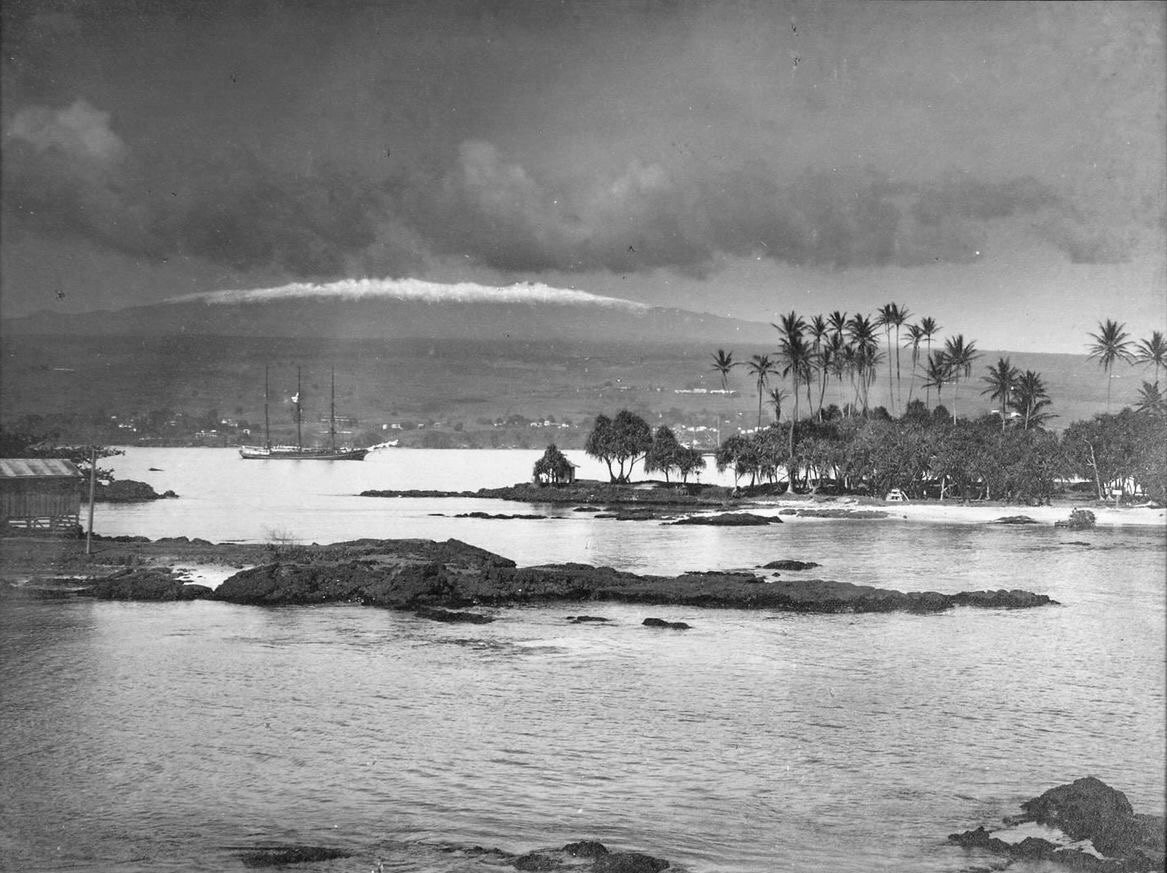
A young man from Massachusetts, a can of fruit and a whole island bought for one crop: how pineapple became Hawaiʻi's calling card, and what is left of it today.
A homestead in Wahiawā
On 16 November 1899 a 22-year-old Harvard graduate named James Dole stepped off a ship in Honolulu with savings of about $16,000 and an idea. Hawaiʻi, newly annexed to the United States, was offering land to homesteaders. Dole bought a homestead of about 26 ha (64 acres) on the high central plain of Oʻahu at Wahiawā and decided to grow pineapples.
The fruit was not new to the islands. Don Francisco de Paula Marín, a Spanish adviser to Kamehameha I, recorded planting it in 1813. But fresh pineapple spoiled long before it could reach mainland markets. Dole's insight was to put it in cans.
In 1901 he founded the Hawaiian Pineapple Company, and in 1903 it produced its first profitable pack. Within two decades it would be the largest pineapple packer in the world.
Cans, machines and marketing
Dole soon moved his canning to Iwilei, beside Honolulu Harbour. The Iwilei cannery became one of Honolulu's best-known landmarks, and from 1928 a giant water tower shaped like a pineapple stood above it for 65 years.
Two things made the business work. The first was a machine. Around 1911–1913 Henry Ginaca, an engineer working for Dole, developed a device that peeled and cored pineapples automatically, about 35 fruits a minute, replacing slow and painful hand work. The second was advertising. National campaigns taught Americans to see canned pineapple as an everyday treat and Hawaiʻi as its home.
Other companies followed, including Libby, McNeill & Libby and Del Monte, and by the 1930s Hawaiʻi dominated the world's canned pineapple trade. The work drew on the same multi-ethnic labour force as sugar, explained in our article on Hawaii's sugar plantation history, and for many island teenagers a summer job in the cannery became a rite of passage.
Lānaʻi: the Pineapple Island
In 1922 Dole made his boldest move. He bought most of the island of Lānaʻi, buying out the Baldwin interests for $1.1 million, and turned it into a single vast plantation. Planning for Lānaʻi City and the harbour at Kaumālapaʻu began in 1923, and fields eventually covered more than 8,000 ha (20,000 acres). For decades it was billed as the largest pineapple plantation in the world.
Japanese contractors and labourers were among the first settlers. In 1932 a large migration of Filipino workers began, and Filipinos became the majority of the plantation workforce. The planned plantation town, laid out around Dole Park, still shapes Lānaʻi City today.
Dole himself did not last as long as his plantation. Expensive ventures, including the deadly 1927 Dole Air Race from California to Hawaiʻi, and the collapse in demand during the Depression left the company weak. In 1932 he was removed from management and Castle & Cooke, one of the Big Five, took control.
Life in the pineapple fields
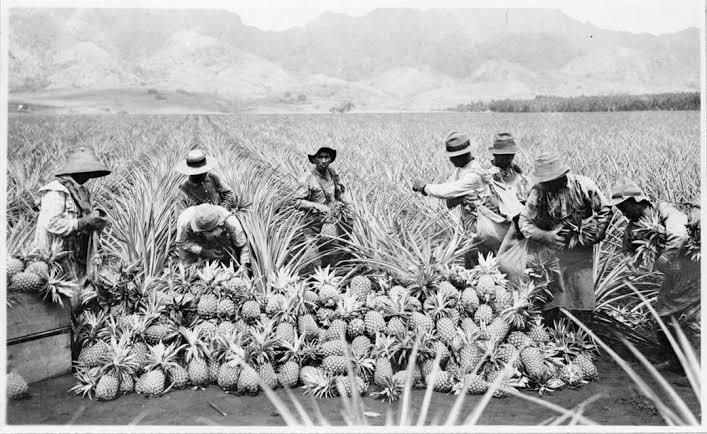
Pineapple was hard, hot work. A plant takes well over a year to bear its first fruit, and in the fields everything was done by hand: planting crowns and slips, weeding between the rows and, at harvest, snapping off each ripe fruit and passing it along to be loaded. Workers wore long sleeves, gloves and heavy trousers against the sharp, spiny leaves, as the photograph at the top of this page shows.
The harvest peaked in the summer months, which shaped island life. Canneries hired large seasonal crews, many of them women and students, to trim and pack the fruit on long production lines. Field workers came from the same communities as the sugar workforce, chiefly Japanese and later Filipino, and lived in company camps and towns.
After the Second World War pineapple workers, like sugar workers, were organised by the ILWU, and wages and conditions improved. Higher costs, though, also made Hawaiian fruit harder to sell against cheaper imports.
Decline and the last harvests
From the 1960s, competition from Thailand, the Philippines and elsewhere, where land and labour were cheaper, undercut Hawaiʻi's growers. Tourism, meanwhile, made island land far more valuable for hotels and homes than for fruit.
The closures came steadily. Canning at Iwilei ended in 1991. On Lānaʻi the final harvest took place in October 1992, and islanders marked the end of an era with a celebration in Dole Park that November. Del Monte stopped growing in Hawaiʻi in 2008, and the old Maui pineapple company ceased operations at the end of 2009, though smaller growers carried on.
| Year | Pineapple milestone |
|---|---|
| 1899 | James Dole arrives in Honolulu |
| 1901 | Hawaiian Pineapple Company founded at Wahiawā |
| 1903 | First profitable pack of canned pineapple |
| c. 1911–1913 | Ginaca machine mechanises peeling and coring |
| 1922 | Dole buys most of Lānaʻi |
| 1932 | Castle & Cooke takes control of the company |
| 1991 | Canning ends at Iwilei, Honolulu |
| 1992 | Final harvest on Lānaʻi |
In 2012 the businessman Larry Ellison bought Castle & Cooke's share of Lānaʻi, about 98 per cent of the island, and today its economy runs on resorts rather than fruit.
Dole Plantation today
The pineapple story is easiest to meet on Oʻahu, at the Dole Plantation at 64-1550 Kamehameha Highway in Wahiawā, on the road between Honolulu and the North Shore. It began as a simple fruit stand for passing drivers in 1950 and opened as a visitor attraction in 1989.
As of October 2026 it is open daily from 9.30 am to 5.30 pm, apart from a few listed special dates. Entry to the visitor centre is free; the three main activities are ticketed separately:
- Pineapple Express: a narrated train ride of about 20 minutes through the fields, with the story of Dole and the plantation era.
- Pineapple Garden Maze: recognised by Guinness World Records in 2008 as the world's largest maze, with several kilometres of hedge-lined paths.
- Plantation Garden Tour: a walk of about an hour through eight themed gardens of pineapple varieties and other island crops.
Expect crowds and tour buses at midday, and try the famous soft-serve Dole Whip. Check doleplantation.com for current prices before you go, and see our things to do on Oʻahu guide for a North Shore day that pairs well with it.
Beyond the theme park
The Dole Plantation is a cheerful stop, but it is not the whole story. On Lānaʻi the Lānaʻi Culture & Heritage Center in Lānaʻi City keeps plantation-era records, photographs and employee cards, and the town itself is a living plantation landscape. Check current inter-island connections before planning a day trip, and see island hopping in Hawaii for options.
Pineapple also connects to bigger themes: annexation, which helped bring Dole to Hawaiʻi, as told in Hawaii's annexation in 1898, and the rise of tourism that eventually replaced the fields. For the full sweep from plantations to statehood, our book The History of Hawaii follows the thread island by island.
Quick answers
Who started the pineapple industry in Hawaii?
James Dole, who arrived in Honolulu in 1899 and founded the Hawaiian Pineapple Company in 1901 at Wahiawā on Oʻahu. Pineapple had been grown in Hawaiʻi since at least 1813, but Dole turned it into a canned export industry.
Why is Lānaʻi called the Pineapple Island?
James Dole bought most of Lānaʻi in 1922 and turned it into a pineapple plantation of more than 8,000 ha (20,000 acres). It produced pineapple for about 70 years, until the final harvest in 1992.
Does Hawaii still grow pineapple?
Yes, but on a small scale. The big canneries and plantations closed between 1991 and 2009 as production moved to cheaper countries, and today only a few growers remain, mostly for fresh fruit.
Is the Dole Plantation worth visiting?
It is a fun, family-friendly stop on the way to the North Shore. Entry is free, and the train ride, giant maze and garden tour are ticketed separately. As of October 2026 it is open daily 9.30 am to 5.30 pm.
When did the Dole cannery in Honolulu close?
Canning at Dole's Iwilei cannery near Honolulu Harbour ended in 1991. Its famous pineapple-shaped water tower was taken down in 1993.
Facts checked October 2026 against the sources below and the research for our book The History of Hawaii. Dates and figures for early Hawaiian history are estimates and scholars still debate some of them.
- Wikipedia: James Dole
- Smithsonian Magazine: It's pineapple season, but does your fruit come from Hawaii?
- Images of Old Hawaiʻi: Pineapple in Hawaiʻi
- Images of Old Hawaiʻi: Dole water tower
- Lānaʻi Culture & Heritage Center: Lānaʻi plantation history
- Dole Plantation: Hours and attractions
- Shaka Guide: Visiting the Dole Plantation
- Hawaii Guide: Dole Plantation