Hawaiʻi's past is not shut away in museums. It stands in lava-rock temples, royal palaces, coral churches and quiet fishponds, and on every island there is a place where you can touch it.
1791: a temple, a rival and a kingdom
In 1791 Keōua, the last great rival to Kamehameha on Hawaiʻi Island, sailed into Kawaihae Bay. Above the shore stood Puʻukoholā, a massive new temple to the war god Kū, built by hand from lava stones on a prophet's advice. Keōua was killed as he came ashore, and his body was offered at the temple. Within twenty years Kamehameha ruled every island.
You can still stand beneath those walls today, and that is the joy of history in Hawaiʻi: the places are real, close together and often free. This guide picks the most rewarding historic sites on each island, with the practical rules that matter. Hours and prices were checked on official websites as of October 2026; storms and repairs can close sites at short notice, so check again before you go.
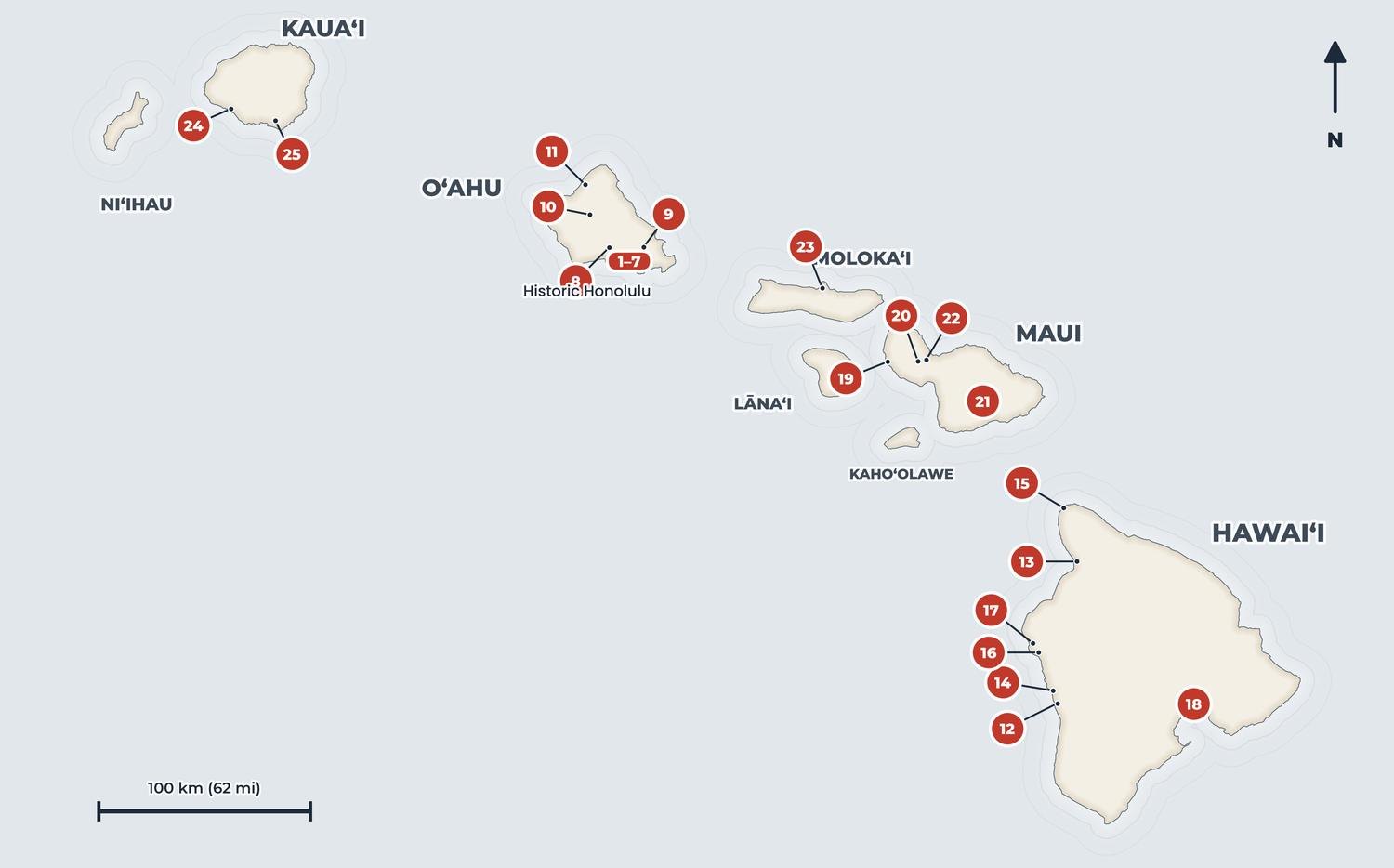
Oʻahu: palaces, churches and Pearl Harbor
Downtown Honolulu holds the densest cluster of royal sites in the islands, all within a short walk of King Street.
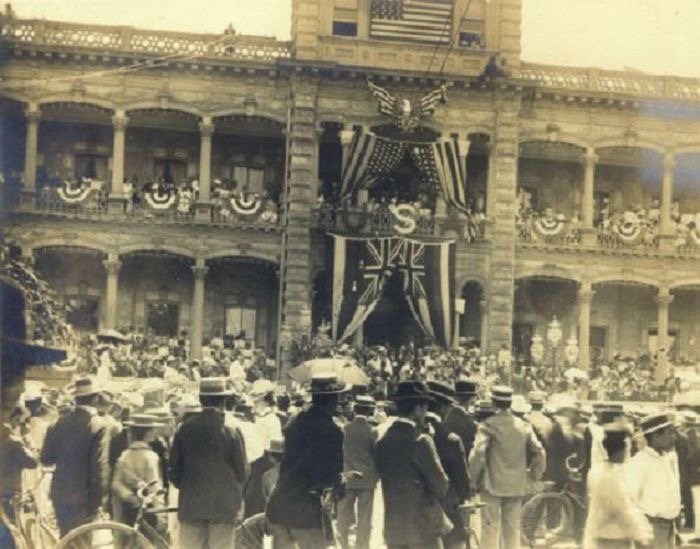
- ʻIolani Palace: the home of King Kalākaua and Queen Liliʻuokalani, with electric light before the White House had it, and the room where the queen was imprisoned in 1895 (see ʻIolani Palace history). Open Tuesday to Saturday, 9 am to 4 pm. Docent-led tours ($34 for adults) run on Wednesday and Thursday mornings and Saturday afternoons; self-led audio tours fill the other slots. Tickets are sold online only, with no walk-ups or same-day sales.
- Kawaiahaʻo Church and the Hawaiian Mission Houses: a church built from some 14,000 blocks of reef coral, dedicated in 1842, beside the homes of the first American missionaries. Visitors are welcome at Sunday worship, which is held partly in Hawaiian.
- Bishop Museum: founded in 1889 in memory of Princess Bernice Pauahi Bishop and home to the finest Hawaiian collections anywhere. 1525 Bernice Street; open daily 9 am to 5 pm, closed Thanksgiving, 24 and 25 December and New Year's Day.
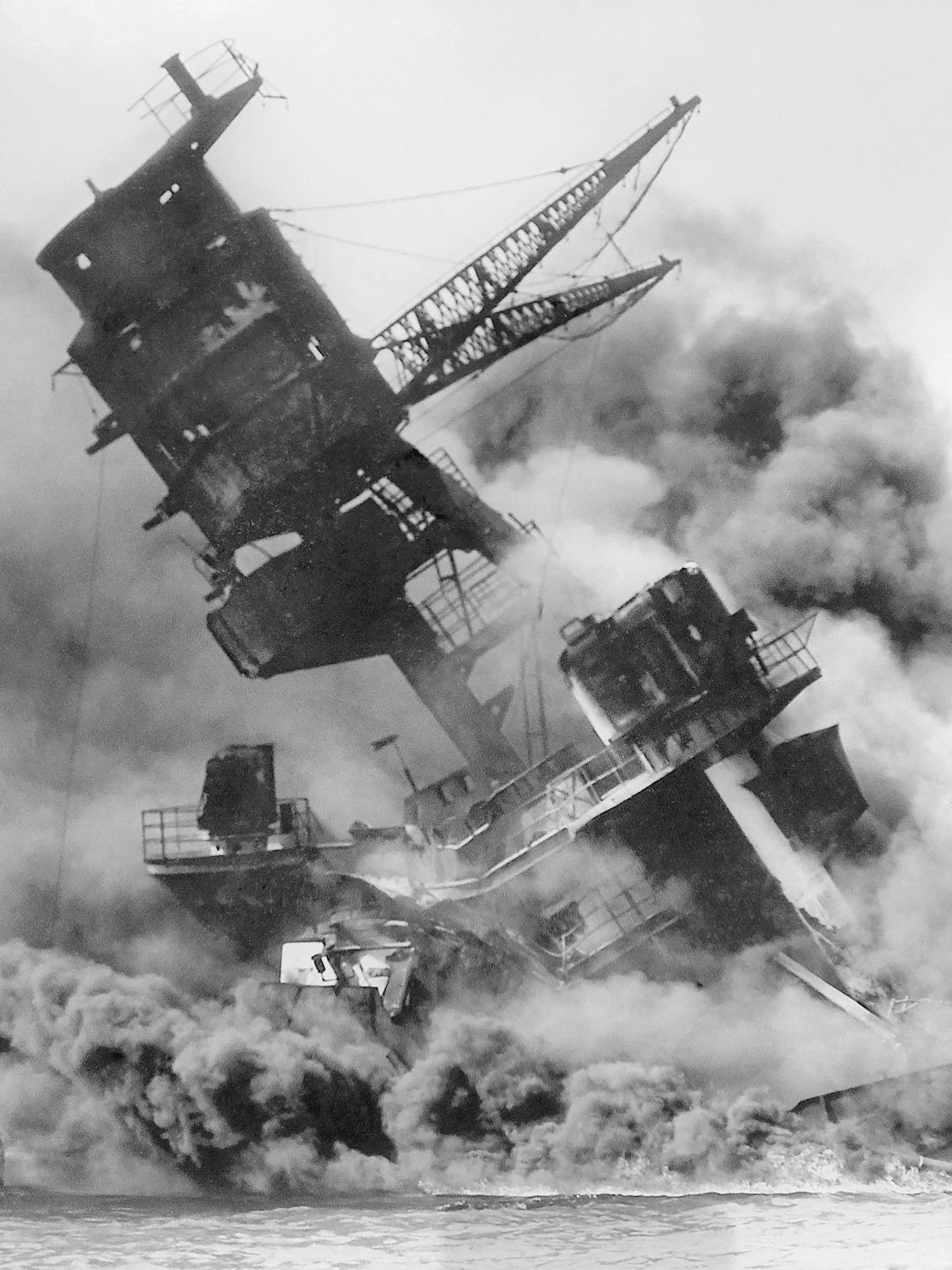
- Pearl Harbor National Memorial: free, but book the USS Arizona Memorial programme on recreation.gov and leave bags behind. Full details are in our Pearl Harbor history.
Beyond the city, Queen Emma Summer Palace sits in cool Nuʻuanu Valley, the Nuʻuanu Pali Lookout marks the cliffs where Kamehameha won Oʻahu in 1795, and Puʻu o Mahuka Heiau, the island's largest temple, overlooks Waimea Bay on the North Shore. Near Wahiawā, the Kūkaniloko birthstones, where chiefly children were born, are still a place of ceremony.
In Waikīkī itself, the bronze surfboard markers of the Waikīkī Historic Trail lead from the old royal coconut grove to Kapiʻolani Park (see our history of Waikīkī).
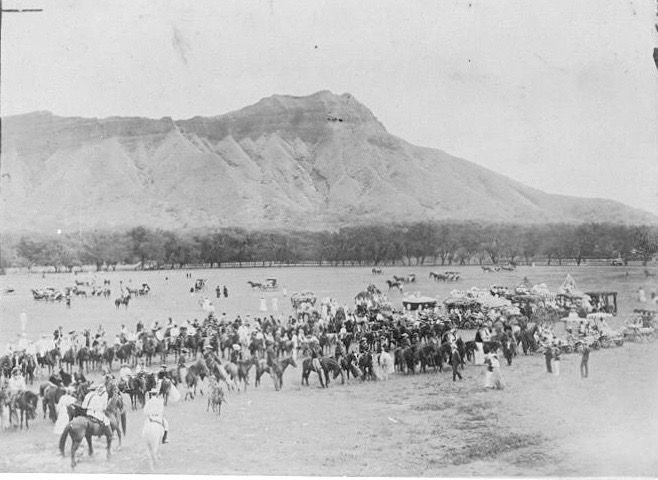
Hawaiʻi Island: Kamehameha's country
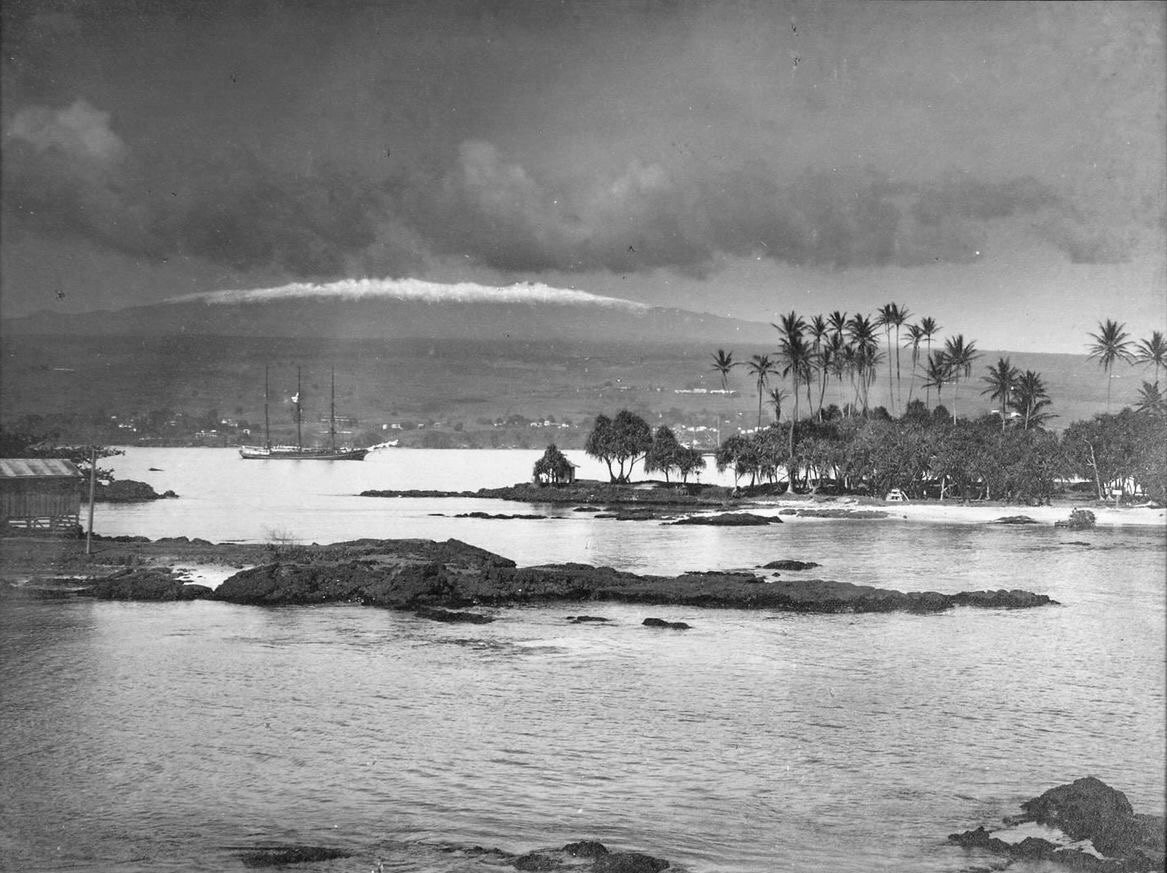
The Big Island is where the kingdom began, and its national parks preserve the world of the aliʻi (chiefs) better than anywhere else.
- Puʻukoholā Heiau National Historic Site, Kawaihae: Kamehameha's war temple of 1790 to 1791. Open daily 8.30 am to 4.30 pm, including holidays; a short loop trail passes the heiau. No entrance fee.
- Puʻuhonua o Hōnaunau National Historical Park, South Kona: a place of refuge where kapu-breakers and defeated warriors could find sanctuary, guarded by carved kiʻi and the rebuilt Hale o Keawe temple. Entry is $20 per vehicle or $10 per person on foot, valid seven days; cards only, no cash.
- Kealakekua Bay State Historical Park: where Captain Cook was killed in 1779 (see Captain Cook in Hawaii). Open daily 7 am to 8 pm and free. The Cook Monument is reached only on foot by the Kaʻawaloa Trail or on a permitted kayak tour; please stay off the sacred Hikiau Heiau.
- Huliheʻe Palace, Kailua-Kona: a lava-rock royal summer home of 1838, cared for by the Daughters of Hawaiʻi. Open Wednesday to Saturday, 10 am to 3 pm; self-guided entry $16 for non-resident adults, guided story tour $20 at 11.30 am by reservation.
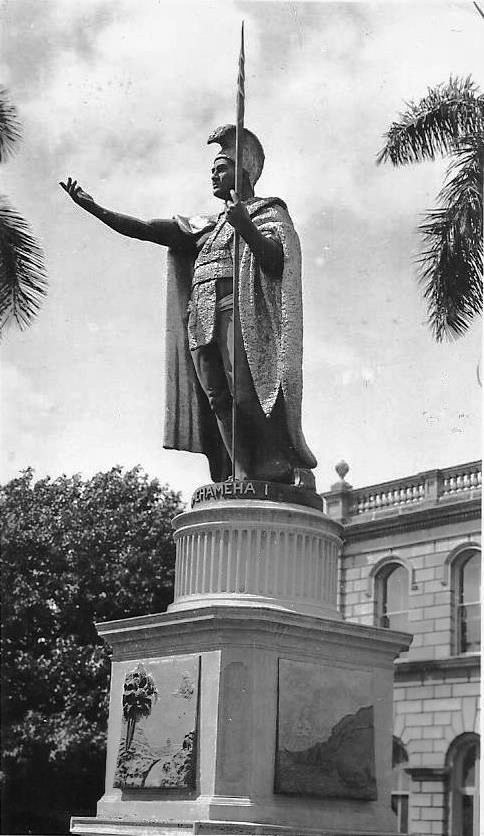
In North Kohala, the original Kamehameha statue stands in Kapaʻau, close to his traditional birthplace and Moʻokini Heiau. In Hilo, the Lyman Museum and Mission House (Monday to Friday, 10 am to 4.30 pm) tells the story of a missionary family and the island's natural history, and the Pacific Tsunami Museum recalls the waves of 1946 and 1960.
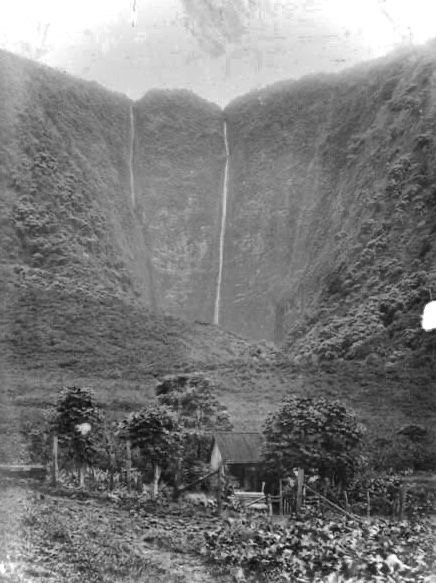
Waipiʻo Valley, once home to the island's early chiefs, is best seen from the lookout. Under County of Hawaiʻi emergency rules renewed in July 2026, the steep road down is closed to walkers and open only to county residents, permitted tour operators and Native Hawaiians exercising traditional rights. For the volcano, see our Hawaiʻi Volcanoes National Park guide.
Maui: a royal capital and a sacred valley
Lahaina was the kingdom's capital from 1820 to 1845 and later a rowdy whaling port. The wildfire of 8 August 2023 destroyed most of the town and killed 102 people. Front Street reopened to traffic on 1 August 2026, but Lahaina is a community rebuilding, not an attraction: the County of Maui asks visitors to stay off private property and out of fenced areas, and the famous banyan in Banyan Court remains fenced while it heals. Check mauirecovers.org before visiting.
Above Wailuku, ʻĪao Valley State Monument is where Kamehameha's army defeated Maui's forces in 1790, beneath the green spire of the ʻĪao Needle. It is open daily 7 am to 6 pm. Out-of-state visitors pay $5 a person plus $10 parking and must reserve a time slot in advance at gostateparks.hawaii.gov. At the valley mouth, the Bailey House Museum holds the Maui Historical Society's collection, and in Puʻunēnē the Alexander and Baldwin Sugar Museum tells the story of the plantations (see our sugar plantation history).
Haleakalā, "house of the sun", is sacred as well as spectacular. To drive up for sunrise between 3 am and 7 am you need a reservation from recreation.gov in addition to the park entrance fee.
Molokaʻi: Kalaupapa
Beneath some of the world's highest sea cliffs lies the Kalaupapa peninsula, where the kingdom and later the territory exiled around 8,000 people with Hansen's disease from 1866. Saint Damien and Saint Marianne Cope served the community there, and a few former patients still call it home.
Kalaupapa National Historical Park is not open to casual visitors. The National Park Service ran its first public tour on 9 July 2026 and has since paused further tours while it reassesses visitor access. For now, the best view is from the Kalaupapa Overlook in Pālāʻau State Park, high above the settlement. Elsewhere on the island, the stone-walled fishponds of the south shore and the Kapuāiwa Coconut Grove near Kaunakakai recall older Molokaʻi.
Kauaʻi, Lānaʻi and the smaller islands
Kauaʻi kept its independence longer than any other island: its ruler Kaumualiʻi joined Kamehameha's kingdom by agreement in 1810, never by conquest. Captain Cook first landed at Waimea in January 1778. Nearby, the star-shaped walls of Pāʻulaʻula, the Russian Fort Elizabeth of 1817, overlook the river mouth, though the site has been closed for construction since March 2025. After storms in September 2026 many Kauaʻi state parks were also closed, so check the State Parks notices page. In Līhuʻe, the Kauaʻi Museum and the Grove Farm plantation homestead fill in the story.
On Lānaʻi, the old pineapple plantation town and the Kaunolū village site recall very different eras. Niʻihau is privately owned and Kahoʻolawe is closed to casual visits, open only for cultural and restoration work.
Visiting historic sites with respect
Many of these places are still sacred. At heiau, stay outside the walls and on marked paths, do not climb on stonework, and leave offerings undisturbed. Never take lava rocks. In Lahaina and at Kalaupapa, remember that people live there and grieve there. Our guide to visiting Hawaii respectfully has more.
| Site | Book ahead? | Where |
|---|---|---|
| USS Arizona Memorial | Strongly recommended | recreation.gov |
| ʻIolani Palace | Required, online only | iolanipalace.org |
| ʻĪao Valley (non-residents) | Required | gostateparks.hawaii.gov |
| Haleakalā sunrise | Required | recreation.gov |
| Huliheʻe Palace guided tour | Required | daughtersofhawaii.org |
Plan your palaces by the weekday: most royal sites close on Sundays and Mondays. For the story behind every site in this list, and many more, see The History of Hawaii.
Quick answers
What is the most important historic site in Hawaii?
There is no single answer, but ʻIolani Palace in Honolulu, often called the only royal palace on US soil, and Pearl Harbor National Memorial top most lists. On Hawaiʻi Island, Puʻuhonua o Hōnaunau and Puʻukoholā Heiau are essential for understanding the kingdom's origins.
Do you need reservations for ʻIolani Palace?
Yes. Tickets are sold online only at iolanipalace.org, with no walk-ups or same-day sales. The palace is open Tuesday to Saturday, 9 am to 4 pm (as of October 2026).
Can you visit Kalaupapa on Molokaʻi?
Not at present. As of October 2026 the National Park Service has paused public tours while it reassesses visitor access. You can view the peninsula from the Kalaupapa Overlook in Pālāʻau State Park.
Is Puʻuhonua o Hōnaunau worth visiting?
Yes. It is one of the best-preserved traditional Hawaiian sites, with a reconstructed temple, carved kiʻi and a great lava wall. Entry is $20 per vehicle, cards only, valid for seven days.
Can you go down into Waipiʻo Valley?
Not on foot. Under County of Hawaiʻi emergency rules renewed in July 2026, the road is open only to county residents, permitted tour operators and Native Hawaiians exercising traditional rights, in low-range four-wheel-drive vehicles. Visitors can enjoy the view from the lookout.
Facts checked October 2026 against the sources below and the research for our book The History of Hawaii. Dates and figures for early Hawaiian history are estimates and scholars still debate some of them.
- Docent-led tours (ʻIolani Palace)
- Hours (ʻIolani Palace)
- Fees & Passes, Puʻuhonua o Hōnaunau (NPS)
- Operating Hours & Seasons, Puʻukoholā Heiau (NPS)
- Kealakekua Bay State Historical Park (Hawaiʻi State Parks)
- ʻĪao Valley State Monument (Hawaiʻi State Parks)
- Guided Tours, Kalaupapa National Historical Park (NPS)
- Waipiʻo Valley Road emergency rules (County of Hawaiʻi)