Maui and the Big Island are neighbours across the ʻAlenuihāhā Channel, but they offer very different holidays. Maui is compact and easy, with resort beaches, a dormant volcano and a famous road. The Big Island is enormous and raw: a young island still growing, with an active volcano, snow-capped summits, black-sand beaches and manta rays dancing at night. Here is how they compare.
The short answer
Choose Maui for a relaxed beach holiday where the big sights, Haleakalā and the Road to Hāna, are easy day trips from your resort. Choose the Big Island for adventure and variety: Hawaiʻi Volcanoes National Park, Mauna Kea at sunset, a manta ray night snorkel and landscapes from desert to rainforest. Be ready to drive.
Side by side
| Maui | Big Island | |
|---|---|---|
| Size | Compact | Bigger than all other islands combined |
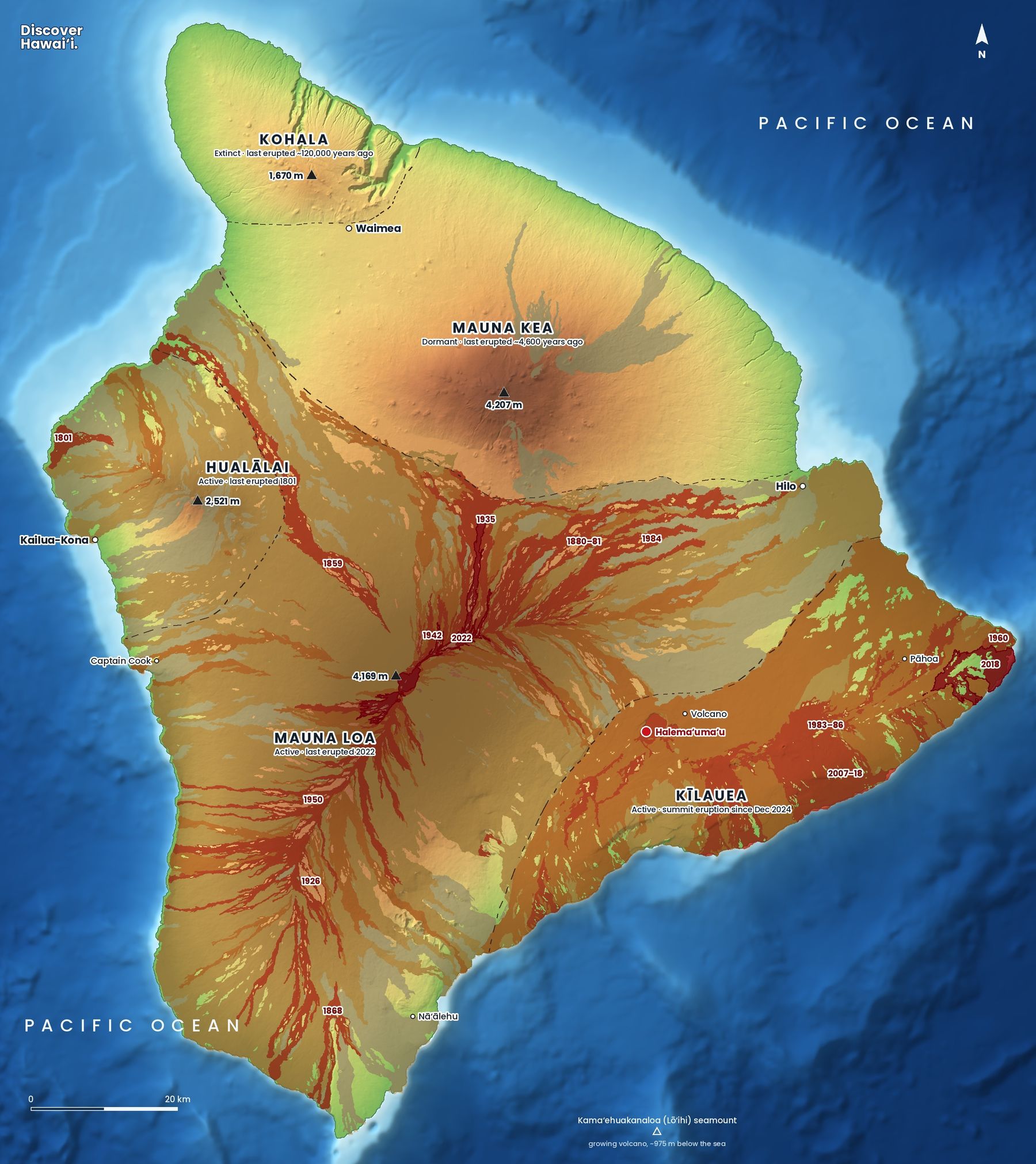
| Volcanoes | Haleakalā (dormant) | Kīlauea (active), Mauna Loa, Mauna Kea |
| Beaches | Long, golden, many | A few excellent; black and green sand |
| Unique experiences | Sunrise above the clouds, Road to Hāna | Lava, manta rays at night, stargazing |
| Driving | Short hops | Long distances; two bases |
| Hotel price (June 2026) | About $563 | About $475 |
| Best for | Beaches, couples, easy trips | Adventure, nature, science, repeat visitors |
Choose Maui if…
- You want a classic beach holiday with short drives.
- You want Haleakalā at sunrise and the Road to Hāna.
- You want calm resort beaches for young children.
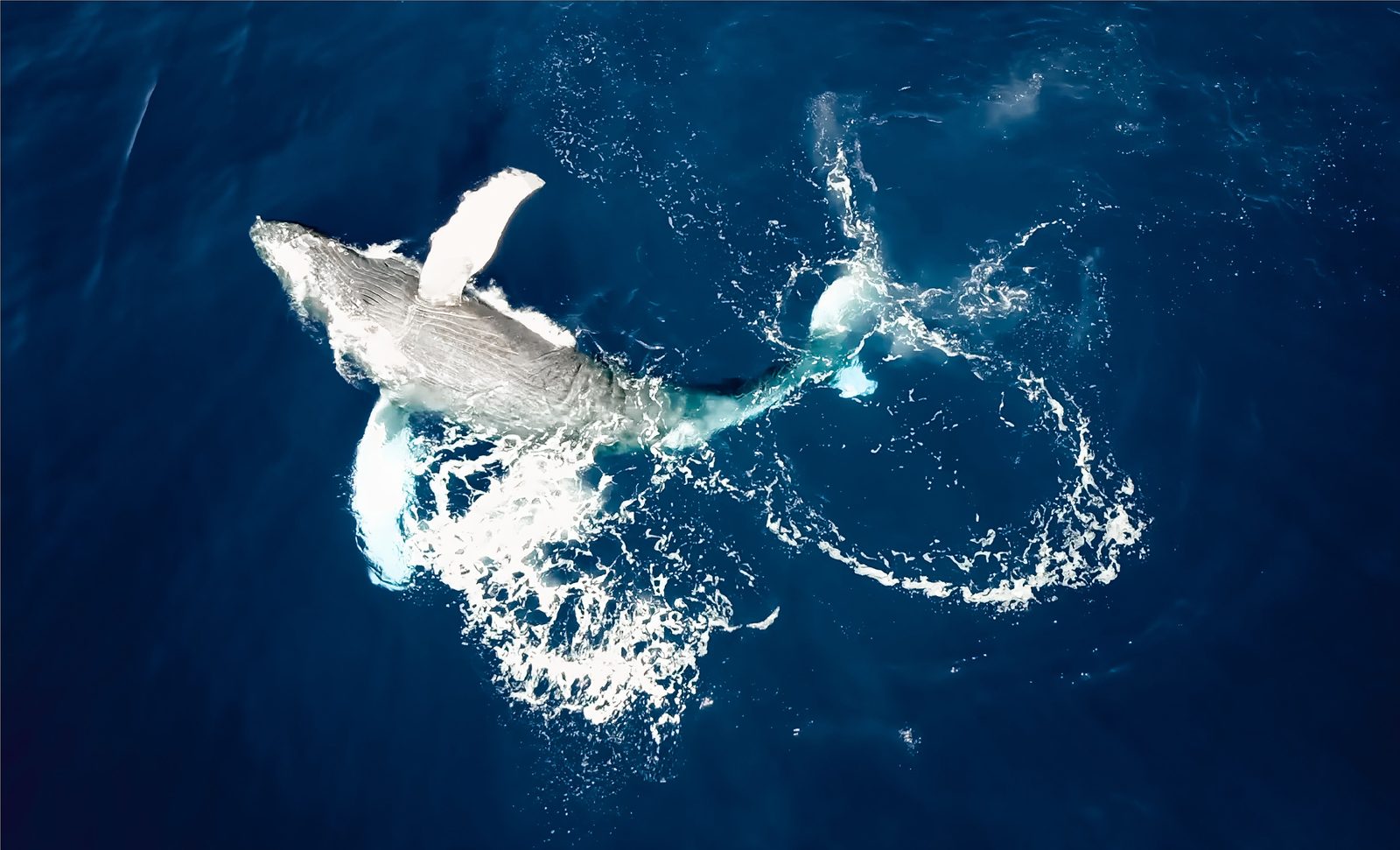
- You want the best whale watching, from December to April.
Choose the Big Island if…
- You want to see an active volcano, and perhaps lava, at Kīlauea.
- You want to snorkel with manta rays at night off Kona.
- You love stargazing: Mauna Kea has some of the clearest skies on Earth.
- You want variety: deserts, rainforests, black-sand beaches and cowboy country in one island.
- You have been to Hawaii before and want something different.
Kīlauea's activity changes week to week. Since October 2026, some summit trails and overlooks are closed because of earthquakes and inflation; check the USGS and park updates. Read our Big Island volcanoes guide.
Distances and driving
On Maui, most sights are within an hour or two of the resort coasts. On the Big Island, Kona to Hawaiʻi Volcanoes National Park is about two and a half hours each way, and Kona to Hilo about two hours. That is why we recommend two bases, Kona or the Kohala Coast plus Volcano Village or Hilo. See where to stay on the Big Island and five days on the Big Island.
Combining the two
Kahului (Maui) and Kona or Hilo (Big Island) are linked by flights of about 35–40 minutes. A week on Maui followed by four or five nights on the Big Island makes a superb two-week holiday: beaches and Haleakalā first, then volcanoes, stars and mantas. Our 10-day itinerary combines both with Oʻahu.
A day on each island
On Maui, the volcano is a place of silence. Haleakalā last erupted centuries ago, and at dawn its crater is a bowl of red and grey cinder cones, so still you can hear your own breath. By lunchtime you are back at sea level, snorkeling with turtles off a golden beach.
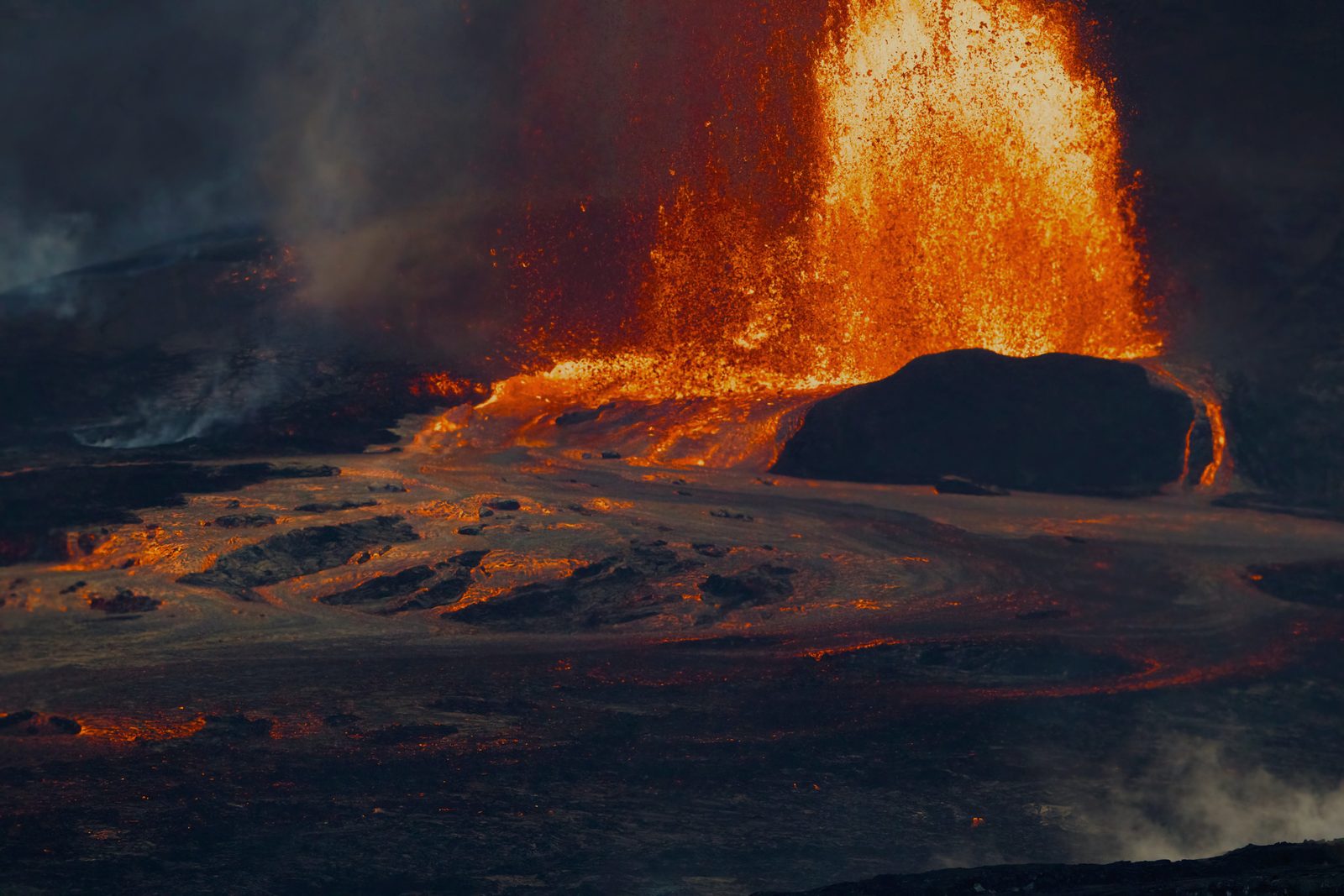
On the Big Island, the volcano is alive. Kīlauea has erupted in episodes since December 2024, sometimes throwing fountains of lava hundreds of feet into the air inside Halemaʻumaʻu crater. You might spend the morning walking across the solidified lava lake of Kīlauea Iki, the afternoon on a black-sand beach watching green sea turtles, and the night in the dark ocean off Kona with manta rays gliding inches beneath you. It is a less polished island, and a more astonishing one.
When to go
Every island is warm all year, with daytime highs at the coast of about 80–88°F (27–31°C). The seasons change the ocean more than the weather: from November to March big swells pound north-facing shores and humpback whales arrive; from May to September north shores calm down and south shores get the surf. Prices peak over Christmas and New Year, spring break and midsummer. The best-value months are usually late April to early June and September to early November; hurricane season runs from June to November. See the best time to visit Hawaii.
On the Big Island, lava activity, not the season, decides what you see; check the USGS Hawaiian Volcano Observatory close to your trip. Snow can cap Mauna Kea in winter.
What each costs
In June 2026, hotels averaged about $563 a night on Maui and $475 on the Big Island before tax. The Big Island's Kohala resorts are as expensive as Maui's, but Kona town, Hilo and Volcano Village offer much better value. Both islands need a rental car; budget for more gas on the Big Island, where distances are long. See how much a week in Hawaii costs.
Quick answers
Is Maui or the Big Island better?
Maui is better for a beach-resort holiday with easy sightseeing; the Big Island is better for volcanoes, adventure, stargazing, manta rays and variety. The Big Island needs more driving.
Can you see lava on Maui?
No. Maui's Haleakalā last erupted several centuries ago. Active lava is only on the Big Island, at Kīlauea, which has erupted in episodes at its summit since December 2024.
Which is cheaper, Maui or the Big Island?
The Big Island, slightly. In June 2026 hotels averaged about $475 a night there against $563 on Maui, and towns like Kona and Hilo have good-value stays.
Which has better beaches?
Maui overall. The Big Island has a few superb white-sand beaches on the Kohala Coast and unique black and green sand beaches, but much of its coast is rugged lava.
More comparisons: Maui vs Oʻahu, Maui vs Kauaʻi, Maui vs the Big Island, Oʻahu vs Kauaʻi, Maui vs Oʻahu vs Kauaʻi, Kona vs Hilo and the best island for kids.
Facts checked October 2026. Prices are averages and conditions change, especially after storms; check the official sources before you travel.
- Hawaiʻi Tourism Authority: hotel performance reports
- National Park Service: Kīlauea summit safety closures (7 October 2026)
- USGS Hawaiian Volcano Observatory: Kīlauea
- National Park Service: Haleakalā sunrise reservations
- NOAA Hawaiian Islands Humpback Whale National Marine Sanctuary
- Beat of Hawaii: inter-island fares in 2026