Nine-metre waves in winter, a millpond in summer, turtles on the sand and garlic shrimp from a truck. How to enjoy Oʻahu's North Shore safely, in any season.
The same bay, two seasons
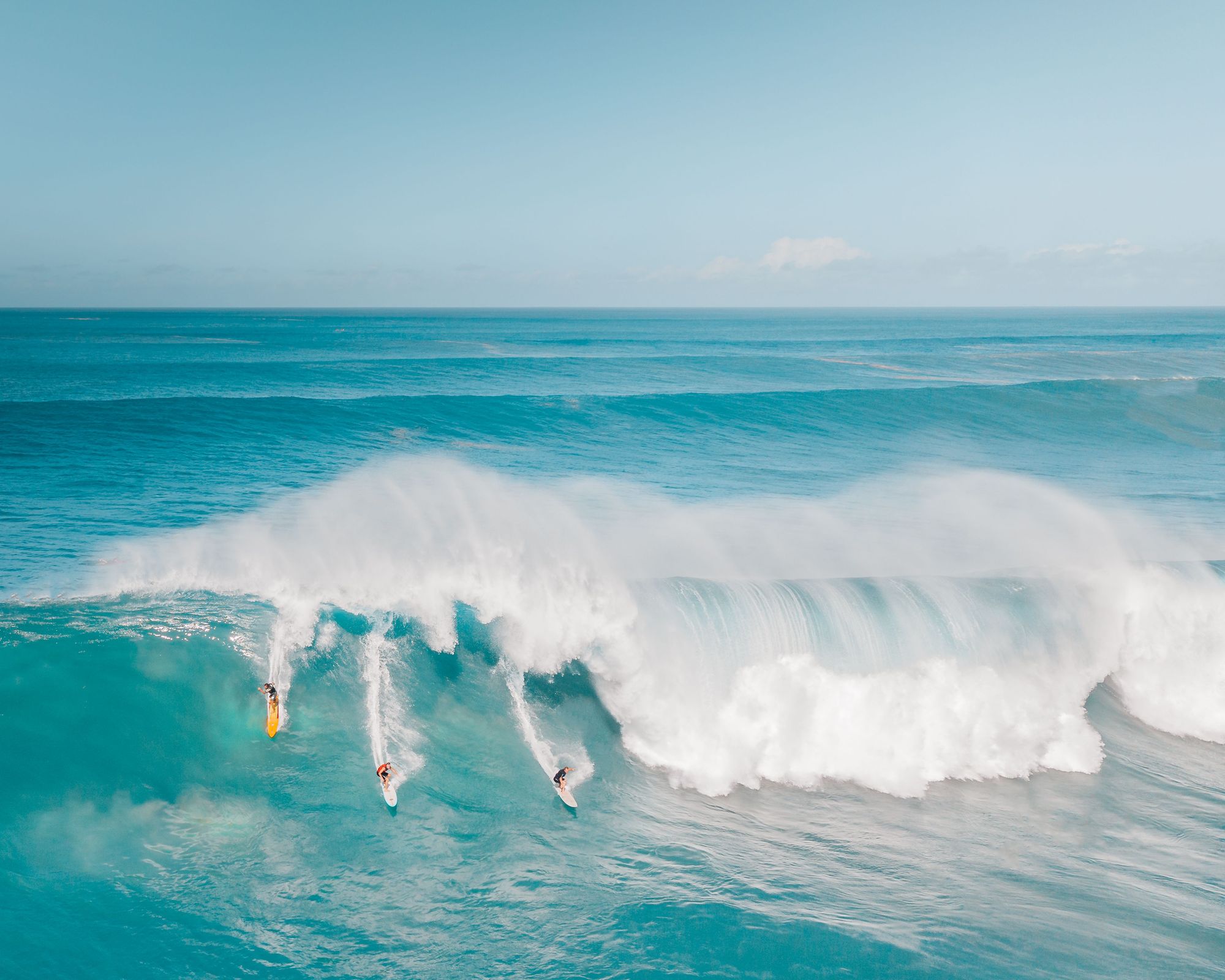
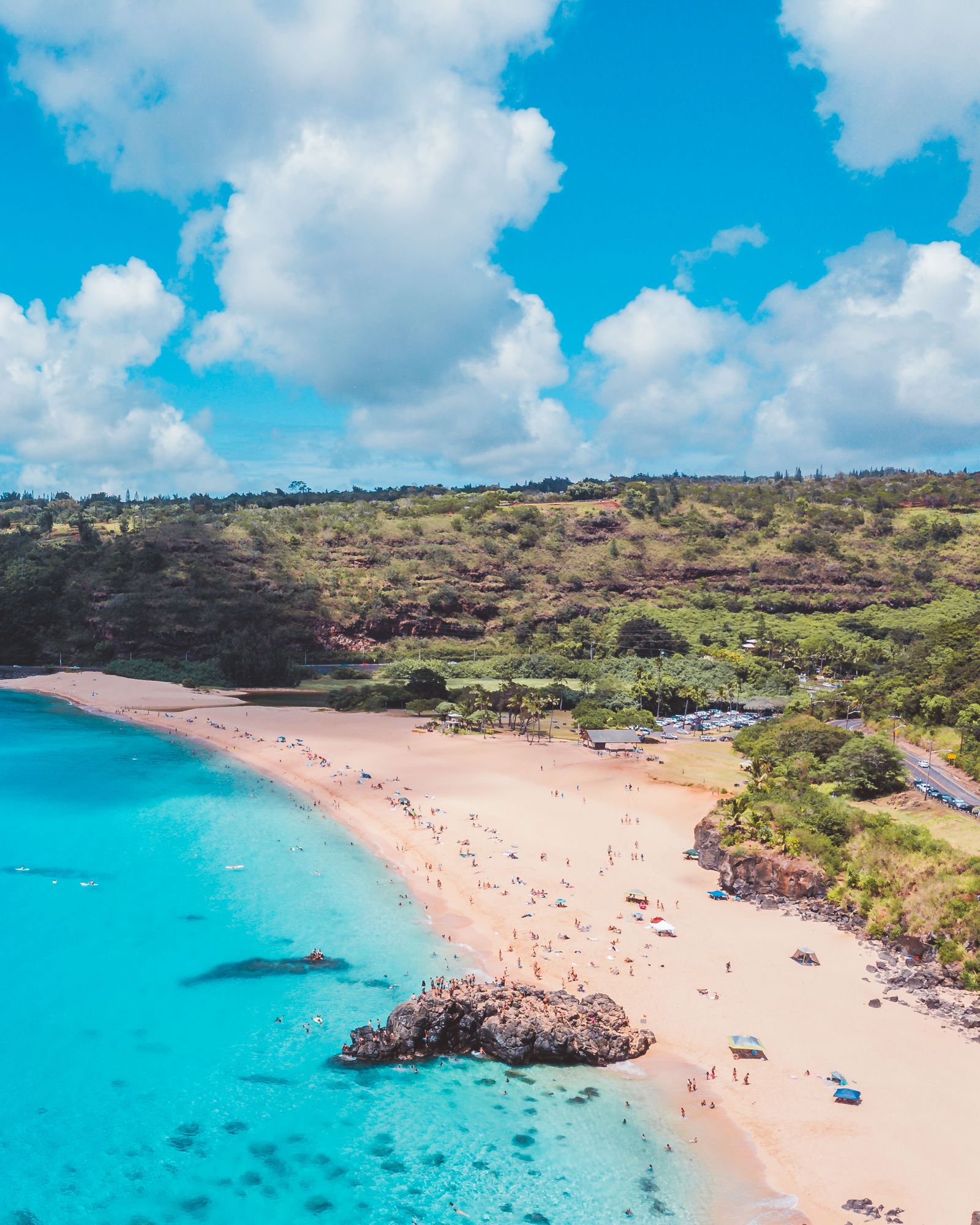
In January a crowd stands on the rocks at the edge of Waimea Bay, watching a set roll in from the north. The waves stand up, darken and break with a thump you feel through your feet, and a handful of surfers drop down faces taller than a house. In July the same bay can be glassy and blue, with children leaping off the big rock into calm water.
That double life is the key to Oʻahu's North Shore. The 11-kilometre (7-mile) coast between Haleʻiwa and Sunset Beach is the most famous surf coast on Earth in winter, and a relaxed, country beach strip in summer. This guide covers the main stops, what to expect in each season, how to watch the turtles without harming them, and where to eat. Practical notes were checked as of October 2026.
Haleʻiwa: the North Shore's town
Haleʻiwa is the gateway, a small surf town of wooden plantation-era shopfronts, galleries, surf shops and food trucks along Kamehameha Highway. It grew up around the sugar plantation and the old railway line, and now acts as the social centre of the coast.
The classic stop is shave ice, finely shaved and soaked in syrup. Matsumoto's is the famous name and has queues to match; other stands in town are just as good and less crowded. Haleʻiwa Aliʻi Beach Park, by the harbour, has a well-known surf break and a grassy park that is good for a picnic.
Across the old Anahulu River bridge, the harbour is the base for fishing charters and boat trips, and paddlers head up the calm river on stand-up boards. The town's beaches are a good place to start a summer swim day, with the lifeguarded Haleʻiwa Aliʻi Beach Park on one side of the harbour and Haleʻiwa Beach Park on the other.
Plan to stop here in the morning or late afternoon. At midday the car parks fill and Kamehameha Highway, the only road along this coast, slows to a crawl.
Waimea Bay, Pipeline and Sunset Beach
Waimea Bay is the big-wave arena. When winter swells are large enough (open-ocean waves of at least 6 metres, or about 20 feet), the Eddie Aikau Big Wave Invitational may run here, named after the Waimea lifeguard who was lost at sea in 1978 while paddling for help from the capsized voyaging canoe Hōkūleʻa. The contest has run only 11 times since 1985, most recently in December 2024. In summer the bay is one of the best swimming beaches on the island. Above it, Puʻu o Mahuka Heiau State Historic Site is the largest heiau on Oʻahu.
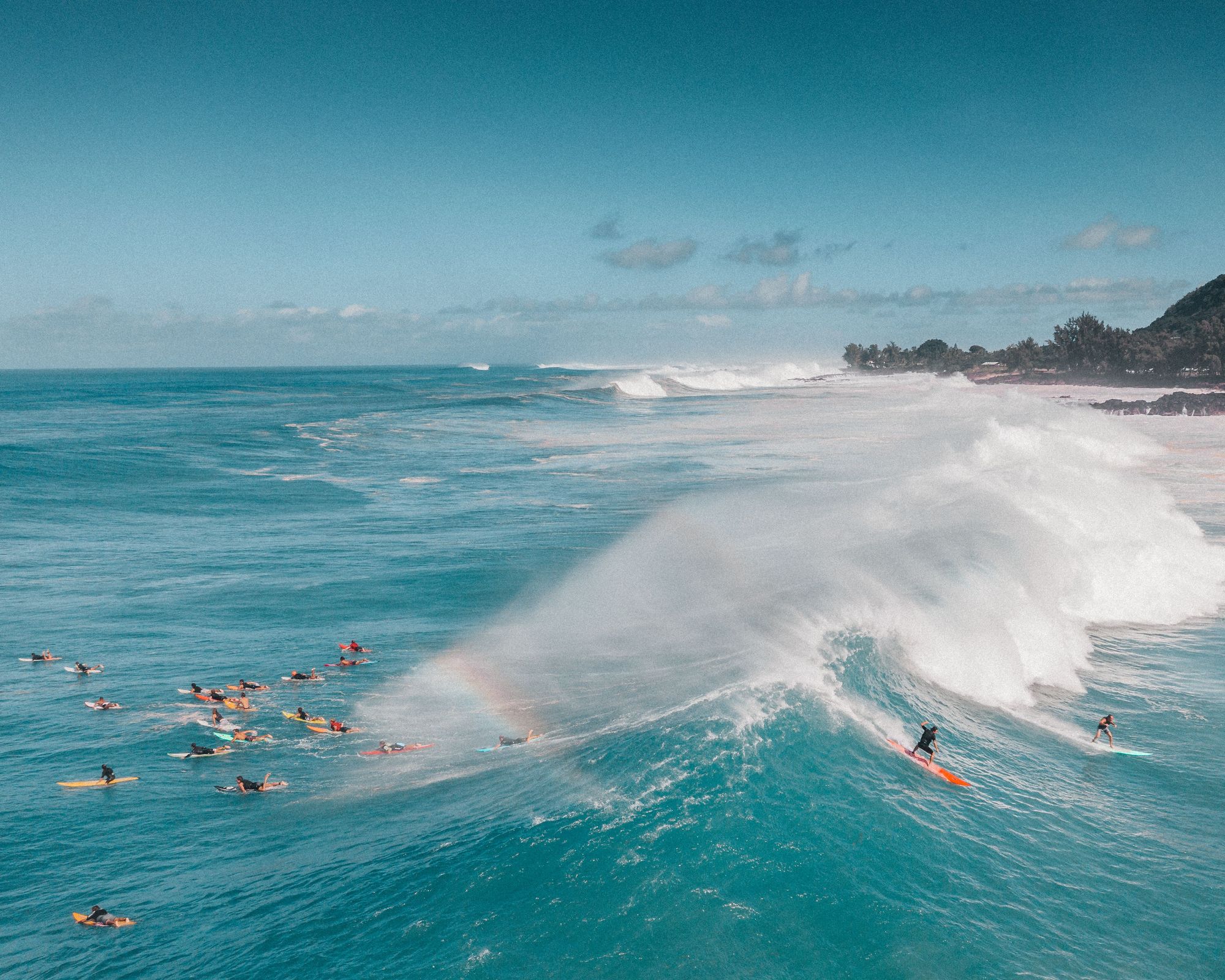
Pipeline breaks off ʻEhukai Beach Park, a hollow wave over a shallow, jagged reef just metres from the sand. It is spectacular to watch and extremely dangerous to surf. Sunset Beach, a little further north, has a long, wide beach and powerful waves in winter, and lovely sunsets all year. In summer the waves usually fade away and it becomes a pleasant, uncrowded place for a swim on calm days, with a lifeguard tower near the main car park.
Professional contests run along this coast through the winter, and the beach car parks overflow when the surf is big. Our guides to where to surf in Hawaiʻi and the history of surfing explain why the North Shore matters so much to the sport.
Winter waves and summer swimming: safety first
North Shore winter swells, roughly from October to April, can produce wave faces of 9 metres (30 ft) or more. On those days the beaches are for watching only. Rip currents are powerful, the shore break can knock adults off their feet and waves sometimes sweep up the sand to the car parks. People are washed off rocks every winter, so keep well back from the water's edge.
- Swim only at lifeguarded beaches, and ask the lifeguard before going in.
- Read the warning signs and flags. A red flag or "high surf" sign means stay out.
- From about May to September the ocean is usually calm enough for swimming and snorkelling at Waimea Bay and at Shark's Cove in the Pūpūkea Marine Life Conservation District. Conditions still change, so check each day.
- Never turn your back on the ocean, even in summer.
For details, read Hawaiʻi ocean safety and our map of Oʻahu snorkel spots, which includes Shark's Cove.
Turtles at Laniākea: keep your distance
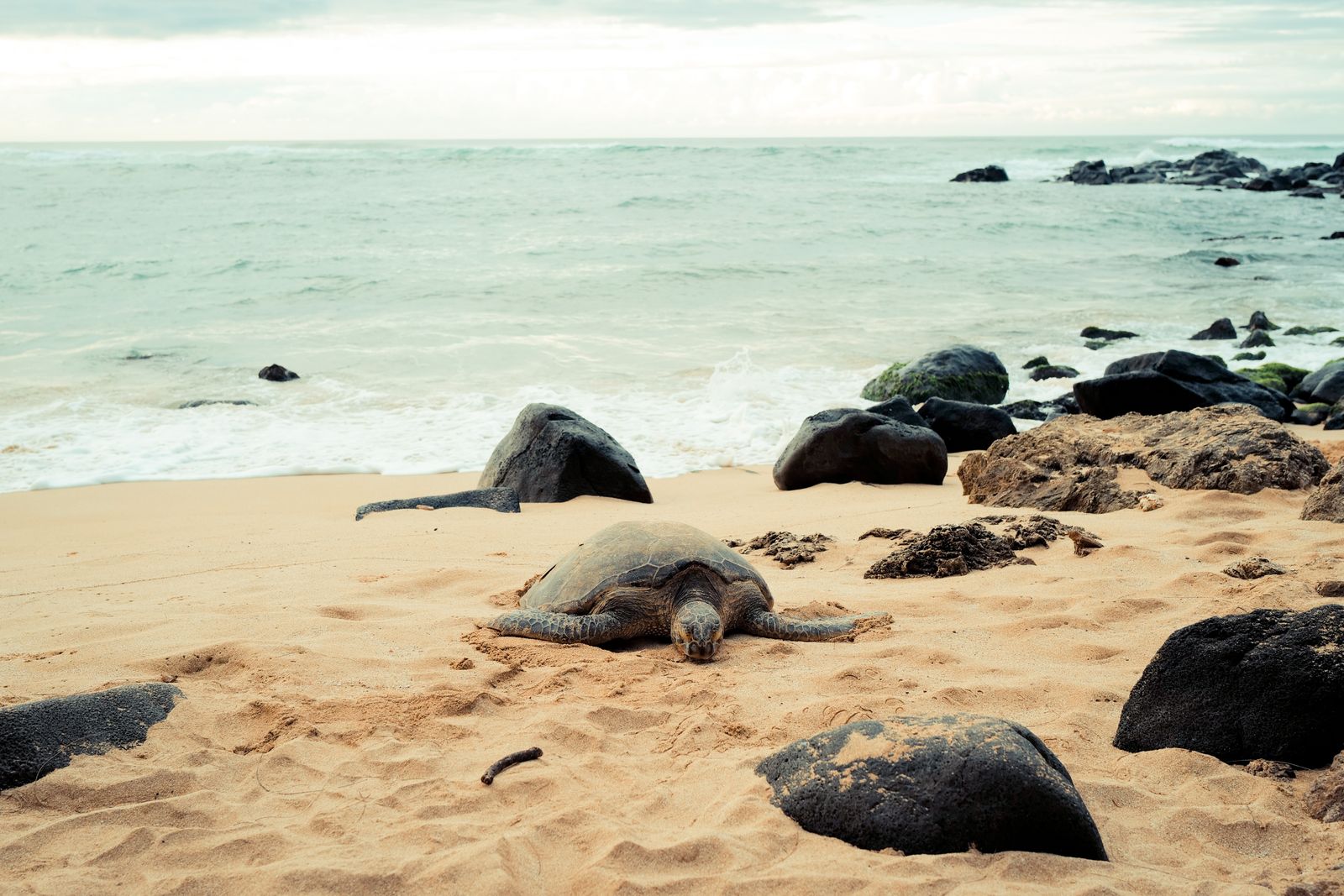
Between Haleʻiwa and Waimea, Laniākea Beach became famous in the 2000s because green sea turtles (honu) haul themselves out on the sand to rest. NOAA Fisheries has documented 35 individual turtles there since basking was first reported in 1999, though on most days you will see somewhere between none and four.
Honu are a threatened species protected by federal and state law. The recommended minimum viewing distance is 3 metres (10 feet), and research shows that at that distance the turtles carry on resting normally. Never touch, ride, feed or block a turtle's path to the water. Volunteers from the nonprofit Mālama na Honu often rope off a resting area and are happy to tell you each turtle's name and story.
The biggest danger at Laniākea is actually the road. Visitors stop on the highway shoulder and run across Kamehameha Highway, causing jams and near misses. Park only in marked spaces and use crossings with care. See our guide to where to see sea turtles in Hawaiʻi for other places to spot them.
Shrimp trucks, fruit stands and other stops
The North Shore's best-known meal is garlic shrimp, served with two scoops of rice from trucks around Kahuku, where aquaculture ponds have raised shrimp for decades. Giovanni's is the famous name; several neighbouring trucks are just as popular with locals. Expect a wait at lunchtime and bring cash as a back-up.
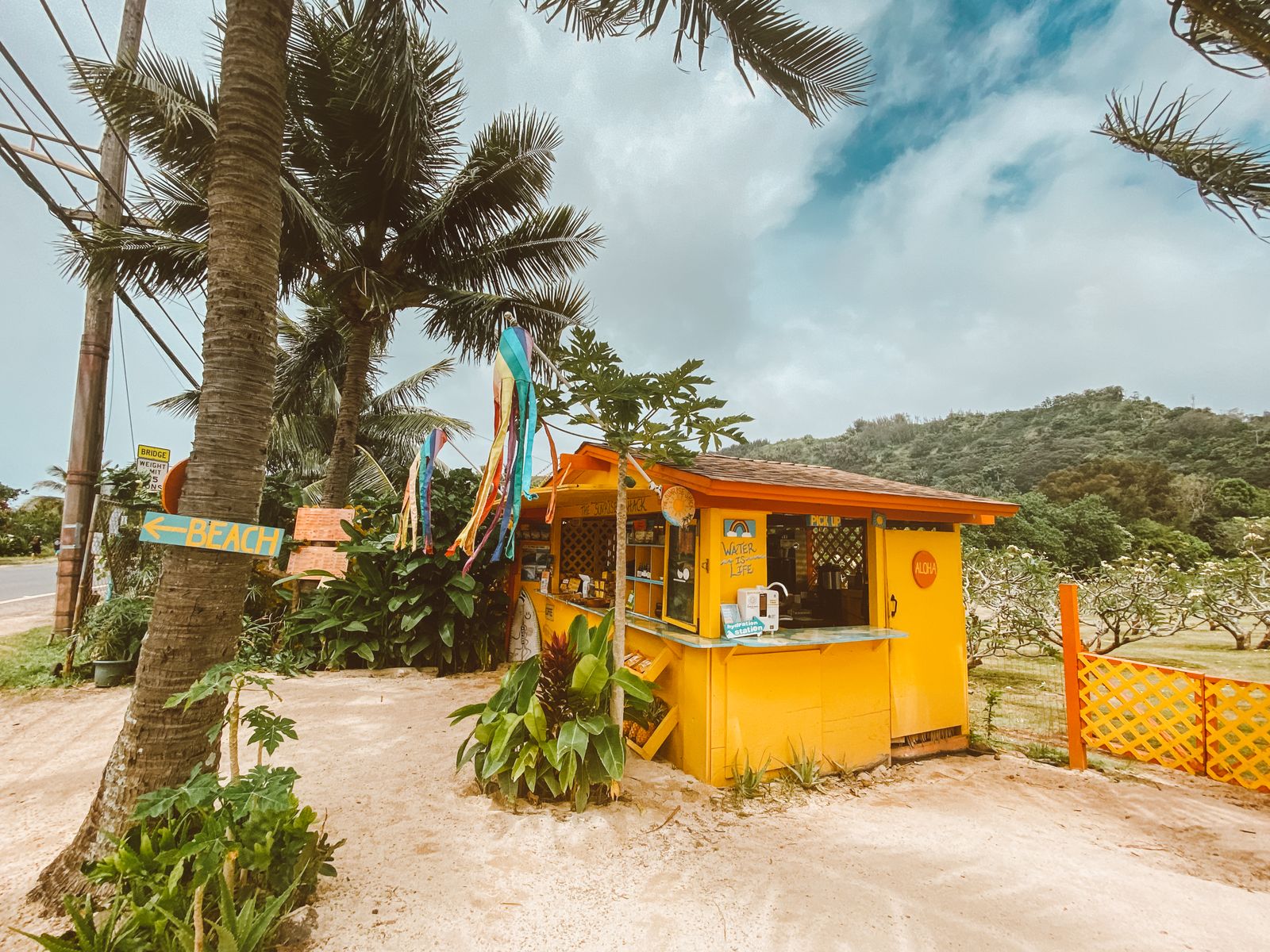
Roadside stands sell fresh coconut, papaya, apple bananas and smoothies along the highway. Other worthwhile stops include Waimea Valley, a botanical garden with a short walk to a waterfall, now under Native Hawaiian stewardship, and the beaches near Turtle Bay at the northern end of the coast.
Planning your day and respecting the community
Leave Waikīkī by 8 am, drive up through the central plain, stop in Haleʻiwa for breakfast and work your way north. In winter, check the surf report and plan to watch Waimea or Pipeline at their best. In summer, bring snorkel gear for a swim. Return along the windward coast past Lāʻie and Kualoa to make a loop of the island.
Accommodation on the North Shore is limited: Turtle Bay Resort at the northern end, a few small inns and many legal vacation rentals. Staying a night or two lets you see Waimea at dawn, before the day trippers arrive, and the sunset at Sunset Beach without facing the drive back in the dark. If you are only coming for the day, leave the beaches by mid-afternoon on winter weekends to avoid the long queue back to Honolulu.
The North Shore is a rural community, not a theme park. Do not park on lawns or block driveways, keep noise down near homes, pack out your rubbish and never leave valuables in your car. Our guide to visiting Hawaiʻi respectfully has more tips.
Combine the day with the Polynesian Cultural Center in Lāʻie, or find more ideas on our Oʻahu island page and in things to do on Oʻahu.
Quick answers
When is the best time to visit the North Shore of Oahu?
Visit from about November to February to watch big waves and pro surfing, and from about May to September for calm water, swimming and snorkelling. Weekday mornings are the least crowded all year.
Can you swim at Waimea Bay?
In summer, usually yes: the bay is often calm and lifeguarded. In winter, big swells make it dangerous, and on high-surf days nobody should go in. Always check with the lifeguards first.
How close can you get to turtles at Laniakea Beach?
Stay at least 3 metres (10 feet) away. Green sea turtles are protected, and touching, feeding or blocking them is against the law.
How long does it take to drive from Waikiki to the North Shore?
Around an hour to Haleʻiwa without traffic, and longer at weekends or when big surf draws crowds. Kamehameha Highway is the only road along the coast.
Is the Eddie Aikau contest on every year?
No. The Eddie only runs when open-ocean swells reach about 20 feet. It has been held 11 times since 1985, most recently in December 2024.
Facts checked October 2026. Reservations, fees, opening hours and trail or road closures change often in Hawaii, so confirm with the official source before you go.