Six island villages, a fire-knife finale and a lūʻau in a small town on Oʻahu's north-east coast. What the Polynesian Cultural Center is, what it costs and whether it is right for you.
A Samoan joke and a coconut
In the Sāmoa village a man in a lavalava climbs a coconut palm barefoot in seconds, comes down, then cracks a coconut open with a stone while keeping up a stream of jokes at the expense of the front row. The audience is laughing so hard they barely notice they are learning how a Samoan family gets food, drink and fire from a single tree.
That mix of entertainment and real skill is what the Polynesian Cultural Center, in Lāʻie on Oʻahu's north-east coast, does best. It is one of Hawaiʻi's most visited attractions and also one of the most debated. This guide explains what you get, what it costs, how to plan the long day and where it falls short, with details checked as of October 2026.
What the Polynesian Cultural Center is
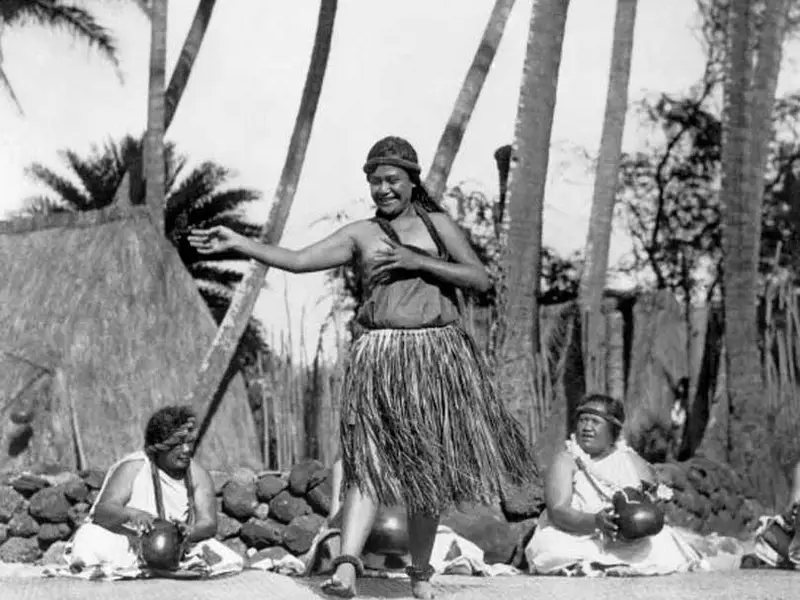
The centre is a nonprofit owned by the Church of Jesus Christ of Latter-day Saints, which opened it in October 1963 next to what is now Brigham Young University-Hawaiʻi. Its roots go back to the 1940s and 1950s, when Lāʻie's church community staged hukilau, communal net-fishing feasts, and lūʻau for visitors to raise money to rebuild a chapel that had burned down. Many of the performers and staff today are university students from across the Pacific, and the centre's income helps pay for their studies.
The grounds are laid out around a lagoon, with villages representing six Polynesian cultures:
- Hawaiʻi: hula, chant, games and food.
- Sāmoa: fire-making, coconut husking and the famous comic demonstrations.
- Aotearoa (New Zealand): Māori haka, poi balls and carving.
- Fiji: drumming and dance in front of a tall-roofed house.
- Tahiti: fast hip-shaking ʻōteʻa dance and drumming.
- Tonga: drumming and the lively Tongan demonstrations.
Each village runs short presentations through the afternoon, and visitors can try activities such as spear throwing, weaving and drumming. A canoe celebration, Huki, is staged on the lagoon early each afternoon. For the deep background on how these islands were settled, read how Polynesians discovered Hawaiʻi.

Opening days, hours and tickets (as of October 2026)
The schedule has changed in recent years, so check the official site before you book.
- Open: 12 pm to 9 pm on its open days. In 2026 the centre is closed on Sundays and also on most Wednesdays, as well as Thanksgiving and Christmas Day. The villages run from about 12.15 pm to 6 pm.
- Evening show: Hā: Breath of Life runs from 7.30 pm to 8.45 pm, with seating from 7 pm. All seats are reserved, and photography and filming are not allowed during the show.
- Hukilau Marketplace: the shops and food outlets at the entrance are free to enter.
- Parking: free on site.
Ticket packages
Packages build up from villages only to a full day with dinner, the show and a guide. Approximate 2026 adult prices, with children aged 4 to 11 paying about 20 per cent less, were:
| Package | What you get | Adult, from |
|---|---|---|
| Islands of Polynesia | Villages and afternoon activities | about $95 |
| Villages + Hā | Adds the evening show | about $124 |
| Gateway Buffet | Villages, buffet dinner, show | about $158 |
| Aliʻi Lūʻau | Guided villages, lūʻau, better show seats | about $198 |
| Super Ambassador | Private guide, lūʻau, best seats | about $294 |
Prices change through the year, and booking well ahead online is usually cheaper. Bus transfers from Waikīkī hotels can be added for an extra charge. If you are booking several attractions, our guide to reservations to make in advance helps with timing.
The Hā show and the lūʻau
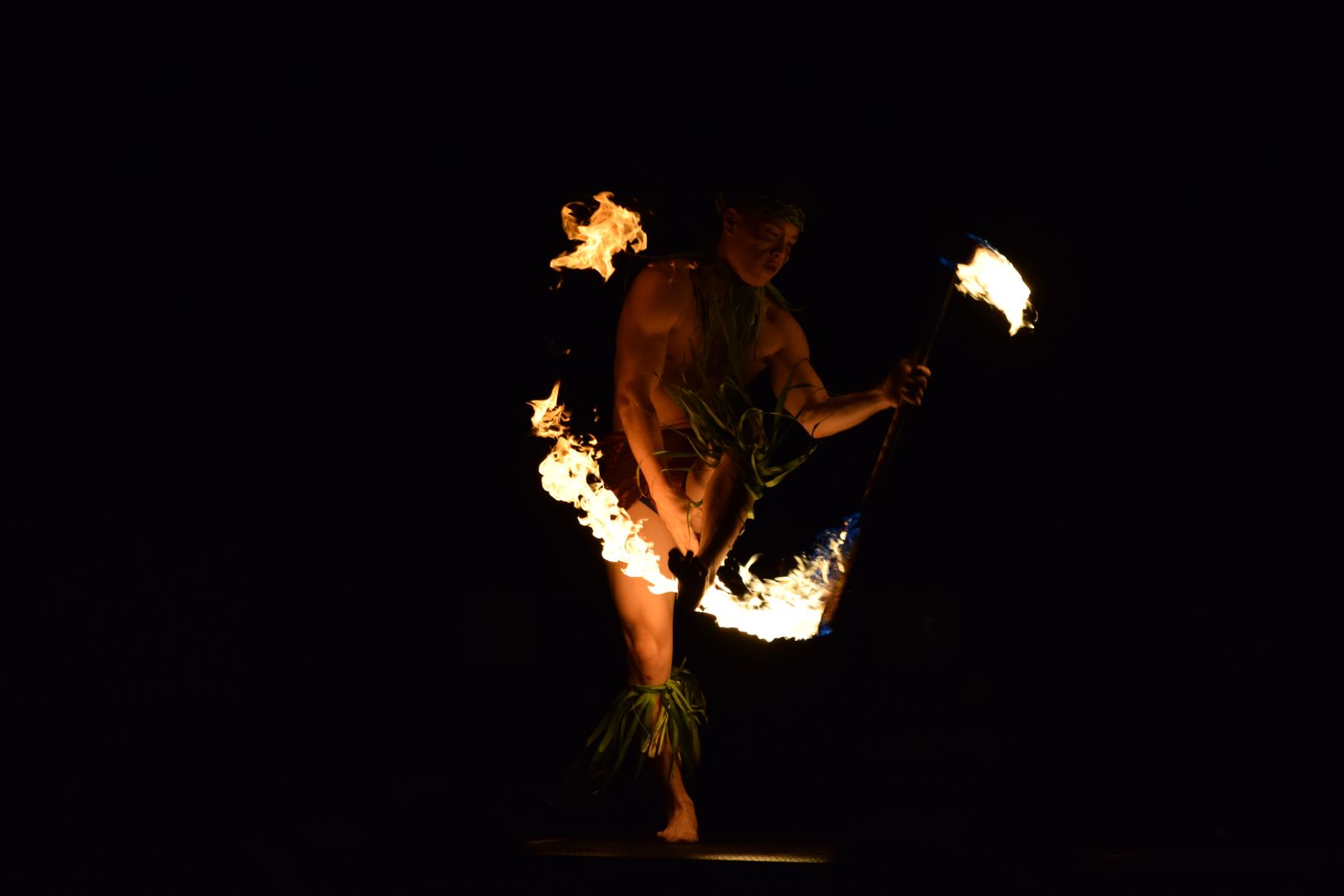
Hā: Breath of Life is the centre's big evening production, a story of a young man's life told through the dances of each island group, with a cast of more than 100 young performers and a fire-knife climax. It is genuinely impressive, and the Samoan fire-knife dancing alone is worth staying for.
The Aliʻi Lūʻau includes the unearthing of a pig cooked in an imu (underground oven), Hawaiian food such as kālua pork, poi and lomi salmon, and hula during dinner. The cheaper Gateway option is a large buffet rather than a lūʻau. Note that the centre is alcohol-free, so there is no mai tai at the table.
If you are comparing options around the island, our guide to the best lūʻau on Oʻahu sets this one against the others, and what to wear to a lūʻau answers the dress question.

Honest pros and cons
Why people love it
- Six cultures in one place, presented by people from those islands, many of them students working their way through university.
- The performers are skilled and funny, and the hands-on activities suit children and teenagers.
- Hā is one of the biggest and best-produced shows in Hawaiʻi.
What to weigh up
- Cost: a family of four on a lūʻau package can easily spend more than $700 before transport.
- Time: with the drive, a full visit takes 10 to 12 hours. Arrive early afternoon or you will rush the villages.
- Staging: it is a theme-park style presentation of living cultures. Some visitors and Pacific Islanders find it a celebration and a valuable source of jobs and scholarships; others see it as too commercial or too polished. Both views have merit.
- Hawaiian focus: Hawaiʻi is one village of six. If you want Hawaiian culture in depth, add Bishop Museum in Honolulu or a heiau site to your trip.
Our guide to visiting Hawaiʻi respectfully and the history of hula add useful context before you go.
How to plan the day
Lāʻie is about 60 to 75 minutes' drive from Waikīkī via the H-1, H-2 and the North Shore, or along the windward coast via Kāneʻohe and Kualoa. Driving yourself gives you the chance to make a full island loop.
- Morning: drive up the coast and stop on the North Shore for shave ice or garlic shrimp in Kahuku.
- From noon: arrive as the gates open, pick up a daily schedule and plan the village presentations you want. They run at set times, and the Huki canoe celebration on the lagoon is early in the afternoon.
- Afternoon: work round the villages until they close at about 6 pm, with dinner from around 5 pm.
- Evening: Hā until about 8.45 pm, then a dark drive back. Many people stay in Lāʻie or on the North Shore instead.
Bring sunscreen, a hat and comfortable shoes: the grounds cover about 17 hectares (42 acres) and are mostly outdoors. A light rain jacket helps on the windward side, where showers blow through on the trade winds.
If you only have a few hours, the villages-only ticket is the best value: arrive at noon, see three or four village presentations and the canoe celebration, and leave before dinner. Families with young children often find the full day too long, and teenagers tend to enjoy the hands-on village activities more than the dinner. Remember that the centre closes on Sundays and most Wednesdays, which also matters if you are planning a North Shore day around it.
Around Lāʻie
Lāʻie itself is a quiet, largely Latter-day Saint town. The white Lāʻie Hawaiʻi Temple, at the end of a long avenue, has a visitors' centre and gardens open to the public. Lāʻie Point, a short drive away, has wild views of offshore islets and crashing surf.
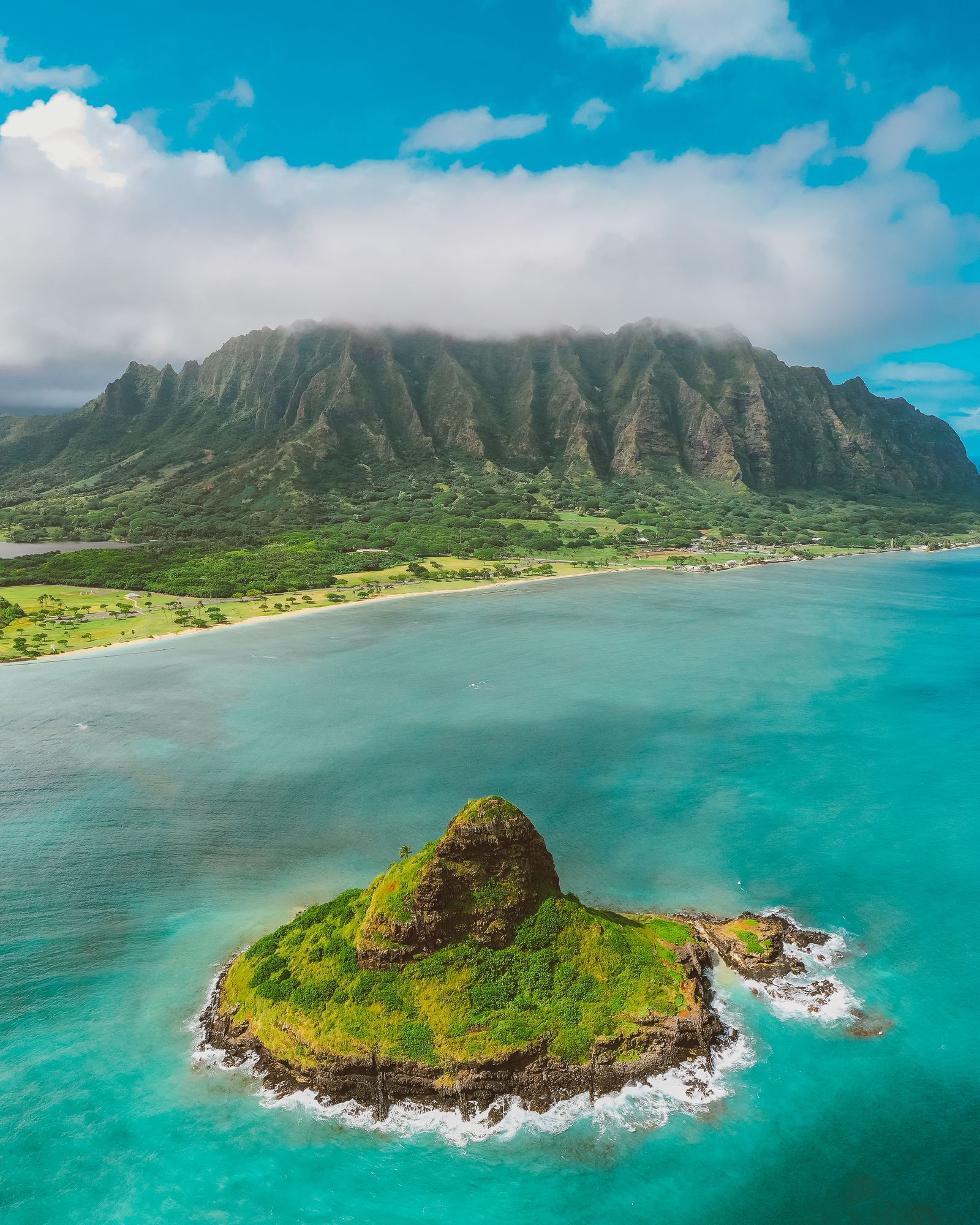
To the south, the windward coast leads past Kualoa and the Koʻolau cliffs towards Kailua and Lanikai. For more ideas, see things to do on Oʻahu and our Oʻahu island page.
Quick answers
Is the Polynesian Cultural Center worth it?
For families and first-time visitors who want an entertaining introduction to several Pacific cultures, usually yes, especially with the evening Hā show. It is expensive and takes most of a day, so it suits people who will stay from noon to night.
What days is the Polynesian Cultural Center closed?
In 2026 it is closed on Sundays and on most Wednesdays, as well as Thanksgiving and Christmas Day. It opens at 12 pm on its open days. Check the official hours page before booking (as of October 2026).
How much are Polynesian Cultural Center tickets?
In 2026, adult tickets started at about $95 for the villages only, about $124 with the Hā show, about $198 for the Aliʻi Lūʻau package and about $294 for the top Super Ambassador package. Children aged 4 to 11 pay less.
How long should you spend at the Polynesian Cultural Center?
Plan on at least seven to nine hours on site from around noon to the end of the evening show at about 8.45 pm, plus the drive each way.
Does the Polynesian Cultural Center serve alcohol?
No. The centre is owned by the Church of Jesus Christ of Latter-day Saints and is alcohol-free, including at the lūʻau.
Facts checked October 2026. Reservations, fees, opening hours and trail or road closures change often in Hawaii, so confirm with the official source before you go.
- Hours of Operation, Polynesian Cultural Center
- Book With Us, Polynesian Cultural Center
- Polynesian Cultural Center, Hawaiʻi Tourism Authority (Go Hawaii)
- Polynesian Cultural Center Guide, Wanderlustyle
- Polynesian Cultural Center, Wikipedia
- Hā: Breath of Life at the Polynesian Cultural Center, Go Hawaii
- Lūʻau comparisons, Polynesian Cultural Center