Born in a cave above Hāna, married to a conqueror as a girl and, in the end, more powerful than any king: Kaʻahumanu remade Hawaiʻi twice in one lifetime.
The queen under the stone
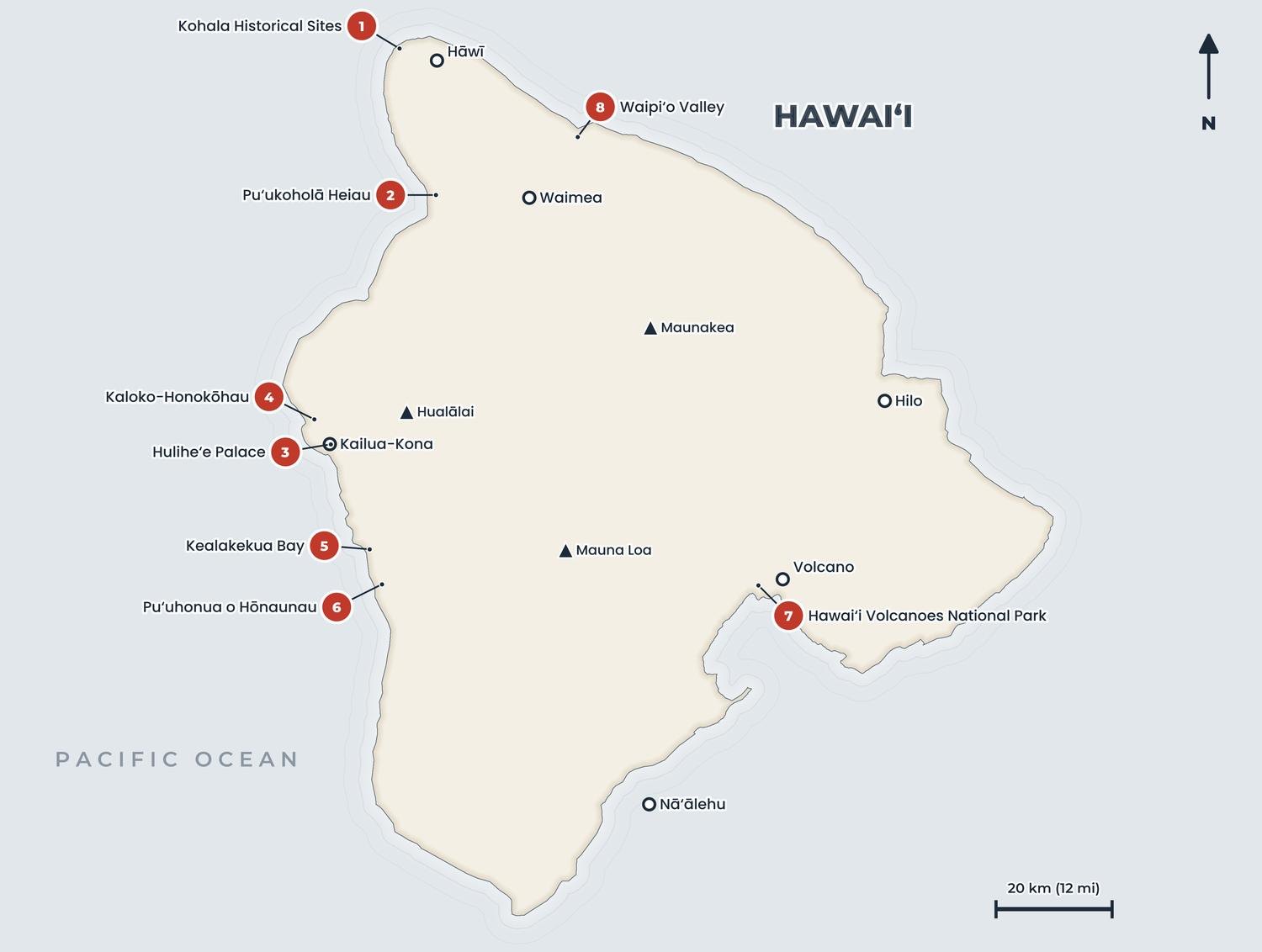
At Puʻuhonua o Hōnaunau, the old place of refuge on the Kona coast of Hawaiʻi Island, visitors walk past a large lava boulder with a story attached. After a bitter quarrel with her husband, tradition says, the young queen Kaʻahumanu swam away and hid beneath it. Kamehameha's searchers walked past again and again. In the end her little dog gave her away by barking.
The National Park Service still calls it the Kaʻahumanu Stone. Whether or not the tale is literally true, it captures her: proud, stubborn, unwilling to be told what to do, and in the end impossible to ignore.
Within a few decades the girl under the rock would govern the kingdom, overturn its religion and invite in a new one. Few people in Pacific history have held so much power for so long.
Born at Kaʻuiki, given to a conqueror
Kaʻahumanu was born in about 1768, traditionally on 17 March, in a cave on Kaʻuiki, the volcanic headland that guards Hāna Bay on Maui. Her mother, Nāmāhana, came from the ruling family of Maui; her father, Keʻeaumoku, was a Kona chief who became one of Kamehameha's fiercest allies in his wars of unification (see Kamehameha the Great). Her name is usually translated as "the feathered mantle".
Her father arranged her marriage to Kamehameha while she was still a girl. Most sources put her age at about 13; the 19th-century Hawaiian historian Samuel Kamakau dates the union to 1785. Kamehameha took many wives, and her rank was below that of the sacred chiefess Keōpūolani, mother of his heirs. But Kaʻahumanu became his favourite and, increasingly, his political partner.
The favourite wife
Theirs was a stormy marriage. Kamehameha was fiercely jealous: according to Kamakau, he decreed that any chief who slept with her would die, and in 1809 his own nephew Kanihonui was executed under that edict. Kaʻahumanu, for her part, raged at his other marriages, including one to her own sister.
Outsiders noticed. In February 1794 the British navigator George Vancouver, anchored at Kealakekua, learned that the king and queen were estranged and arranged for them to meet on board his ship Discovery, where they were reconciled. It was a small act of diplomacy that Vancouver valued, because Kamehameha's goodwill mattered to Britain.
Over time Kamehameha gave her real authority. He made her a puʻuhonua, a person who could grant sanctuary to those who fled to her, and after her father's death she took his seat on the king's council, the only woman there. When Kamehameha died in May 1819, she was ready.
Kuhina nui: a new kind of power
Soon after Kamehameha's death she announced to the chiefs that the late king had wished her to share the government with his son Liholiho. The chiefs created a new office for her: kuhina nui, a co-ruler with real executive power, something like a regent and prime minister in one.
Within months, with Keōpūolani and the high priest Hewahewa, she pushed the young king to break the ʻai kapu, the sacred eating laws that separated men and women. The fall of the kapu in late 1819, and the battle that followed, are told in the end of the kapu system. For Kaʻahumanu, a woman who had lived under rules that barred her from pork, bananas and the men's table, it was personal as well as political.
The office she invented outlived her. Three later women who held it took her name: Kīnaʻu ruled as Kaʻahumanu II, Kekāuluohi as Kaʻahumanu III and Victoria Kamāmalu as Kaʻahumanu IV.
Kauaʻi: a marriage of state
One island still sat uneasily inside the kingdom. Kauaʻi's king, Kaumualiʻi, had accepted Kamehameha's rule in 1810 without a war, but kept his own court. On 9 October 1821 Liholiho invited him aboard the royal ship and sailed for Honolulu, leaving him a virtual prisoner.
Kaʻahumanu then married him, by force of circumstance if not of arms, and for good measure also married his son Kealiʻiahonui. The marriages tied Kauaʻi's ruling family to hers. In 1822 she toured the islands with her new husband and even sailed to remote Nihoa, north-west of Kauaʻi. When Kaumualiʻi died in 1824 and another of his sons, Humehume, rebelled, the rising was crushed, and Kauaʻi was firmly in the kingdom.
Elizabeth: the convert queen
At first Kaʻahumanu was cool towards the American missionaries who landed in 1820. Then, during a serious illness, she was cared for by missionary wives, and her attitude began to change. She declared herself a Christian in April 1824, announced laws based on Christian ethics and was baptised on 5 December 1825, taking the name Elizabeth.
From then on she used her power for the new faith. With the young Kauikeaouli now king and herself as regent (see Kamehameha III and Sovereignty Restoration Day), she toured Oʻahu, Maui and Hawaiʻi Island between 1826 and 1828 urging people to attend school and church. She backed the spread of reading in Hawaiian with real enthusiasm.
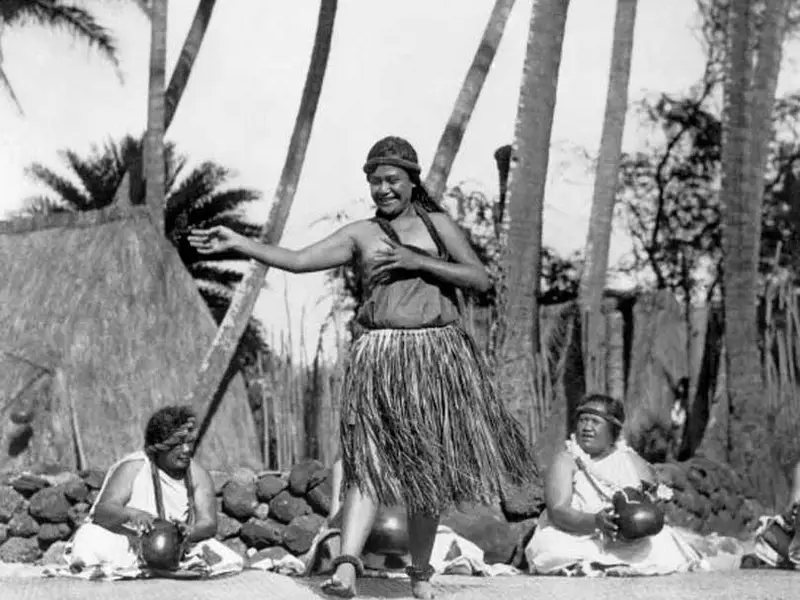
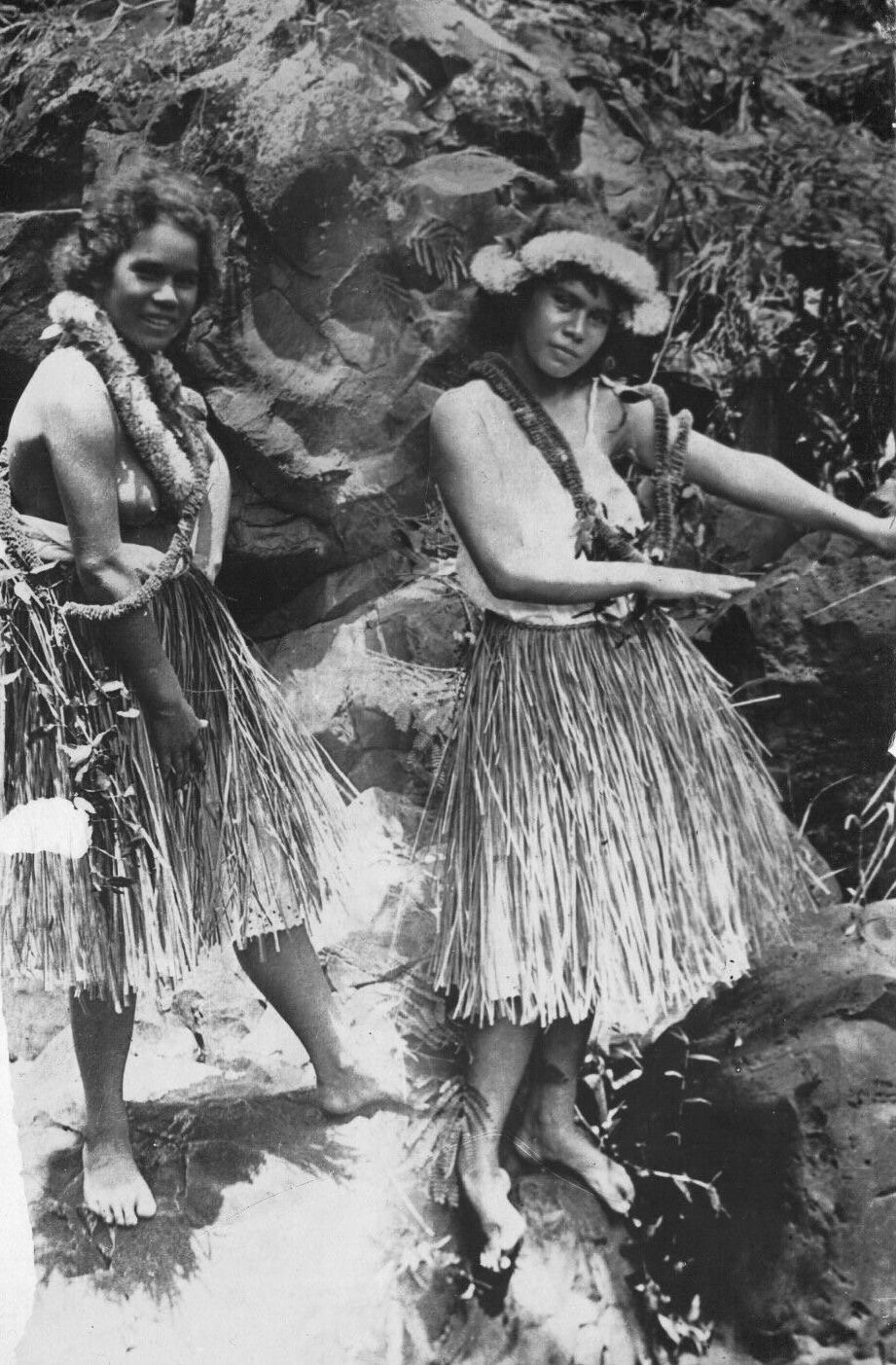
There was a harder side. She ordered old temples and images destroyed, including some at Hōnaunau, where the chiefess Kapiʻolani rescued the bones of earlier chiefs. In 1830 she forbade Catholic teaching and banned public hula performances, a ban many Hawaiians quietly ignored (see the history of hula). The sandalwood tax of 1826, which paid the chiefs' debts on the backs of commoners, was also passed on her watch.
Death in Mānoa and a divided legacy
In 1832, on a visit to Wailuku on Maui, she watched services held in a simple shed and asked that the permanent church be named after her. Weeks later she fell ill and was carried to her house in cool Mānoa Valley, above Honolulu. She died there on 5 June 1832 with the missionary Hiram Bingham at her side, and was buried at Pohukaina, in today's palace grounds, before her remains were moved to the Royal Mausoleum at Mauna ʻAla.
Her legacy is argued over to this day. To some she was a liberator who freed women from the kapu and gave the kingdom literacy and written law. To others she opened the door to a missionary influence that suppressed Hawaiian religion, dance and, later, land and language. Both views hold some truth, and both acknowledge that she was a ruler of formidable skill.
Hawaiians honoured her in their own way. In 1864 three chiefesses, Victoria Kamāmalu, Lydia Dominis (the future Queen Liliʻuokalani) and Bernice Pauahi, founded the Kaʻahumanu Society to care for sick and grieving Hawaiians. Re-chartered in 1905, it is Hawaiʻi's oldest royal society and still takes part in royal commemorations.
Following Kaʻahumanu today
Hāna, Maui: Kaʻuiki Head, at the edge of Hāna Bay, is where tradition places her birth; admire it from the bay rather than climbing, and see our guide to things to do on Maui for the drive. Kaʻahumanu Church, 103 South High Street, Wailuku: the white New England Gothic church of 1875 was built to honour her request of 1832.Puʻuhonua o Hōnaunau National Historical Park, Hawaiʻi Island: the place of refuge and the Kaʻahumanu Stone. Kailua-Kona: Kamakahonu, where the kapu fell. Driving between them you will be on the Queen Kaʻahumanu Highway, the "Queen K", named in her honour.In Honolulu, the Royal Mausoleum at Mauna ʻAla holds her remains. Her story runs from Kamehameha's wars through the missionary decades, and it is told in full in our book The History of Hawaii.
Quick answers
Who was Queen Kaʻahumanu?
Kaʻahumanu (about 1768–1832) was the favourite wife of Kamehameha I and, after his death, kuhina nui or co-ruler of the Hawaiian Kingdom from 1819 to 1832. She helped end the kapu system, converted to Christianity and governed through the reigns of Kamehameha II and III.
What is a kuhina nui?
A kuhina nui was a co-ruler with real executive power, roughly a regent and prime minister combined. The office was created for Kaʻahumanu in 1819, and three later holders, all women, took her name as a title.
Why did Kaʻahumanu end the kapu system?
Historians point to several motives: the kapu restricted women, including the queen herself; Christian and foreign ideas had weakened faith in the old gods; and ending it strengthened her own position. Together with Keōpūolani and the high priest Hewahewa, she persuaded Liholiho to eat with women in 1819.
Where was Kaʻahumanu born?
Tradition places her birth in about 1768 in a cave on Kaʻuiki, the headland at Hāna Bay on east Maui.
Where is Kaʻahumanu buried?
She died in Mānoa on 5 June 1832 and was first buried at Pohukaina in what are now the ʻIolani Palace grounds. Her remains were later moved to the Royal Mausoleum at Mauna ʻAla in Nuʻuanu, Honolulu.
Facts checked October 2026 against the sources below and the research for our book The History of Hawaii. Dates and figures for early Hawaiian history are estimates and scholars still debate some of them.