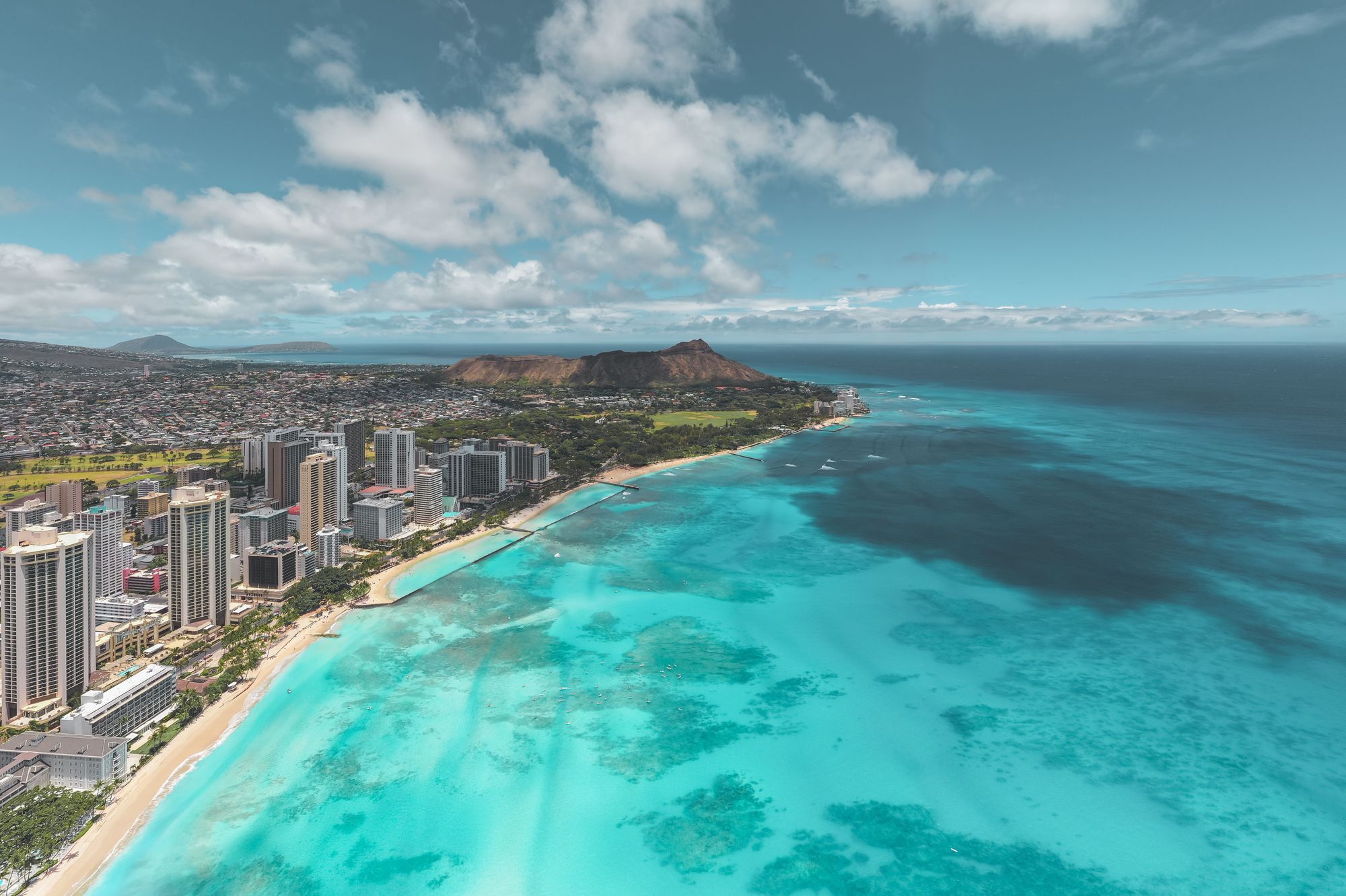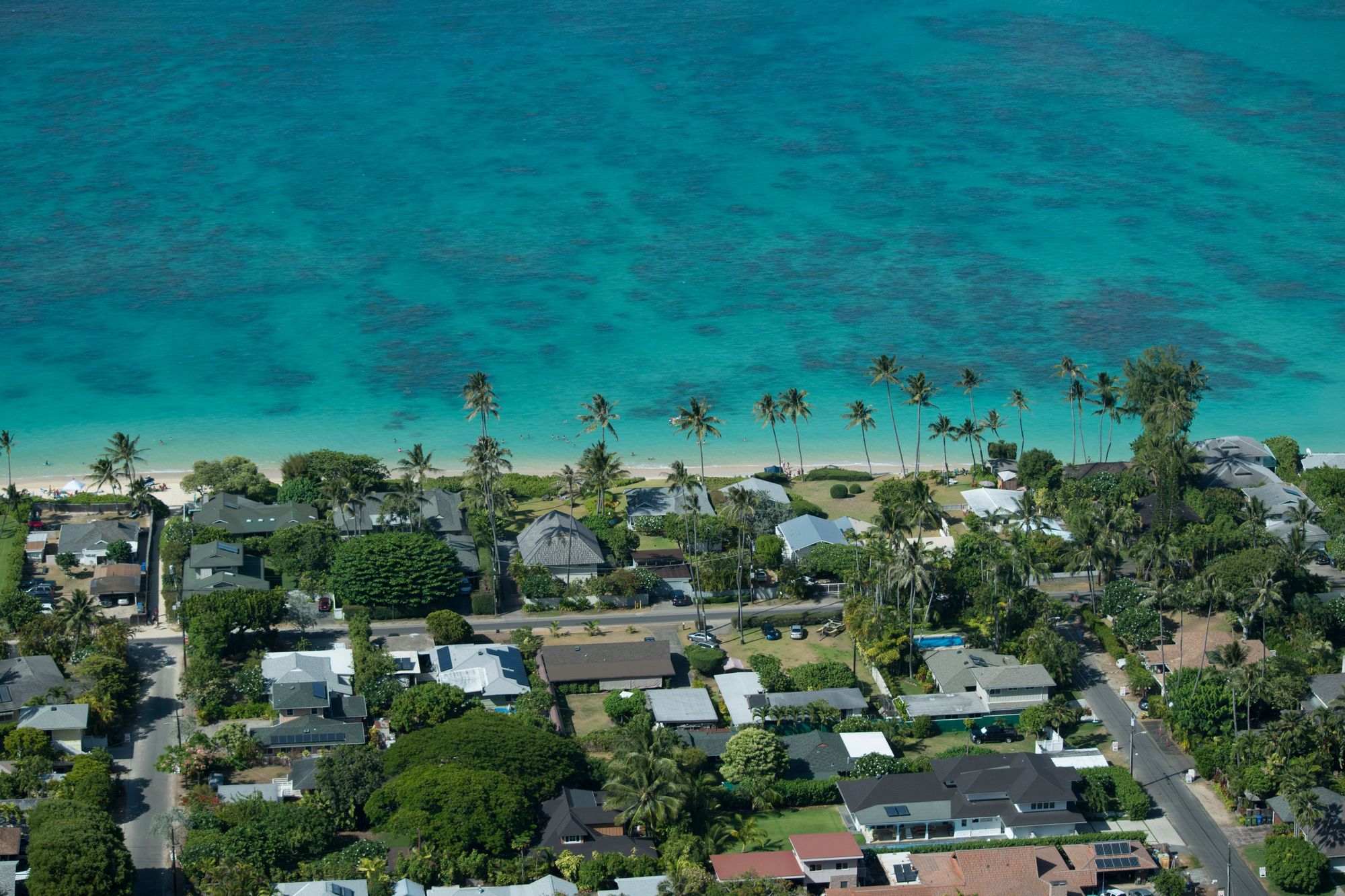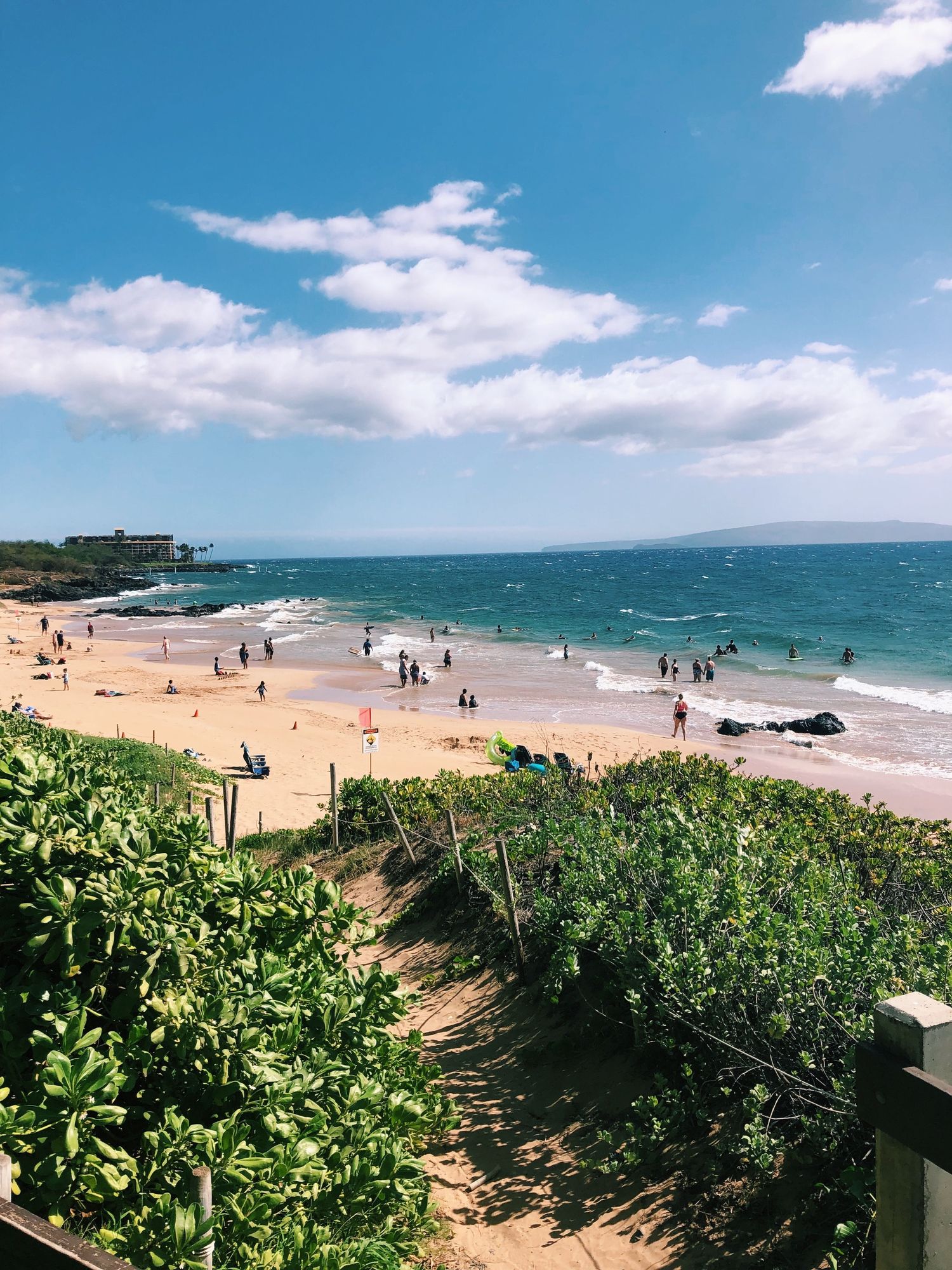
The most beautiful things in Hawaii cost nothing. Every beach in the state is public. The reefs are open to anyone with a mask and snorkel, the sunsets are free, and so are most of the trails. What makes Hawaii expensive is the infrastructure around those things: the hotel, the car, the restaurant. Get those three right, and Hawaii on a budget is not only possible, it can be the best way to see the islands.
The five rules of a cheap Hawaii trip
- Choose Oʻahu. Its hotels average roughly half the price of Maui's, and you can live without a car.
- Travel in a shoulder month. Late April to early June and September to early November are the cheapest times for flights and rooms.
- Stay on one island. Inter-island flights cost about $150–300 each way in 2026.
- Watch the hidden costs. Resort fees, hotel parking and 18.7% room tax can add $100 a night.
- Live like a local. Plate lunches, poke from the supermarket, the bus and the beach.
Cheap flights to Hawaii
From the US West Coast, round-trip fares have dropped to around $350 in the quietest winter weeks and around $500 in spring, against $800–1,200 for nonstop summer flights. Fly midweek, avoid holiday weekends, and set fare alerts months ahead. Honolulu nearly always has the most flights and the lowest fares; flying straight to a neighbour island often costs more.
Pack light. Most airlines now charge for checked bags, and inter-island bag fees have also risen. A carry-on with swimwear, a rash guard and reef-safe sunscreen is all you really need.
Cheap places to stay
Waikīkī is the budget traveller's best friend. It has hostels, older hotels a few blocks from the beach and studios with kitchenettes, often for well under the state average of about $384 a night (June 2026). Look for places with no resort fee and skip the car to avoid paying for parking.
On the neighbour islands, look at Hilo on the Big Island, which is far cheaper than the Kona and Kohala resorts, and Kapaʻa on Kauaʻi's east side. Camping is the cheapest option of all; Hawaii's state and county parks offer permitted campsites, but check current closures, as some Kauaʻi parks were still closed after Hurricane Lowell in October 2026.
Getting around without a car
On Oʻahu, TheBus reaches almost every corner of the island, from Waikīkī to Hanauma Bay, Pearl Harbor and the North Shore. A ride costs $3 with a HOLO card ($3.25 cash since July 2026), and fare capping means you never pay more than a day pass. Honolulu's Skyline rail line uses the same card.
If you want to see the North Shore or the windward coast at your own pace, rent a car for one or two days instead of the whole week. You save the daily rental, the $7.50 daily state surcharge and $40–50 a night in Waikīkī hotel parking. On Maui, Kauaʻi and the Big Island a car is close to essential; book early and compare off-airport offices.
Eating well for less
Hawaii's everyday food is some of its best. A plate lunch, rice, macaroni salad and a main such as kalua pork, loco moco or chicken katsu, costs about $15–25 and is often enough for two. Poke by the pound from a supermarket or fish counter, musubi from a convenience store, malasadas from a bakery and shave ice in the afternoon are cheap, filling and delicious.
Stay somewhere with a fridge or kitchen, buy breakfast and picnic supplies, and look for happy hours, which are common in Waikīkī and resort areas. Avoid eating at your resort when you can: menu prices of about $65 per person and automatic service charges of 18–22% add up fast.
The best free things to do
- Beaches and snorkeling. Every beach in Hawaii is public. Bring or buy your own mask and snorkel; see our Oʻahu snorkeling map.
- Turtle-watching. Green sea turtles rest on many beaches; see where to see sea turtles.
- Hikes. Most trails are free; see our Oʻahu hiking map.
- Pearl Harbor. The USS Arizona Memorial program is free; reserve a timed ticket.
- Hula and music. Free hula shows take place at Kūhiō Beach in Waikīkī on several evenings a week.
- Surfing from the shore. Watching the giant winter waves on the North Shore costs nothing.
- Sunsets. Every evening, on every leeward beach.
Some favourite sights do charge: Hanauma Bay ($25 for non-residents), Diamond Head ($5 plus parking) and the national parks ($30 per car). A $30 park pass is valid for seven days, so plan your visits together.
A budget day in Hawaii
Here is what a good budget day on Oʻahu might cost for two: breakfast from the supermarket ($15), a bus to Hanauma Bay and entry ($56), plate lunches ($40), an afternoon on Waikīkī Beach (free), sunset and a free hula show (free), and a poke bowl dinner ($40). Add a simple room at about $215 with tax, and the whole day costs around $370 for two.
That is well under half what a typical mid-range couple spends, and you have still snorkeled with tropical fish, watched the sunset over the Pacific and eaten some of the best food in the islands.
Quick answers
Can you do Hawaii on a budget?
Yes. Choose Oʻahu, travel in May or September, stay in a simple Waikīkī hotel or hostel, use TheBus and eat plate lunches, and two people can spend about $400 a day or less.
What is the cheapest month to go to Hawaii?
Usually September, followed by late April, May and early November, outside US holiday weekends.
What is the cheapest island in Hawaii?
Oʻahu, with the lowest average hotel rates in the state and a bus network that means you do not need a car.
What can you do for free in Hawaii?
Beaches, snorkeling from shore, most hikes, sunsets, turtle-watching, Pearl Harbor's USS Arizona Memorial and free hula shows in Waikīkī.
Keep planning: how much a trip to Hawaii costs, a Hawaii trip for two, a family of four, a week in Hawaii, Hawaii on a budget and the Green Fee and tourist taxes.
Prices checked October 2026 and rounded. Hawaii prices move with the season, fuel costs and demand, so treat these as a planning guide and check live prices before you book.
- Hawaiʻi Tourism Authority: hotel and vacation rental performance reports
- Hawaii-Guide: Hawaii airfare guide
- Hawaii News Now: soaring air fares hit interisland flights (April 2026)
- Mass Transit: TheBus fare changes from 1 July 2026
- Sovos: Hawaii rental motor vehicle surcharge rises to $7.50 a day (2026)
- Beat of Hawaii: Hawaii leads the US in dining-out spending
- Honolulu Magazine: why your plate lunch is becoming a luxury
- Beat of Hawaii: your 2026 hotel bill in Hawaii may surprise you
- City and County of Honolulu: Hanauma Bay reservations
- Hawaiʻi State Parks: reservations and fees for non-residents