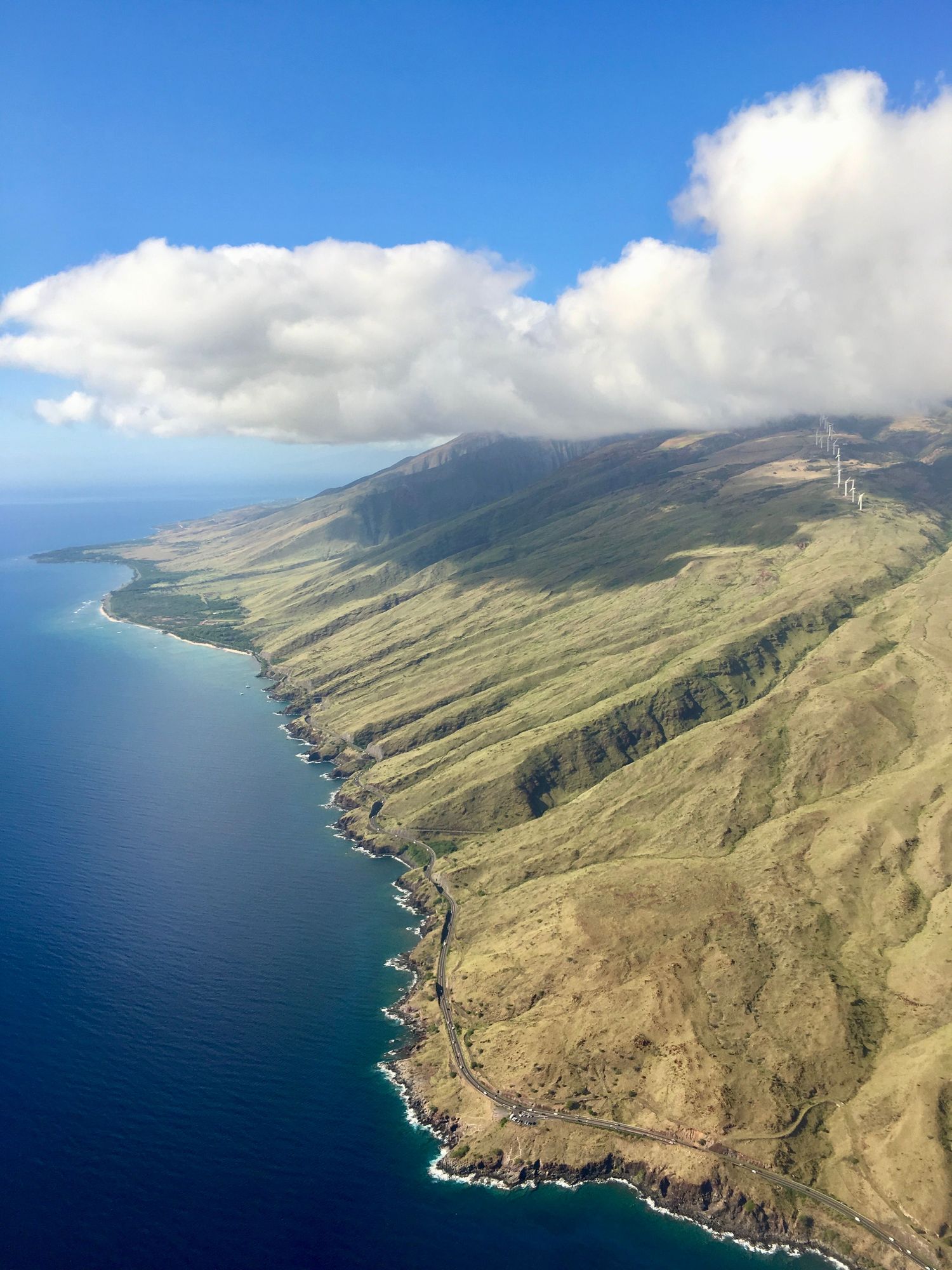
In Hawaiian legend, the demigod Māui climbed Haleakalā and lassoed the sun to slow its path across the sky, so that his mother's kapa cloth could dry. Stand on the summit at sunrise and the story makes sense: the light arrives slowly, across a sea of clouds. Maui is the island of long days like that, from the crater to the rainforest of Hāna and the reefs off its sunny shores. Here is how to spend a week.
The plan at a glance
| Day | Highlights |
|---|---|
| 1 | Arrive, beach, sunset |
| 2 | Molokini snorkel or whale watch |
| 3 | Haleakalā sunrise, crater walk, Upcountry |
| 4 | Road to Hāna |
| 5 | Beach day: Mākena or Kapalua |
| 6 | West Maui coast: Honolua Bay, Nakalele, Nāpili |
| 7 | ʻĪao Valley, Maui Ocean Center, last sunset |
Drive times are typical without heavy traffic. Bold places need a reservation or ticket booked ahead; see reservations to book ahead.
Day by day
Day 1: Arrival
Collect your car at Kahului and head to your base. Swim, adjust to island time and watch the sun set over Lānaʻi and Kahoʻolawe.
Day 2: Molokini
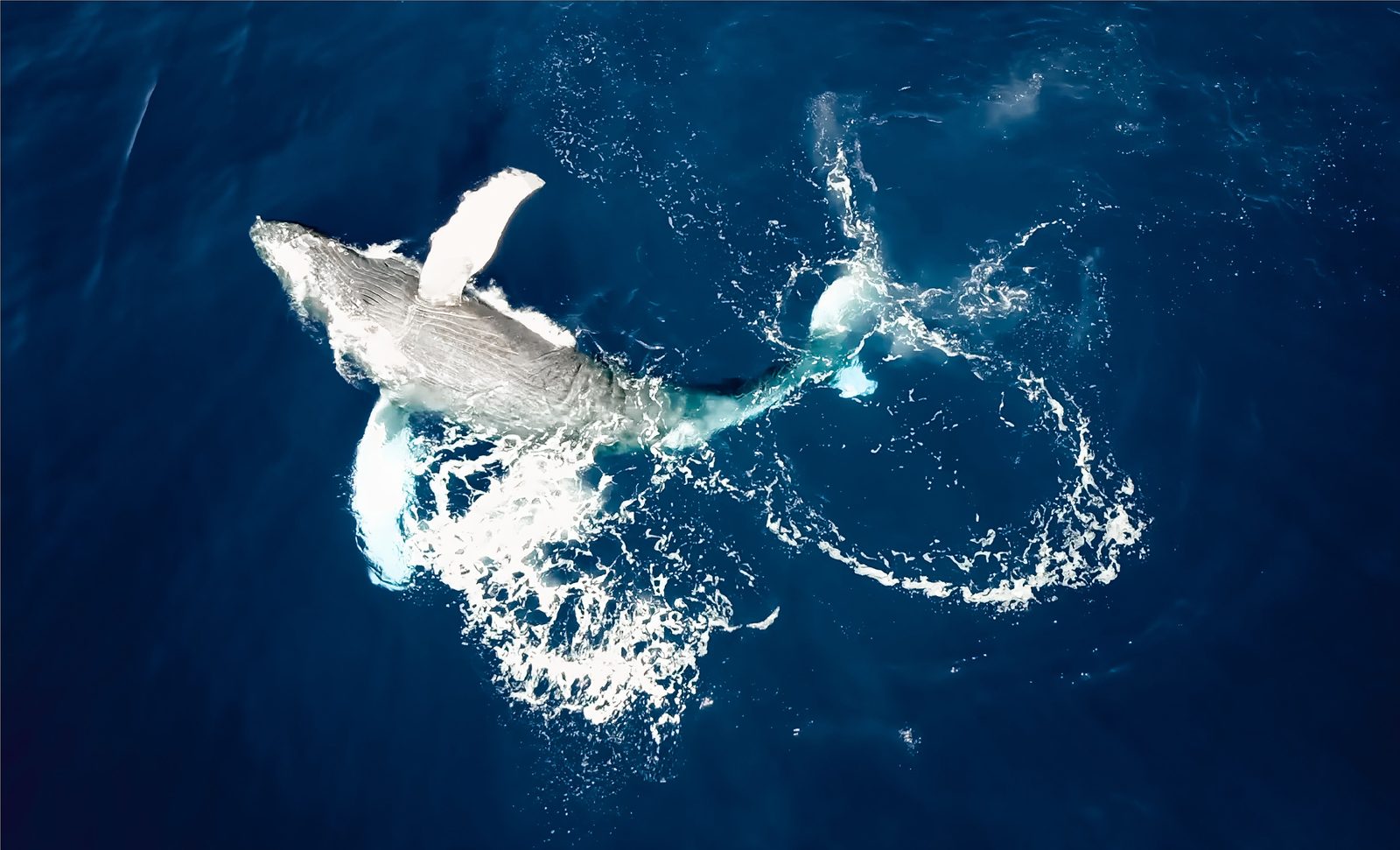
Jet lag makes early starts easy, so join a morning boat to Molokini, a crescent-shaped volcanic crater in the channel, often with 100-foot visibility. Many trips also stop at Turtle Town off Mākena. From December to April, choose a whale-watching cruise instead, or as well.
Day 3: Haleakalā
Drive up Haleakalā for sunrise (vehicle reservation required, released 60 days and 2 days ahead) or, without a reservation, for sunset. Bring warm clothes. Hike part of the Sliding Sands Trail into the crater, look for the rare silversword plants and the nēnē, Hawaii's state bird, then descend to Upcountry for lunch in Kula and a stroll in Makawao.
Day 4: The Road to Hāna
Leave at dawn for the Road to Hāna, stopping at the Twin Falls trail, the Keʻanae peninsula, roadside banana bread stands and Waiʻānapanapa State Park (timed reservation) with its black-sand beach and sea caves. Beyond Hāna, the Kīpahulu district of Haleakalā National Park has the ʻOheʻo pools and the bamboo forest of the Pīpīwai Trail. Drive slowly, let locals pass, and return the same way.
Day 5: Beach day
Rest your legs on one of Maui's great beaches: Mākena (Big Beach) in the south, wild and golden, or Kapalua Bay in the west, calm and perfect for snorkeling. Watch for the green flash at sunset.
Day 6: The West Maui coast
Drive north from Kapalua to Honolua Bay, a marine reserve with excellent summer snorkeling (and big waves in winter), and on to the Nakalele Blowhole; stay well back from it, as people have been swept into the sea there. Return for a lazy afternoon at Nāpili Bay.
Day 7: ʻĪao Valley and the ocean centre
Visit ʻĪao Valley State Monument (reservation required for non-residents), where Kamehameha I won a decisive battle in 1790 beneath the ʻĪao Needle, then the Maui Ocean Center aquarium in Māʻalaea. Spend your last evening on the beach.
Where to stay
- Kāʻanapali, Nāpili and Kapalua (west): classic beaches, sunsets, close to Honolua Bay.
- Kīhei (south): good-value condos, sunny, central for Haleakalā and Molokini boats.
- Wailea and Mākena (south): luxury resorts and the best beaches in the south.
- Pāʻia and Upcountry: bohemian, cooler, ideal for an early Hāna start.
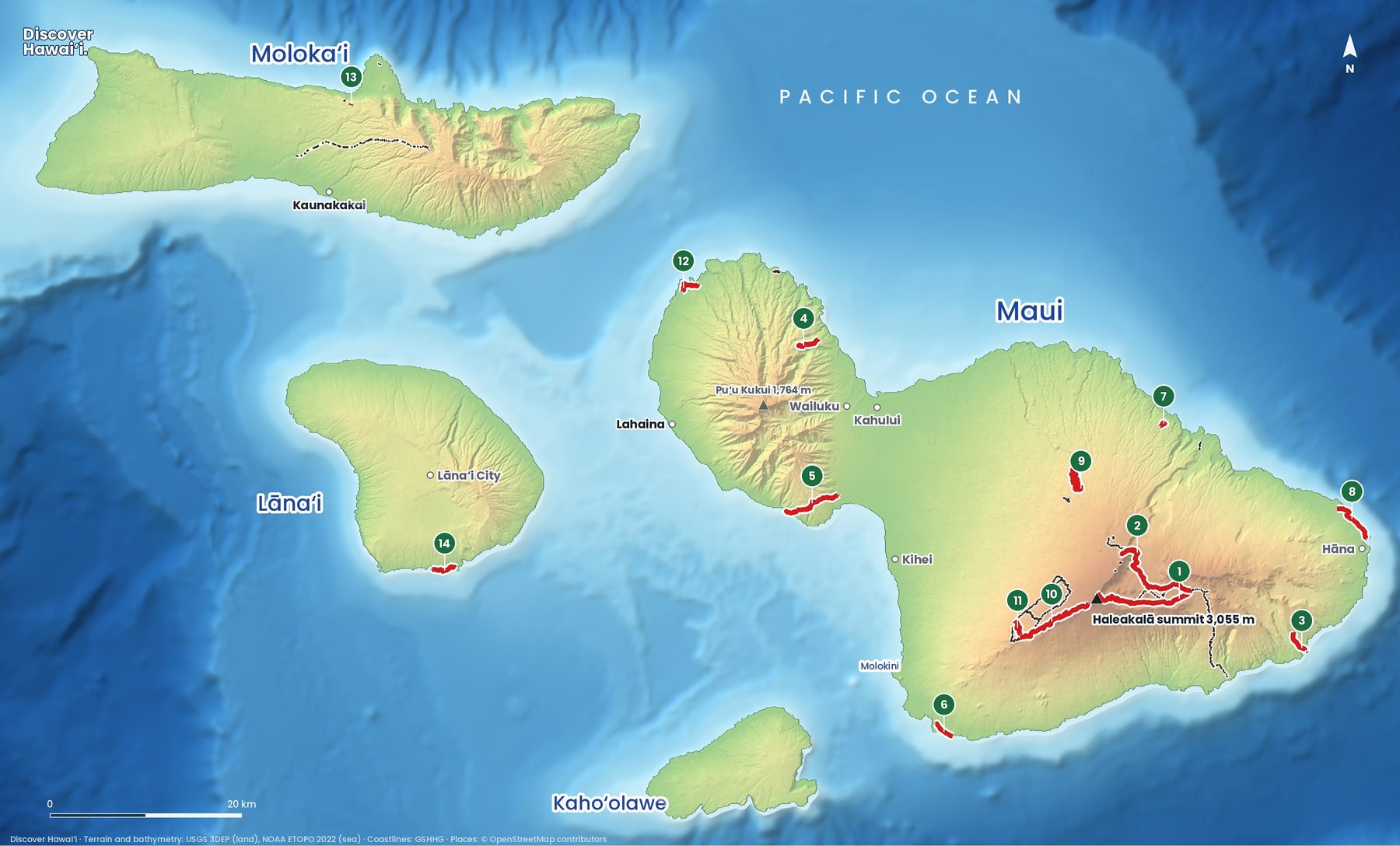
Our Maui snorkeling map and Maui hiking map show every site mentioned here.
Maui in autumn 2026
Maui escaped the worst of the 2026 hurricanes. Hurricane Nolo brought heavy rain and gusts of up to 88 mph to parts of the island in late September, and the state discouraged travel on the Hāna Highway while it passed. Some forest reserve trails were closed for storm clean-up in the autumn; check DLNR park notices before hiking. Lahaina continues to rebuild after the 2023 wildfire; visit the rest of West Maui with respect. See is it safe to travel to Hawaii right now.
When to go
Maui's high season is December to March, when the humpbacks arrive and visitors escape the northern winter; it is also the most expensive time. Summer is sunny, with calmer seas on the north and west coasts and good snorkeling at Honolua Bay. April to early June and September to mid-November are the best-value months, with warm water and fewer people on the Road to Hāna.
Haleakalā is cold all year at dawn, often near freezing; in winter, frost and strong wind are common at the summit. Upcountry and Hāna catch more rain than the resort coasts.
What to book ahead
- Haleakalā sunrise: $1 per vehicle, released 60 days and 2 days ahead at 7 am Hawaii time, plus the park entry fee.
- Waiʻānapanapa State Park: timed entry and parking, 30 days ahead.
- ʻĪao Valley: entry and parking for non-residents, up to 30 days ahead.
- Molokini and whale-watching boats, especially in winter.
- Rental car: Maui's rates were about $82 a day for a midsize in spring 2026, before taxes and fees.
Where to eat
Try fresh fish in Pāʻia, banana bread from the stands on the Road to Hāna, Upcountry farm-to-table lunches in Kula, plate lunches and shave ice in Kahului and Kīhei, and a sunset dinner on the west side. Resort dining is expensive, and many restaurants add service charges; see Hawaii on a budget for cheaper eats.
Quick answers
How many days do you need on Maui?
Five days for the highlights, a week to enjoy them at an easy pace with beach days between Haleakalā, the Road to Hāna and a snorkel trip.
Should I stay on the west or south side of Maui?
West Maui (Kāʻanapali, Nāpili, Kapalua) for classic resort beaches and sunsets; South Maui (Kīhei, Wailea, Mākena) for sunnier weather, more choice and easier access to Haleakalā and Hāna.
Can you visit Lahaina?
Lahaina is being rebuilt after the August 2023 wildfire. Most of West Maui is open, but the burn zone is not a place for sightseeing; be respectful and support businesses that have reopened.
When is the best time to see whales on Maui?
From December to April, with the peak from January to March. Maui's calm channels are the main winter home of North Pacific humpbacks.
More itineraries: 4 days, 5 days, 7 days, 10 days, with kids, Oʻahu, Maui, Kauaʻi and Oʻahu + Maui.
Facts checked October 2026. Reservations, fees and closures change often, especially after storms, so confirm with the official source before each day out.
- National Park Service: Haleakalā sunrise reservations
- Hawaii's Best Travel: Hawaii reservations and fees 2026
- Hawaiʻi DOT: Hāna Highway travel advisories
- DLNR Division of State Parks: important park notices
- NOAA Hawaiian Islands Humpback Whale National Marine Sanctuary
- Hawaiʻi Ocean Safety: beach hazards and lifeguarded beaches