Kauaʻi has no city and no high-rises: by local law, nothing may be built taller than a coconut palm. Visitors stay in a handful of small resort areas around a single coastal road, each with its own weather and its own view of the island's cliffs. Choosing between the sunny south and the lush north is the key decision, and in autumn 2026 there is one more thing to consider: the island's recovery from Hurricane Lowell.
Kauaʻi after Hurricane Lowell
Hurricane Lowell passed west of Kauaʻi on 8 September 2026. Storm surge damaged parts of the south and west coasts, including Poʻipū, Kekaha and Waimea, and over 90% of the island lost power. By mid-October around 95% of visitor businesses were operating and hotels that had closed on the North Shore had reopened. Waimea Canyon, Kōkeʻe and most state parks remained closed until further notice. Bookings fell sharply after the storm, so rates and availability are favourable, and visiting helps the island recover. Check with your hotel and see our Kauaʻi itinerary for what is open.
The areas at a glance
| Area | Best for | Weather |
|---|---|---|
| Poʻipū | Beaches, families, sunshine | Sunniest |
| Kapaʻa and Wailua | Central base, value, food trucks | Mixed, breezy |
| Līhuʻe and Kalapaki | Airport convenience, short stays | Mixed |
| Princeville | Views, golf, couples | Wetter, green |
| Hanalei | Village life, the bay, Hāʻena | Wettest, lushest |
| Waimea and Kekaha | Quiet, the canyon (when open) | Very dry |
Poʻipū and the south shore
Poʻipū
Best for: sunshine, families, swimming and snorkeling
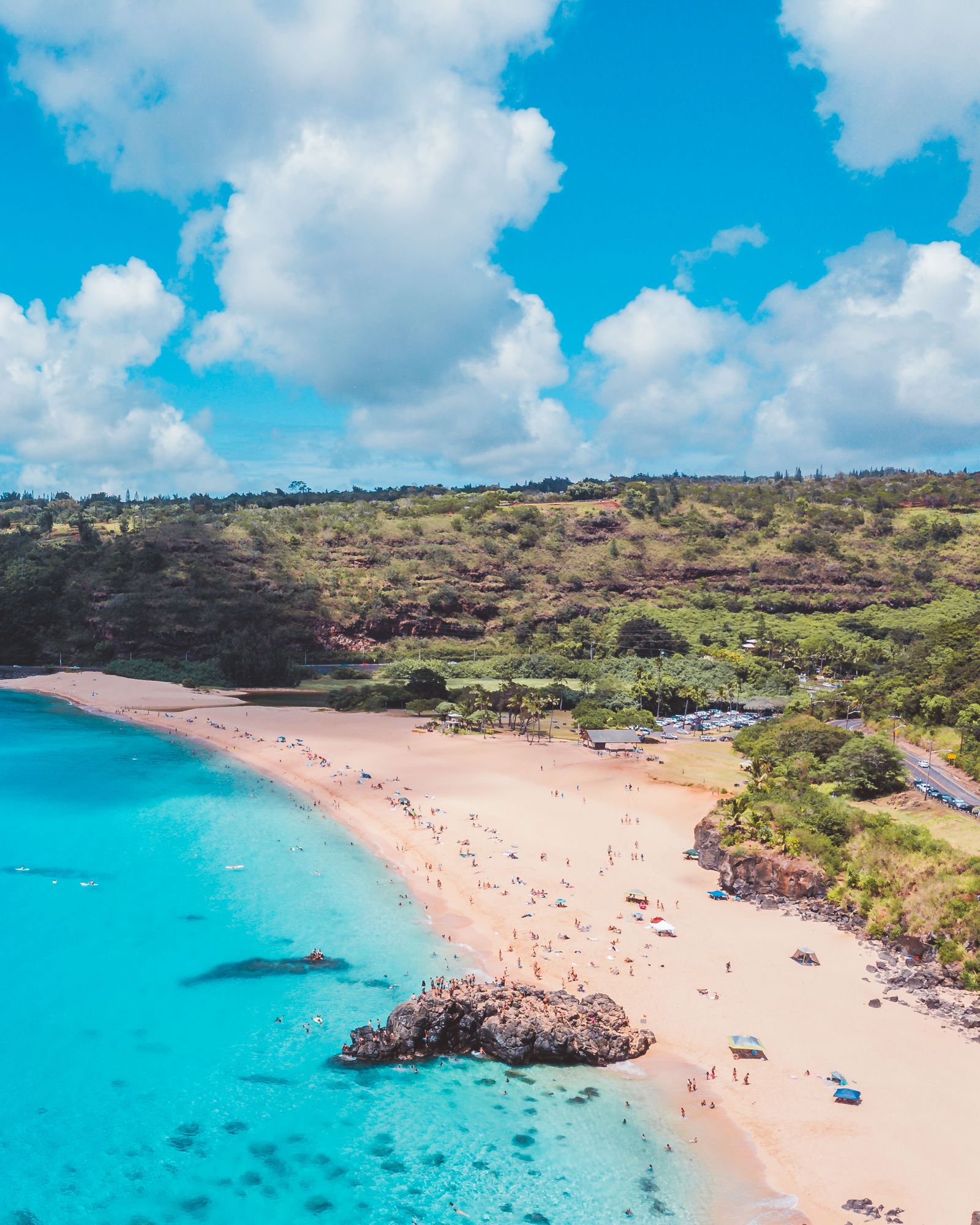
The south shore is the driest and sunniest part of the island and the safest bet for beach weather in winter. Poʻipū Beach Park has a sheltered swimming area, lifeguards and, often, monk seals resting on the sand. There are resorts, condos and holiday homes, with restaurants in Poʻipū and in the old plantation town of Kōloa. Some coastal properties were repairing storm damage in autumn 2026.
Kapaʻa, Wailua and Līhuʻe
Kapaʻa and Wailua (the Coconut Coast)
Best for: a central base, value, local food
The east side is the most central place to stay, about an hour from both Poʻipū and Hanalei. Kapaʻa has an old main street, food trucks and a coastal bike path; Wailua has the river, kayaks and ancient temple sites. Hotels and condos here are usually better value than on the north and south shores.
Līhuʻe and Kalapaki
Best for: arrivals, departures and short stays
Next to the airport, Kalapaki Bay has a resort and a calm beach. It is practical for a first or last night.
Princeville and Hanalei
Princeville
Best for: views, couples, golf
On a plateau above Hanalei Bay, Princeville is a planned community of resorts, condos and golf courses with tremendous views of the mountains and the bay. It is greener and rainier than the south, and in winter big swells close many North Shore beaches to swimming.
Hanalei
Best for: village life, the bay, the road to Hāʻena
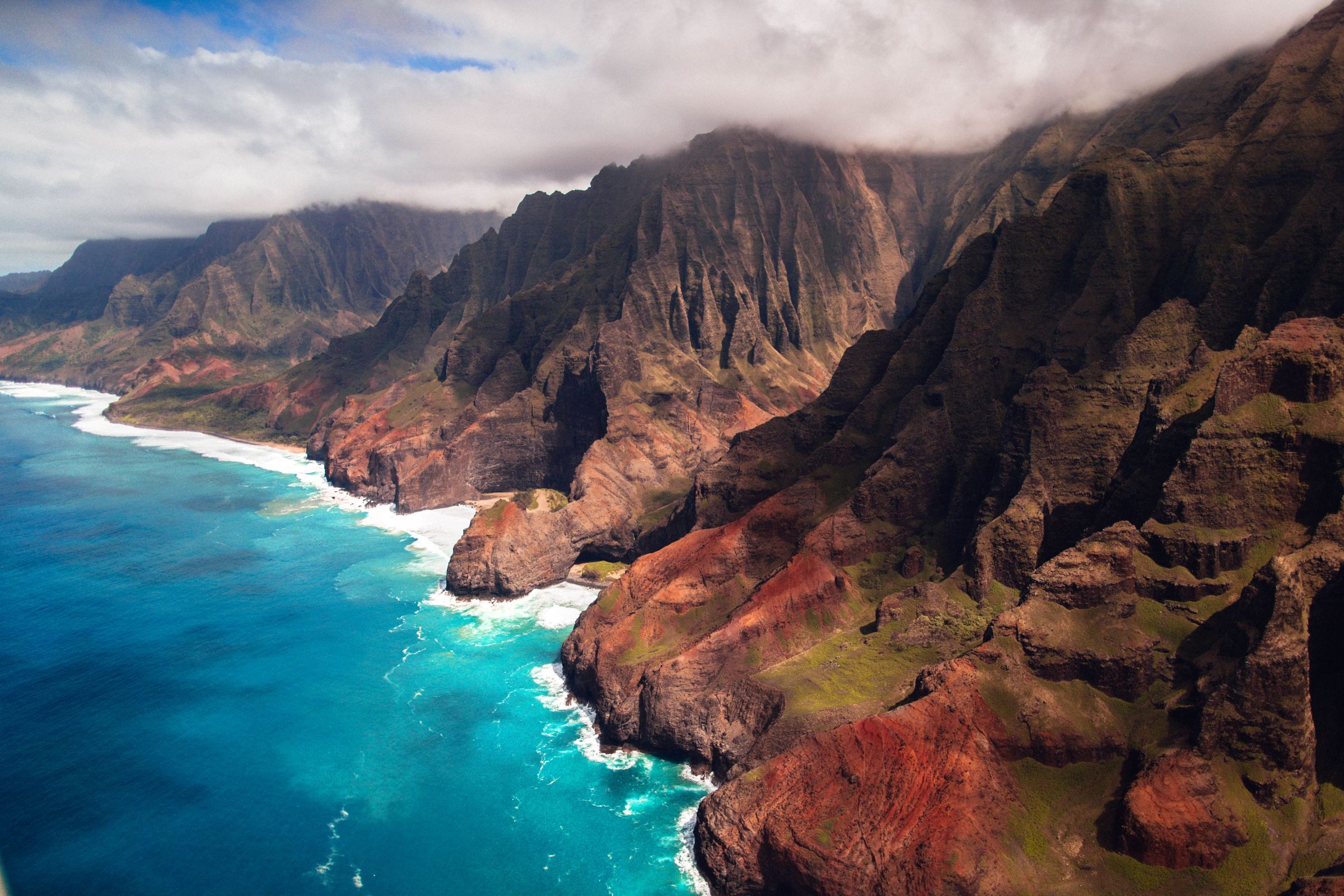
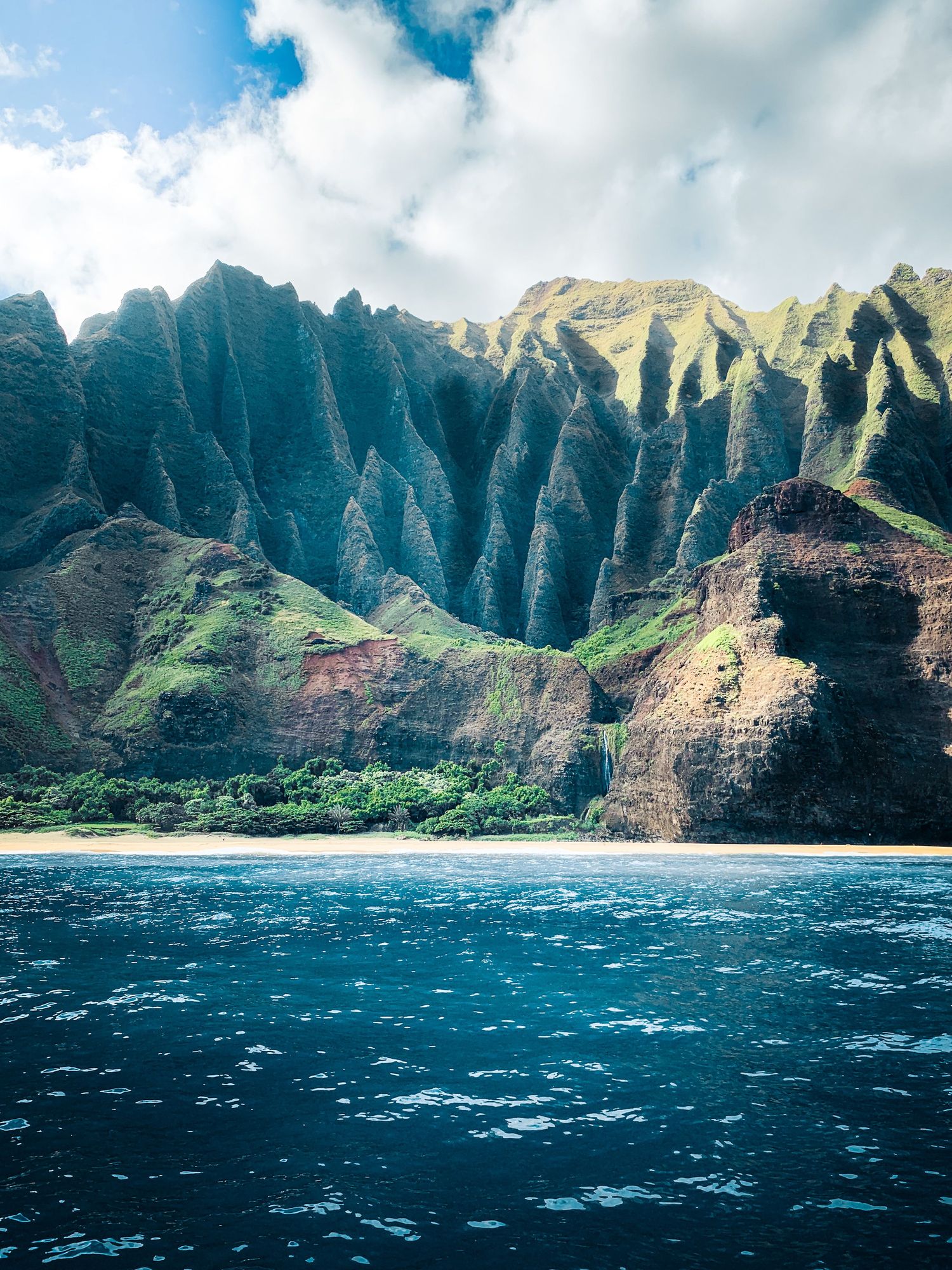
Hanalei is a small town of surf shops and taro fields beneath waterfall-streaked mountains, with one of the most beautiful bays in Hawaii. Beyond it, the road runs over one-lane bridges to Hāʻena and the start of the Nā Pali Coast; Hāʻena State Park reopened on 15 October 2026 with reservations. Rentals are limited and book up early.
The west side
Waimea and Kekaha
Best for: quiet, history, dry weather
The west side is the driest and least touristy part of Kauaʻi. Waimea is where Captain Cook first landed in Hawaii in 1778 and is the gateway to Waimea Canyon, closed in autumn 2026 after Lowell. The coast here was hit hard by the storm; stay here once the canyon reopens.
Rental rules: vacation rentals are allowed only in Visitor Destination Areas, mainly Poʻipū, Princeville and the Kapaʻa–Wailua coast, plus homes with an older permit. Ask for the permit number for any home elsewhere.
When to go
Kauaʻi is green because it is wet, especially on the North Shore and in the mountains. Summer (May to September) brings calmer seas on the North Shore and the best conditions for Hanalei Bay, Kēʻē Beach and Nā Pali boat tours. Winter brings big surf to the north and more rain, while Poʻipū stays sunnier. If you visit in winter, stay in Poʻipū; in summer, spend at least a few nights on the North Shore.
Plan your days with our Kauaʻi hiking map and snorkeling map.
Quick answers
What is the best area to stay on Kauaʻi?
Poʻipū on the sunny south shore for beaches and the most reliable weather; Princeville and Hanalei on the North Shore for dramatic scenery; Kapaʻa and Wailua on the east side for a central, good-value base.
Is it better to stay on the north or south side of Kauaʻi?
South (Poʻipū) is sunnier and better for beaches all year, especially in winter; north (Princeville, Hanalei) is greener, wetter and more spectacular, with calmer seas in summer. With a week, stay in both.
Are Kauaʻi hotels open after Hurricane Lowell?
Most are. By mid-October 2026 about 95% of attractions and businesses were operating, and North Shore resorts that closed after the storm had reopened. Confirm with your hotel before you travel.
Where are vacation rentals allowed on Kauaʻi?
Only in Visitor Destination Areas such as Poʻipū, Princeville and the Kapaʻa–Wailua coast, plus homes with an older non-conforming use permit.
More on where to stay: first trip, Oʻahu, Maui, Kauaʻi, Big Island, with kids, Maui with kids, couples, honeymoon and on a budget.
Facts checked October 2026. Prices are averages and change with the season; vacation rental rules are changing on every island, so check that a rental is legal before you book.