In the 1970s Hawaiʻi was beamed to the world by satellite and by television, its surfers turned professional and its visitor numbers more than doubled. At the same time a new generation of islanders began asking who all this growth was for.
14 January 1973: Elvis by satellite
At half past midnight on 14 January 1973, Elvis Presley walked on stage at the Honolulu International Center in a white jumpsuit studded with an eagle. The show was Aloha from Hawaii via Satellite, and it went live by satellite to Japan, Australia, Hong Kong, South Korea, the Philippines and South Vietnam, with delayed broadcasts across Europe and on NBC in the United States in April.
The promoters claimed an audience of 1.5 billion. Later estimates put it closer to 150 to 200 million, which was still enormous. The concert was a benefit for the Kui Lee Cancer Fund, named after the Hawaiian songwriter who had died of cancer in 1966, and it raised about $75,000, three times the target. The link was personal: Elvis had recorded Lee's song "I'll Remember You" in 1966 and had been singing it in his live shows since 1972.
The moment captures the decade. Hawaiʻi had become a stage the whole world watched, and the islands were changing faster than ever behind the scenery.
A boom decade in numbers
The Boeing 747 had first flown into Honolulu in December 1969, and the jumbo jets made Hawaiʻi a mass-market holiday. According to the state's own figures, visitors staying overnight or longer rose from about 1.75 million in 1970 to almost 3.96 million in 1979. Arrivals from outside North America, led by Japan, roughly doubled over the same years.
| Year | Overnight visitors | From the US mainland and Canada |
|---|---|---|
| 1970 | 1,746,970 | 1,326,135 |
| 1973 | 2,630,952 | 2,067,861 |
| 1976 | 3,220,151 | 2,551,601 |
| 1979 | 3,960,531 | 3,139,455 |
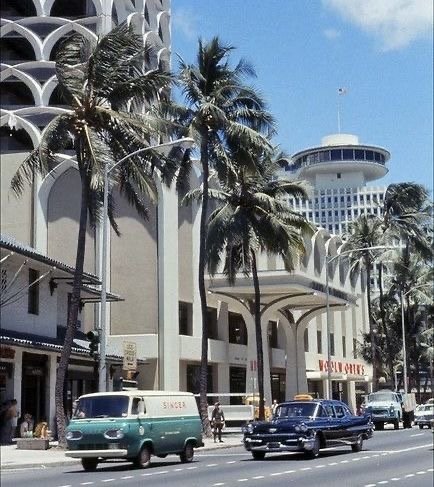
Waikīkī's skyline filled in, condominiums spread along the coasts of Maui and the Big Island, and the resident population grew from 769,913 in 1970 to 964,691 in 1980. The tower-building years in Waikīkī are covered in Waikīkī in the 1960s and 1970s.
Book 'em, Danno: Hawaii Five-O
For most of the world the face of 1970s Hawaiʻi belonged to Jack Lord. As Steve McGarrett, head of a fictional state police unit, he starred in Hawaii Five-O, which ran on CBS from September 1968 to April 1980: twelve seasons and 282 episodes, shot on location across Honolulu and Oʻahu.
The show used real places and many local faces. Kam Fong Chun, who played Chin Ho Kelly, had spent eighteen years in the Honolulu Police Department, and Kono was played by Zulu, a Waikīkī beach boy and radio DJ with no acting experience. The first season was filmed in a Quonset hut in Pearl City; for its last four seasons the production worked from a studio at Diamond Head. Morton Stevens's theme, recorded by the Ventures, reached number four on the Billboard Hot 100 and is still played at University of Hawaiʻi games. The opening titles, cutting between a crashing wave, paddlers driving an outrigger canoe and McGarrett on a high hotel balcony, sold the islands to more viewers than any tourist board advert could.
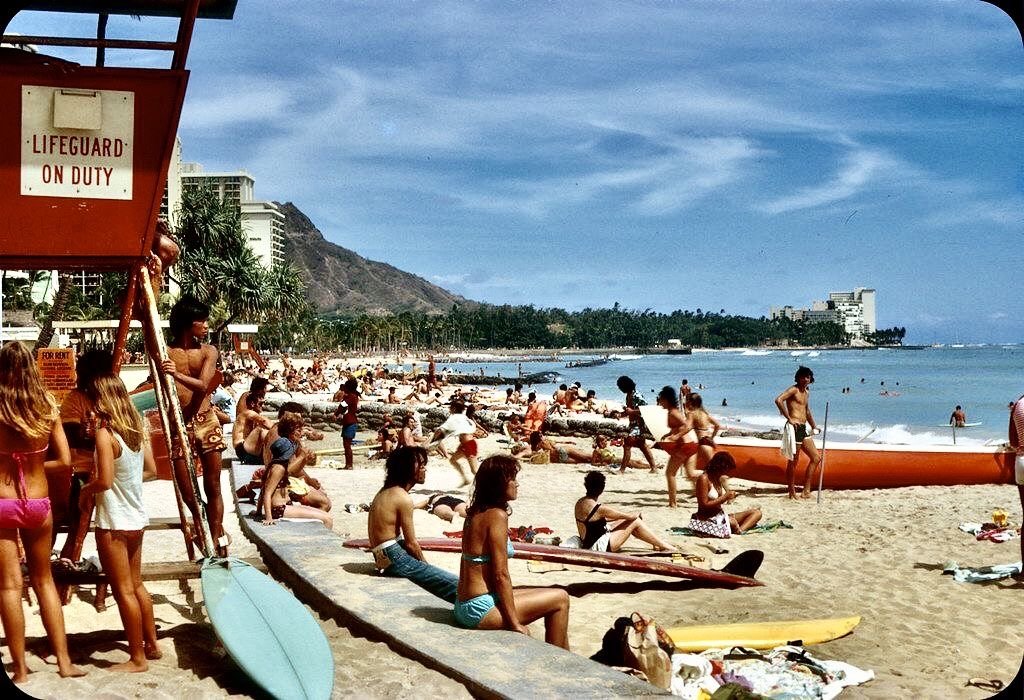
The North Shore goes professional
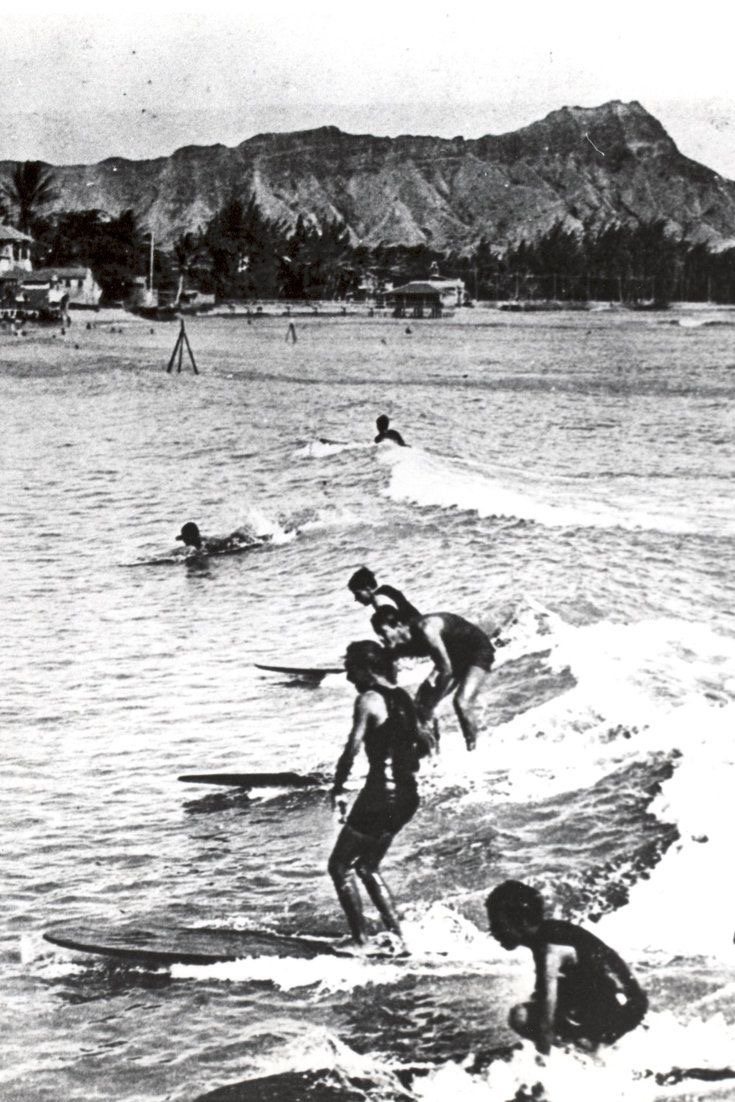
On 16 December 1971 six surfers paddled out at the Banzai Pipeline on Oʻahu's North Shore for a single heat. Fewer than fifty people watched from the sand, the judges sat at a card table, and the prize money, put up by Continental Airlines, was $1,000. The organiser was Fred Hemmings, the 1968 world champion, who persuaded ABC to show the contest on Wide World of Sports. Jeff Hakman won.
That modest event, the first Pipeline Masters, helped turn surfing into a professional sport. Gerry Lopez, the most graceful Pipeline rider of the era, won the next two contests, and his protégé Rory Russell won back-to-back titles later in the decade; the Australian Larry Blair took the 1978 and 1979 events as surfers from overseas began to challenge the locals. By 1976 the event had several heats and counted towards the new International Professional Surfers tour. Every winter since, the North Shore has been surfing's world stage. The deeper story is in our history of surfing in Hawaiʻi.
Hula takes the stage in Hilo
The Merrie Monarch Festival had begun in Hilo in 1964 as a way to lift the Big Island economy after a tsunami and the decline of sugar. By 1968 interest was fading, until Dottie Thompson took over as executive director and turned the festival back towards King Kalākaua's love of hula and chant.
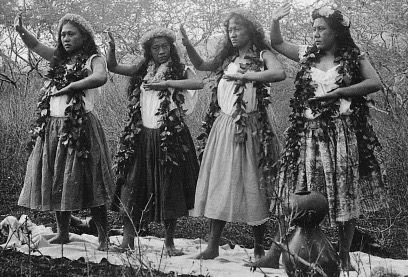
In 1971 she added a hula competition. Nine hālau (hula schools) entered the women's division, and Aloha Wong (later Dalire) won the first Miss Hula title. Men's groups were admitted in 1976. The competition gave hula kahiko, the ancient style danced to chant and drum, a prestigious stage, and from 1981 it was televised so that kūpuna (elders) who could not travel to Hilo could watch. The longer story of the dance is in our history of hula.
Who is the land for?
Growth brought pressure on land, water and the people who lived on it. On Oʻahu's windward side, the owner of Waiāhole and Waikāne valleys planned suburbs on land farmed by tenants for generations. After the state Land Use Commission refused to rezone the valleys in 1974, evictions followed, and on 4 January 1977 residents blocked the road past the valley. The state's Hawaii Housing Authority then bought some 600 acres (about 240 ha) and leased them back to the farmers, keeping the valleys rural.
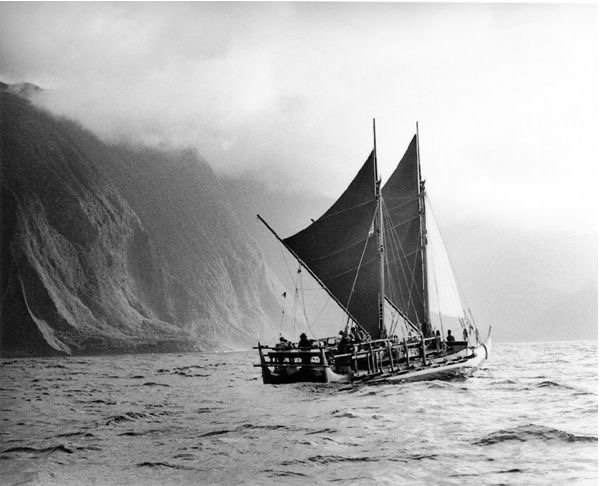
The same years produced the defining events of the Hawaiian Renaissance: the 1976 landings on Kahoʻolawe, the voyage of Hōkūleʻa to Tahiti, and the 1978 constitutional convention, where 102 delegates sat from 6 July for some two and a half months and produced amendments that made Hawaiian an official language and created the Office of Hawaiian Affairs. Those stories are told in full in the Hawaiian Renaissance and Hōkūleʻa. What links them to the postcards of the decade is a single question: whether the islands' future would be written by developers and visitors, or by the people whose home it was.
Finding the 1970s today
- Banzai Pipeline, Oʻahu: the winter surf (roughly November to February) still draws the world's best. Watch from the beach and stay out of the water unless you are an expert; see where to surf in Hawaiʻi.
- Merrie Monarch Festival, Hilo: held each spring in the week after Easter. Competition tickets are scarce, but the parade and craft fair are open to all.
- Neal S. Blaisdell Center, Honolulu: the former Honolulu International Center where Elvis played in 1973.
- Waiāhole and Waikāne valleys: drive Kamehameha Highway along the windward coast and you pass the farms that the 1977 protest saved. Stay on public roads; the valleys are home to working families.
- Five-O locations: ʻIolani Palace, which appears in the series as McGarrett's headquarters, and the Waikīkī hotels from the credits are all open to visitors. See our ʻIolani Palace history.
The 1970s are where modern Hawaiʻi begins, and The History of Hawaii follows the threads of that decade to the present day.
Quick answers
When did Elvis perform Aloha from Hawaii?
On 14 January 1973 at the Honolulu International Center, now the Neal S. Blaisdell Center. The concert went out by satellite to Asia and Australia and later to Europe and the US, and raised about $75,000 for the Kui Lee Cancer Fund.
Was the original Hawaii Five-O filmed in Hawaii?
Yes. The original series ran on CBS from 1968 to 1980 and was shot on location in Honolulu and around Oʻahu, with studios in Pearl City and later at Diamond Head.
How many tourists visited Hawaii in the 1970s?
State figures show about 1.75 million overnight visitors in 1970, rising to nearly 3.96 million in 1979, helped by Boeing 747 jumbo jets.
When was the first Pipeline Masters?
On 16 December 1971 at the Banzai Pipeline on Oʻahu's North Shore. Fred Hemmings organised it, Jeff Hakman won, and the total prize money was $1,000.
When did the Merrie Monarch hula competition start?
The Merrie Monarch Festival began in 1964, and its hula competition was added in 1971 under Dottie Thompson. Men's hālau first competed in 1976.
Facts checked October 2026 against the sources below and the research for our book The History of Hawaii. Vintage photos and adverts are shown as period illustrations; adverts are credited to their original advertisers.
- Aloha from Hawaii via Satellite
- Hawaii Five-O (1968 TV series)
- The first Pipeline Masters: how it all began (The Inertia)
- History of the Merrie Monarch Festival
- Waiāhole-Waikāne struggle
- State of Hawaii Data Book 1981, Section 7: Visitor arrivals
- State of Hawaii Data Book, Table 1.01: Population of counties 1831 to 2010