On the slopes above Kealakekua Bay, small family farms grow one of the most famous coffees in the world. Here is the story behind the cup, the best ways to visit, and how not to pay Kona prices for coffee that is mostly from somewhere else.
A farmhouse above the bay
In 1913 a young couple from southern Japan, Daisaku and Shima Uchida, moved into a small wooden house on a coffee farm above Kealakekua Bay. Daisaku had first come to Hawaiʻi in 1906 to cut cane on a sugar plantation on Kauaʻi. In Kona he became his own boss, raising a family among rows of coffee trees, a drying platform and a little mill.
Their son farmed the same land until 1994. Today the farm is the Kona Coffee Living History Farm, run by the Kona Historical Society, and it is one of the best places to understand why a cup of Kona coffee carries so much history. The farms are still small, the work is still largely done by hand, and many of the families who grow it can trace their roots to people like the Uchidas.
What makes Kona coffee special
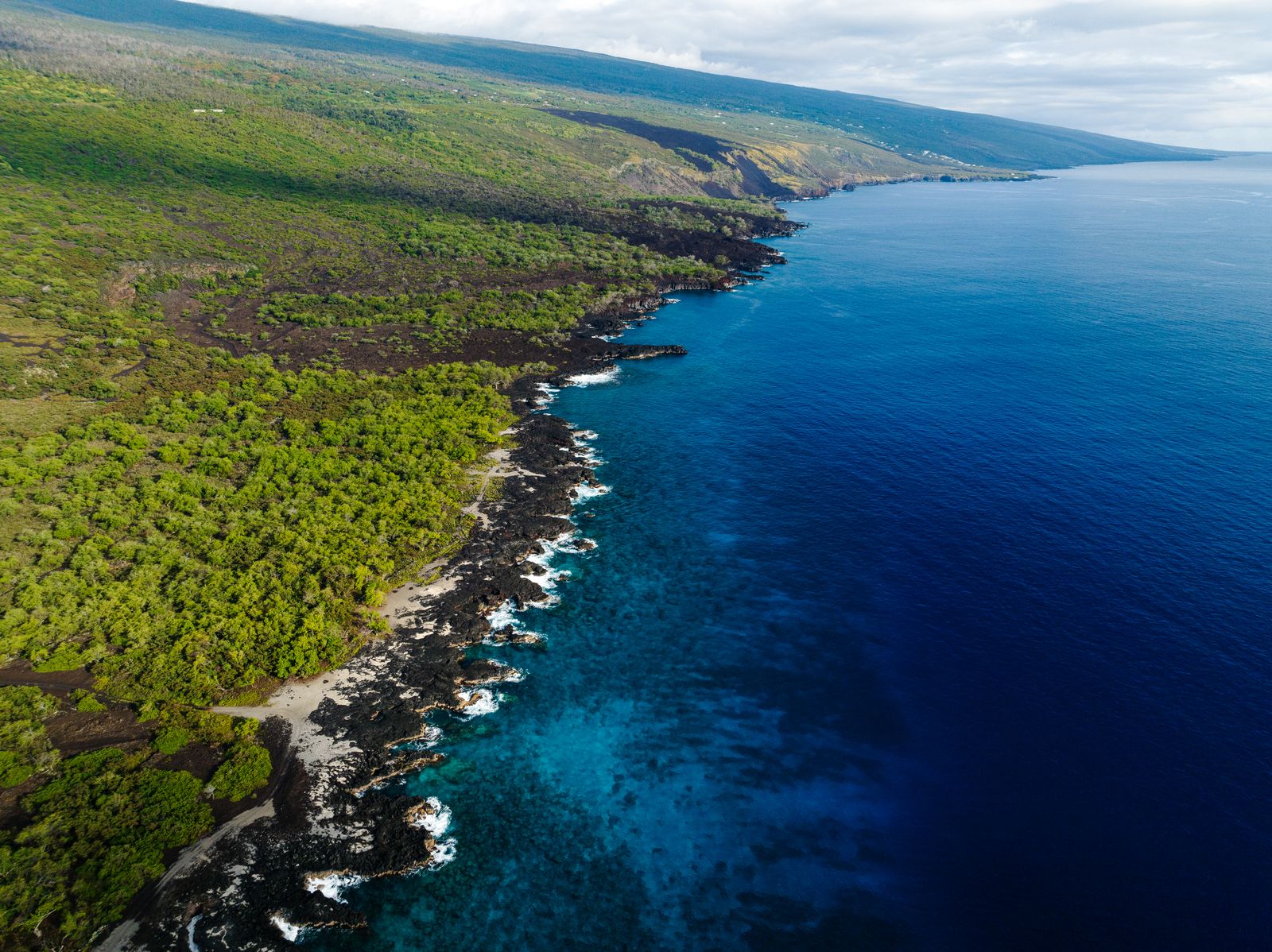
Kona coffee grows in a narrow band on the western slopes of Hualālai and Mauna Loa, in what is known as the Kona coffee belt, at roughly 150 to 975 metres (500 to 3,200 ft) above sea level. The conditions suit coffee almost perfectly: rich volcanic soil, sunny mornings, and clouds that roll in most afternoons to shade the trees and bring gentle rain.
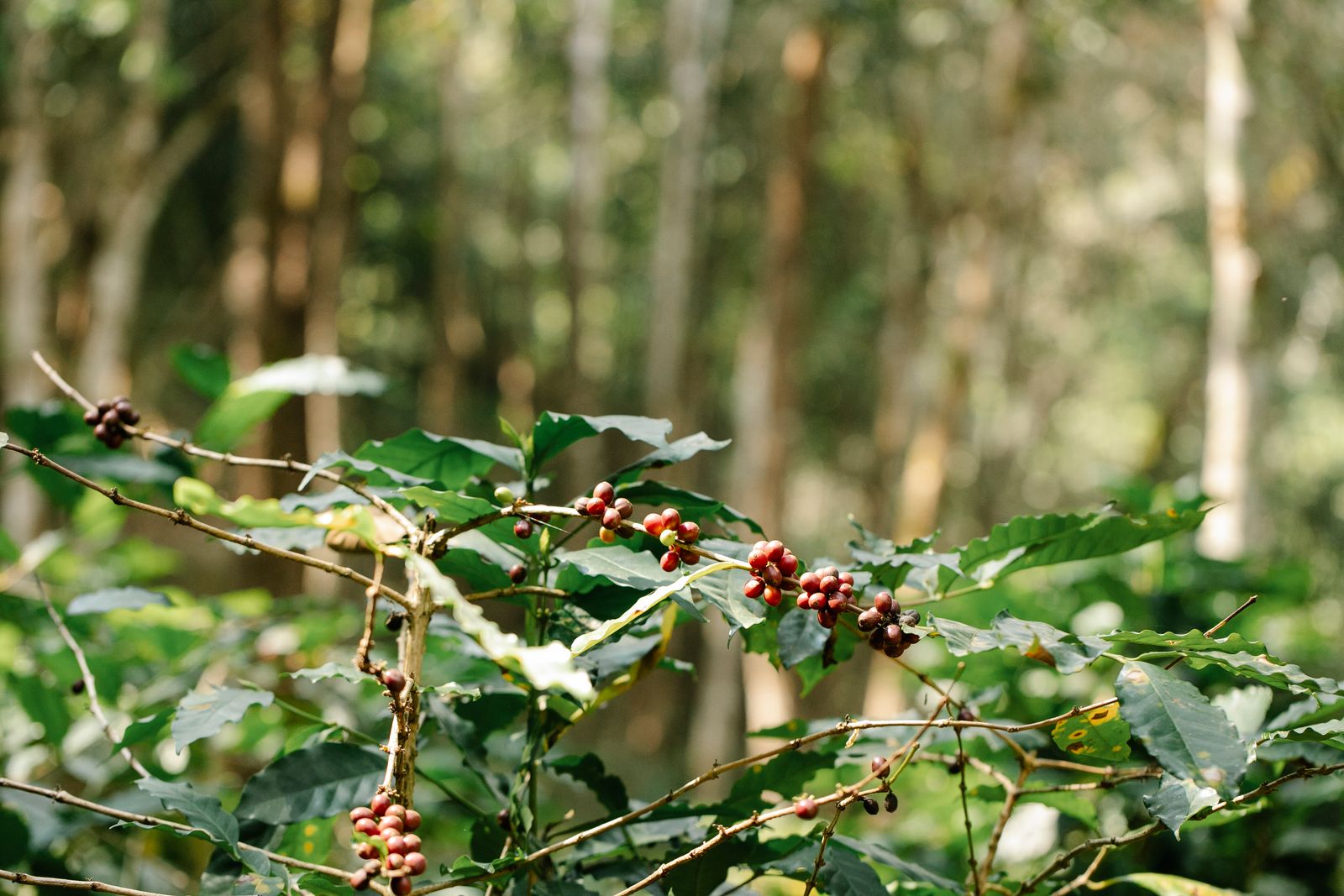
Most farms are tiny by world standards. Several hundred of them work just a few acres each, with the trees often planted on rocky lava ground where machines struggle. Ripe red cherries are usually picked by hand over several rounds during the harvest, which runs roughly from late summer into winter. In spring, the trees burst into white, scented blossom that locals call Kona snow.
From Ruggles to the Japanese family farms
Coffee reached Kona in 1828, when the missionary Samuel Ruggles planted cuttings from Brazil. Later in the century the English merchant Henry Nicholas Greenwell helped build Kona's name abroad, and his old store near Kealakekua is now a museum.
The big turning point came in 1899, when a world coffee price crash ruined the large plantations. Owners split their land into small parcels of about 5 to 12 acres and leased them to workers, most of them Japanese immigrants who had come to Hawaiʻi as plantation labour. Family farming became the Kona way. Children helped with the harvest, and Kona's schools long shifted their long holiday to the autumn picking season. Filipino, mainland American and European farmers joined over the following decades.
For how those migrations began on the sugar plantations, see our history of Hawaii's sugar plantations, and for Kona's older story, the place of refuge at Hōnaunau is just down the hill.
Visiting farms and the Living History Farm
Most farms sit along the Māmalahoa Highway (Highway 11) and Highway 180 between Hōlualoa and Hōnaunau, a 20 to 40 minute drive south of Kailua-Kona. Many have a roadside tasting room where you can sample a few roasts and look over the trees, and some offer guided tours of the orchard, drying racks and roastery. Smaller farms often ask you to book ahead, so check their websites before you set off.
- Kona Coffee Living History Farm: the Uchida farm in Captain Cook, interpreting Japanese immigrant farm life from about 1920 to 1945, with the farmhouse, mill and orchard. A fee is charged and guided tours run at set times, so check the Kona Historical Society's hours.
- H. N. Greenwell Store Museum: the historical society's base in Henry Greenwell's original store, now on the National Register of Historic Places.
- Farm tours: ask whether the farm grows, processes and roasts its own coffee, and when the harvest is under way. Picking season is the most interesting time to visit.
- Be a good guest: stay on paths, do not pick cherries, and remember these are working farms and family homes.
From cherry to cup: what to look for on a tour
A good farm tour follows the coffee from tree to cup. The ripe red cherries are pulped to remove the skin and fruit, then the beans are fermented and washed, a method known as wet processing. Next they are dried, either in the sun or in driers, before the papery parchment layer is milled away to leave green coffee ready for roasting.
Look out for the hoshidana, the wooden drying platforms with a rolling roof that Japanese farmers built so the beans could be covered fast when the afternoon rain arrived. You can see one at the Living History Farm, and a few working farms still use them.
When you taste, ask about grades. Kona coffee is sorted by bean size and quality, and you will see names such as Extra Fancy and Fancy on the bags. Peaberry is a small, round bean that grows singly in the cherry instead of in a pair, and many coffee lovers seek it out. Ask too about the roast: medium roasts tend to show off Kona's smooth, gentle character best, and most farms will happily let you compare two side by side.
The Kona Coffee Cultural Festival
Every November, Kona celebrates the harvest with the Kona Coffee Cultural Festival, first held in 1970 and one of the oldest food festivals in Hawaiʻi. It runs for about ten days, with tours of historic and working farms, a cupping competition that judges the year's best coffees, cultural performances, craft markets, recipe contests and a parade.
It is the best week of the year to meet farmers, but rooms in Kona fill early, so book well ahead. Dates and events change each year, so check the festival's official site for the current programme.
How to buy real 100% Kona (and the labelling law)
Here is the catch that surprises many visitors. Under Hawaiʻi law, a coffee sold as a Kona blend has needed to contain only 10% Kona coffee. The rest can come from anywhere. In 1996 federal officials even charged a businessman with selling Central American coffee in bags labelled as Kona, a scandal that still shapes how farmers talk about fraud.
The rules are tightening. Since 1 July 2024, Hawaiʻi-branded coffee sold to consumers must show on the front label where in the state it was grown and the percentage of local and non-local coffee. In July 2024 Governor Josh Green signed a further law (House Bill 2298) that, from 1 July 2027, requires blends using a regional name such as Kona or Kaʻū to contain at least 51% coffee from that region.
- Look for the words 100% Kona Coffee: anything else is a blend.
- Read the front label: check the percentage and the origin statement.
- Buy at the farm: you know exactly who grew it, and more money stays in Kona.
- Expect to pay more: real Kona is hand-picked on small farms. A suspiciously cheap bag is usually a blend.
Prices for 100% Kona are high for good reasons, and it is worth trying the neighbouring Kaʻū coffee too, grown near Punaluʻu on the island's south side.
Combine with
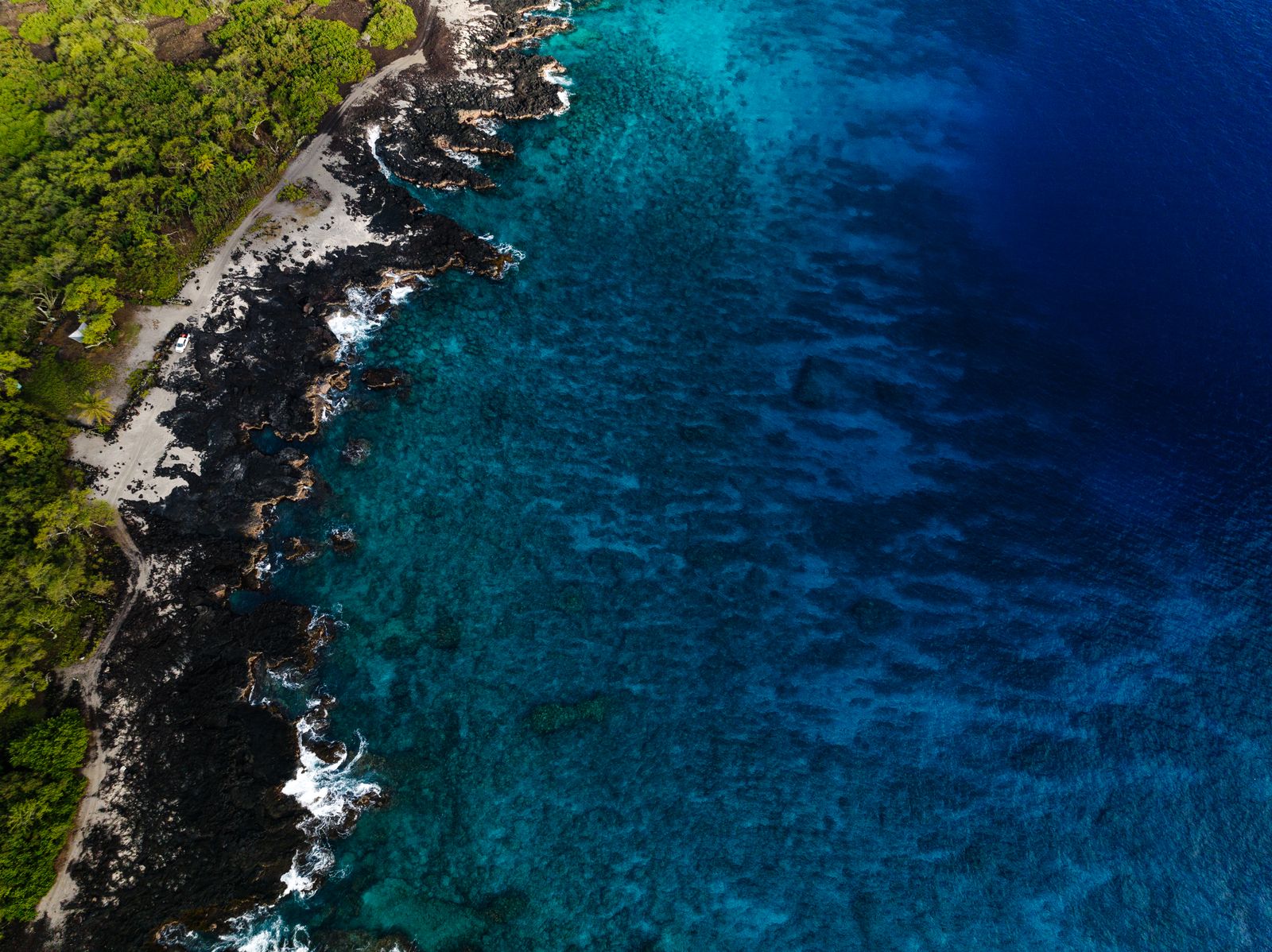
The coffee belt is close to some of the island's finest sights. Spend the morning on farms, then head down to the clear water at Hōnaunau or Kealakekua Bay for snorkelling, and in the evening join a manta ray night snorkel off Kona. If you are still choosing a base, our Kona vs Hilo guide sets out the differences.
The wider story of Kona, from Captain Cook's arrival at Kealakekua to the immigrant farm families, is told in The History of Hawaii. For a farm-and-beach day trip that goes the other way round the island, see ʻAkaka Falls and Waipiʻo Valley.
Quick answers
What is the difference between Kona blend and 100% Kona coffee?
A Kona blend has needed to contain only 10% Kona coffee, with the rest from elsewhere. From 1 July 2027 Hawaiʻi law raises that minimum to 51%. Only bags labelled 100% Kona Coffee are made entirely from Kona-grown beans.
Can you tour Kona coffee farms for free?
Many farms along Highway 11 and Highway 180 have free tasting rooms, and some offer free short walks. Longer guided tours and the Kona Coffee Living History Farm charge a fee, so check ahead.
When is the Kona coffee harvest?
The harvest runs roughly from late summer into winter, with cherries picked by hand over several rounds. The Kona Coffee Cultural Festival celebrates it every November.
Why is Kona coffee so expensive?
It grows on small family farms in a narrow belt, is mostly hand-picked on steep lava ground, and is produced in small quantities with Hawaiʻi labour and land costs.
Where is the Kona coffee belt?
On the western slopes of Hualālai and Mauna Loa in North and South Kona, at roughly 150 to 975 metres (500 to 3,200 ft), mainly between Hōlualoa and Hōnaunau.
Facts checked October 2026. Reservations, fees, opening hours and trail or road closures change often in Hawaii, so confirm with the official source before you go.
- Wikipedia: Kona coffee
- Wikipedia: Kona Coffee Living History Farm
- Kona Coffee Farmers Association: 51% is the law
- Hawaii Tribune-Herald: New Hawaii coffee labeling law takes effect
- Maui Now: Stricter coffee labeling law passes in state legislature
- Wikipedia: Kona Coffee Cultural Festival
- Kona Historical Society: Uchida Farm House