Bought from the kingdom in 1864 and closed to outsiders since 1915, Niʻihau is the one island where Hawaiian is still the language of daily life. Its history is stranger than its nickname.
December 1941: a pilot falls from the sky
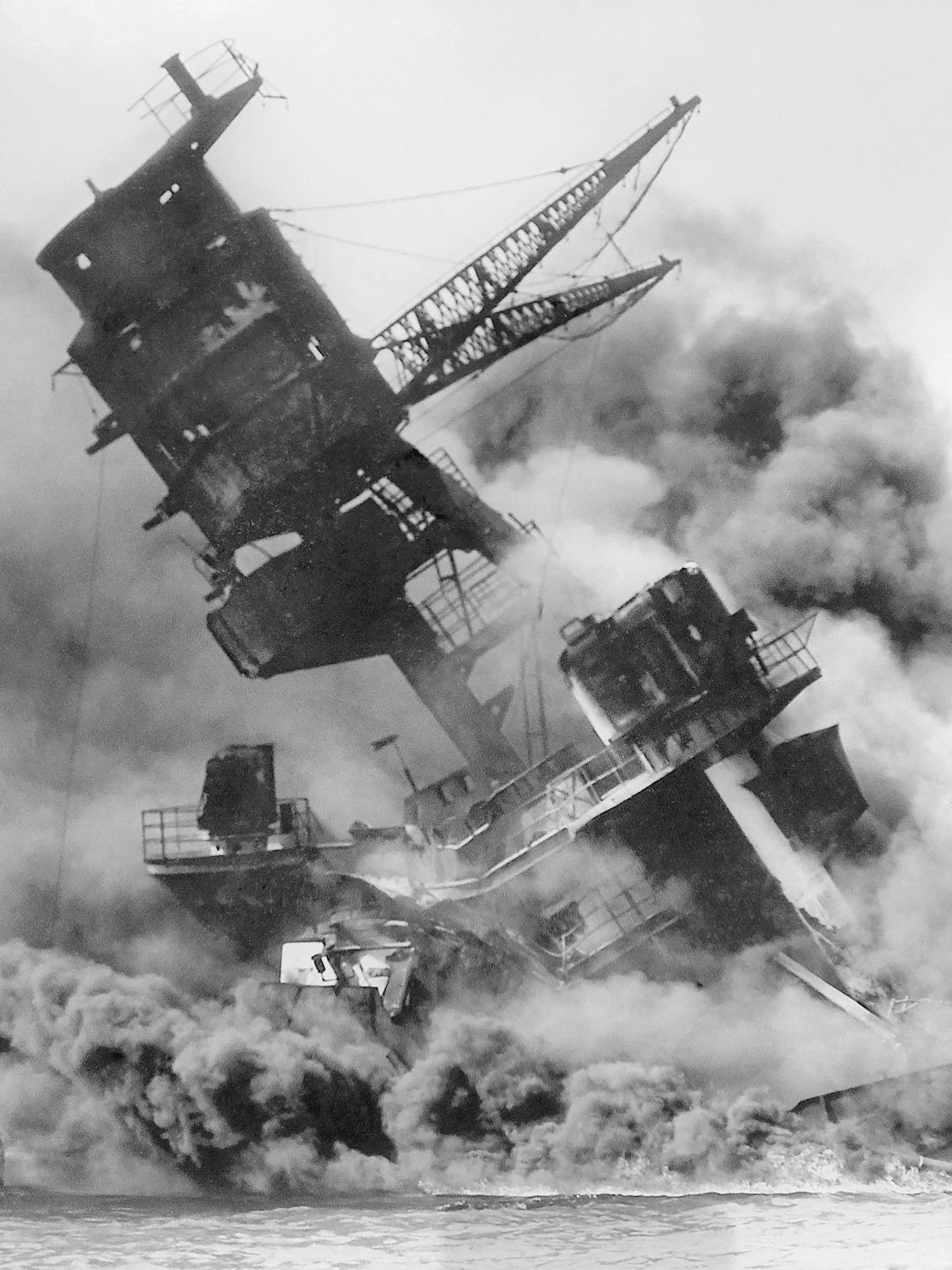
On the afternoon of 7 December 1941 a damaged Japanese fighter came down in a field on Niʻihau. Its pilot, Shigenori Nishikaichi, had taken part in the attack on Pearl Harbor that morning. Japanese planners had picked Niʻihau as an emergency landing ground, believing it was uninhabited.
It was not. A resident, Howard Kaleohano, pulled the dazed airman from the cockpit and took his pistol and papers. The islanders, who had no radio news of the attack yet, treated him as a guest. Only that night did word of Pearl Harbor reach them by radio, and with the owner's weekly boat from Kauaʻi held back by wartime restrictions, they were on their own.
What followed, over six tense days, became known as the Niʻihau Incident. It is the most famous moment in the history of an island most people know only by its nickname: the Forbidden Isle.
Before the sale
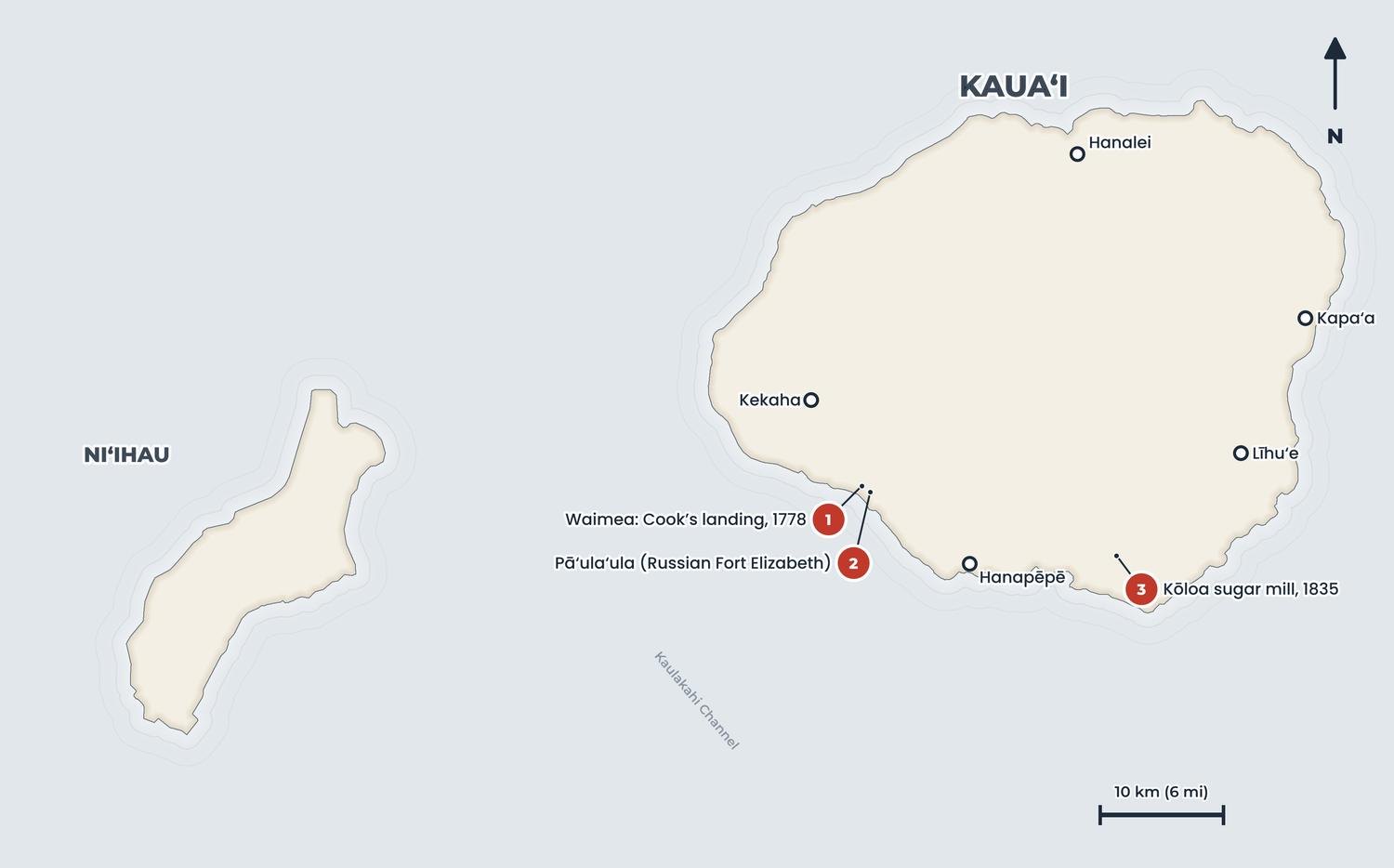
Niʻihau is small and dry: about 180 km² (70 sq mi) of low plains and a single upland rising to 381 m (1,250 ft) at Pānīʻau. It lies in the rain shadow of Kauaʻi, so its people relied on rain-fed crops, fishing and fishponds, and traded across the channel with their larger neighbour.
Politically, the island belonged with Kauaʻi. Its chiefs were linked to the Kauaʻi line, and Kaumualiʻi ruled both islands. When Kaumualiʻi accepted Kamehameha I as supreme ruler in 1810, Niʻihau came into the united kingdom with Kauaʻi, without a battle.
Bought for $10,000 in gold
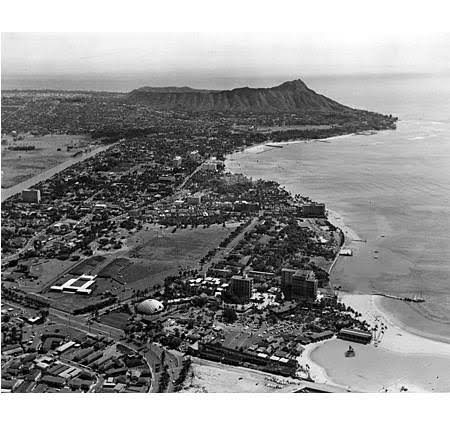
In September 1863 a Scottish widow named Elizabeth Sinclair reached Hawaiʻi with her extended family, after more than twenty years of farming in New Zealand. They were looking for land. On 23 January 1864 the family bought Niʻihau from King Kamehameha V for $10,000 in gold, along with land on Kauaʻi. Family tradition holds that she was also offered land at Waikīkī and around Pearl Harbor and chose Niʻihau instead.
The island became a sheep and cattle ranch run by Sinclair's descendants, the Gay and Robinson families. In 1915 her grandson Aubrey Robinson closed it to most outsiders; even relatives of residents needed permission to visit. Ownership passed to his son Aylmer in 1939, then to Aylmer's brother Lester in 1968, and on to Lester's sons Bruce and Keith Robinson, who own it still.
The family's stated aim has long been to protect the residents' Hawaiian way of life. Critics see something more uncomfortable: a whole island, and its people's homes, held as private property. Both views are part of Niʻihau's story.
The Niʻihau Incident
Three of Niʻihau's residents were of Japanese ancestry. One, an older beekeeper named Ishimatsu Shintani, spoke briefly with the pilot and walked away. Another, Yoshio Harada, born in Hawaiʻi, translated for the pilot and learned about the attack. Over the following days Harada and his wife Irene sided with Nishikaichi. They helped him recover a gun, burn Kaleohano's house in search of the papers and hold villagers at gunpoint. Kaleohano had already passed the papers to a relative, and a party of islanders set out by boat to fetch help from Kauaʻi.
On 13 December the pilot took Ella Kanahele hostage and sent her husband, Ben, to bring Kaleohano back. Instead Ben Kanahele lunged at Nishikaichi and was shot three times, in the chest, hip and groin. He still managed to lift the pilot and throw him against a stone wall. Ella struck Nishikaichi with a rock, and Kanahele finished him with a knife. Harada then turned a shotgun on himself.
Kanahele recovered and received the Medal of Merit and the Purple Heart. The wreck of Nishikaichi's Zero is displayed today at the Pacific Aviation Museum on Ford Island. The incident had a darker legacy too: officials cited the Haradas' actions to justify suspicion of Japanese Americans, a story told in Japanese Americans in Hawaiʻi during the Second World War.
A Hawaiian-speaking island
Niʻihau is the only place where Hawaiian is the first language of an entire community. Its residents speak a Niʻihau dialect that differs from standard modern Hawaiian and may preserve older features. English is learned as a second language. The state runs a small school on the island, and two Niʻihau-focused charter schools on west Kauaʻi serve families who live there. For the wider story of the language's decline and revival, see the history of the Hawaiian language.
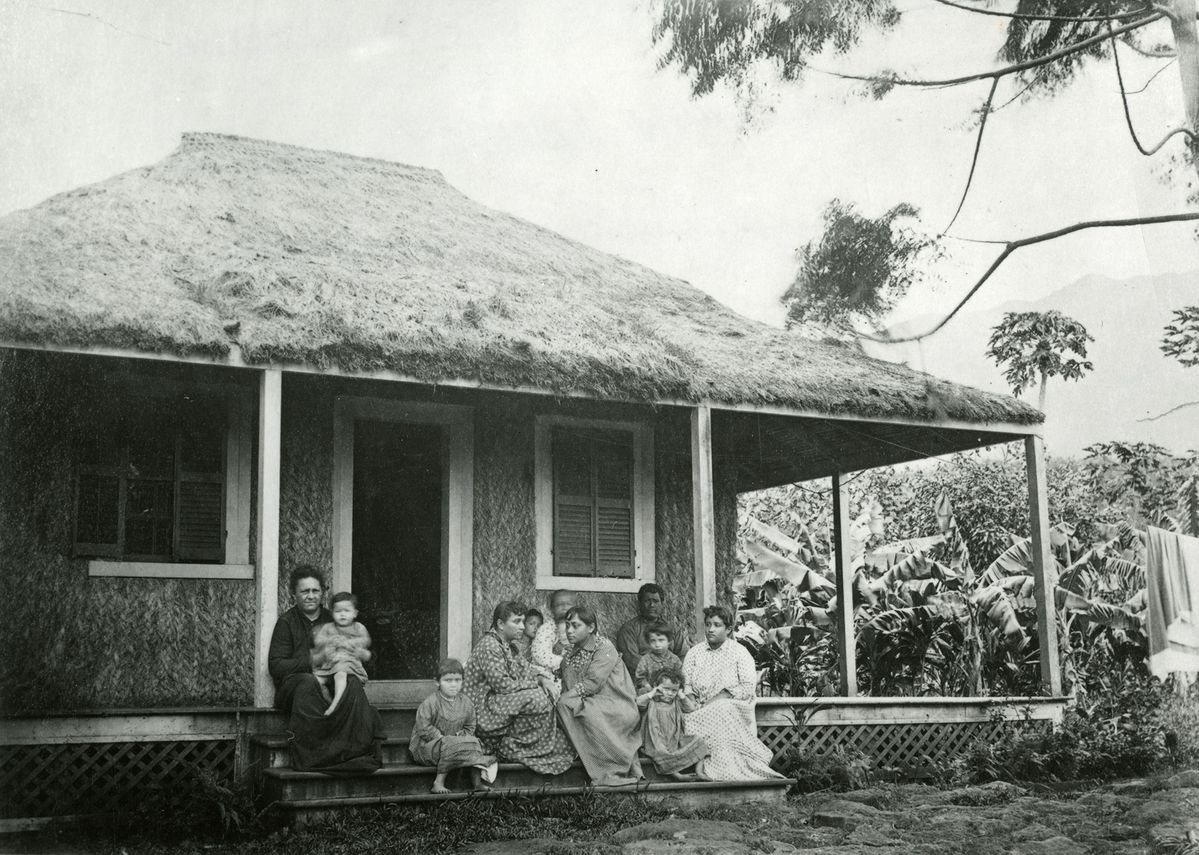
Most homes are in the village of Puʻuwai on the west coast. There are no paved roads, stores or hotels, and life relies on rain catchment, solar power, fishing and hunting. The community is deeply Protestant, with rules against alcohol and tobacco. Many families move between Niʻihau and Kauaʻi for work and school, so the population changes: the 2020 census counted 84 people, and about 30 were on the island when Hurricane Lowell passed close by in September 2026.
The island has always kept its own counsel. In the 1959 statehood vote, when the territory as a whole voted overwhelmingly yes, Niʻihau's voters said no, by 70 to 18. Its story is a counterpoint to statehood elsewhere.
Ranch, Navy and shell lei
Niʻihau Ranch, unprofitable for much of the twentieth century, closed in 1999. Since then much of the island's income has come from the US Navy, which uses instruments on its high cliffs in testing and training linked to the Pacific Missile Range Facility on Kauaʻi. Hawaiian monk seals, relocated by federal biologists from the north-western islands over many years, now haul out in numbers on its quiet beaches.
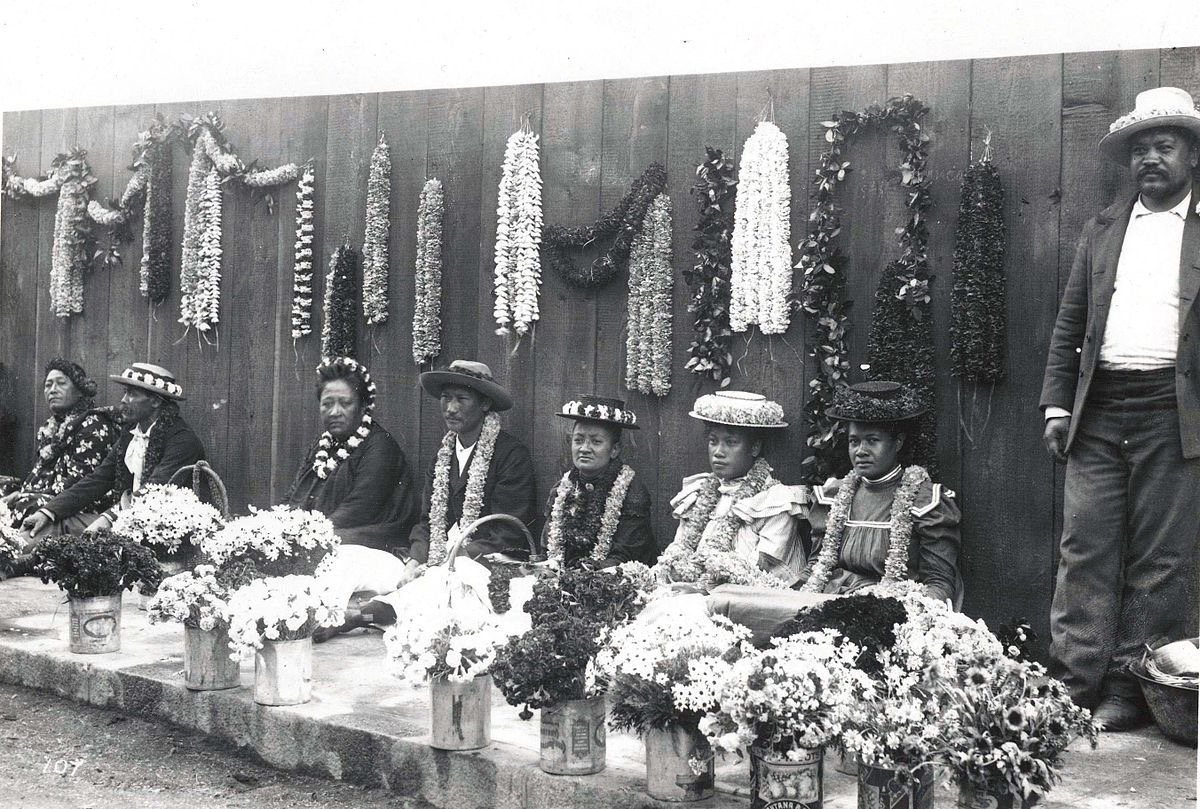
Niʻihau is best known to the outside world through its shell lei. Tiny shells called momi, laiki and kahelelani wash up on its beaches, mostly in winter, and island artisans string them into intricate necklaces that can take months to make. A state law of 2004 protects the Niʻihau name on genuine shell lei from counterfeits.
Can you visit Niʻihau?
Not freely. Visits are limited to residents and their relatives, invited guests, government officials and Navy personnel, and even the state's governor has said officials go only when asked. Limited helicopter tours and hunting trips have been offered since the late 1980s and early 1990s, landing away from the village, so check current availability with care.
- See it from Kauaʻi: the island is visible from Kekaha, Polihale and the Waimea area, especially at sunset. See our things to do on Kauaʻi.
- By boat: snorkel tours from Kauaʻi sometimes cross to the waters off Niʻihau and the islet of Lehua in calm summer seas; they do not land on the island.
- Buy shell lei wisely: genuine Niʻihau lei are costly; buy from reputable dealers and read about lei traditions in the history of the lei.
Respect the residents' privacy: they have chosen a way of life apart. Niʻihau and bombed, then returned, Kahoʻolawe show two very different answers to the question of who controls Hawaiian land, a theme that runs through The History of Hawaii.
Quick answers
Why is Niʻihau called the Forbidden Island?
Because it is privately owned and has been closed to most outsiders since 1915. Only residents, relatives, invited guests, officials and some Navy personnel may go, plus limited supervised tours.
Who owns Niʻihau?
Brothers Bruce and Keith Robinson, descendants of Elizabeth Sinclair, who bought the island from the Kingdom of Hawaiʻi under Kamehameha V in 1864 for $10,000 in gold.
What was the Niʻihau Incident?
After the Pearl Harbor attack on 7 December 1941, a Japanese pilot crash-landed on Niʻihau. With help from a Japanese American couple he terrorised villagers until 13 December, when Ben and Ella Kanahele overpowered and killed him.
Do people on Niʻihau speak Hawaiian?
Yes. Niʻihau is the only island where Hawaiian is the everyday first language of the community. Residents speak a distinct Niʻihau dialect and learn English as a second language.
How many people live on Niʻihau?
The 2020 census counted 84 residents, though the number on the island at any time varies because many families move between Niʻihau and Kauaʻi.
Facts checked October 2026 against the sources below and the research for our book The History of Hawaii. Dates and figures for early Hawaiian history are estimates and scholars still debate some of them.
- Niʻihau (Wikipedia)
- Remembering Pearl Harbor: the Niʻihau Incident (National Archives, Prologue)
- The Niihau Zero (Air & Space, Smithsonian)
- Faced with few options for income, Niihauans still protect Hawaiian life (Honolulu Star-Advertiser)
- Niihau rode out Lowell with faith and little help (Honolulu Star-Advertiser)
- The 1959 statehood plebiscite (Statehood Hawaii)
- Niihau (Encyclopaedia Britannica)