In 1908 a cowboy from Hawaiʻi Island beat the best ropers of the American West in Wyoming. Behind his win lay a century of island ranching that began with a gift of cattle to Kamehameha.
Cheyenne, August 1908
In August 1908 the crowds at Cheyenne Frontier Days in Wyoming, the proudest rodeo in the American West, watched three strangers ride into the steer-roping arena. They were Ikua Purdy, Archie Kaʻauʻa and Jack Low, cowboys from Hawaiʻi Island, and they had travelled thousands of kilometres by steamer and train to be there.
Their sponsor was Eben "Rawhide Ben" Low, a rancher who had seen the show the year before and was sure his men could win it. He was right. Purdy roped, threw and tied his steer in 56 seconds in the final round (one local paper reported 1 minute 6 seconds) and took the world championship. Kaʻauʻa finished third and Low sixth.
The mainland press was astonished. Hawaiian riders, though, had been working cattle for three generations. This is the story of the paniolo, Hawaiʻi's cowboys.
Vancouver's gift and a royal kapu
It began at Kawaihae in February 1793, when the British navigator George Vancouver landed cattle brought from Monterey in California as a gift for Kamehameha. Accounts of the number differ, from a single surviving bull and cow to six cows and a bull, or seven head in Parker Ranch's own history. Vancouver brought more on a later visit.
To let the herd grow, Kamehameha placed a kapu on the animals, forbidding anyone to kill them, for about ten years. It worked too well. By the early 1800s wild longhorns were roaming the uplands, trampling taro patches and raiding gardens. Villagers built long stone walls to keep them out, and cattle were caught in pits dug in the forest.
The wild herds were a nuisance, but also a potential source of meat, hides and tallow for the trading and whaling ships that now called at the islands. What the kingdom lacked was people who knew how to handle them.
John Palmer Parker and the first ranch
One answer was a young sailor from Massachusetts. John Palmer Parker, born in 1790, jumped ship on Hawaiʻi Island around 1810 and won Kamehameha's trust. Kamehameha allowed him to start taming the wild horses and cattle, and in 1817 he married Kipikane, described in Parker Ranch history as a granddaughter of Kamehameha.
The Māhele made private land ownership possible, and in 1847 Parker was awarded two acres at Mana, near Waimea, for $10. Those two acres became the nucleus of Parker Ranch. He bought 650 acres in 1850 and 35,000 in 1856, and when he died in 1868 the ranch covered some 19,000 ha (47,000 acres).
It kept growing. When the heir Richard Smart came of age in 1933, Parker Ranch was about half the size of the state of Rhode Island. Smart left it in trust when he died in 1992.
The españoles arrive
Real expertise came from the east. Around 1830 Kamehameha III lifted the kapu on cattle, and soon afterwards he invited vaqueros from California, then part of Mexico, to teach his people their craft. The State Archives record one of the first, Joaquín Armas, arriving from San Diego in 1831 as a "bullock catcher" and being sent to Waimea in 1832. Other accounts date the main group to 1833 or 1836.
The newcomers spoke Spanish, and Hawaiians called them paniolo, from español. They taught roping, breaking horses, making saddles, tanning hides and braiding the rawhide lariat, the kaula ʻili. They also brought the guitar, and paniolo went on to develop kī hōʻalu, slack-key guitar, with its open tunings.
Hawaiian riders quickly made the skills their own. Saddles, braided stirrups and rawhide ropes were made locally, and dried, salted beef called pipi kaula, a cousin of the Mexican carne seca, became an island staple that is still sold today.
By the 1850s Hawaiian had replaced Spanish as the language of the range. Hawaiʻi exported beef to California from 1849, feeding the Gold Rush, and ranches spread to every main island. On Molokaʻi, Kamehameha V even raised sheep from rams sent as a gift by the French emperor Napoleon III. Kamehameha III's story, and his restoration of the kingdom's sovereignty in 1843, is told in our article on Kamehameha III and Lā Hoʻihoʻi Ea.
A Hawaiian way of cowboying
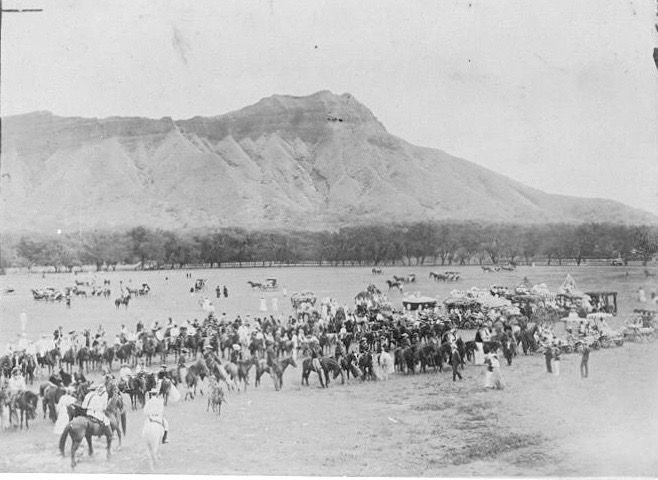
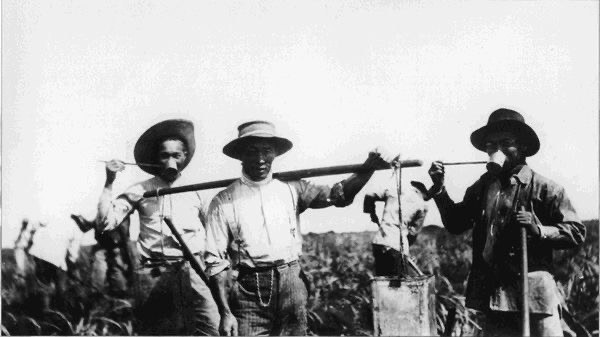
Paniolo culture grew into something distinctly Hawaiian. Riders wore wide-brimmed hats of woven lauhala trimmed with a lei poʻo, a flower lei for the head. Saddle-makers adapted the vaquero design into a Hawaiian tree saddle. After their plantation contracts ended, Chinese, Japanese, Portuguese, Puerto Rican and Filipino workers joined the outfits too.
Some work had no parallel on the mainland. With few deep-water wharves, cattle went to market by sea. The National Park Service describes how paniolo rode into the surf and swam the cattle out to waiting longboats, tied them by the head to the gunwales and towed them to a steamer, where each animal was hoisted aboard in a sling under its belly.
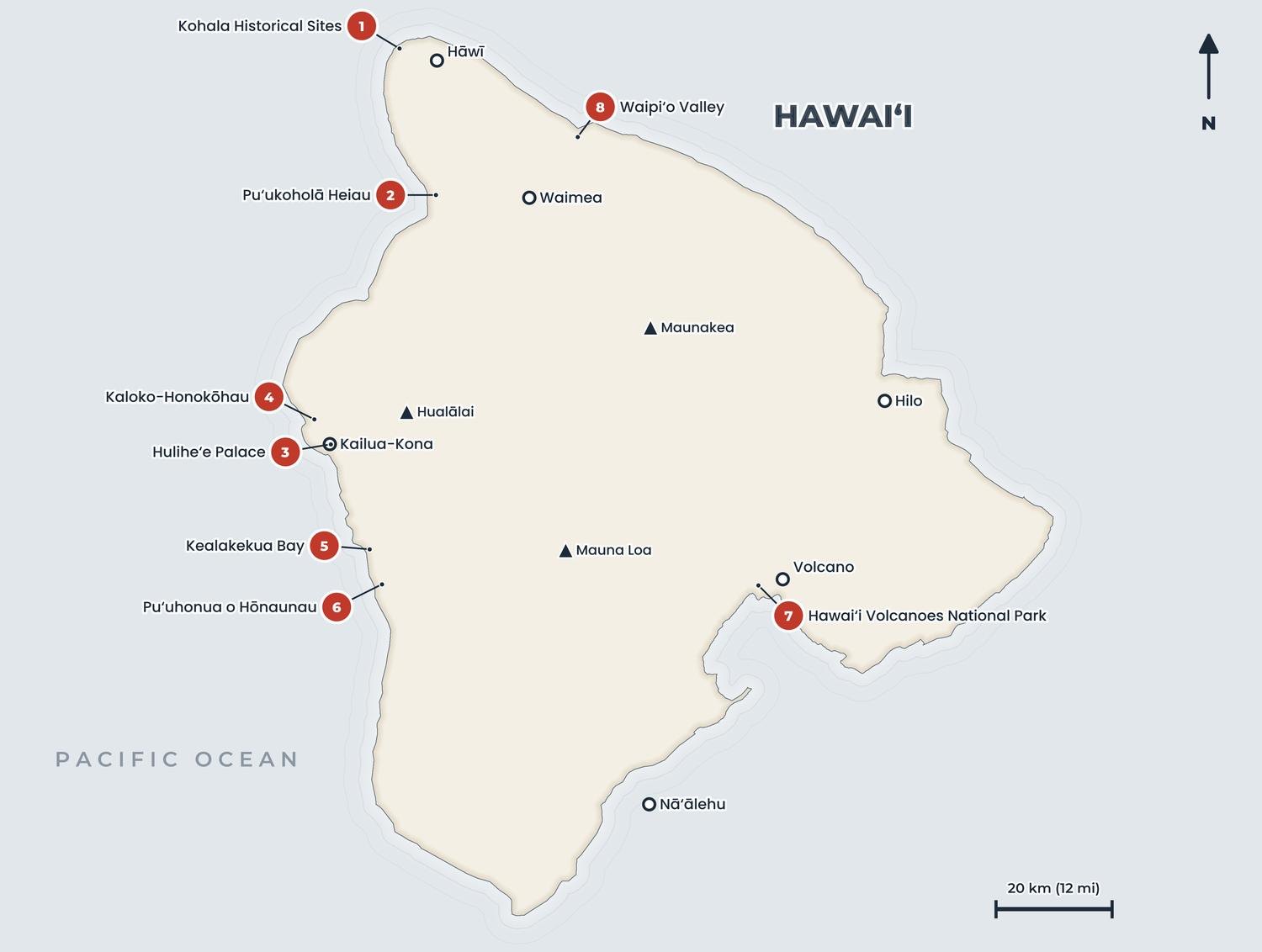
Women rode as well. The tradition of pāʻū riders, women in long flowing skirts riding in parades, is honoured today with its own small museum in Waimea. On Maui, Ikua Purdy himself later served 24 years as foreman of ʻUlupalakua Ranch, and on the slopes of Mauna Loa, Kahuku Ranch was worked for about 150 years before it became part of Hawaiʻi Volcanoes National Park in 2003.
Champions, and a culture under pressure
Purdy, born in 1873, died in 1945, and for decades his win was better remembered in Hawaiʻi than on the mainland. That changed in 1999, when he was inducted into the Rodeo Hall of Fame. The same year Hawaiʻi's cattlemen founded a Paniolo Hall of Fame to honour island riders.
Ranching has shrunk since the plantation era. In 2006 Parker Ranch sold 24,000 acres to the federal government under threat of condemnation, and in 2021 a wildfire scorched 37,000 acres of its land. Hawaiʻi Public Radio has called the paniolo "another Hawaiian endangered species". Groups such as the Paniolo Preservation Society, to which Parker Ranch pledged its historic Pukalani Stables in 2022, are working to keep the skills and stories alive.
Where to see paniolo country today
- Paniolo Heritage Center, Pukalani Stables, Waimea: saddles, photographs and stories of island ranching, plus the Nā Wahine Holo Lio Pāʻū Museum. Open Monday to Saturday, 10 am to 2 pm, free (check paniolopreservation.org before you go).
- Ikua Purdy statue, Waimea: a large bronze of Purdy roping a steer, by the Arizona sculptor Fred Fellows, stands beside the Parker Ranch Center in town.
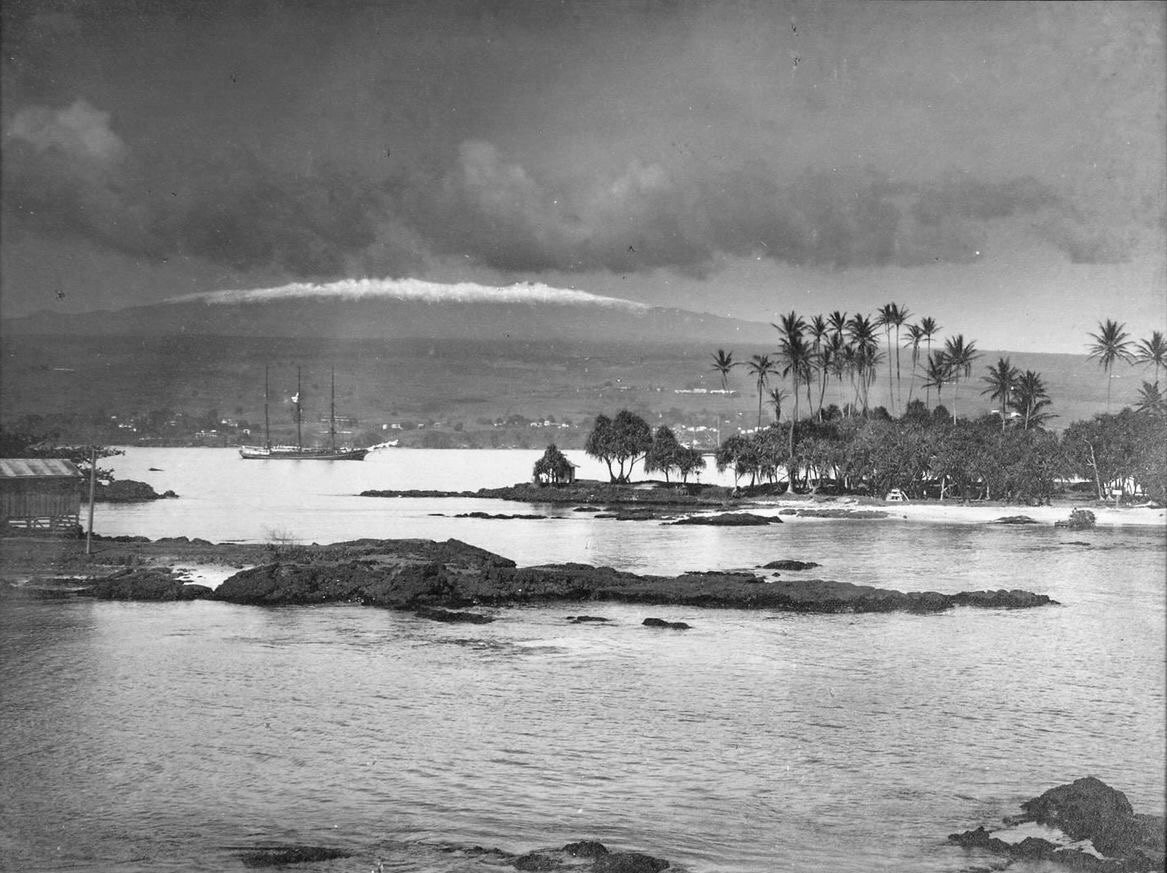
- Kawaihae Harbour: where Vancouver's cattle came ashore in 1793, a short drive from Puʻukoholā Heiau.
- Upcountry Maui: the ranch lands of ʻUlupalakua and Kula, covered in our things to do on Maui guide.
- Kahuku unit, Hawaiʻi Volcanoes National Park: old ranch pastures on the flank of Mauna Loa.
Plan a Waimea day with our guide to things to do on the Big Island. The paniolo are one of many threads in the islands' encounter with the wider world, a story told in full in The History of Hawaii.
Quick answers
What is a paniolo?
A paniolo is a Hawaiian cowboy. The word comes from español, because the first cowboys to teach Hawaiians how to work cattle were Spanish-speaking vaqueros from California, then part of Mexico, invited by Kamehameha III in the early 1830s.
When did cowboys come to Hawaii?
Cattle arrived in 1793 as a gift from George Vancouver to Kamehameha. Vaqueros came about forty years later: the State Archives record Joaquín Armas arriving in 1831 and being sent to Waimea in 1832, and other accounts date the main group to 1833 or 1836.
Who was Ikua Purdy?
Ikua Purdy (1873–1945) was a Hawaiian cowboy from Hawaiʻi Island who won the world steer-roping championship at Cheyenne Frontier Days in Wyoming in 1908. He was inducted into the Rodeo Hall of Fame in 1999.
How old is Parker Ranch?
Parker Ranch dates its founding to 1847, when John Palmer Parker was awarded two acres at Mana near Waimea. Parker had been working with Kamehameha's wild cattle since the 1810s.
Where can you learn about paniolo history?
Visit the free Paniolo Heritage Center at Pukalani Stables in Waimea on Hawaiʻi Island, open Monday to Saturday, and the bronze statue of Ikua Purdy at the Parker Ranch Center nearby.
Facts checked October 2026 against the sources below and the research for our book The History of Hawaii. Dates and figures for early Hawaiian history are estimates and scholars still debate some of them.
- Paniolo: The Pride of a Nation (Ka Wai Ola, Office of Hawaiian Affairs)
- Archives Month 2019: Paniolo (Hawaiʻi State Archives)
- Parker Ranch 175th Anniversary Historical Timeline (Parker Ranch)
- The Paniolo (Hawaiʻi Volcanoes National Park, NPS)
- Another Hawaiian Endangered Species: Paniolo (Hawaiʻi Public Radio)
- Native Hawaiian Cowboys Invade Cheyenne Frontier Days (Cowboy State Daily)
- Paniolo Heritage Center at Pukalani Stables (Paniolo Preservation Society)
- Purdy statue plans (Honolulu Star-Bulletin, 2003)