Waiʻanae & KoʻolauTwo volcanoes, one island
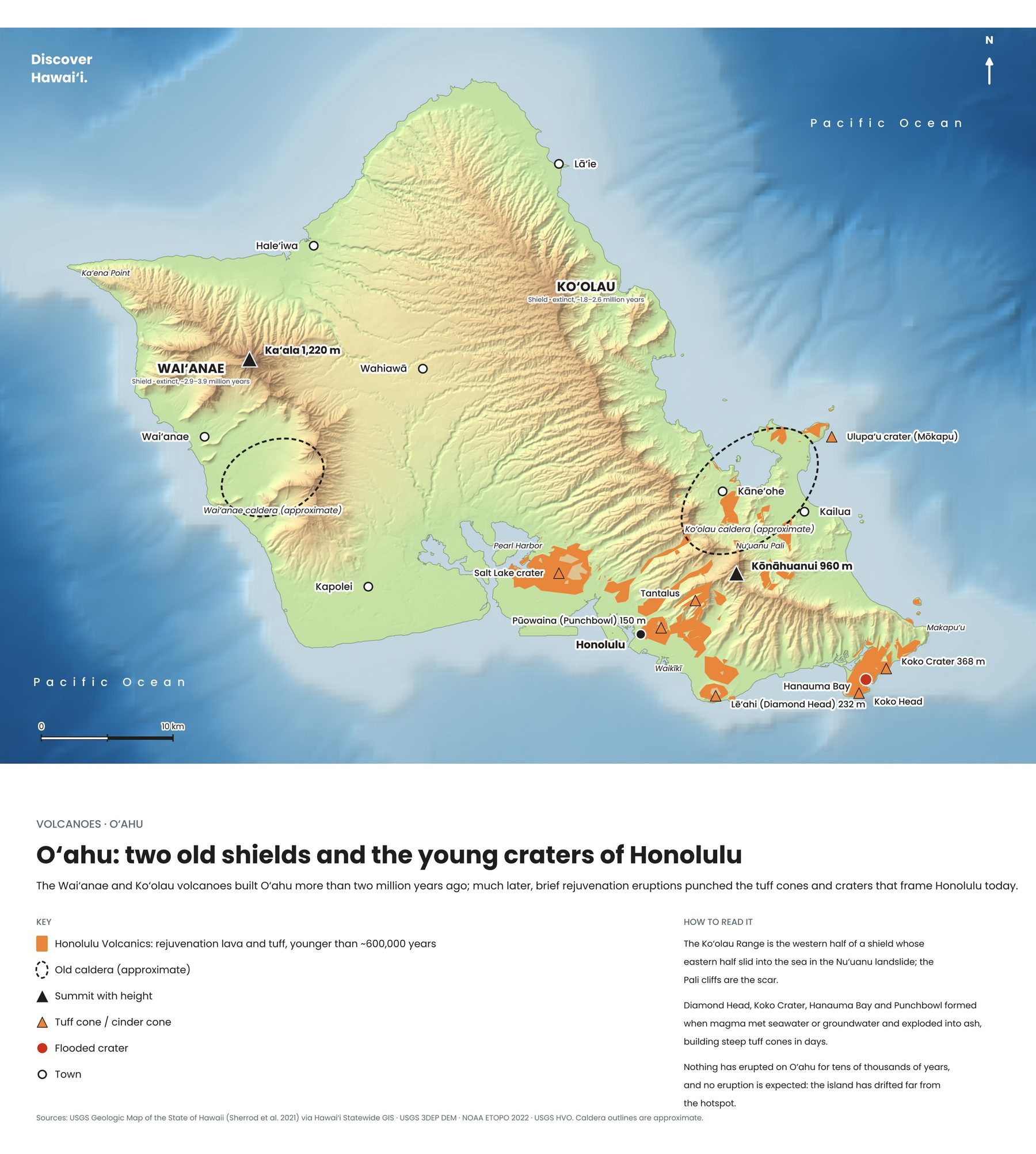
Oʻahu's two mountain ranges are the worn-down remains of two shield volcanoes. The Waiʻanae, in the west, began to grow from the sea floor around four million years ago and had stopped building its shield by about three million years ago. Its summit, Mount Kaʻala, is the highest point on the island at 1,220 metres.
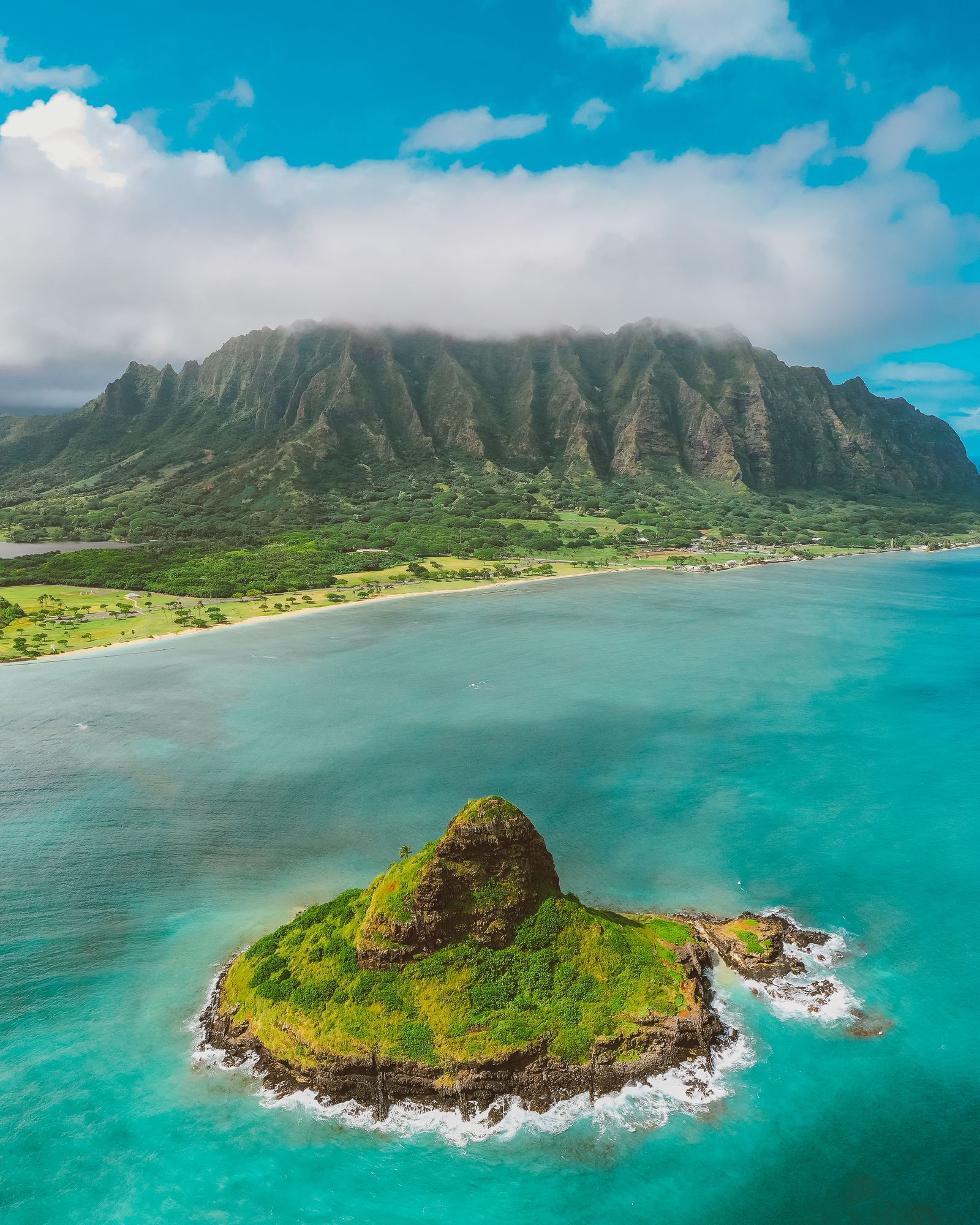
The Koʻolau, in the east, rose a few hundred thousand years later and was active until about 1.8 million years ago. Much of it was lost in the Nuʻuanu landslide, one of the largest on Earth, which carried the volcano's northeast side into the sea. What remains are the fluted green cliffs above Kāneʻohe and Kualoa.
Diamond HeadLēʻahi and the young cones
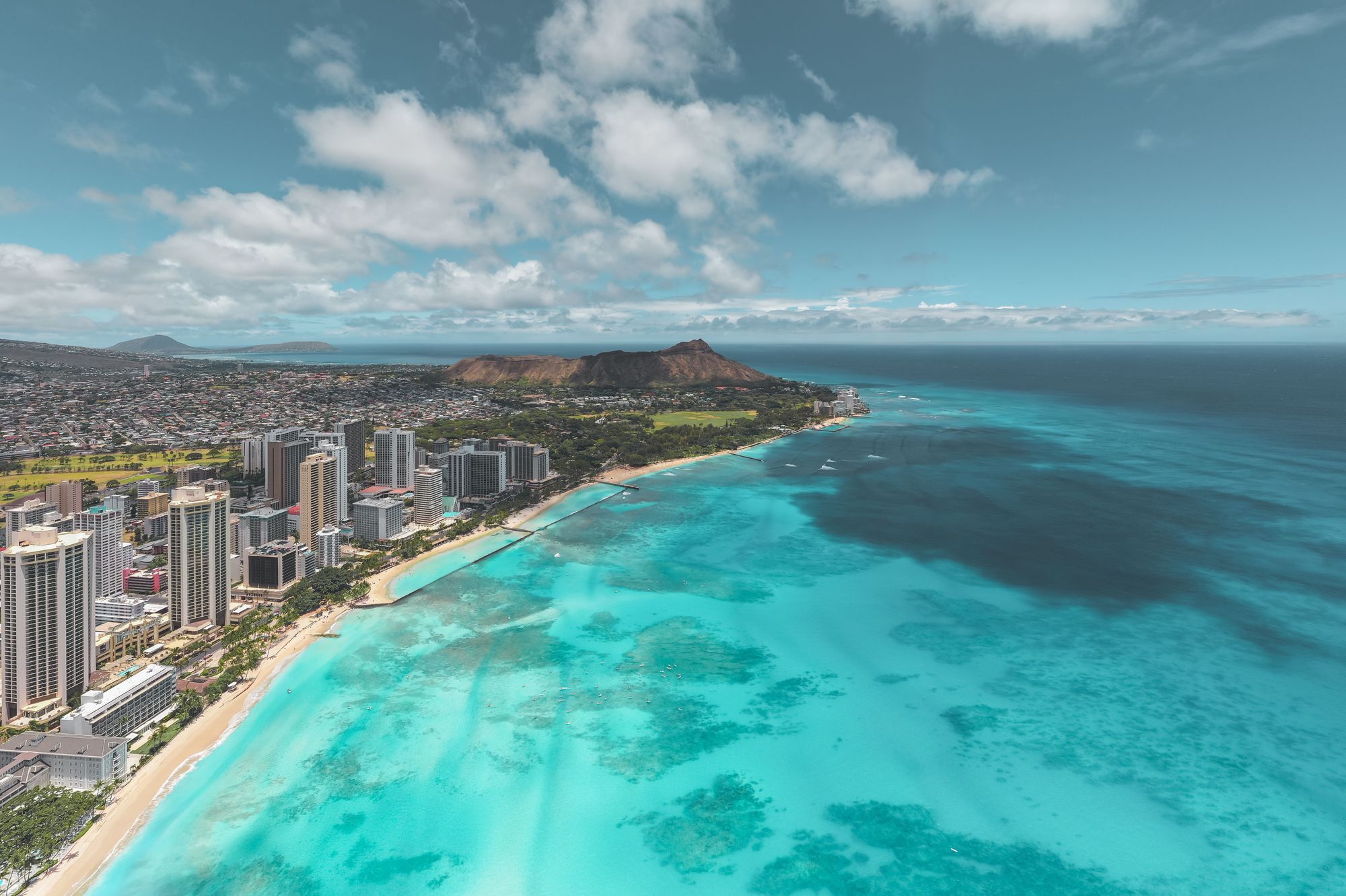
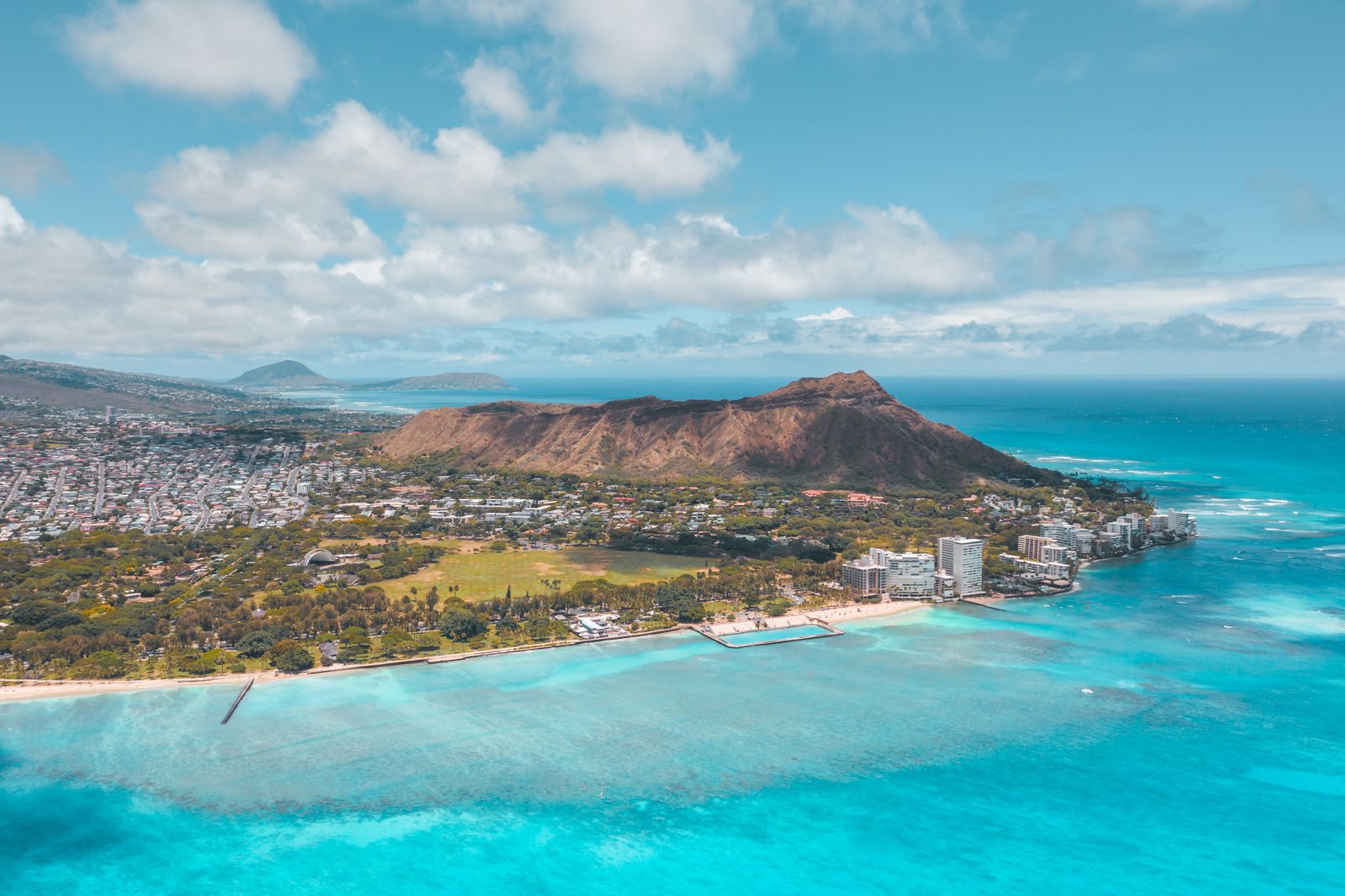
After a pause of about a million years, the Koʻolau came briefly back to life in a burst of small, explosive eruptions. They built the cones that now frame Honolulu: Lēʻahi (Diamond Head) and Punchbowl, roughly 400,000 to 500,000 years old, and, much younger, Koko Crater and the flooded crater of Hanauma Bay, formed less than 100,000 years ago.
Diamond Head is the classic Oʻahu hike: a short, steep trail through tunnels and old military bunkers to the 232-metre summit, with views over Waikīkī. Reservations are required for out-of-state visitors, so book ahead, and go early to beat the heat.